Deciding how much to sell your small business for can feel overwhelming. You’ve poured your time, energy, and passion into building it, and now it’s time to put a price on your hard work.
But how do you determine its true value? We’ll break down the key factors that influence your business’s worth. You’ll discover essential strategies and tips that will empower you to make an informed decision. Whether you’re looking to retire, move on to a new venture, or simply cash in on your success, knowing the right price can make all the difference.
Don’t leave your future to chance. Read on to unlock the secrets of pricing your small business effectively and confidently. Your financial freedom awaits!
Determining Business Value
Setting the right price for your small business is crucial. Factors like profits, assets, and market trends play a big role. Understand these elements to find a fair selling price.
Determining the value of your small business is a crucial step if you’re considering selling it. Many factors play into how much you can ask for your business. Understanding these elements can help you set a price that reflects your hard work and the potential future earnings for a buyer.Key Factors Influencing Value
Several key factors can significantly impact your business’s value. Start with your financial performance. Buyers look closely at revenue, profit margins, and cash flow. Strong financials signal a healthy business. Next, consider your assets. This includes physical items like equipment and inventory, as well as intangible assets like brand reputation and customer loyalty. A well-established brand can command a higher price. Also, think about market conditions. Is your industry growing or declining? A thriving industry will often result in higher valuations. Lastly, the location of your business plays a role. A prime location can boost your business’s worth.Common Valuation Methods
There are several methods to determine your business’s value. The Income Approach focuses on your future earnings. Calculate your projected cash flow and apply a discount rate to find its present value. The Market Approach compares your business to similar businesses that have recently sold. This method gives you a benchmark based on real market data. The Asset-Based Approach looks at your total assets minus liabilities. This straightforward method works well for businesses with significant physical assets.Industry-specific Considerations
Each industry has unique factors that affect business value. For example, tech startups often rely heavily on growth potential, making future projections critical. On the other hand, service-based businesses might emphasize customer retention and recurring revenue. It’s essential to research industry benchmarks. Understanding what similar businesses sell for can give you a competitive edge. How does your business stack up against others in your field? Knowing this can help you position your business effectively and attract the right buyers. Determining your business’s value is not just about numbers; it’s about understanding the story behind your venture. Make sure you reflect this narrative in your valuation strategy.Analyzing Financial Performance
Understanding your business’s financial performance is crucial. It helps you set a fair price for selling. Buyers want to see solid numbers. They need proof of value. Analyzing finances can guide you in this process.
Focus on three key areas: revenue streams, profit margins, and growth potential. Each area shows different aspects of your business health.
Assessing Revenue Streams
Start by looking at your revenue sources. Identify where your money comes from. Consider sales, services, and any other income. A diverse revenue stream can increase value. Buyers like businesses with multiple income sources.
Analyze how stable these streams are. Are they consistent? Do they fluctuate seasonally? Steady revenue is more attractive to potential buyers.
Evaluating Profit Margins
Next, assess your profit margins. This shows how much money you keep from sales. A higher profit margin indicates efficiency. Buyers prefer businesses that manage costs well.
Examine both gross and net margins. Gross margin reflects the cost of goods sold. Net margin reveals overall profitability. Both are important for a complete picture.
Identifying Growth Potential
Finally, look at your growth potential. Is your business expanding? Are there opportunities to increase sales? Buyers want to see a path for future growth.
Consider market trends and customer demand. Show how your business can adapt and thrive. Highlight any plans you have for expansion. This can make your business more appealing.
Assessing Market Conditions
Understanding how to sell your small business starts with market conditions. They play a key role in setting the right price. Knowing these conditions helps you make informed decisions.
Understanding Buyer Demand
Buyer demand varies based on many factors. A strong demand can increase your business’s value. Look for trends in your industry. Are buyers actively looking for businesses like yours?
Consider your location and market size. A thriving area usually attracts more buyers. Focus on what buyers want. Is there a need for your products or services? If yes, your business is more appealing.
Impact Of Economic Trends
Economic trends affect how much buyers are willing to pay. A growing economy often means more investment. Buyers feel confident spending money during these times. On the other hand, a recession can lower demand.
Keep an eye on interest rates. Higher rates can make borrowing costlier. This can reduce buyer interest. Understand how local and global events impact your market.
Timing The Sale Strategically
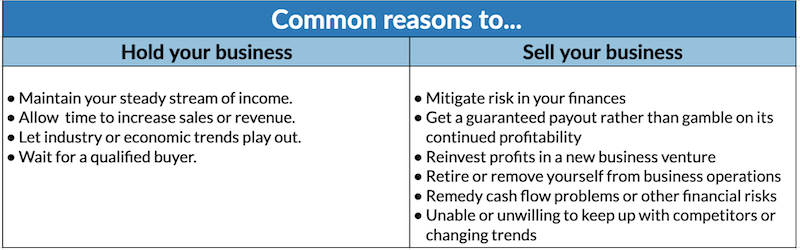
Timing can greatly influence your sale price. Selling during a peak season can attract more buyers. Look for seasonal trends in your industry. Are there specific times when sales increase?
Consider your own situation as well. Are you ready to sell? Ensure your business is in good shape before listing it. A well-prepared business can fetch a better price.
Credit: www.wordstream.com
Preparing For A Business Sale
Preparing to sell your small business is crucial. You want to attract buyers. A well-prepared business can fetch a better price. Focus on organization and presentation. This makes your business more appealing.
Start by getting your financials in order. Streamlining operations will help too. Finally, highlight what makes your business unique. These steps will help you sell successfully.
Organizing Financial Records
Clear financial records are essential. Buyers want to see your profits and losses. Gather tax returns for the last three years. Include balance sheets and income statements.
Organize your records in a simple way. Use spreadsheets or accounting software. This makes it easy for buyers to understand your business’s financial health.
Streamlining Operations
Simplifying operations can boost your business value. Review your current processes. Identify any inefficiencies or waste. Aim to cut costs and improve productivity.
Document your standard operating procedures. This shows buyers how your business runs. A well-oiled machine is more attractive to potential buyers.
Highlighting Unique Selling Points
Your business has unique qualities. Identify what sets it apart. This could be a loyal customer base or special products.
Showcase these strengths in your marketing materials. Use testimonials from satisfied customers. Emphasize your brand’s story and values. This helps buyers see the potential in your business.
Working With Professionals
Selling a small business is a big decision. Getting help from experts makes it easier. They guide you through the process. Their knowledge can help you find the right price. Let’s look at three key types of professionals you should consider.
Choosing Business Brokers
Business brokers are essential for selling your business. They know the market well. They help set a fair price. A good broker will market your business. They connect you with potential buyers. Their experience can save you time and effort.
Find a broker with a good reputation. Check their past sales and reviews. This will help you choose the right one.
Seeking Legal Advice
Legal advice is crucial in any sale. A lawyer ensures all documents are correct. They help with contracts and agreements. This protects your interests during the sale. Legal issues can arise if you are not careful.
Choose a lawyer who understands business sales. Their expertise can prevent costly mistakes.
Consulting Financial Experts
Financial experts provide valuable insights. They analyze your business’s financial health. This information helps set a reasonable price. They can also advise on tax implications. Understanding these aspects is important for your profit.
Work with a certified accountant or financial advisor. They can guide you through financial decisions.

Credit: 21stcb.com
Negotiating The Deal
Negotiating the deal is a crucial step in selling your small business. It can be a tense time. You want a fair price. Buyers want a good deal. Finding a balance is key. Here are some tips to help you through this process.
Setting A Realistic Asking Price
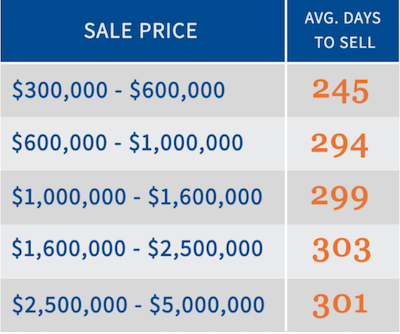
Your asking price sets the tone for negotiations. It should reflect the true value of your business. Overpricing can scare off potential buyers. Underpricing may leave money on the table. Research similar businesses in your area. Use their sale prices as a guide. A realistic price attracts serious inquiries. Be prepared to explain how you arrived at your price.
Handling Buyer Inquiries
As inquiries come in, respond promptly and clearly. Answer questions about your business honestly. This builds trust with potential buyers. Be ready to provide financial documents. Transparency can ease buyer concerns. Keep communication professional and friendly. Set a positive tone for negotiations.
Navigating Offers And Counteroffers
Expect to receive offers below your asking price. This is normal in negotiations. Review each offer carefully. Consider the terms, not just the price. Be ready to make counteroffers. Stay calm and flexible during this process. Focus on finding a win-win solution. Good negotiation can lead to a successful sale.
Finalizing The Sale
Finalizing the sale of your small business is a critical step. This phase involves several important tasks. Each task ensures that both you and the buyer are protected. Clear communication is key during this time.
Conducting Due Diligence
Due diligence is an essential part of the sale process. It involves the buyer reviewing your business thoroughly. The buyer will check finances, legal documents, and contracts. Be ready to provide all necessary information. This builds trust and confidence in the buyer.
Respond to requests quickly. This keeps the process moving forward. An organized approach can speed things up. Make sure all records are accurate and up-to-date. This can prevent delays and misunderstandings.
Drafting The Sales Agreement
The sales agreement is a legal document that outlines the sale. It includes terms, conditions, and the sale price. Both parties need to agree on these terms. A well-drafted agreement protects you and the buyer.
Consider hiring a lawyer to help with this document. They can ensure all important details are included. This includes payment methods and timelines. Clarity in the agreement prevents future disputes.
Ensuring A Smooth Transition
A smooth transition is vital for the success of the sale. Prepare to hand over operations to the new owner. Offer training and support to help them adjust. This can include sharing important contacts and processes.
Keep communication open during this time. Address any concerns the new owner may have. A positive transition can lead to a good relationship after the sale. It also reflects well on your business.
Credit: www.wordstream.com
Frequently Asked Questions
How Do I Determine My Business’s Value?
To determine your business’s value, consider several factors. These include revenue, profits, assets, and market conditions. You can use various valuation methods such as asset-based, income-based, or market comparisons. Hiring a professional appraiser can also help you obtain an accurate valuation tailored to your business type.
What Factors Affect My Business Sale Price?
Several factors affect your business sale price. Key considerations include financial performance, growth potential, industry trends, and location. Additionally, the overall economic climate and buyer demand can influence pricing. Ensuring your business is well-prepared for sale can help maximize its value in the eyes of potential buyers.
Should I Hire A Business Broker For Selling?
Hiring a business broker can be beneficial when selling. Brokers have expertise in valuing businesses and finding potential buyers. They can manage negotiations, marketing, and paperwork, saving you time and stress. Overall, a broker can help you achieve a better sale price and streamline the process.
How Can I Increase My Business’s Sale Price?
To increase your business’s sale price, focus on improving profitability and operational efficiency. Streamlining processes, reducing expenses, and enhancing customer satisfaction can create more value. Additionally, maintaining accurate financial records and demonstrating growth potential will attract more buyers. Investing in marketing efforts can also boost your business’s visibility and appeal.
Conclusion
Selling your small business can be tough. Knowing its value helps you make the right choice. Consider your profits, assets, and market trends. Speak with experts for better insights. Every business is unique, and so is its worth. Take your time to decide.
A well-thought-out price attracts buyers. It ensures you get what your hard work deserves. Understanding these factors leads to a successful sale. Aim for a fair price and a smooth transition.
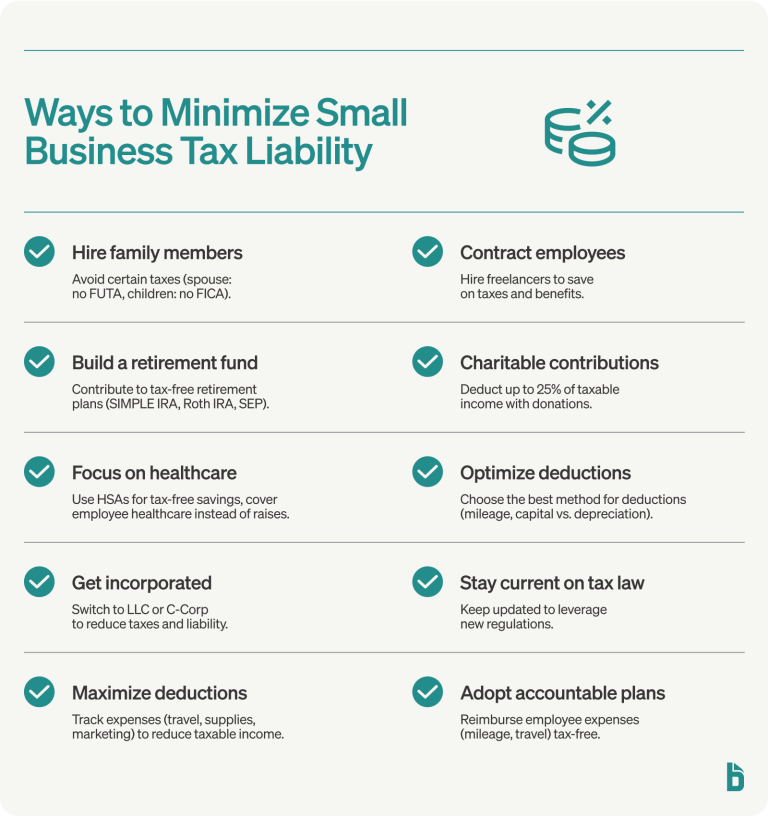 How to Avoid Taxes As a Small Business Owner: Legal Strategies
 What is the Meaning of Small Business Entrepreneurship: Explained
 What to Do If a Small Business Scams You: Essential Steps