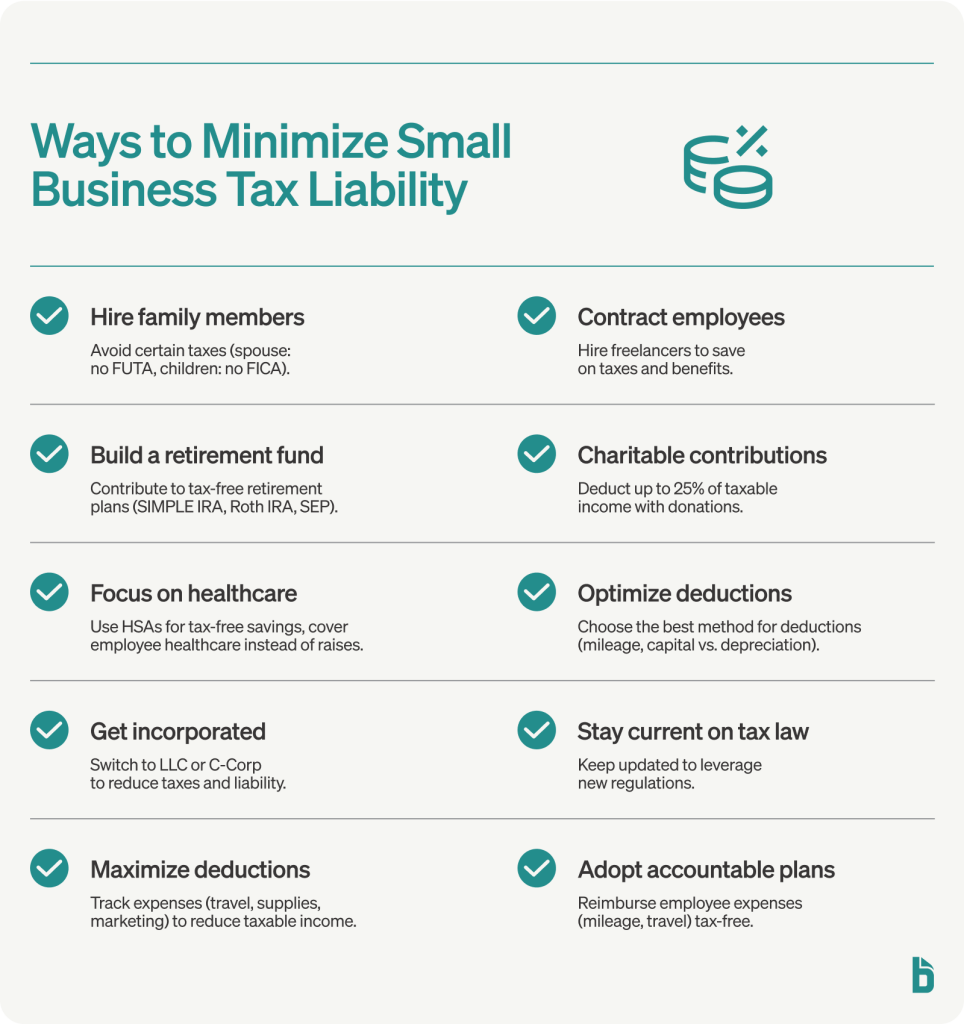
As a small business owner, managing your finances can feel overwhelming, especially when tax season rolls around. You work hard to grow your business, so why should you pay more taxes than necessary?
Understanding how to avoid unnecessary taxes is crucial for keeping more of your hard-earned money. You’ll discover practical strategies that can help you reduce your tax burden legally. These tips are designed specifically for you, the small business owner, to maximize your savings and reinvest in your business.
Keep reading to unlock the secrets that can help you keep more cash in your pocket.
Tax Deductions For Small Businesses
Tax deductions help small business owners save money. They reduce the amount of income that is taxed. Understanding these deductions is key for financial health. Let’s explore some common deductions that can benefit your business.
Common Business Expenses To Claim
Many expenses qualify as tax deductions. These include costs like supplies, utilities, and rent. You can also deduct salaries and wages for your employees. Insurance premiums for your business are deductible too. Don’t forget about business-related education and training costs.
Marketing and advertising expenses also count. These can include online ads, print materials, and more. Equipment purchases may qualify for deductions as well. Keep track of all receipts to support your claims. Documenting these expenses helps during tax season.
Home Office Deduction Tips
Many small business owners work from home. The home office deduction can save you money. To qualify, you must use a specific area for work. This space should be used only for business activities.
Calculate the size of your office in relation to your home. This ratio helps determine your deduction amount. You can also deduct a portion of utilities and internet costs. Keep good records of your home-related expenses.
Vehicle And Travel Expense Strategies
If you use your vehicle for business, track your mileage. You can choose between standard mileage rates or actual expenses. Keep a log of business trips and their purpose. This record will help support your deduction claims.
Travel expenses for business trips are also deductible. This includes airfare, hotel stays, and meals. Make sure to keep all receipts for these costs. Business travel must be necessary and directly related to your work.
Leveraging Business Structure
Leveraging your business structure is a powerful strategy for small business owners looking to minimize their tax burden. The type of business entity you choose can significantly affect how much you pay in taxes and what deductions you can claim. Understanding the various structures available can empower you to make informed decisions that benefit your bottom line.
Choosing Between Llc, S-corp, And C-corp
Choosing the right business structure is crucial. An LLC (Limited Liability Company) offers flexibility and personal liability protection. You can report profits directly on your personal tax return, avoiding double taxation.
An S-Corp allows for pass-through taxation, meaning the business itself does not pay federal income tax. Instead, profits and losses pass through to your personal tax return. This can save you money, especially if you are paying yourself a reasonable salary.
C-Corps, on the other hand, face double taxation. The corporation pays taxes on its income, and you pay taxes again on dividends. However, they offer benefits like unlimited growth potential and various tax-deductible business expenses.
Tax Benefits Of Sole Proprietorships
Sole proprietorships are the simplest structure with minimal paperwork. You report your business income on your personal tax return, which simplifies your tax process. However, you are personally liable for all debts, which can be risky.
One significant tax benefit is the ability to deduct business expenses directly. This includes things like home office costs, travel, and equipment. By keeping detailed records, you can reduce your taxable income effectively.
Partnership Tax Considerations
In a partnership, profits and losses are shared among partners, which can provide tax advantages. Each partner reports their share of the income on their personal tax return, leading to potential savings. You can also deduct business expenses, just like in a sole proprietorship.
However, you need to be aware of self-employment taxes. Each partner may need to pay these taxes on their share of the income. It’s essential to evaluate how these taxes will impact your overall income.
Have you considered how your current business structure affects your tax situation? Making the right choice can lead to significant savings and peace of mind as you grow your business.
Maximizing Retirement Contributions
Small business owners can reduce taxes by maximizing retirement contributions. Setting up plans like a SEP IRA or Solo 401(k) allows for higher contributions. This not only helps save for retirement but also lowers taxable income. Taking advantage of these options can lead to significant savings over time.
Maximizing retirement contributions is a smart strategy for small business owners looking to reduce their taxable income while saving for the future. By investing in retirement accounts, you can benefit from tax-deferred growth and take advantage of generous contribution limits. Let’s dive into how you can set up these accounts and optimize your savings.Setting Up Sep Iras And Solo 401(k)s
Setting up a Simplified Employee Pension (SEP) IRA or a Solo 401(k) can be a game changer for your retirement savings. A SEP IRA is simple to establish. As a small business owner, you can contribute up to 25% of your net earnings, with a maximum of $66,000 for 2023. This allows you to put away a significant amount while lowering your taxable income. On the other hand, a Solo 401(k) offers even higher contribution limits. You can contribute both as an employee and an employer, allowing for total contributions of up to $73,500 if you’re age 50 or older. Setting up either of these accounts can be done quickly through most financial institutions.Tax-deferred Growth Benefits
One of the standout benefits of these retirement accounts is tax-deferred growth. This means your investments can grow without being taxed until you withdraw them in retirement. Consider this: if you invest $10,000 today and it grows at an average annual rate of 7%, in 20 years, you could have over $38,000. By deferring taxes, you keep more money working for you over time. This strategy not only helps you save for retirement but also means you pay less in taxes now. Who wouldn’t want to keep more of their hard-earned money?Contribution Limits To Optimize Savings
Understanding contribution limits is essential for maximizing your savings. For a SEP IRA, contributions can reach up to $66,000 in 2023, allowing you to put away a considerable amount for retirement. In a Solo 401(k), if you’re under 50, you can contribute up to $22,500 as an employee and another $66,000 as the employer, totaling $88,500. If you’re over 50, the catch-up contributions increase your limits even more. Always check for annual updates on these limits. Staying informed ensures you can take full advantage of your retirement contributions and minimize your taxable income effectively. Are you making the most of your retirement contributions? It’s time to take action and secure your financial future while lowering your tax bill.
Credit: www.amazon.com
Utilizing Tax Credits
Utilizing tax credits is an excellent way for small business owners to reduce their tax burden. Tax credits lower the amount of tax owed. They can lead to significant savings. Understanding available credits is crucial.
Energy-efficient Business Credits
Energy-efficient business credits help companies save money. These credits reward businesses that invest in eco-friendly upgrades. Installing solar panels or energy-efficient HVAC systems can qualify. These improvements lower energy costs and benefit the environment.
Claiming these credits can reduce taxable income. It’s essential to document the upgrades and expenses. Check local and federal programs for available credits. The savings can be substantial.
R&d Tax Credit Opportunities
The Research and Development (R&D) tax credit encourages innovation. Small businesses can benefit from this credit by investing in new products. Companies that develop or improve processes may qualify.
Documenting R&D activities is vital. Keep records of expenses related to research. This includes wages, supplies, and contract research costs. These credits can significantly lower tax liability.
Work Opportunity Tax Credit Benefits
The Work Opportunity Tax Credit (WOTC) supports hiring from certain groups. Businesses can receive tax credits for hiring veterans or individuals from underserved communities. This program helps reduce unemployment while benefiting your bottom line.
Employers must apply for WOTC certification. This process ensures eligibility for the credit. Hiring from these groups can lead to valuable tax savings. It’s a win-win for businesses and communities.
Timing Income And Expenses
Timing your income and expenses can help lower your taxes. Small business owners can plan these elements carefully. This strategy allows for better financial management. It can also create tax advantages.
Deferring Income For Tax Advantages
Deferring income means delaying your earnings to the next tax year. This can lower your current year’s taxable income. You can achieve this by delaying invoices or payments. This way, you keep more money in your business for now.
Review your expected income. If you anticipate higher earnings next year, defer income. This keeps your tax rate lower. It also helps with cash flow. Always check the tax implications before making these decisions.
Accelerating Expenses Before Year-end
Accelerating expenses means paying for them before the year ends. This reduces your taxable income for the current year. Consider buying supplies or equipment in December. Prepaying certain expenses can also work well.
Look for any upcoming bills. Pay them early to maximize deductions. This can lower your tax burden. It gives you immediate financial relief. Keep track of all expenses to make this strategy effective.
Using Depreciation To Lower Taxable Income
Depreciation allows you to spread out the cost of big purchases over time. This can include equipment or vehicles. Instead of deducting the full cost in one year, take smaller deductions each year.
Use the Modified Accelerated Cost Recovery System (MACRS) for faster deductions. This can significantly lower your taxable income. Review your assets regularly. Identify items that can depreciate. This ensures you take full advantage of tax deductions.
Hiring Family Members
Hiring family members can be a smart move for small business owners. It offers both personal and financial benefits. You can trust your family. They understand your business goals. This can lead to a strong work ethic and loyalty.
Employing family can help reduce your tax burden. You need to know how to take advantage of this opportunity. Understanding the tax benefits is essential. Let’s explore these benefits and strategies.
Tax Benefits Of Employing Family
Employing family members can provide significant tax benefits. You can deduct their wages as business expenses. This reduces your overall taxable income. Lower taxable income means lower taxes.
Family members may also qualify for special tax breaks. For example, hiring your children can allow for tax-free income. This can be a great way to teach them about work and money.
Payroll Tax Savings Strategies
Payroll taxes can add up quickly. Hiring family members can help you save on these taxes. Family members may be exempt from certain payroll taxes. This depends on their age and relationship to you.
Consider employing your children under 18. They may not be subject to Social Security and Medicare taxes. This can lead to significant savings over time. You can also pay them a reasonable salary.
Setting Competitive Salaries
Setting competitive salaries is important. Pay family members a fair wage for their work. This helps avoid IRS scrutiny. Document their roles and responsibilities clearly.
Research market rates for similar positions. Make sure your salaries align with these rates. This shows that you are paying fair compensation.
Consider performance-based bonuses. This can motivate family members. It also keeps your payroll aligned with business performance.
Health Insurance And Medical Expenses
Health insurance and medical expenses can be a burden. As a small business owner, you have options. Taking advantage of these can help reduce your tax bill. Understanding these options is essential for saving money.
Reimbursing Health Costs Through Hras
A Health Reimbursement Arrangement (HRA) lets you reimburse health costs. This includes premiums and out-of-pocket expenses. You can set aside pre-tax dollars for these costs. This reduces your taxable income. You can offer this to your employees too.
HRAs are flexible. They allow you to control costs. You decide how much to reimburse. This gives you better management over health expenses.
Small Business Health Insurance Tax Credit
The Small Business Health Insurance Tax Credit helps small businesses. It lowers the cost of health insurance for employees. You might qualify for this credit if you meet specific criteria.
To qualify, your business must have fewer than 25 full-time employees. Average wages must be below a certain limit. This credit can cover up to 50% of premiums. It can significantly reduce your overall health costs.
Deducting Medical Expenses As A Business Owner
You can deduct some medical expenses as a business owner. This includes premiums for health insurance. You can also deduct long-term care insurance premiums. These deductions lower your taxable income.
Keep careful records of all medical expenses. This includes receipts and invoices. Accurate records help in claiming deductions. Consider consulting a tax professional for guidance.

Credit: www.linkedin.com
Record-keeping Best Practices
Keeping good records helps small business owners avoid unnecessary taxes. Track all income and expenses carefully. Use simple tools like spreadsheets or apps to stay organized. Regular updates ensure accurate information for tax time, making filing easier and less stressful.
Keeping accurate records is essential for small business owners aiming to manage their taxes effectively. Good record-keeping practices not only help you track your finances but also ensure that you can take advantage of tax deductions. Let’s dive into some best practices that will simplify your record-keeping and make tax time less stressful.Tracking Expenses With Software Tools
Using software tools can streamline how you track your expenses. Programs like QuickBooks or FreshBooks allow you to categorize expenses easily. You can link your bank account and automatically import transactions. This saves time and reduces errors. Consider setting aside a few minutes each week to update your records. Regular updates prevent the end-of-year scramble.Organizing Receipts And Invoices
Keeping your receipts and invoices organized is crucial. A cluttered space can lead to lost documents and missed deductions. Set up a filing system, either digitally or physically. Use folders labeled by month or category, like “Utilities” or “Supplies.” Scanning receipts and saving them on cloud storage ensures they are safe and easy to access. You won’t have to sift through piles of paper come tax time.Preparing For Irs Audits
Preparing for an IRS audit starts with thorough record-keeping. Keep all financial documents for at least three years. This includes bank statements, invoices, and receipts. Create a checklist of documents you need for an audit. Regularly review your records to ensure everything is accurate. If you ever face an audit, having organized records will give you peace of mind. Being prepared can turn a stressful situation into a manageable one. Every small business owner should prioritize good record-keeping. It can save you time, money, and headaches in the long run. How will you improve your record-keeping practices today?Working With Tax Professionals
Tax time can be stressful for small business owners. Working with tax professionals can help ease that stress. These experts know the rules and can save you money. They can guide you through the maze of tax laws. Their advice is crucial for your business success.
Finding A Small Business Tax Expert
Finding the right tax expert is important. Look for someone who specializes in small businesses. Check their credentials and experience. Ask for referrals from other business owners. Meet with them to discuss your needs. Make sure you feel comfortable with their approach.
Benefits Of Regular Tax Consultations
Regular tax consultations can help your business grow. You will stay informed about tax changes. These meetings can help you plan for the future. A tax expert can provide strategies to reduce your tax burden. They can also help you prepare for audits.
Avoiding Costly Filing Errors
Filing errors can be expensive. A tax professional can help avoid these mistakes. They understand the forms and deadlines. Their knowledge minimizes the risk of errors. This can save you money and stress in the long run.

Credit: www.amazon.com
Frequently Asked Questions
How Can Small Businesses Reduce Their Tax Burden?
Small businesses can reduce their tax burden through various strategies. These include taking advantage of deductions, tax credits, and retirement plan contributions. Keeping detailed records of expenses is crucial. Consulting a tax professional can also help identify additional savings opportunities tailored to your business.
What Are Common Tax Deductions For Small Businesses?
Common tax deductions for small businesses include operational expenses, salaries, and home office costs. Equipment and vehicle expenses can also be deducted. Additionally, marketing and travel expenses are often eligible. Understanding these deductions can significantly lower your taxable income.
Is It Legal To Avoid Taxes As A Business?
Yes, it is legal to minimize tax liability through strategic planning. This involves utilizing available deductions, credits, and exemptions. However, tax evasion, which involves illegal methods, is against the law. Always ensure that your tax strategies comply with current regulations.
Can I Deduct My Home Office Expenses?
Yes, you can deduct home office expenses if you qualify. The space must be used exclusively for business purposes. Eligible expenses include utilities, internet, and repairs. Keeping accurate records is essential to substantiate these deductions during tax filings.
Conclusion
Tax planning is crucial for small business owners. Understanding deductions and credits helps reduce tax burdens. Keeping accurate records saves time and money. Seek advice from tax professionals when needed. They can provide tailored strategies for your business. Staying informed about tax laws is essential.
This knowledge empowers you to make smart decisions. Save more and grow your business. Avoiding taxes is not about evasion. It’s about smart planning and compliance. With the right approach, you can navigate taxes effectively. Your hard work deserves to be rewarded.
 What is the Meaning of Small Business Entrepreneurship: Explained
 What to Do If a Small Business Scams You: Essential Steps
 How to Start a Small Business Step by Step: Ultimate Guide