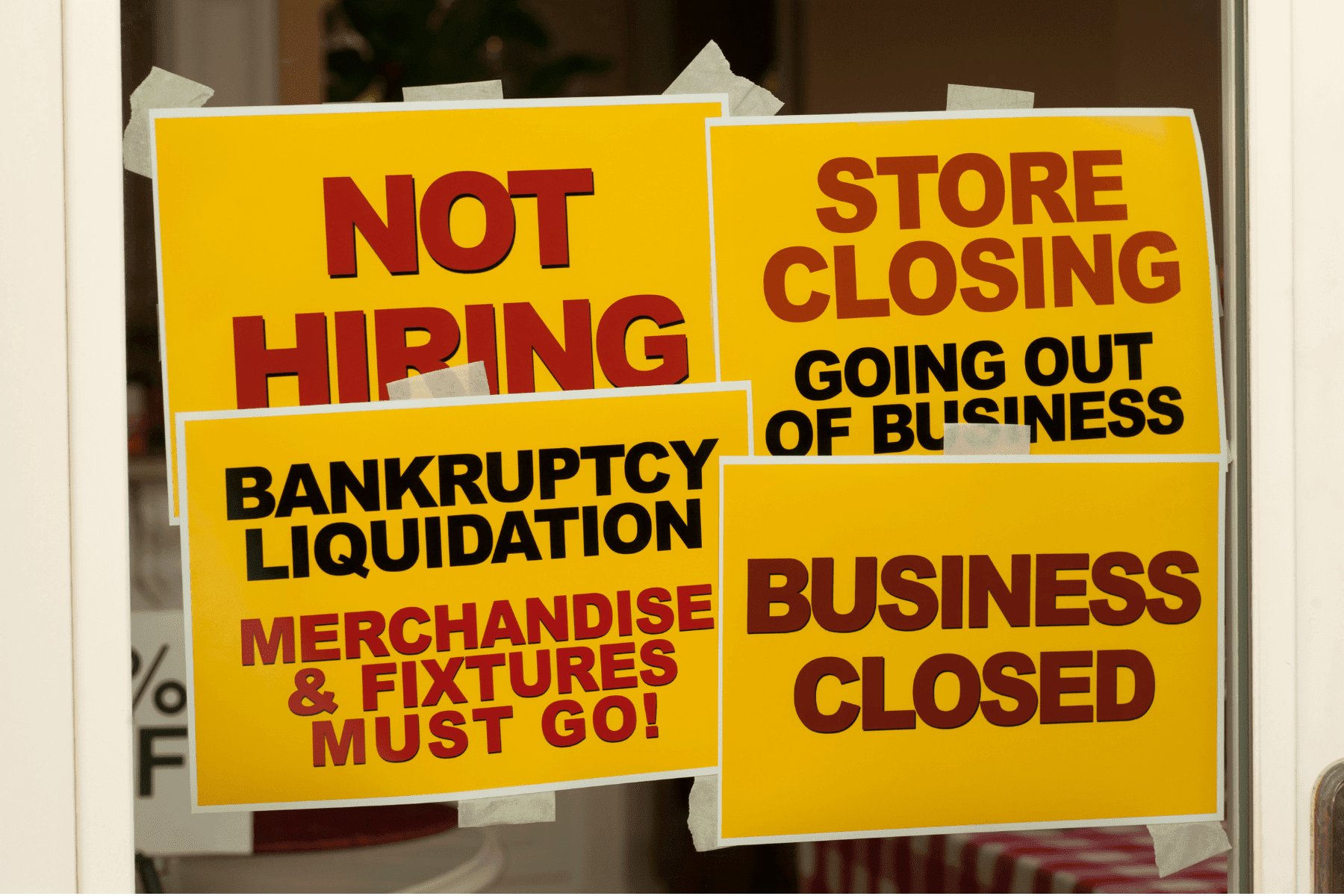
If you own a small business, the thought of liquidation can be daunting. You might be wondering what it means for your future and the hard work you’ve put in.
Liquidation is more than just closing your doors; it involves a complex process that affects you, your employees, and your customers. We will break down what happens when a small business goes into liquidation. You’ll learn about the steps involved, the impact on your assets, and how it might affect your personal finances.
Understanding this process can help you make informed decisions, whether you’re facing tough times or simply want to be prepared. Stick with us, and we’ll equip you with the knowledge you need to navigate this challenging situation.
Reasons For Business Liquidation
Liquidation happens for many reasons. Understanding these reasons helps owners and employees. They can see the signs early. Some causes are more common than others.
Financial Difficulties
Many businesses face financial troubles. High debts can crush a small business. Low sales make it hard to pay bills. Poor cash flow leads to missed payments. These problems pile up over time.
Poor Management
Bad management can sink a business. Decisions may not align with market needs. Lack of planning causes confusion. Teams may not work well together. Poor leadership leads to missed opportunities.
Market Changes
Markets can change quickly. New trends can make products outdated. Competitors may offer better options. Changes in consumer behavior affect sales. Small businesses must adapt or face liquidation.
Legal Issues
Legal troubles can be costly. Lawsuits drain finances and time. Regulatory fines add extra pressure. Small businesses may struggle to keep up with laws. Legal problems can lead to forced liquidation.
Lack Of Demand
Sometimes, products or services lose appeal. Customers may prefer alternatives. Economic downturns reduce spending. A lack of demand can force businesses to close. This often leads to liquidation.
Increased Competition
More competitors can hurt a small business. New players may enter the market. They often offer lower prices or better quality. This can drive customers away. It may lead to financial losses.
Types Of Liquidation
Liquidation occurs when a business must close and sell its assets. It can happen for various reasons. Understanding the types of liquidation is important for business owners and stakeholders. Each type has its own process and implications. Here, we explore the two main types of liquidation: voluntary and compulsory.
Voluntary Liquidation
Voluntary liquidation happens when a business decides to close. Owners may choose this path for many reasons. They might face financial problems or want to retire. The process begins with a meeting among shareholders. They vote on the decision to liquidate.
In voluntary liquidation, the company’s assets are sold off. A licensed liquidator is appointed to manage the process. The liquidator ensures that debts are paid. Any remaining funds are distributed among shareholders. This type can be less stressful than compulsory liquidation.
Compulsory Liquidation
Compulsory liquidation is different. It is usually forced by creditors. Creditors may apply to the court for a winding-up order. This order means the business must close. The court appoints a liquidator to oversee the process.
In compulsory liquidation, the liquidator takes control of the business. They sell the company’s assets to repay debts. This process can be quick and harsh for owners. It often results in losing control over the business.
The Liquidation Process
Liquidation happens when a small business can no longer pay its debts. Assets are sold to pay creditors. This process can lead to closure, leaving employees and owners facing uncertainty.
The liquidation process can be a daunting journey for any small business owner. It marks the end of an entrepreneurial dream, but understanding the steps involved can help you navigate this challenging time. Here’s a closer look at what happens during the liquidation process, focusing on the key stages that every business owner should be aware of.Appointing A Liquidator
One of the first steps in the liquidation process is appointing a liquidator. This person or firm takes charge of winding up the business’s affairs. A liquidator is responsible for selling off assets and managing the distribution of funds. Choosing the right liquidator is crucial. Look for someone with a solid reputation and experience in your industry. Their expertise can significantly influence how smoothly the process unfolds.Assessing Business Assets
Once a liquidator is appointed, they will assess your business assets. This includes everything from equipment and inventory to intellectual property. Understanding the total value of your assets is essential. It determines how much money will be available to pay off creditors. You might be surprised by the worth of some items. For instance, old equipment can sometimes fetch more than expected at auction. The assessment process can be emotional. It forces you to confront the reality of your business’s situation, but clarity here can help with future planning.Paying Off Creditors
After assessing assets, the next step is paying off creditors. The liquidator will create a priority list based on the types of debts your business owes. Secured creditors often get paid first, followed by unsecured creditors. This process can be complex and time-consuming. You might wonder what happens if there are not enough funds to cover all debts. Unfortunately, in many cases, some creditors may end up receiving only a fraction of what they are owed. Being transparent with creditors during this time can maintain your business’s reputation. Open communication can go a long way in preserving relationships for the future. Navigating the liquidation process is challenging, but understanding each step can help you make informed decisions. How will you approach this difficult time?
Credit: www.matthewsandmegna.com
Impact On Business Owners
Liquidation is tough for small business owners. It marks the end of hard work. Emotions run high during this time. Understanding the impact is crucial.
Financial Consequences
Liquidation often leads to heavy financial losses. Owners may lose their investment. Savings can vanish overnight. Personal assets might also be at risk.
Many owners face debts after liquidation. Credit scores may drop significantly. This can affect future borrowing. Starting a new business becomes harder.
Some owners might not recover financially for years. It can take time to rebuild. Future opportunities may feel limited. The financial burden is heavy.
Personal Liability Risks
Business owners face personal liability risks in liquidation. If the business is a sole proprietorship, personal assets are at risk. Homes, cars, and savings could be affected.
In cases of wrongdoing, liability increases. Owners may face lawsuits. This can lead to more financial strain.
Understanding the structure of the business helps. Limited liability companies (LLCs) offer some protection. Yet, personal guarantees can still expose owners.
In a tough situation, seek legal advice. Knowing rights and options is vital. Protecting personal finances should be a priority.
Effects On Employees
The liquidation of a small business can deeply affect its employees. Job loss creates uncertainty and stress. Understanding what happens during this process is crucial for workers. They need to know their rights and what to expect.
Termination Of Employment
When a business goes into liquidation, employees face termination. Their jobs will end as the company shuts down. This can happen quickly. Workers often receive little notice. Many may feel shocked and unprepared.
Terminations can vary by role and length of service. Some employees may get a final paycheck. Others may not. The lack of communication adds to the anxiety. Workers should seek information from management or legal advisors.
Entitlements And Compensation
Employees may have certain entitlements during liquidation. They might receive severance pay. This payment depends on their contract and local laws. Workers often have rights to unpaid wages. They should check their employment agreements.
Compensation claims can be complex. Employees should gather all necessary documents. This includes pay stubs and contracts. Knowing their rights helps workers claim what they deserve. Seeking legal advice can clarify any questions.
:max_bytes(150000):strip_icc()/exitstrategy.asp-final-a77bf1dc9e9c48f980c294b77ef1ef7e.png)
Credit: www.investopedia.com
Impact On Creditors
When a small business goes into liquidation, creditors face many challenges. Their financial interests are at stake. Understanding how liquidation affects them is crucial. Creditors can be categorized into two main groups: secured and unsecured. Each group experiences different impacts during the liquidation process.
Secured Creditors
Secured creditors hold collateral for the money they lent. This means they have a claim on specific assets. In liquidation, they often recover more than unsecured creditors. Their rights are stronger due to the collateral. They may take the assets they secured. This can include equipment, property, or inventory.
In many cases, secured creditors get paid first. They may receive a percentage of what they are owed. The amount depends on the value of the secured assets. If the assets sell for less than the debt, the creditor may still lose money. This can create tension between secured and unsecured creditors.
Unsecured Creditors
Unsecured creditors do not have collateral. They lent money without taking any assets as security. In liquidation, they face a tough situation. Often, they receive little to no payment. The business’s remaining assets go to secured creditors first.
Unsecured creditors may include suppliers, service providers, and customers. They are last in line to be paid. Sometimes, they may receive a small fraction of what they are owed. This can lead to financial loss and uncertainty for them. They must decide how to handle these losses and future risks.
Legal And Financial Implications
When a small business goes into liquidation, it faces serious legal and financial effects. Owners must navigate laws and obligations. Understanding these implications is crucial for anyone involved.
Compliance With Regulations
Liquidation requires strict compliance with legal regulations. Each country has specific laws governing the process. Business owners must follow these rules carefully. Failure to comply can lead to penalties.
A liquidator oversees the process. This person ensures all legal steps are followed. They handle asset distribution and creditor payments. The liquidator must act fairly and transparently.
Tax Obligations During Liquidation
Tax responsibilities do not end during liquidation. Business owners must settle any outstanding taxes. This includes income tax, sales tax, and payroll tax. Ignoring these obligations can lead to fines.
The liquidator will review all financial records. They ensure that taxes are paid before asset distribution. It is crucial to keep accurate records during this time. This helps avoid future tax issues.
Alternatives To Liquidation
Small businesses facing financial trouble can explore options other than liquidation. Alternatives include restructuring debt or seeking new investors. These paths can help save the business and preserve its value while avoiding the costs and complications of liquidation.
Liquidation might seem like the only option for a struggling small business, but there are alternatives that can help you regain stability. Understanding these alternatives can save your business and preserve your hard work. Let’s look at two effective options: restructuring the business and negotiating with creditors.Restructuring The Business
Restructuring involves making significant changes to your business operations and financial structure. This could mean cutting unnecessary costs, streamlining processes, or even changing your business model. Consider a local café that faced declining sales. Instead of shutting down, they revamped their menu and shifted focus to catering and events. This pivot not only attracted new customers but also increased revenue. Evaluate your current operations. Are there areas where you can reduce expenses? Think about the potential for new revenue streams. Explore partnerships or collaborations that can bring fresh opportunities.Negotiating With Creditors
Negotiating with creditors is another powerful alternative to liquidation. Open communication can lead to flexible repayment plans or even reduced debt amounts. Imagine facing overwhelming debt with multiple creditors. Instead of feeling defeated, you can reach out to each creditor to discuss your situation. Many may be willing to work with you rather than risk losing their investment entirely. Prepare a clear plan before you start these discussions. Show your creditors how you intend to regain financial health. Be honest about your financial situation. Transparency can build trust and increase the likelihood of favorable terms. These alternatives to liquidation not only provide a chance to save your business but also can strengthen your relationships with creditors and partners. What steps will you take to explore these options further?Lessons Learned From Liquidation
Liquidation can teach valuable lessons to small business owners. It reveals the risks of poor financial decisions. Understanding these lessons can help prevent future failures. Here are some key insights.
Avoiding Financial Mismanagement
Financial mismanagement is a common cause of liquidation. Keeping accurate financial records is essential. Regularly reviewing cash flow helps identify issues early. Small businesses should create a budget and stick to it.
Control expenses. Unnecessary spending can quickly drain resources. Prioritize essential costs to keep operations running smoothly. Seek professional advice if financial problems arise. Early intervention can save a struggling business.
Planning For Business Sustainability
Sustainability is crucial for long-term success. A solid business plan lays the foundation for growth. Set realistic goals and assess market demands. Adapt to changes in the business environment.
Build an emergency fund. This can cover unexpected expenses. Diversify income streams to reduce risks. Explore new markets or products to attract different customers. A flexible approach can help businesses thrive.
Credit: insuregood.org
Frequently Asked Questions
What Is Liquidation For A Small Business?
Liquidation is the process of selling a business’s assets to pay off debts. It occurs when a company cannot continue operating due to financial issues. In this process, assets are valued and sold, and the proceeds are distributed to creditors.
Ultimately, the business ceases operations.
How Does Liquidation Affect Employees?
When a small business goes into liquidation, employees may lose their jobs. They will receive information about redundancy and final payments. Employees may also be entitled to claim unpaid wages from the government. Support services may be available to help them transition to new employment opportunities.
What Are The Steps In The Liquidation Process?
The liquidation process involves several key steps. First, a liquidator is appointed to oversee the process. Next, the business’s assets are assessed and sold. Creditors are then paid from the proceeds. Finally, the company’s registration is dissolved, and it ceases to exist.
Can A Business Recover After Liquidation?
Typically, a business cannot recover after liquidation. Once a company is liquidated, it is formally closed, and its debts are settled. However, business owners may start a new venture after liquidation. They can learn from past mistakes to build a more sustainable business model.
Conclusion
Liquidation can be a tough process for any small business. It often means selling off assets and closing down operations. Business owners face many challenges during this time. Understanding these challenges helps in making informed decisions. Seeking professional advice can ease the burden.
Knowing the steps involved in liquidation is crucial. This knowledge can guide you through difficult times. Every business owner should be prepared for all outcomes. Being aware of the implications of liquidation is essential for future planning. Taking time to learn can make a difference.
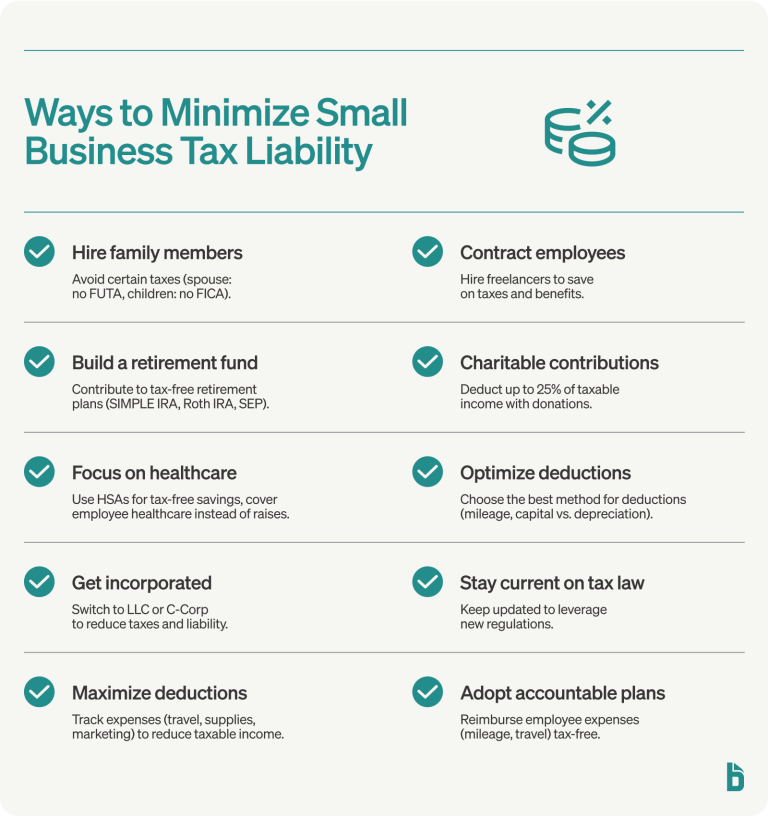 How to Avoid Taxes As a Small Business Owner: Legal Strategies
 What is the Meaning of Small Business Entrepreneurship: Explained
 What to Do If a Small Business Scams You: Essential Steps