When it comes to running a small business, every detail matters, including your tax records. You might wonder: how long should you keep these important documents?
Keeping them for too long can clutter your workspace, while tossing them too soon could lead to trouble with the IRS. You don’t want to face penalties or miss out on potential deductions. You’ll discover the ideal timeframes for retaining your tax records, along with tips on organizing them efficiently.
By understanding the rules and best practices, you can protect your business and ensure you’re prepared for any financial scrutiny. Keep reading to find out exactly how long you should keep your small business tax records—and why it matters for your peace of mind.
Importance Of Keeping Tax Records
Keeping your tax records organized is more than just a good habit; it’s essential for your small business. These documents can save you time, money, and stress during tax season. Understanding the importance of keeping these records will help you maintain compliance and make informed financial decisions.
Financial Clarity
Tax records provide a clear picture of your business’s financial health. They help you track income, expenses, and profits. This clarity is vital for making informed decisions about investments and growth.
Tax Compliance
Staying compliant with tax laws is crucial. The IRS requires you to keep records for several years. Failing to maintain these documents can lead to penalties and fines.
Audit Preparedness
No one wants to be audited, but being prepared can make a significant difference. If the IRS questions your returns, having your records organized will streamline the process. You can respond quickly and accurately, reducing stress and potential penalties.
Claim Deductions
Keeping thorough tax records allows you to claim all eligible deductions. Missing out on deductions can mean paying more than necessary. Ensure you have receipts and documentation for all business expenses to maximize your tax benefits.
Future Planning
Tax records can inform your future business strategies. Analyzing past data helps identify trends and areas for improvement. You can make more strategic decisions for growth and sustainability.
Have you ever faced a situation where missing records led to a financial loss? Keeping your tax records organized can prevent such pitfalls. Taking the time to maintain these documents will pay off in the long run.
Recommended Timeframes For Record Retention
Keeping tax records is crucial for small businesses. Knowing how long to keep them helps you stay organized. It also keeps you compliant with the law. Here are the recommended timeframes for different types of records.
Tax Returns
Keep your tax returns for at least three years. This is the standard period for audits. If you underreport your income, keep them for six years. Always save copies of your filed returns.
Supporting Documents
Supporting documents include receipts and invoices. Keep them for three years as well. They back up your tax returns. If you have a large deduction, save these documents for six years.
Payroll Records
Payroll records are vital for your business. Keep these for at least four years. This timeframe covers federal and state requirements. It also helps if you face an audit.
Business Expenses
Records of business expenses should be kept for three years. This includes bills, receipts, and bank statements. These documents support your tax deductions.
Asset Records
Keep records related to business assets for seven years. This includes purchase receipts and depreciation schedules. These documents help in case of audits or asset sales.
Corporate Records
For corporations, keep corporate records indefinitely. This includes meeting minutes and bylaws. These documents are important for legal reasons.
Types Of Records To Keep
Keeping accurate tax records is vital for your business. Knowing which records to save helps you stay organized. It also ensures you meet legal requirements. Let’s explore the key types of records you should keep.
Income And Expense Records
Track all income sources. This includes sales, services, and any other revenue. Save invoices, receipts, and bank statements. These documents show how much money came in.
Also, keep records of all expenses. This includes rent, utilities, and supplies. Save receipts for every purchase. These records help you understand your spending. They also support your tax deductions.
Payroll Documents
Maintain payroll records for every employee. Include timesheets, pay stubs, and tax forms. These documents are essential for tax purposes. They help you report wages and withholdings accurately.
Keep records of employee benefits and deductions. This includes health insurance and retirement plans. These documents support your payroll tax calculations.
Tax Returns And Supporting Documents
Save copies of your tax returns for at least three years. This includes federal, state, and local tax returns. Keep all supporting documents, like W-2s and 1099s. These documents help verify your tax filings.
Store records of any correspondence with tax authorities. This includes letters and notices. These documents can be important for future reference.

Credit: www.instagram.com
Legal Requirements And Audit Considerations
Knowing how long to keep small business tax records is crucial. Legal requirements guide this process. Keeping the right documents helps during audits. Understanding these rules can save you time and money.
Irs Guidelines
The IRS has specific rules about record retention. Generally, keep records for at least three years. This period applies to most tax returns. If you claim a loss on a bad debt, keep records for seven years.
State Requirements
Each state has its own rules. Some states require longer retention periods. Check your state’s regulations for specific guidelines. This ensures compliance and avoids penalties.
Audit Considerations
Audits can happen at any time. Keeping records for longer is a smart choice. If the IRS audits you, having documents ready helps. It shows you are organized and compliant.
Maintain all tax returns and supporting documents. Include W-2s, 1099s, and receipts. Keep bank statements and invoices as well. These documents support your income and expenses.
Digital records can save space and reduce clutter. Ensure they are backed up regularly. Paper records should be stored securely. Protect them from damage and unauthorized access.
Digital Vs. Paper Records
Small businesses should keep tax records for at least three to seven years. Digital records are easier to manage and search. Paper records can be bulky but may be necessary for certain documents. Choose what works best for your business needs.
Managing tax records for your small business can feel overwhelming, especially when deciding between digital and paper storage. Each method has its unique advantages and challenges. Understanding these differences can help you make an informed choice that suits your needs.Benefits Of Digital Storage
Digital storage offers convenience and efficiency. You can access your records from anywhere, anytime. This flexibility is especially useful if you travel often or work remotely. Storing records digitally minimizes the risk of physical damage. A fire or flood can destroy paper documents, but digital files can be backed up in multiple locations. Cloud storage solutions offer additional security against data loss. Additionally, digital files are easier to organize. You can categorize documents with simple folders and search functions. This saves time during tax season and allows for quick retrieval of necessary information.Tips For Organizing Paper Records
If you prefer paper records, organization is key. Start by sorting documents into clear categories such as receipts, invoices, and tax returns. Use labeled folders or binders to keep everything tidy. Consider implementing a regular review schedule. Set aside time every few months to go through your paper records. This helps you discard outdated documents and ensures you keep what’s necessary. Create a filing system that makes sense to you. Whether it’s chronological, by project, or by vendor, find a method that allows for easy access. The easier it is to find what you need, the less stress you’ll experience come tax time. Which system do you think would work best for you?
Credit: www.instagram.com
When To Safely Dispose Of Records
Knowing when to dispose of tax records is important. Keeping records too long can create clutter. Disposing of them at the right time helps protect your business. It also ensures you follow legal requirements.
Shredding Physical Documents
Shredding physical documents is a smart choice. It keeps sensitive information secure. Use a cross-cut shredder for better protection. This type of shredder cuts paper into tiny pieces. It makes it hard for anyone to read your documents.
Dispose of documents that are older than seven years. This includes old tax returns and receipts. Always check local laws for specific requirements.
Deleting Digital Files Securely
Deleting digital files requires care. Simply moving files to the recycle bin is not enough. Use file-shredding software to permanently delete them. This software ensures files cannot be recovered easily.
Follow the same seven-year rule for digital records. This includes emails and electronic receipts. Regularly review and delete files you no longer need.
Tips For Effective Record Management
Keeping tax records organized is crucial for small businesses. Generally, hold onto your records for at least seven years. This timeframe covers audits and other inquiries. Always stay informed about local laws, as they may vary. Efficient record management helps ensure your business stays compliant and ready for any situation.
Managing your small business tax records effectively is crucial for both compliance and financial health. With the right strategies, you can keep your records organized and accessible. Here are some practical tips to help you streamline your record management process.Using Accounting Software
Investing in accounting software can save you time and reduce stress. These tools automate many tasks, making it easier to track your income and expenses. You can categorize transactions, generate reports, and even store digital copies of documents. Look for software that offers features like cloud storage and mobile access. This way, you can manage your records on the go. Consider popular options like QuickBooks or FreshBooks. Their user-friendly interfaces make it simple to stay organized.Creating A Record Retention Schedule
A record retention schedule helps you know what to keep and when to dispose of it. Start by listing all types of documents you collect, such as receipts, invoices, and tax returns. Determine how long you need to keep each document. The IRS generally recommends retaining tax records for three to seven years, depending on the situation. Create a simple calendar or spreadsheet to track when each document can be disposed of. This proactive approach will save you from future clutter. Regularly review your schedule to ensure it meets your business needs. You might discover that certain documents require longer retention due to specific regulations. Have you ever lost a crucial document? Taking these steps can prevent that frustrating experience. Keep your records safe and accessible, and your business will benefit in the long run.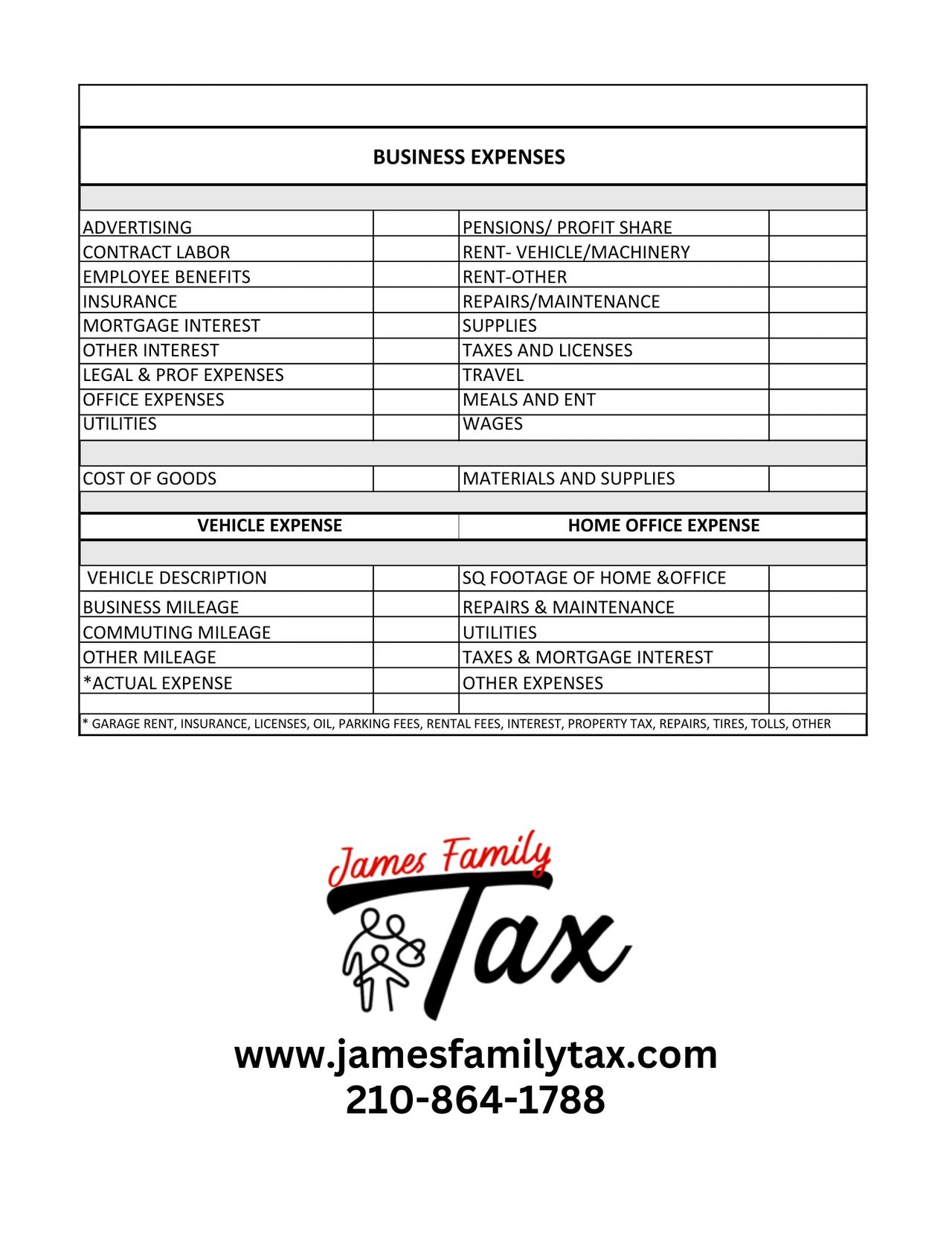
Credit: jamesfamilytax.com
Frequently Asked Questions
How Long To Keep Business Tax Records?
You should keep business tax records for at least seven years. This duration helps ensure you are prepared for any audits. The IRS typically has three years to audit your return, but they can extend this period to six years for substantial underreporting.
Keeping records longer is advisable for peace of mind.
What Tax Records Should I Keep?
You should keep records related to income, expenses, and deductions. This includes receipts, bank statements, and invoices. Essential documents like tax returns and W-2 forms should also be retained. Organizing these records simplifies tax preparation and potential audits, ensuring you have everything you need at hand.
Can I Dispose Of Old Tax Documents?
Yes, you can dispose of old tax documents after the retention period. However, ensure you shred sensitive information to protect against identity theft. Proper disposal is crucial for safeguarding your business data. Keeping only necessary documents minimizes clutter while maintaining compliance with tax regulations.
What Happens If I Lose Tax Records?
If you lose tax records, you can request copies from your bank or vendors. The IRS also allows you to obtain a transcript of your tax return. However, reconstructing your records may take time and effort. It’s wise to back up digital copies to prevent future losses.
Conclusion
Keeping small business tax records is important. Store them for at least seven years. This helps in case of audits or questions from the IRS. Organize documents clearly. Use folders or digital tools for easy access. Review your records regularly.
Discard what you no longer need. Staying organized saves time and stress. Remember, good record-keeping supports your business success. Protect your hard work by keeping the right documents. Clear records can help you focus on growth. Stay informed and prepared for any tax situation.
 How to Avoid Taxes As a Small Business Owner: Legal Strategies
 What is the Meaning of Small Business Entrepreneurship: Explained
 What to Do If a Small Business Scams You: Essential Steps