A subscript labels position or type; a coefficient is a multiplier that scales a term.
I have taught and used math and chemistry for years, so I know how a small mark can change meaning. This article explains what is the difference between a subscript and a coefficient in a clear, practical way. You will get definitions, side-by-side examples, common mistakes, and simple tips to read and write formulas with confidence. Read on to master these terms and avoid confusion in math, chemistry, and data work.

Basic definitions: subscript and coefficient
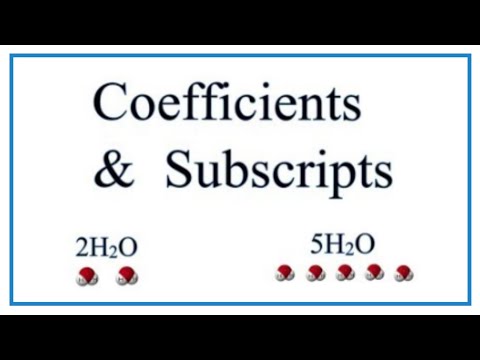
A subscript is a small number or symbol written slightly below the normal line of text. It usually labels an item, index, or specific type. For example, in chemistry H2O the 2 is a subscript that tells how many hydrogen atoms are in a molecule.
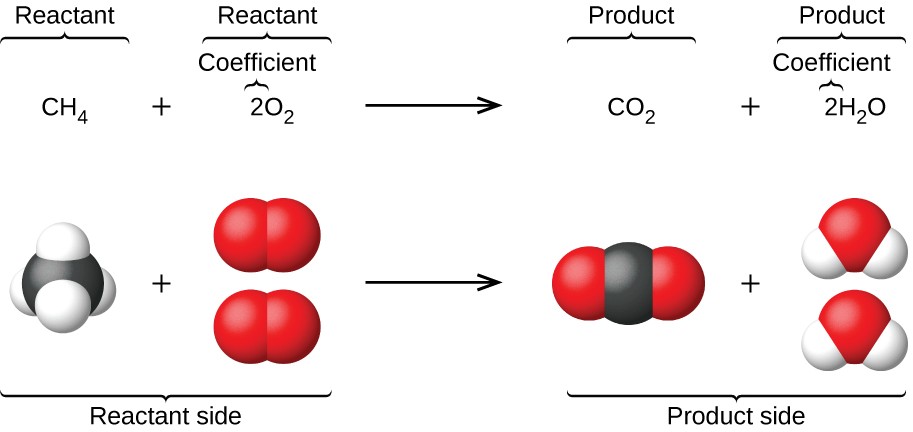
A coefficient is a number placed before a variable or term to show multiplication. In algebra 3x, the 3 is a coefficient. It tells you how many times the variable or term is counted.
What is the Difference between a Subscript And a Coefficient matters because they serve different roles. One tags or indexes; the other scales or multiplies. Keep that distinction in mind when you read formulas or write equations.

How they look and how to read them
Visual cues make them easy to spot. Subscripts sit low and close to the symbol they modify. Coefficients sit before the term on the same line.
Examples:
- Chemistry: CO2 — the 2 is a subscript. It shows two oxygen atoms.
- Algebra: 4x^2 — the 4 is a coefficient. It multiplies x^2.
- Indexing: a1, a2, a3 — subscripts show sequence or position.
Read subscripts as labels. Read coefficients as multipliers. If you wonder what is the difference between a subscript and a coefficient, think “label versus multiplier.”

Examples across subjects
Chemistry
- H2O: subscript 2 = two hydrogen atoms.
- H2SO4: subscripts show counts of each element.
Algebra and calculus
- 5x + 2y: 5 and 2 are coefficients.
- a_n: n is a subscript index for sequence terms.
Physics and engineering
- F_net = m a: m is mass coefficient-like when used in formulas, but true coefficients appear in front of variables.
- v_i and v_f: subscripts i and f mean initial and final.
Computer science and data
- x[0], x[1]: square-bracket subscripts index array items.
- Regression: y = β0 + β1x — β1 is a coefficient measuring slope.
These examples show that what is the difference between a subscript and a coefficient changes with context. Subscripts index or label. Coefficients quantify or scale.
Key differences summarized
- Purpose
- Subscript: identifies, labels, or indexes.
- Coefficient: multiplies and gives magnitude.
- Position
- Subscript: lower right of a symbol.
- Coefficient: to the left of the term on the same line.
- Role in calculations
- Subscript: rarely changes arithmetic operations directly.
- Coefficient: directly affects value via multiplication.
- Typical fields
- Subscript: chemistry, sequences, arrays.
- Coefficient: algebra, statistics, physics.
If you ask again what is the difference between a subscript and a coefficient, use this quick checklist: label vs multiplier, low vs before, index vs scale.
Why the difference matters in practice
Mixing them up can cause wrong answers. I once graded a lab report where a student read H2O as H times 2 O. That mistake cost points. Another time a student treated an index as a coefficient in a summation and got wrong totals.
Clear reading saves time. When you parse formulas, pause to spot subscripts and coefficients. Ask: is this tiny mark labeling an item, or is it multiplying a value? Asking this question helps prevent errors in homework, coding, and labs.
Knowing what is the difference between a subscript and a coefficient also helps when you convert formulas between disciplines. For example, translating chemical notation to stoichiometric calculations needs both label reading and multiplication.

Common mistakes and how to avoid them
- Treating a subscript as multiplication
- Tip: Check position. If it sits below, it likely labels.
- Forgetting a coefficient during algebra steps
- Tip: Circle coefficients before simplifying terms.
- Misreading indices as exponents
- Tip: Note vertical position: exponent above, subscript below.
- Mixing indexing conventions in code vs math
- Tip: Confirm if indexing starts at 0 or 1 when you move between tools.
Practice reading mixed expressions. Build a habit of underlining coefficients and boxing subscripts. Small routines like this prevent many errors.

Quick PAA-style questions
What is the difference between a subscript and a coefficient in one sentence?
- A subscript labels or indexes and sits below a symbol, while a coefficient multiplies a term and sits before it.
How does a subscript behave in chemistry versus math?
- In chemistry, subscripts show atom counts in molecules. In math, subscripts often index sequence terms or variables.
Can a coefficient be negative or fractional?
- Yes. Coefficients can be any real number, including negatives and fractions, to scale terms.
Does indexing change the numeric value of a term?
- No. An index (subscript) labels or locates a term; it does not multiply it unless the context defines it so.
How do I spot a hidden coefficient?
- Look for a number directly in front of a variable or term. If no number is visible, the implied coefficient is 1.

Source: youtube.com

Frequently Asked Questions of What is the Difference between a Subscript And a Coefficient
What exactly does a subscript tell me?
A subscript identifies which member of a set or sequence you mean, or how many atoms of an element are present. It is not a multiplier by default.
When is a coefficient implied rather than written?
If a variable lacks a number in front, the implied coefficient is 1. For instance, x means 1x. This rule helps in algebra and calculus.
Are subscripts and exponents the same?
No. Subscripts sit low and label. Exponents sit high and indicate power. They serve different mathematical roles.
Can the same symbol be both a subscript and a coefficient?
Rarely in the same notation. Context can change meaning, so check position and subject. Always confirm with surrounding symbols and rules.
How do I avoid confusion when reading formulas?
Pause and note positions. Circle coefficients and underline subscripts. If unsure, rewrite the expression with clear spacing and labels.
Is a coefficient always numeric?
Usually yes. In some contexts, coefficients can be symbolic parameters, like β in regression models. They still act as multipliers.
How do subscripts help in code and math?
Subscripts index items in sequences and arrays. In code, square brackets serve a similar purpose. This helps organize and reference items quickly.
What mistakes do students commonly make with subscripts?
Students often misread subscripts as exponents or coefficients. Careful training and notation checks remove most errors.
Conclusion
Understanding what is the difference between a subscript and a coefficient makes reading formulas simple and error-free. Remember: subscripts label and index, coefficients multiply and scale. Use small habits like circling coefficients and boxing subscripts to stay accurate. Try these tips in your next homework, lab report, or code project, and leave a comment about a time this distinction helped you. If you found this useful, subscribe for more clear, practical guides.