If you’re dealing with software, services, or ongoing business relationships, you’ve probably come across the term “Master Subscription Agreement” or MSA. But what exactly does it mean, and why should it matter to you?
Simply put, a Master Subscription Agreement is a contract that sets the rules for how you and a service provider work together over time. It covers important details like payments, responsibilities, data use, and how to handle problems — all in one place.
Understanding this agreement can save you from costly misunderstandings and protect your interests. Keep reading to discover what a Master Subscription Agreement is, why it’s crucial for your business, and how it can give you peace of mind in your subscriptions.
Master Subscription Agreement Basics
A Master Subscription Agreement (MSA) is a key contract between a service provider and a customer. It sets the terms for ongoing software or service subscriptions. Understanding the basics helps businesses manage their agreements clearly and avoid confusion.
The MSA covers important details like payment terms, service levels, and data use. It creates a standard framework that applies to all purchases under the agreement. This avoids the need to negotiate terms for each transaction.
What Is Included In A Master Subscription Agreement?
An MSA outlines rights and responsibilities for both parties. It includes service descriptions, pricing, and billing rules. Privacy and security policies are also part of the agreement. It explains how data will be handled and protected.
Why Use A Master Subscription Agreement?
Using an MSA simplifies repeated business deals. It saves time by avoiding constant contract reviews. The agreement helps reduce risks by clearly defining terms. Both sides get a clear understanding of expectations and limits.
How Does An Msa Affect Service Delivery?
The MSA sets service standards and delivery schedules. It includes terms for updates, maintenance, and support. This ensures customers receive consistent service quality. It also provides a process for handling issues or disputes.
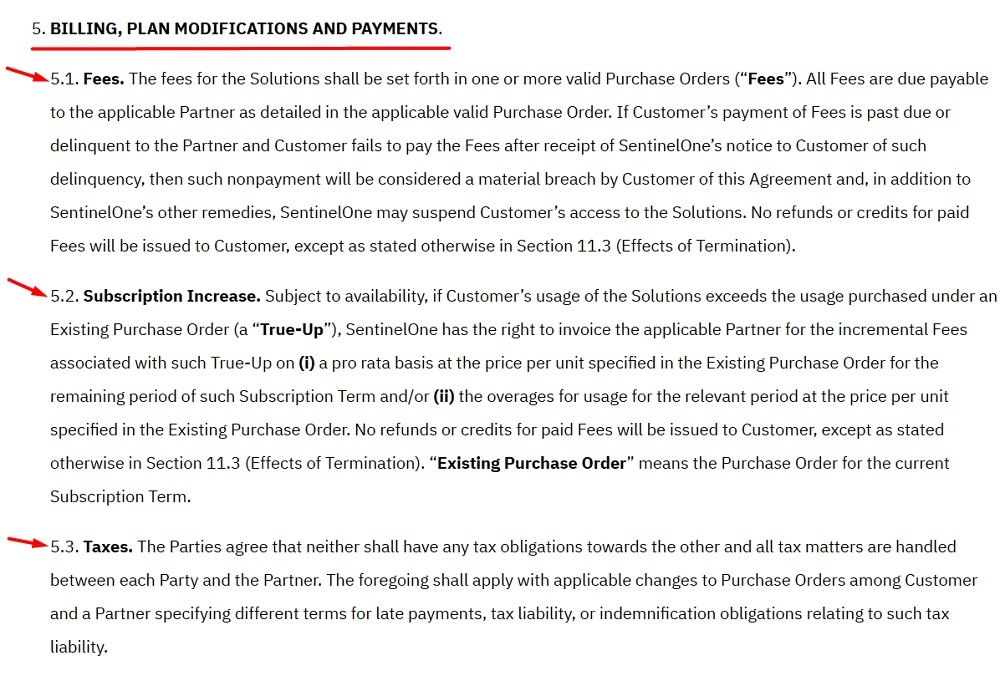
Credit: www.termsfeed.com
Key Components Of An Msa
The Key Components of a Master Subscription Agreement (MSA) outline the main terms and conditions that guide the relationship between the service provider and the subscriber. These components ensure both parties understand their rights and responsibilities clearly. Each part plays a crucial role in minimizing disputes and setting clear expectations.
Understanding these elements helps businesses maintain smooth operations and avoid misunderstandings. The MSA acts as a foundation for future agreements and transactions between the parties.
Scope of ServicesThis section defines the exact services the provider will deliver. It details what is included and what is excluded. Clear descriptions prevent confusion about deliverables and help manage expectations.
Payment TermsPayment terms specify how and when the subscriber must pay. It includes pricing, billing cycles, and any penalties for late payments. This section ensures transparency in financial dealings.
Term and TerminationThis part outlines the agreement’s duration and the conditions for ending it. It covers notice periods and reasons for termination. Both parties know how to exit the contract properly.
ConfidentialityConfidentiality clauses protect sensitive information shared between the parties. It prevents unauthorized disclosure and misuse. Trust is maintained through clear confidentiality rules.
Liability and IndemnificationThis section defines the limits of liability for both parties. It also explains how one party will protect the other from legal claims. This helps manage risks and responsibilities.
Dispute ResolutionDispute resolution explains how conflicts will be handled. It may include mediation, arbitration, or court processes. Clear methods reduce the chance of costly legal battles.
Intellectual Property RightsThis component clarifies who owns the intellectual property created or used during the service. It protects inventions, trademarks, and copyrights. Proper ownership helps avoid future conflicts.
Differences From Other Contracts
Understanding the differences between a Master Subscription Agreement (MSA) and other contracts helps businesses choose the right document. An MSA sets general terms for ongoing services or subscriptions. Other contracts usually cover a single project or purchase. This distinction impacts how companies manage relationships and obligations.
An MSA simplifies repeated transactions by avoiding renegotiation each time. It creates a framework that applies to multiple orders or service periods. Other contracts often require new terms for every deal. This makes MSAs more efficient for continuous business dealings.
Scope and DurationMSAs cover a broad range of services or products over a long time. They remain active until one party ends them. Other contracts tend to focus on specific tasks or projects with set deadlines. This gives MSAs more flexibility and longevity.
Flexibility in TermsMSAs allow updates to terms without rewriting the entire agreement. They include clauses for adding new services or changing pricing. Other contracts are usually fixed and need complete renewal to make changes. This flexibility saves time and effort for both sides.
Risk and Liability ManagementMSAs often include detailed sections on liability limits and dispute resolution. They provide clear rules for handling risks across many transactions. Other contracts may not cover risk as comprehensively, focusing only on one deal. MSAs protect companies better in ongoing relationships.
Payment and InvoicingMSAs set general payment terms for all future orders. They simplify billing by avoiding separate negotiations each time. Other contracts require specific payment details for each transaction. This standardization helps with cash flow and accounting.
Benefits For Businesses
Businesses benefit greatly from a Master Subscription Agreement (MSA). It simplifies contract management and speeds up partnerships. MSAs set clear rules for multiple transactions, reducing legal work each time.
This approach saves time and cuts costs. It also helps build stronger, long-term relationships with partners. Companies enjoy more predictable business processes and fewer disputes.
Streamlined Contract Process
An MSA eliminates the need to draft new contracts for every deal. Businesses use one agreement for many transactions. This reduces paperwork and speeds up negotiations. Teams focus on core activities rather than legal formalities.
Clear Terms And Conditions
MSAs define roles, responsibilities, and payment terms upfront. This clarity prevents misunderstandings between parties. Businesses know what to expect, lowering risks and conflicts. It creates trust and smooth cooperation.
Cost Efficiency
Using an MSA cuts legal fees by reducing repetitive contract reviews. It also lowers administrative costs linked to contract management. Businesses can allocate funds to other important areas. The agreement helps control expenses effectively.
Improved Business Relationships
MSAs build strong, ongoing partnerships through consistent rules. They foster open communication and cooperation between companies. This stability encourages repeat business and loyalty. Both sides benefit from a reliable framework.
Common Terms And Conditions
Common terms and conditions form the backbone of any Master Subscription Agreement. They define how both parties interact and protect their interests. Clear terms help avoid misunderstandings and disputes.
These conditions cover various aspects of the subscription relationship. Each term sets expectations for service, payment, and liability. Understanding these terms is crucial for smooth business operations.
Service Scope And Deliverables
This term outlines the services provided under the agreement. It specifies what the subscriber will receive and any limits on service usage. Clear service descriptions prevent confusion about deliverables.
Payment Terms
Payment conditions detail pricing, invoicing, and due dates. They explain how and when payments must be made. This ensures timely compensation and financial clarity for both parties.
Term And Termination
The agreement duration and end conditions are defined here. It covers renewal options and termination rights. This section helps both sides plan their commitments and exit strategies.
Confidentiality
Confidentiality clauses protect sensitive information shared between parties. They set rules for handling and disclosing data. These terms safeguard business secrets and build trust.
Liability And Indemnification
Liability terms limit the responsibility each party holds. Indemnification protects against losses from third-party claims. This reduces financial risks linked to the subscription.
Intellectual Property Rights
This section clarifies ownership of intellectual property used or created. It states who can use the software or content and under what conditions. Protecting IP rights is vital for both parties.
Dispute Resolution
Dispute resolution procedures explain how conflicts will be handled. They may require negotiation, mediation, or arbitration before legal action. This promotes faster, less costly conflict management.

Credit: www.assetworks.com
Negotiation Tips
Negotiating a Master Subscription Agreement (MSA) is a crucial step for both parties. It helps set clear terms and protects interests. Good negotiation creates a solid foundation for a long-term relationship.
Focus on understanding the contract details before starting talks. Preparation leads to better outcomes and fewer misunderstandings later. Approach discussions with clear goals and flexibility.
Understand Key Terms Before Negotiation
Read the agreement carefully. Pay attention to payment terms, service levels, and termination clauses. Know what each term means for your business. Clarify anything that is unclear before negotiations begin.
Prioritize Your Needs
List your must-haves and nice-to-haves. Focus on terms that affect costs, timelines, and responsibilities. Be ready to compromise on less important points. This keeps negotiations efficient and productive.
Communicate Clearly And Professionally
Use simple language to avoid confusion. Listen actively to the other party’s concerns. Keep emotions in check and stay respectful. Clear communication builds trust and helps reach agreement faster.
Seek Legal Advice When Necessary
Consult a lawyer if terms seem complex. Legal experts can spot risks and suggest improvements. This reduces the chance of future disputes. Protect your interests with professional guidance.
Document All Changes
Keep records of all negotiation steps. Save emails, notes, and revised drafts. This ensures transparency and avoids misunderstandings. Confirm agreed changes in writing before signing.
Legal Risks To Consider
Legal risks arise in any contract, including a Master Subscription Agreement (MSA). Understanding these risks helps protect your business and maintain smooth operations. Ignoring legal issues can lead to costly disputes and loss of control over important terms.
Careful review of the MSA is essential. Some risks may seem minor but cause major problems later. Knowing common legal risks prepares you to negotiate or seek legal advice.
Ambiguous Terms And Definitions
Unclear language in an MSA creates confusion. Vague terms can lead to different interpretations. This confusion may cause disagreements on responsibilities and deliverables. Always ensure terms are clearly defined and precise.
Liability And Indemnification Clauses
Liability limits control how much one party pays for damages. Indemnification shifts risk between parties. Poorly written clauses can expose your business to excessive financial risk. Review these sections carefully to avoid unwanted obligations.
Termination Rights And Consequences
Termination clauses explain when and how parties can end the agreement. Some MSAs may allow abrupt termination without penalty. This unpredictability can disrupt your operations. Confirm that termination terms provide adequate protection and notice.
Intellectual Property Ownership
MSAs often address who owns created content or software. Lack of clarity may cause disputes over usage rights. Protect your intellectual property by specifying ownership and licensing clearly within the agreement.
Data Security And Privacy Obligations
Handling sensitive data requires strict compliance with laws. MSAs should define each party’s responsibility for data protection. Failure to meet these obligations risks legal penalties and damages your reputation.
Dispute Resolution Mechanisms
Disputes are common in business contracts. MSAs usually include methods for resolving conflicts, such as mediation or arbitration. Choosing the right mechanism helps avoid lengthy and costly court cases.
Role In Subscription Services
A Master Subscription Agreement (MSA) plays a key role in subscription services. It sets the foundation for how businesses and customers interact over time. The MSA simplifies many legal and operational processes.
This agreement outlines the terms for ongoing subscription use. It helps manage multiple transactions under a single contract. The MSA reduces the need to negotiate terms repeatedly.
Defines Terms And Conditions Clearly
The MSA spells out the rights and duties of both parties. It covers payment, service levels, and support. Clear terms prevent confusion and disputes later.
Streamlines Contract Management
With an MSA, companies avoid signing separate contracts for each purchase. This saves time and effort for both sides. It creates a smooth process for renewals and upgrades.
Supports Compliance And Risk Management
Subscription services face various legal and regulatory rules. The MSA helps ensure compliance with these rules. It also limits risks by defining liability and data security.
Facilitates Flexibility And Scalability
Services can change as businesses grow or needs evolve. The MSA allows adjustments without rewriting contracts. This flexibility supports scaling up or down easily.
How To Customize Your Msa
Customizing your Master Subscription Agreement (MSA) helps match it to your business needs. A tailored MSA protects your interests clearly and reduces misunderstandings.
Each business has unique requirements. Adjusting terms ensures better clarity and smoother partnerships. Focus on key areas that affect your agreements most.
Define Clear Scope Of Services
Specify exactly what services you provide. Avoid vague descriptions that cause confusion later. Clear scope limits risks and sets expectations.
Set Payment Terms Precisely
Include payment schedules and methods. State penalties for late payments. Clear payment terms protect cash flow and prevent disputes.
Customize Termination Clauses
Decide when either party can end the agreement. Include notice periods and conditions. Flexible termination terms give control and reduce risks.
Adjust Liability And Indemnity Limits
Set limits on damages and liabilities. Tailor indemnity clauses to your risk level. This protects your business from costly claims.
Include Confidentiality Provisions
Define what information stays private. Specify how long confidentiality lasts. Protect sensitive data and build trust with clients.
Address Intellectual Property Rights
Clarify ownership of created work or software. Define rights to use and modify content. Clear IP terms avoid future conflicts.
Add Dispute Resolution Methods
Choose how disputes will be handled. Options include mediation, arbitration, or court. Proper resolution methods save time and money.
Review Regularly And Update
Check your MSA often to keep it current. Update terms as laws or business needs change. Regular reviews ensure ongoing protection and relevance.
Msa In Different Industries
A Master Subscription Agreement (MSA) plays a vital role across various industries. It sets clear terms for ongoing business relationships. Different sectors tailor MSAs to fit their unique needs and challenges.
Understanding how MSAs work in different fields helps businesses manage contracts smoothly. It reduces misunderstandings and speeds up negotiations. Below are examples of how MSAs apply in key industries.
Msa In Technology And Software
Technology companies use MSAs to govern software subscriptions and services. These agreements define payment terms, service levels, and data usage. They protect intellectual property and set rules for updates and support. MSAs help tech firms maintain long-term client relationships with clear expectations.
Msa In Healthcare
Healthcare providers rely on MSAs for partnerships with vendors and service providers. These agreements cover patient data protection and regulatory compliance. They also outline billing, service standards, and confidentiality. MSAs ensure safe, reliable collaboration in a sensitive environment.
Msa In Manufacturing
Manufacturers use MSAs to manage supplier and vendor contracts. These agreements specify delivery schedules, quality standards, and pricing. They help reduce risks related to supply chain delays or defects. MSAs provide a stable framework for ongoing production needs.
Msa In Financial Services
Financial firms adopt MSAs to handle services like software, consulting, and outsourcing. These agreements include terms for security, confidentiality, and compliance with financial regulations. They also detail fees and liability limits. MSAs build trust and clarity in complex financial deals.
Msa In Marketing And Advertising
Marketing agencies use MSAs to outline project scopes, payments, and intellectual property rights. These agreements manage client expectations and protect creative work. MSAs support smooth collaboration on multiple campaigns over time.
Credit: legal.thomsonreuters.com
Frequently Asked Questions
What Is The Point Of An Msa?
An MSA ensures measurement systems are accurate and reliable, reducing errors and supporting confident, data-driven decisions.
What Is The Purpose Of A Master Agreement?
A master agreement sets general terms for future contracts, streamlining negotiations and ensuring consistent conditions. It saves time and reduces risks in ongoing business relationships.
What’s The Difference Between Msa And Sla?
MSA (Master Service Agreement) defines overall contract terms between parties. SLA (Service Level Agreement) specifies service performance and quality standards. MSA sets the legal framework, while SLA details specific service commitments and metrics. Both ensure clear expectations but focus on different contract aspects.
Who Needs An Msa Agreement?
Businesses and service providers engaging in ongoing projects or partnerships need an MSA agreement to define terms clearly.
What Is A Master Subscription Agreement?
A Master Subscription Agreement (MSA) is a contract outlining terms for ongoing services.
Why Use A Master Subscription Agreement?
It simplifies future contracts by setting standard terms upfront for multiple deals.
How Does An Msa Benefit Businesses?
It saves time and reduces legal costs with one agreement for many projects.
What Key Terms Are In A Master Subscription Agreement?
Common terms include payment, service scope, confidentiality, liability, and termination conditions.
Who Usually Signs A Master Subscription Agreement?
Typically, the service provider and the client agree and sign the MSA.
Can An Msa Be Customized For Different Services?
Yes, it can be tailored to fit specific services and client needs.
Conclusion
A Master Subscription Agreement sets clear rules for ongoing service use. It helps both parties understand their rights and duties. This agreement avoids confusion and speeds up future contracts. Companies save time by not negotiating terms repeatedly. Knowing its purpose aids in better business relationships.
Keep this agreement simple and clear for easy use. It supports smooth, long-term cooperation between service providers and clients. Understanding it protects your interests and builds trust.