Free mobile apps make money through ads, in-app purchases, subscriptions, and partnerships.
I have built and tested mobile apps and helped teams design monetization strategies. This guide explains how free mobile apps make money with clear models, real examples, and practical tips you can use today. Read on to learn the trade-offs, metrics to watch, and the smart steps that turn free users into revenue.
How free mobile apps make money: core models and definitions
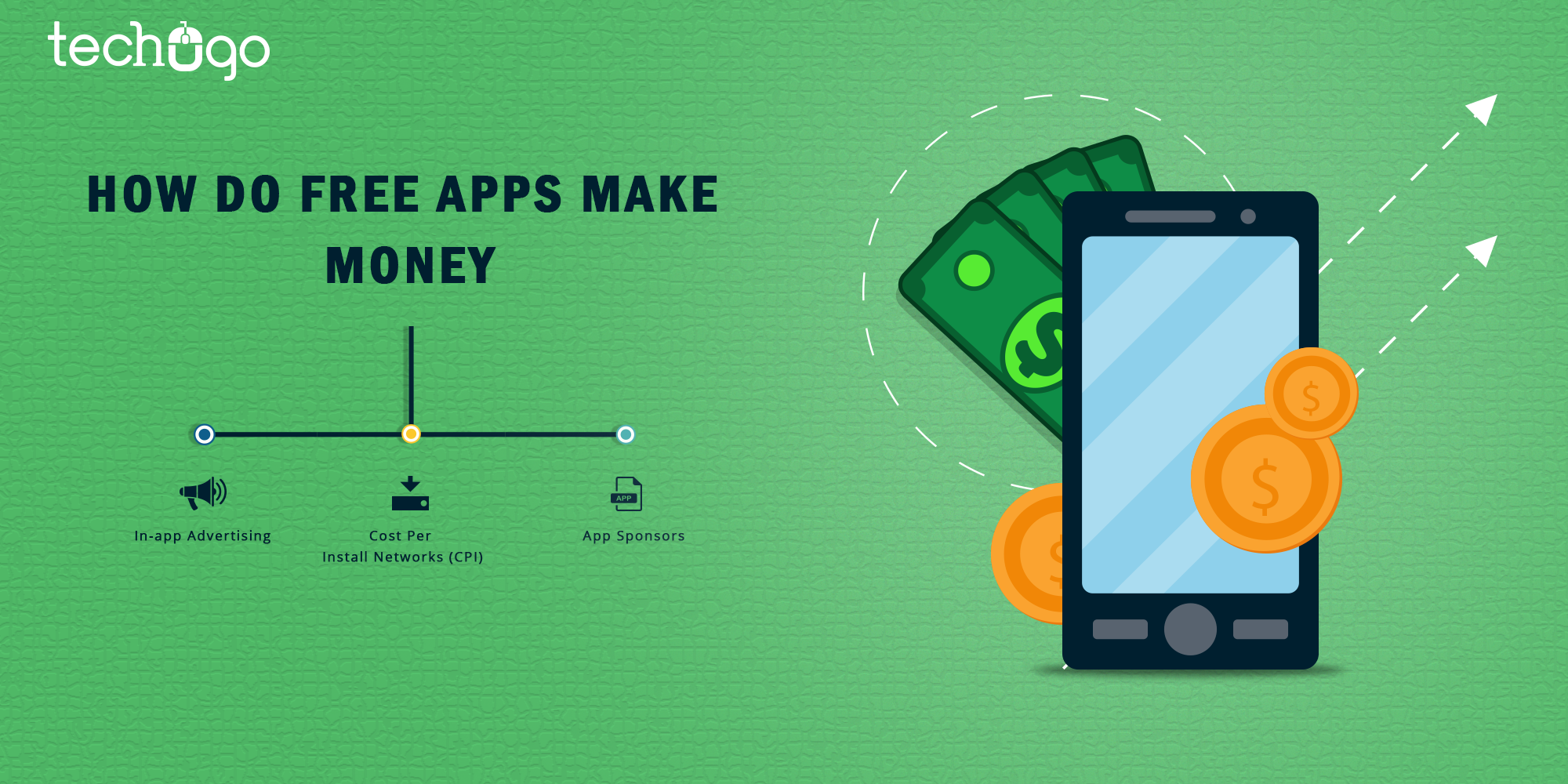
Free apps earn revenue by converting users or attention into cash. The main models are advertising, in-app purchases, subscriptions, sponsorships, affiliate deals, and data-driven services. Each model fits different app types, audiences, and growth stages.
Common revenue models include:
- Advertising: display, native, rewarded, and interstitial ads shown to users.
- In-app purchases: one-time or consumable buys inside the app.
- Subscriptions: recurring access to premium features or content.
- Sponsorships and partnerships: brand deals that pay for placement or co-marketing.
- Affiliate marketing and lead generation: earning a cut for referrals or qualified leads.
- Data and analytics services: aggregated insights sold or used to power features.
Understanding how free mobile apps make money starts with matching model to audience. A social game often relies on ads plus in-app purchases, while a niche productivity app may do best with subscriptions.
Advertising: types, pros, and pitfalls
Ads are the fastest way to monetize many free apps. They work by selling screen space or impressions. Ads scale with user time and daily active users.
Ad types and short notes:
- Rewarded ads: users watch short video ads for rewards. These balance revenue and user choice well.
- Banner ads: small and persistent. They are low revenue per view but non-intrusive.
- Interstitial ads: full-screen at natural breaks. They pay more but can harm retention if overused.
- Native ads: blended into UI. They often convert better and feel less disruptive.
Ads can drive steady income as long as retention is healthy. But relying only on ads often limits earnings per user. Tracking ARPDAU, fill rate, and eCPM helps optimize ad returns.
In-app purchases and subscriptions: higher value per user
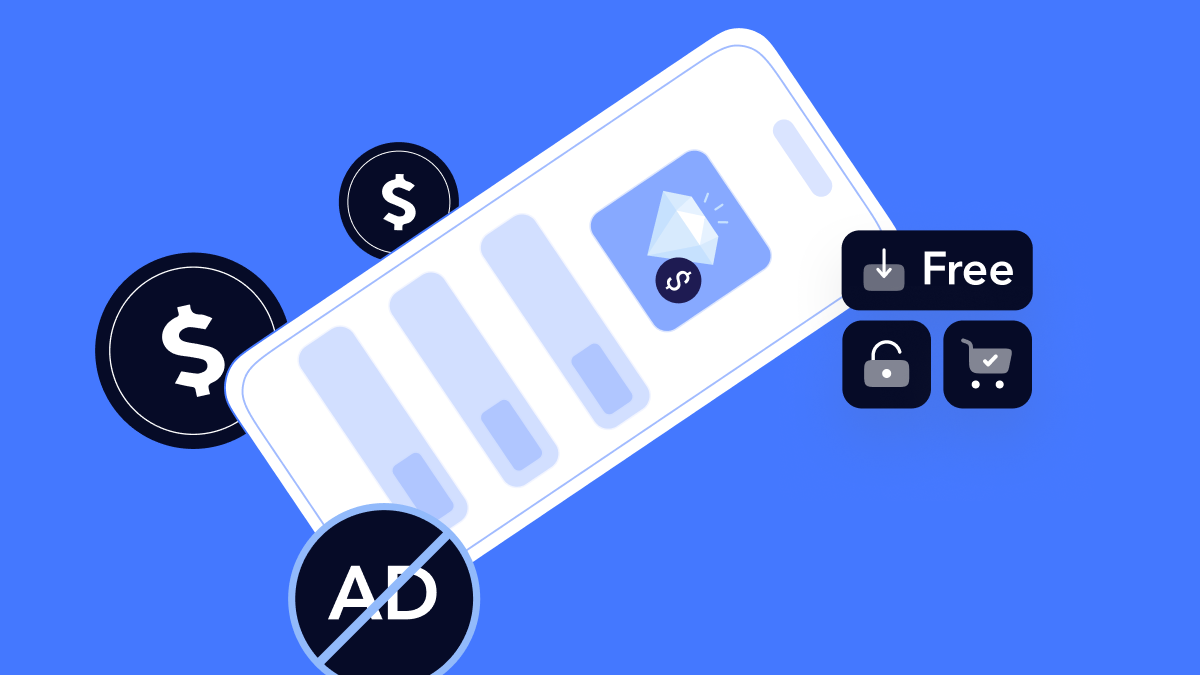
In-app purchases and subscriptions let you sell real value inside a free app. They convert a small percentage of users into paying customers. These models often generate higher lifetime value than pure ads.
Key formats:
- Consumable purchases: coins, boosts, or credits that users buy repeatedly.
- Non-consumable purchases: one-off purchases like unlocking a pro feature.
- Subscriptions: recurring access to content, features, or cloud sync.
When deciding how free mobile apps make money with purchases, segment users by behavior. Offer a clear upgrade path, fair trial, and strong value to justify cost. Subscriptions require steady new value to avoid churn.

Alternative and hybrid monetization methods
Some apps use creative or blended methods. Combining models often works best. Here are common alternatives.
Other methods:
- Sponsorships: a brand pays for special placements or themed content.
- Affiliate links: apps recommend services and earn commissions on conversions.
- Lead generation: apps collect qualified leads and sell them to businesses.
- Merch and events: selling branded goods or access to live experiences.
- Licensing and white-labeling: selling your tech or content to other companies.
- Donations and tipping: voluntary support from loyal users.
Mixing models spreads risk. For instance, ads plus a subscription tier can provide baseline revenue and high-value customers.
How to choose a revenue strategy: step-by-step
Pick the model that fits your users, product, and goals. Follow these simple steps.
Steps to choose and test:
- Define your user value: list 3 core benefits users get from the app.
- Map behaviors to revenue: which actions could naturally lead to a purchase or ad view.
- Start simple: launch with one model, measure results, then expand.
- Test pricing and placement: run small A/B tests and iterate.
I learned from running small apps that testing one change at a time gives clearer signals. Measure LTV, retention, conversion rate, and ARPDAU to guide decisions.
Metrics to track and why they matter
Metrics tell you if your monetization works. Focus on a short list. They reveal where to optimize.
Essential metrics:
- Daily and monthly active users: the audience size that drives revenue.
- Retention (day 1, 7, 30): how long users stay engaged.
- Conversion rate: percent who pay or click an ad.
- ARPDAU (average revenue per daily active user): revenue normalized to active users.
- LTV (lifetime value): predicted revenue per user over time.
Keep reports simple. Weekly trends matter more than daily noise.

User experience, testing, and optimization
Monetization must respect the user. Poor UX kills retention and revenue. Design tests that protect long-term growth.
Best practices:
- Put revenue where it feels natural, not forced.
- Offer ad-free or premium paths to users who dislike ads.
- Use rewarded ads for choice-driven engagement.
- A/B test one variable at a time: placement, copy, price, timing.
- Monitor real user feedback to catch UX issues early.
From my experience, a single intrusive ad placement can drop retention significantly. Protect retention first, then chase revenue.
Privacy, legal issues, and trust
Monetization often touches user data. Respect privacy and follow rules. Trust sustains long-term growth.
Key points:
- Be transparent about data use and ask for consent where required.
- Follow platform rules for ads and purchases.
- Provide clear terms and an easy refund process.
- Avoid selling personal data without clear user value and consent.
Transparency builds trust. I once lost users after a privacy scare that could have been prevented with clearer messaging.

People also ask
How quickly can a free app start making money?
Most apps can earn small ad revenue or affiliate income within weeks if they have active users. Significant income usually needs sustained user growth and optimization.
Are subscriptions better than ads for free apps?
Subscriptions often bring higher revenue per user but require ongoing value. Ads are easier to start with but scale with time spent and user count.
Can I combine ads and in-app purchases?
Yes. Many apps use ads for most users and offer an in-app purchase or subscription to remove ads or unlock extras. This hybrid approach balances scale and value.
Frequently Asked Questions of how free mobile apps make money
What is the top way how free mobile apps make money?
Advertising is the most common entry path for free apps, because it requires no payment flow. Many apps start with ads and add purchases or subscriptions later.
Do users accept ads in free apps?
Yes, if ads are relevant and not disruptive. Rewarded and native ads tend to be the most accepted formats.
How much can a free app earn with in-app purchases?
Earnings vary widely and depend on niche, retention, and conversion. Small hobby apps may earn a modest sum while popular apps can earn thousands or more per day.
Are subscriptions sustainable for small apps?
They can be if you deliver ongoing value and keep churn low. Small apps should test subscription price points and trial offers carefully.
How do privacy rules affect monetization?
Privacy laws and platform policies limit tracking and data sharing. Compliance may reduce some ad revenue but builds long-term trust and avoids penalties.
Conclusion
Free mobile apps make money through ads, purchases, subscriptions, partnerships, and other creative paths. Start by matching the right model to your users, measure simple metrics, and test carefully. Focus on good user experience and clear value. Try one model, learn fast, and iterate to grow revenue. Ready to optimize your app monetization? Test one change this week and track the impact, or leave a comment to share your app story.