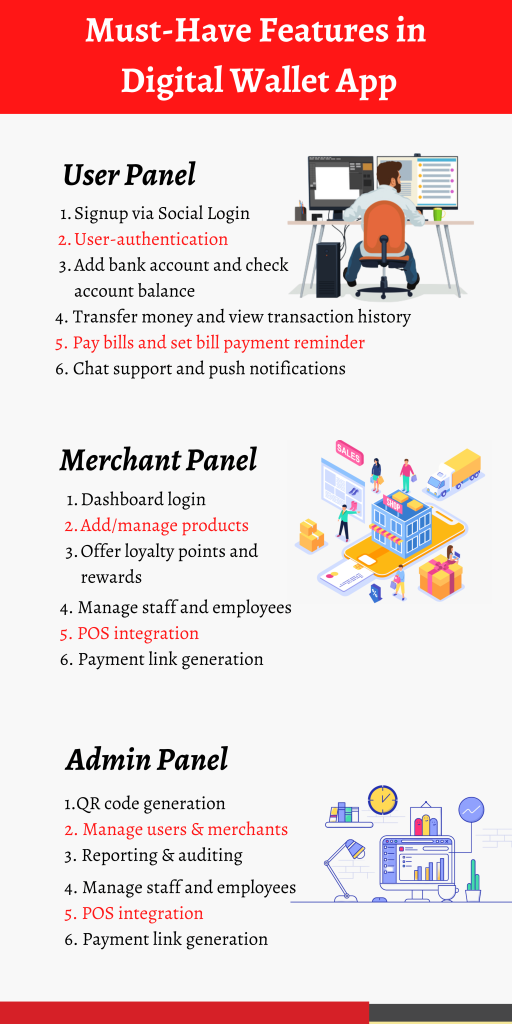
Use secure APIs, tokenization, and strong auth to link wallets and banking apps quickly and safely.
I build digital banking features for a living. I will show you how to integrate digital wallets with banking apps in clear, practical steps. This guide covers architecture, security, UX, testing, and real-world tips I learned on projects. Read on to turn a complex integration into a repeatable, low-risk process.
Why integrate digital wallets with banking apps
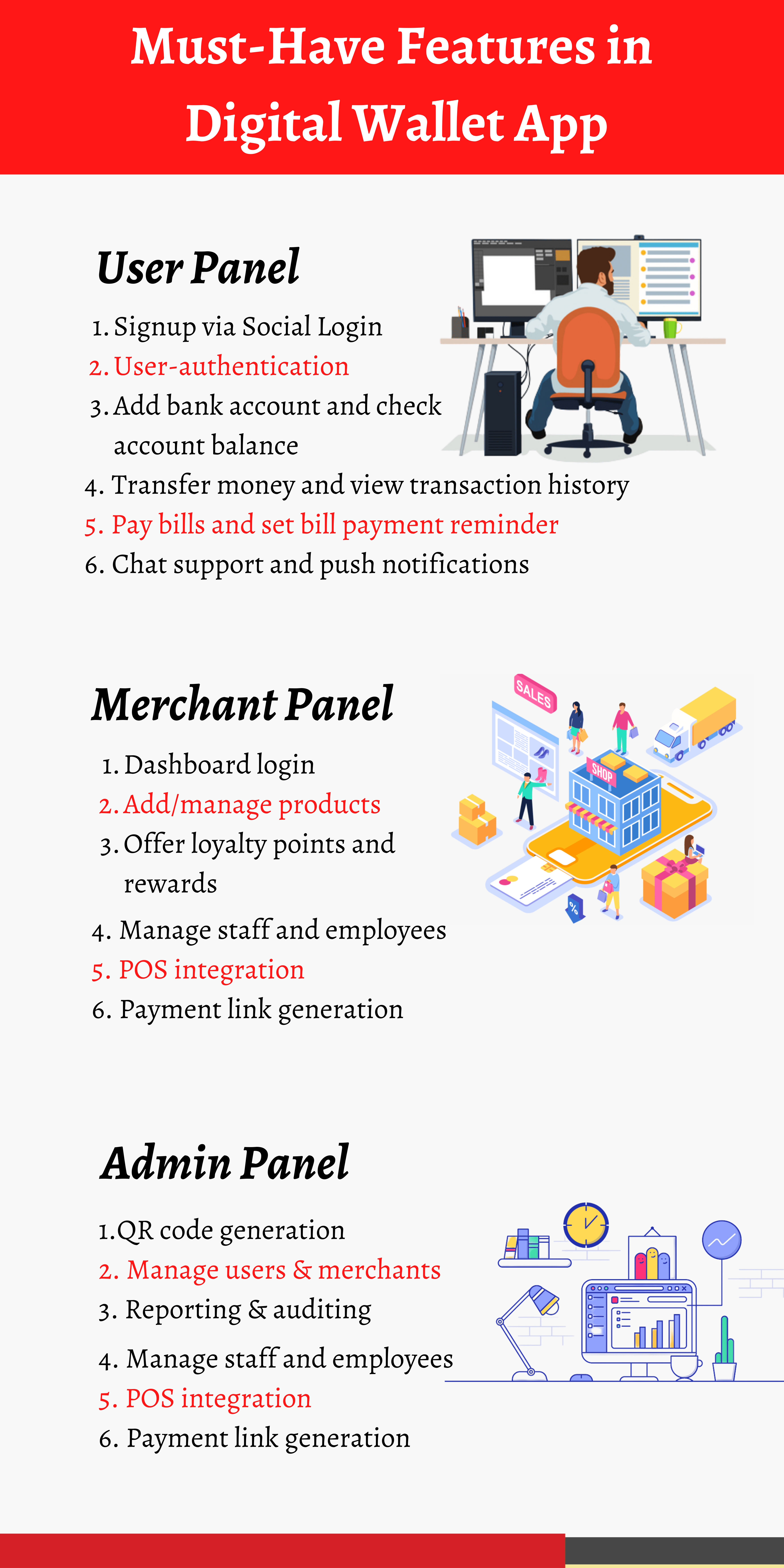
Integrating digital wallets with banking apps gives customers fast, cardless payments and better loyalty. It also grows transaction volume and keeps users in your app. Banks meet customer expectations by adding wallet support for mobile pay, wearables, and web checkout.
Benefits are clear:
- Faster checkout and fewer declined payments for users.
- New revenue from tokenized transactions and value-added services.
- Better retention because users rely on one trusted app.
- Lower fraud via tokenization and device binding.
Common use cases:
- Add-to-wallet from the bank app.
- One-tap in-store pay using NFC or QR.
- Web checkout with stored wallet credentials.

Key concepts and definitions
Keep terms simple. Short definitions help teams align.
- Digital wallet: A secure app or service that stores payment credentials and keys for contactless or online pay.
- Tokenization: Replaces card data with a token. Tokens are safe if stolen.
- Authorization server: Issues tokens and validates payment requests.
- Mobile SDK: Software kit that apps use to interact with wallets.
- Payment network token service: Network-level token manager for cards.
Understanding these basics speeds implementation. Team alignment avoids costly rework.
Technical approaches to integration
There are three common technical paths. Pick one based on product goals and tech stack.
- Native wallet provisioning: Use SDKs or APIs to add a card to Apple Pay, Google Pay, or Samsung Pay. This is the most common route.
- In-app wallet: Your app hosts wallet features and links to bank accounts via tokenized credentials. Good for closed ecosystems.
- Wallet-as-a-service: Partner with a provider that handles tokens, provisioning, and network compliance.
Core steps for most integrations:
- Register with wallet providers and get credentials.
- Implement server-side tokenization and provisioning endpoints.
- Build client flows to request wallet provisioning.
- Use device authentication before sharing credentials.
- Confirm provisioning with the wallet provider and enable pay flows.
I used native provisioning on three bank apps. The server work was small but required strict audit trails.
Security and compliance
Security is non-negotiable. Wallet integrations touch payments and identity. Follow a layered approach.
- Use tokenization for all card data sent to wallet providers.
- Require strong customer authentication before provisioning (biometrics or MFA).
- Encrypt data at rest and in transit with modern ciphers.
- Keep an audit log of provisioning events and deletes.
- Meet PCI DSS and local payment regulations for storage and processing.
Common pitfalls:
- Exposing PAN in logs.
- Weak session timeouts during provisioning flows.
- Missing consent records for added cards.
On one project I learned to require a short-lived provisioning token. It prevented replay attacks and cut fraud risk.
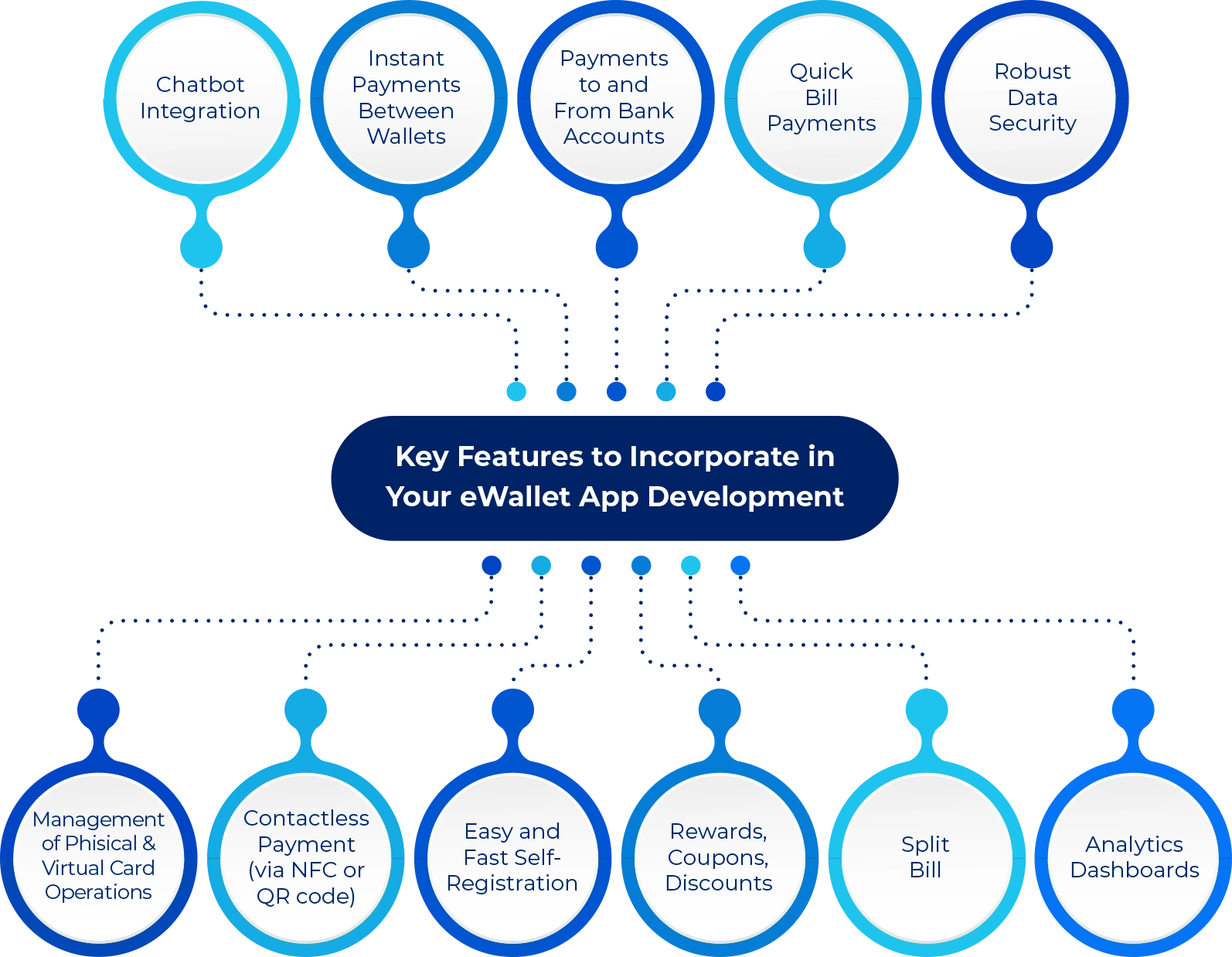
UX and product considerations
A smooth UX improves adoption. Design for trust and speed.
- Keep flows short. Use 2–3 screens for provisioning.
- Explain why the app needs biometrics and permissions.
- Use clear microcopy for errors and next steps.
- Offer fallback options like QR provisioning or manual entry.
- Test across devices and OS versions.
Metrics to track:
- Provisioning completion rate.
- Time-to-provision.
- Payment success after provisioning.
- Customer support tickets about wallet issues.
I ran A/B tests on messaging during provisioning. A simple line about “no card number stored” raised completion by 8%.
Implementation roadmap: step-by-step
Follow these phases to integrate reliably.
Phase 1: Plan
- Select wallets to support and map compliance needs.
- Define KPIs and success metrics.
- Get legal and compliance sign-off.
Phase 2: Build server components
- Implement token service and provisioning API.
- Store minimal metadata and audit records.
- Integrate with payment networks for token enrollment.
Phase 3: Build client components
- Add SDKs or Web APIs for each wallet.
- Build UI flows and error handling.
- Implement device auth and consent capture.
Phase 4: Test and certify
- Run security tests and threat modeling.
- Complete wallet provider certification steps.
- Do pilot rollouts with real users.
Phase 5: Launch and iterate
- Monitor logs and metrics.
- Fix edge cases and reduce friction.
- Expand wallet support as needed.
This road map worked on multiple launches. Small pilots reduced surprises.
Testing, monitoring, and operations
Testing and ops keep the system live and safe.
- End-to-end tests that cover provisioning, token refresh, and payment.
- Load tests on provisioning endpoints.
- Real-time alerts for failed provisioning spikes.
- Periodic security reviews and pen tests.
- Clear rollback plan for provisioning issues.
Maintain a small runbook for support staff. Include common errors and fixes. This reduces resolution time.
Costs and business models
Integration costs differ by approach and scale.
- One-time: SDK integration, dev hours, certification.
- Ongoing: Token service fees, wallet provider costs, incident response.
- Revenue opportunities: Interchange growth, premium wallet features, partnerships.
Negotiate with wallet providers and payment processors. Early pilots show actual cost patterns.
Personal experience and lessons learned
I integrated wallets for a regional bank that wanted quick adoption. We focused on five things that mattered.
- Start with one wallet and do it well.
- Keep the provisioning flow under 30 seconds.
- Log every step for audit and support.
- Communicate clearly to users about security.
- Roll out with a small pilot group.
Mistakes I made:
- Underestimating device diversity. Test many devices.
- Rushing certification. Wallet providers have strict checks.
These lessons saved time later and improved user trust.
People also ask (PAA-style questions)
How long does it take to integrate a wallet?
Integration can take 4–12 weeks. Time varies by scope, wallet count, and certification steps.
Do banks need PCI compliance to support wallets?
Yes. Banks must meet PCI and related rules when handling card lifecycle or tokens tied to card credentials.
Can users add cards without bank support?
Some wallets let users add cards manually. But bank-led provisioning gives better control and security for bank cards.
What is the role of tokenization?
Tokenization replaces card data with a safe token. It reduces fraud risk and limits exposed data.
Is biometric auth required?
Not always, but it is highly recommended. Biometrics reduce fraud and improve user trust.
Frequently Asked Questions of how to integrate digital wallets with banking apps
What initial steps should a bank take to start integration?
Start by choosing wallet partners and mapping legal and compliance needs. Set KPIs and plan a pilot.
How do I handle multiple wallet providers?
Abstract wallet logic into a provider layer on your backend. Use common APIs and route requests per provider.
What are common security checks during provisioning?
Check device integrity, require MFA or biometrics, use short-lived tokens, and log all actions.
How much testing is required before launch?
Do end-to-end, security, and load tests. Also complete wallet provider certification and a small user pilot.
Can existing users be migrated to a wallet automatically?
Automatic migration is possible with consent and proper tokenization. Always log consent and provide an opt-out.
What support should be ready at launch?
Prepare runbooks, clear error messages, and a team to handle provisioning failures and device-specific issues.
Conclusion
Integrating digital wallets with banking apps is a high-value move. Focus on secure tokenization, clear UX, and phased rollouts. Start small, test well, and expand as you learn. Take action: pick one wallet, build a pilot, and measure provisioning success. Share your results, ask for feedback, and iterate to build a wallet feature your customers love.