Use Settings or the Open with dialog to assign a file type or protocol to a specific app.
I’ve helped dozens of users and IT teams set defaults, fix broken links, and automate mappings. This article explains how to create an association in the default apps settings step by step, with clear examples for Windows, quick fixes, and admin options. You’ll learn safe methods, common pitfalls, and practical tips from hands-on experience so you can control which apps open your files and links.

Understanding default app associations
Default app associations tell your computer which app opens a file type or protocol. The system maps file extensions like .pdf or protocols like mailto: to a chosen app. Learning how to create an association in the default apps settings gives you control and saves time.
Why it matters:
- Makes your workflow faster and more consistent.
- Prevents accidental app launches and file errors.
- Helps in environments where specific apps are required.
Common terms to know:
- File association: link between a file extension and an app.
- Protocol association: link for URIs like http, mailto.
- Default app: the app chosen when you double-click a file.

Step-by-step: how to create an association in the default apps settings on Windows
These steps apply to Windows 10 and Windows 11. They show how to create an association in the default apps settings using the Settings app.
- Open Settings.
- Press Windows key + I or click Start > Settings.
- Go to Apps, then Default apps.
- To set by file type:
- Scroll to "Choose defaults by file type."
- Find the extension (for example .txt).
- Click the current app and pick a new app from the list.
- To set by protocol:
- Click "Choose defaults by link type."
- Find the protocol like mailto or HTTP.
- Select the app to handle it.
- To set by app:
- Click "Set defaults by app."
- Choose the app, then click "Manage" and map extensions or protocols.
Tips:
- If your app is not listed, install it and repeat the steps.
- Use "Look for another app on this PC" if you need to pick a portable app.
How this maps to practice: knowing how to create an association in the default apps settings helps when you install a new editor or PDF reader and want files to open in it by default.
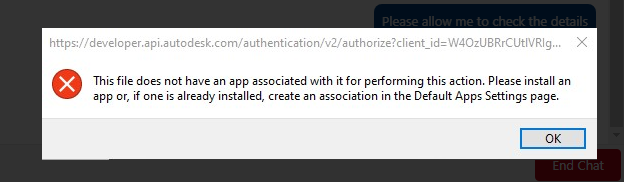
Alternative methods: Open with, file Properties, Control Panel, and command line
You can create an association in the default apps settings using other quick methods.
Open with (quick, per-file type):
- Right-click a file > Open with > Choose another app.
- Select the app and check "Always use this app to open .xxx files."
- Click OK.
File Properties (Windows Explorer):
- Right-click file > Properties.
- Under the General tab, click Change.
- Pick the app and OK.
Control Panel (legacy):
- Open Control Panel > Programs > Default Programs > Set your default programs.
- Select an app and click "Choose defaults for this program."
Command line (power users):
- Use assoc and ftype commands in an elevated Command Prompt to set mappings.
- Example: assoc .txt=txtfile then ftype txtfile="C:\Program Files\Notepad++\notepad++.exe" "%1"
- Use with care and test on one machine first.
These methods give flexibility for one-off fixes or scripted changes when learning how to create an association in the default apps settings.

Admin and enterprise options
When managing many machines, use these approaches to create an association in the default apps settings at scale.
Group Policy (Windows):
- Use ADMX templates and Group Policy preferences to deploy XML default associations.
- You can export and import default app associations via DISM or the Settings app and push policies.
Registry (advanced):
- File type mappings live under HKEY_CLASSES_ROOT and related keys.
- Editing the registry can break mappings; back up before changes.
Deployment tools:
- Use configuration management (SCCM, Intune) to push association XML files.
- Test on a pilot group before broad rollout.
Best practice: use Microsoft’s supported methods for mass changes to ensure updates don’t overwrite your settings. This is the safe way to create an association in the default apps settings across many PCs.

Troubleshooting common issues
If associations don’t stick or apps disappear, try these fixes.
Reinstall or repair the app:
- Some apps register associations during install. Reinstalling often restores them.
Reset defaults:
- Settings > Apps > Default apps > Reset will revert to Microsoft defaults.
- Then reapply your desired mapping.
Permissions and profiles:
- Roaming profiles or restricted accounts may prevent changes. Check user rights.
- Group Policy may force defaults; check with your admin.
Broken registry entries:
- Run a system file check or use the app’s repair tool.
- Avoid manual registry edits unless you are confident.
If you still struggle to create an association in the default apps settings, test the change in a new user account to isolate the problem.
People also ask
How do I set a default app for a file type quickly?
Right-click the file, choose Open with, then Choose another app, pick the app, and check Always use this app. That sets the default right away.
Can I change default browser or email client this way?
Yes. Use Settings > Apps > Default apps and set the browser or mail app for HTTP, HTTPS, and mailto protocols.
Will Windows updates reset my associations?
Major updates can reset some defaults. If that happens, reapply your mappings or use Group Policy for enterprise control.
Personal experience, tips, and things to avoid
From years of helping users, I learned simple habits help most problems. Make a checklist before changing defaults. Back up registry keys or export association XML for enterprise settings. When I switched teams, forgetting to map .md files cost hours; now I keep a short script to set common associations.
Practical tips:
- Always test one file after changing an association.
- Use portable apps carefully; pick the EXE path when needed.
- Keep a note of custom mappings for reapply after major updates.
Common mistakes:
- Assuming settings apply to all accounts—some are per-user.
- Editing registry without backup.
- Not checking Group Policy if changes revert.
Frequently Asked Questions of how to create an association in the default apps settings
How do I change the default app for a specific file type?
Open Settings > Apps > Default apps > Choose defaults by file type, find the extension, and pick the app you want. This sets the app for that file type.
What if the app I want is not listed?
Install or repair the app, then retry. You can also select "Look for another app on this PC" to point to the executable directly.
Can I set defaults for all users at once?
Yes. Use Group Policy, Intune, or deploy an association XML using DISM for system-wide or per-user settings. Test on a pilot group first.
How do I revert to Microsoft’s default associations?
Go to Settings > Apps > Default apps and click Reset to restore Microsoft-recommended defaults. Reapply custom mappings afterward.
Is it safe to use assoc and ftype commands?
Yes, for advanced users. Run them in an elevated Command Prompt and test changes carefully. Back up current settings before altering them.
Conclusion
You now know practical ways to create an association in the default apps settings. Use Settings for simple changes, Open with for quick fixes, Control Panel or command line for power users, and policy tools for mass deployment. Start by mapping one file type, test the result, and keep a backup of your settings for recovery. Try changing one default today and see how much more productive your workflow becomes. If this helped, leave a comment, subscribe for more guides, or share your own tips.