Use Screen Time, parental controls, or third-party apps to block Mac apps quickly and safely.
I’ve helped dozens of users lock down Macs for work, kids, and focused study. This guide explains how to block apps on Mac with clear steps, practical tips, and real-world advice so you can pick the right method and apply it with confidence.
Why block apps on Mac?
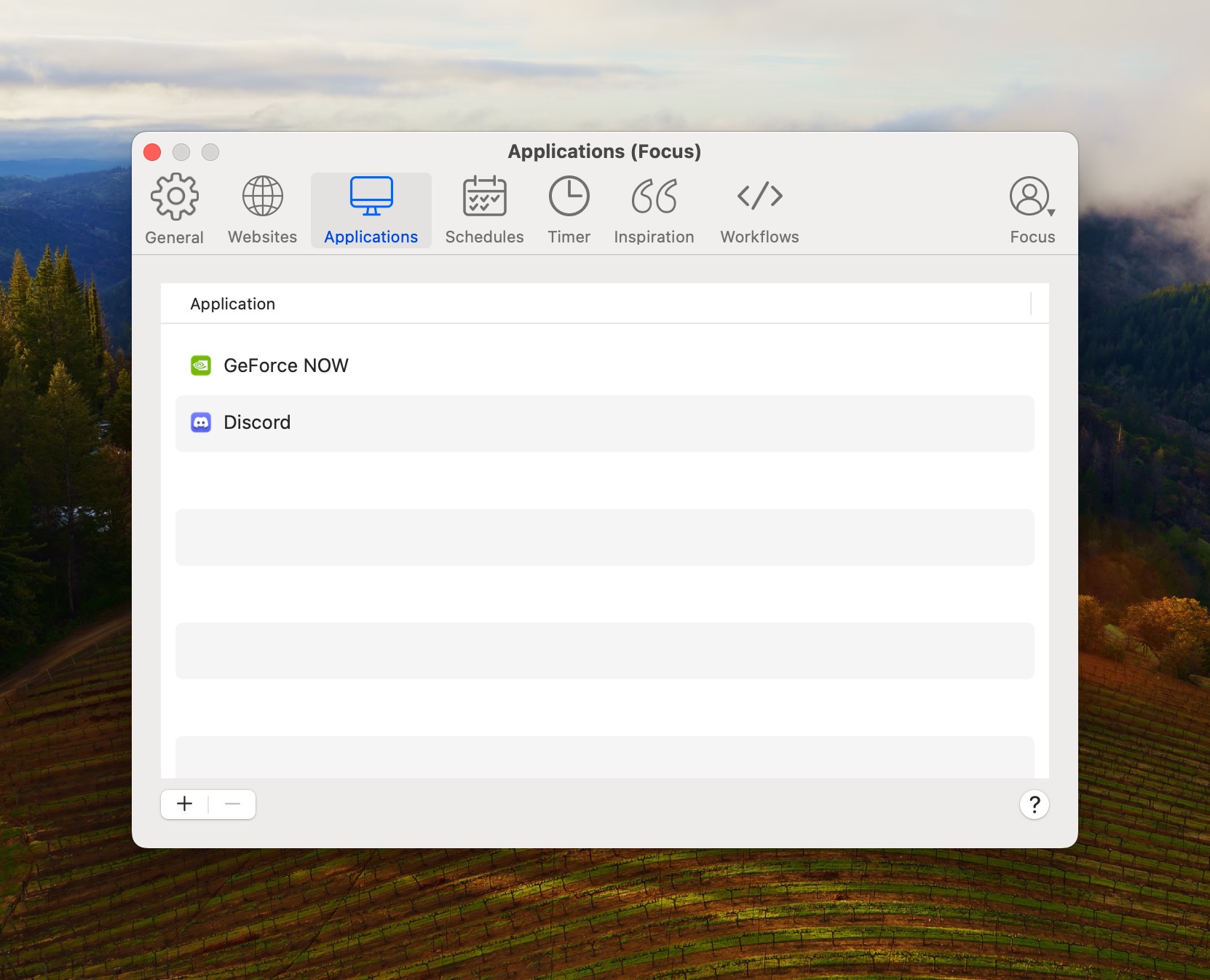
Blocking apps on Mac can protect privacy, reduce distractions, and stop apps from using bandwidth or system resources. People block apps to keep kids safe, enforce focus at work, or prevent software that causes crashes or data leaks.
Common reasons to learn how to block apps on Mac:
- Control screen time for children or teens.
- Limit access to social apps during work hours.
- Prevent apps from phoning home or using the network.
- Stop accidental launches of risky or poorly coded apps.
Experience note: I once helped a remote team block one app that was consuming CPU and leaking data. Blocking the app restored battery life and reduced support tickets. That kind of immediate benefit is why many ask how to block apps on Mac.
Built-in ways to block apps on Mac
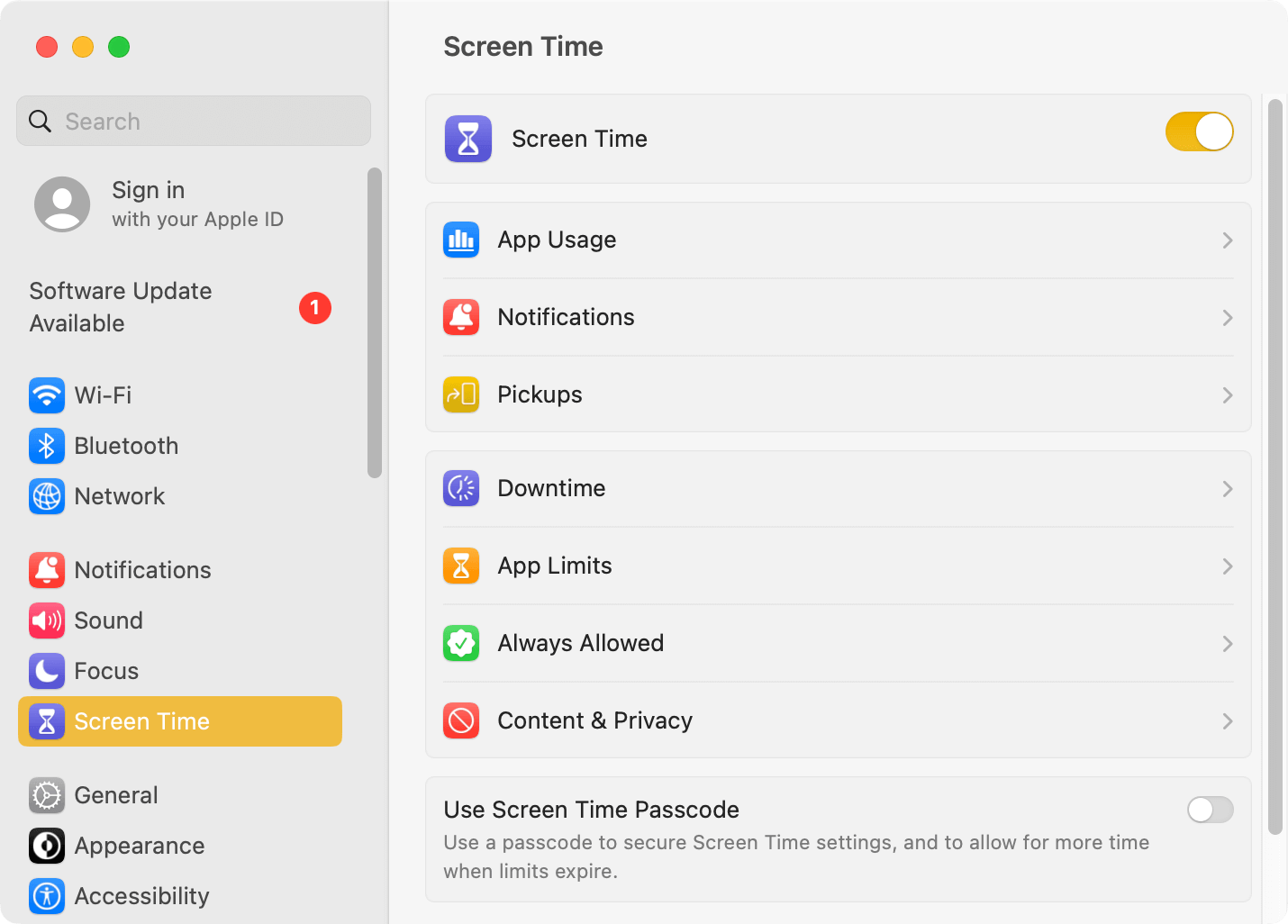
macOS includes tools to block or limit apps without extra software. These built-in options are safe and reversible.
Screen Time
- Use Screen Time to set app limits, downtime, and content restrictions.
- Works per user account and can require a passcode to change.
Parental Controls (older macOS versions)
- Managed accounts let you limit specific apps and store access.
- Create a child account under Users & Groups and apply restrictions.
Firewall and Security & Privacy
- The macOS Firewall can block incoming network connections for apps.
- Gatekeeper controls whether apps from unidentified developers can run.
Separate user accounts
- Create a restricted standard account for kids or guests.
- Restrict access to apps by keeping them in admin-only areas.
These built-in approaches form the safest, most auditable ways to learn how to block apps on Mac.
How do I block an app completely with no workarounds?
Create a managed user with strict Screen Time rules, remove execute permissions using the Terminal, and protect System Preferences with a password. That combination makes bypassing harder while keeping data recoverable.
Can I block an app’s internet access but still allow it to run?
Yes. Use the Firewall to block incoming connections and consider a third-party network firewall to block outgoing traffic. This preserves the app but cuts its network use.
Will blocking apps break system updates or Apple services?
If you block system apps or core services you risk update and sync problems. Only block third-party apps or test changes on a non-critical account first.
Step-by-step: Use Screen Time to block apps on Mac
Screen Time is the most user-friendly and Apple-supported way to block apps on Mac. These steps work on macOS Catalina and later.
- Open System Settings (or System Preferences), then select Screen Time.
- If you want separate rules for a child, enable Family Sharing and add the child’s account.
- Choose the user account you want to manage at the top-left.
- To block by category or app:
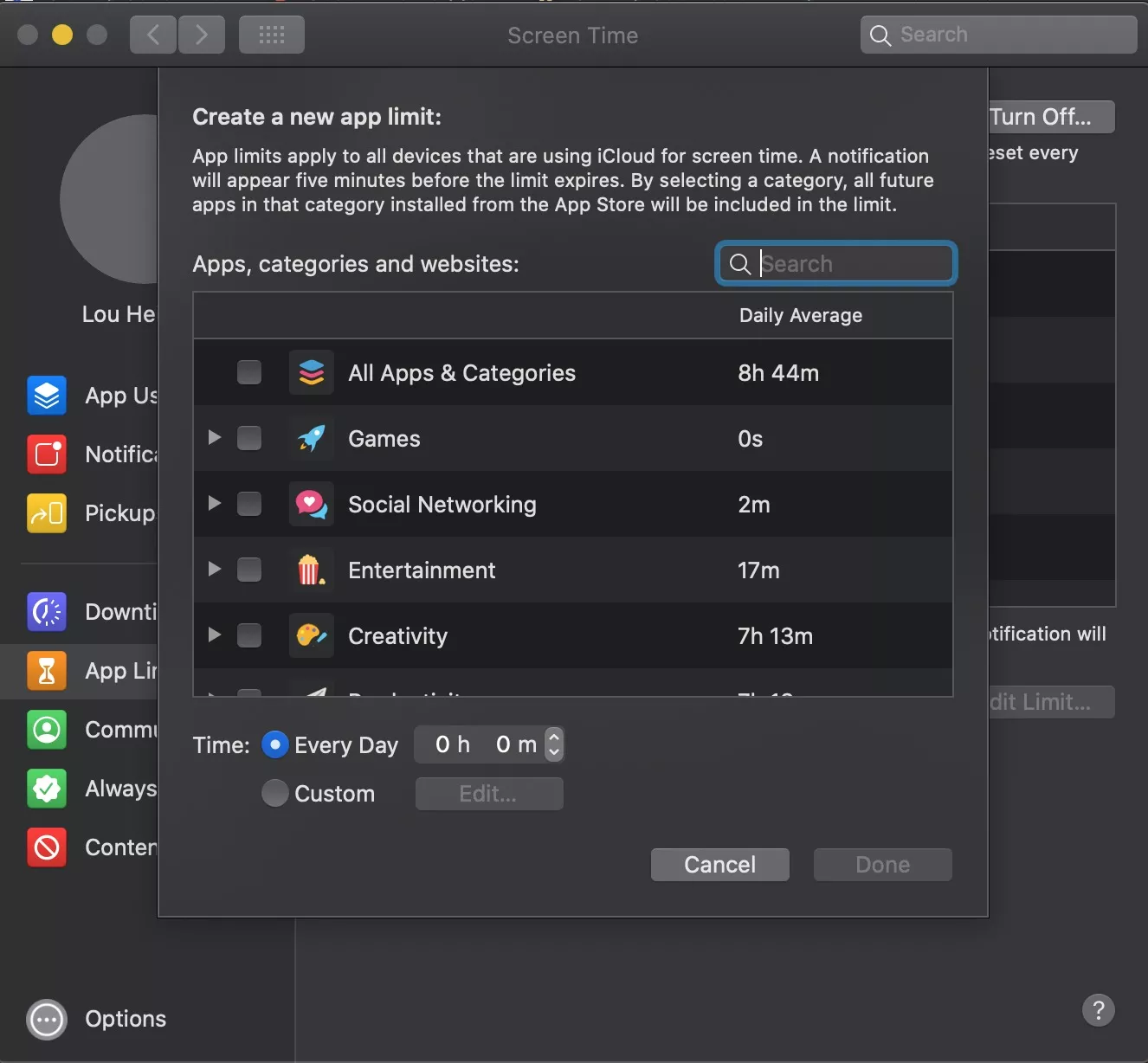
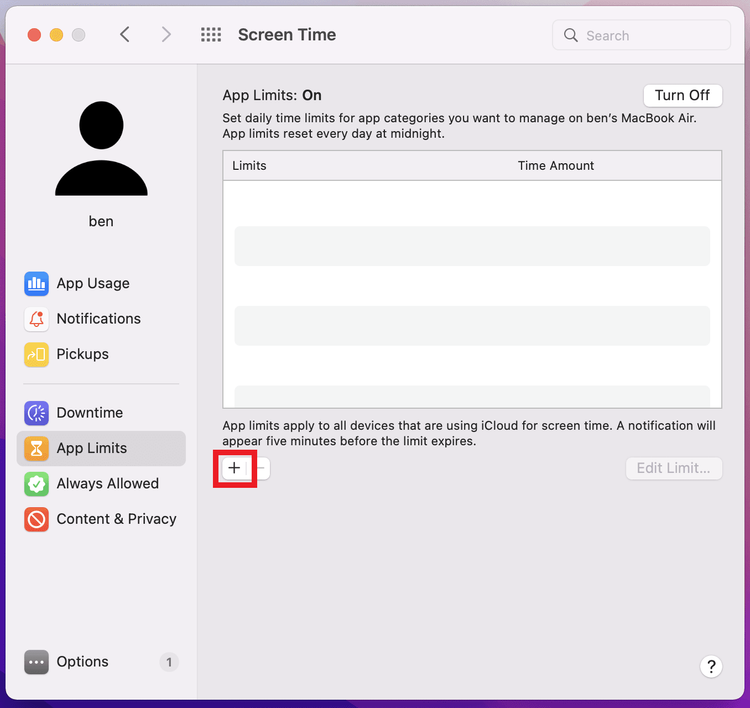
- Click App Limits, then Add Limit.
- Choose a category or expand All Apps & Categories to pick a specific app.
- Set the time limit to 0 hours and 1 minute, then enable Block at End of Limit.
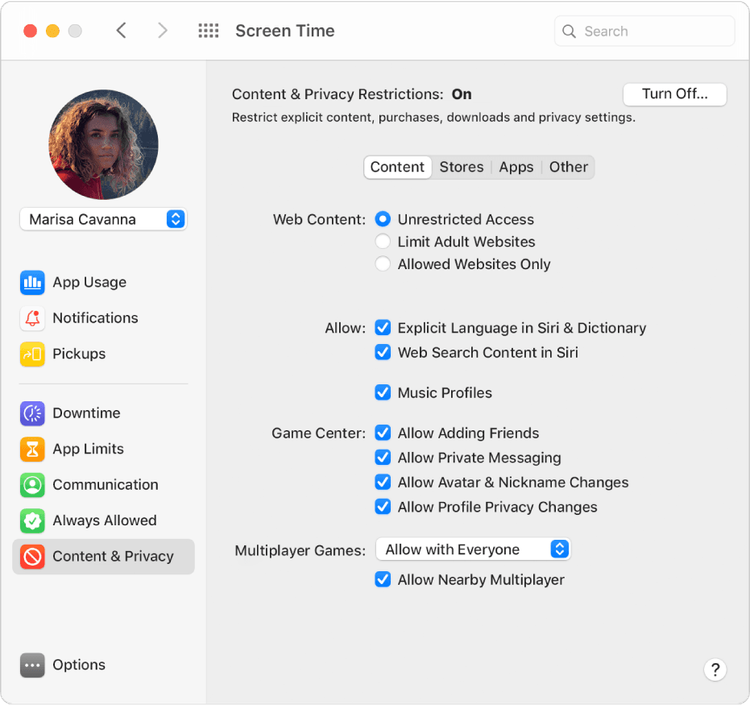
- For full blocks, use Content & Privacy Restrictions:
- Turn on Content & Privacy.
- Go to Apps and toggle off the app categories or specific apps you want to restrict.
- Set a Screen Time passcode so only admins can change rules.
Quick tip: Use Downtime to block all but essential apps during certain hours. Mark trusted apps as Always Allowed when needed.
Other methods: Terminal, Firewall, and third-party tools
Terminal-based and network methods are powerful but need care. These are useful when you want fine control beyond what Screen Time offers.
Change permissions with Terminal
- Use chmod to remove execute permission: sudo chmod -x /Applications/AppName.app/Contents/MacOS/AppBinary
- To fully block access, change ownership or set restrictive permissions, but back up first.
Rename or move the app
- Move the app from /Applications to a folder only admins can reach. This is reversible and simple.
Use the Firewall to restrict network access
- Go to System Settings > Network > Firewall > Firewall Options.
- Block incoming connections for a selected app. For outgoing blocks, use a third-party network firewall.
Third-party blocking tools
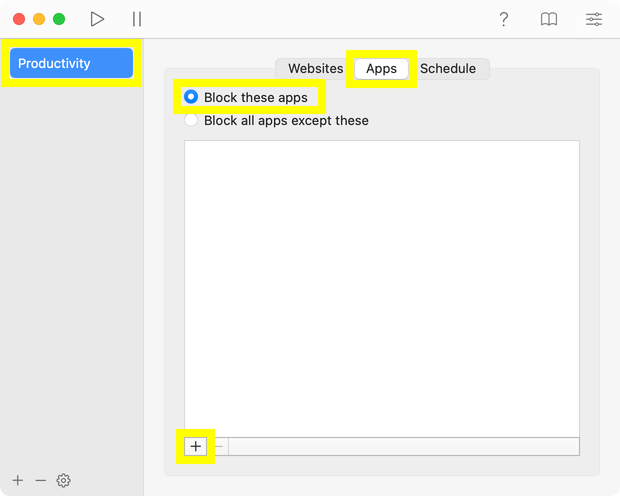
- Productivity blockers (Freedom, Cold Turkey, Focus) block apps and sites across devices.
- App lockers and management tools can enforce stronger policies for teams or schools.
Warnings and limits
- Terminal and permission changes can break apps or updates.
- Firewall rules don’t stop offline app use.
- Third-party tools may require paid subscriptions and admin rights.
Personal note: I once used a combination of firewall rules and Screen Time to block a buggy app that synced user data unintentionally. The layered approach minimized disruption while we found a safer replacement.

Best practices and troubleshooting when you block apps on Mac
Follow these guidelines to block apps on Mac safely and effectively.
- Test changes on a secondary or managed account first to avoid breaking your main setup.
- Back up before using Terminal commands that alter permissions.
- Use a Screen Time passcode or admin password to prevent easy bypasses.
- Log changes and keep notes of which apps you blocked and why.
- Revisit rules periodically to lift unnecessary restrictions.
Common mistakes to avoid
- Blocking system or Apple apps needed for updates.
- Using destructive Terminal commands without backups.
- Forgetting the Screen Time passcode and locking yourself out.
Real-life tip: When I first set strict limits for study time, I accidentally blocked a PDF reader needed for class. Testing in a child account would have prevented that hiccup. Always test and keep recovery steps handy.
Frequently Asked Questions of how to block apps on mac
How do I block an app permanently on macOS?
Use a managed account with strict Screen Time rules, remove execute permissions via Terminal, or use third-party app-lock software. Always keep a backup and an admin account to reverse changes.
Can I block apps for just one user on a Mac?
Yes. Create or select the specific user in Screen Time or Users & Groups, then apply limits or restrictions for that single account.
Does blocking apps stop background processes?
Not always. Blocking an app’s launch is different from stopping background processes. Use Activity Monitor and firewall rules to control background network activity and processes.
Will blocking an app remove it from Finder and Spotlight?
No. Blocking doesn’t typically hide an app. To hide apps, move them to a restricted folder or use a dedicated hiding tool; but keep recoverability in mind.
Are third-party app blockers safe to use on Mac?
Many are safe, but check reviews, privacy policies, and permissions. Use reputable software and avoid tools that require excessive system access without clear reasons.
Conclusion
You now have clear, practical ways to learn how to block apps on Mac — from built-in Screen Time controls to Terminal tweaks and third-party tools. Start with Screen Time for safe, reversible rules, test changes on a non-critical account, and always back up before making low-level changes. Take action today: pick one method and apply it for one week to see how your focus, security, or family safety improves. Share your results or questions below — I’d love to help you fine-tune the setup.