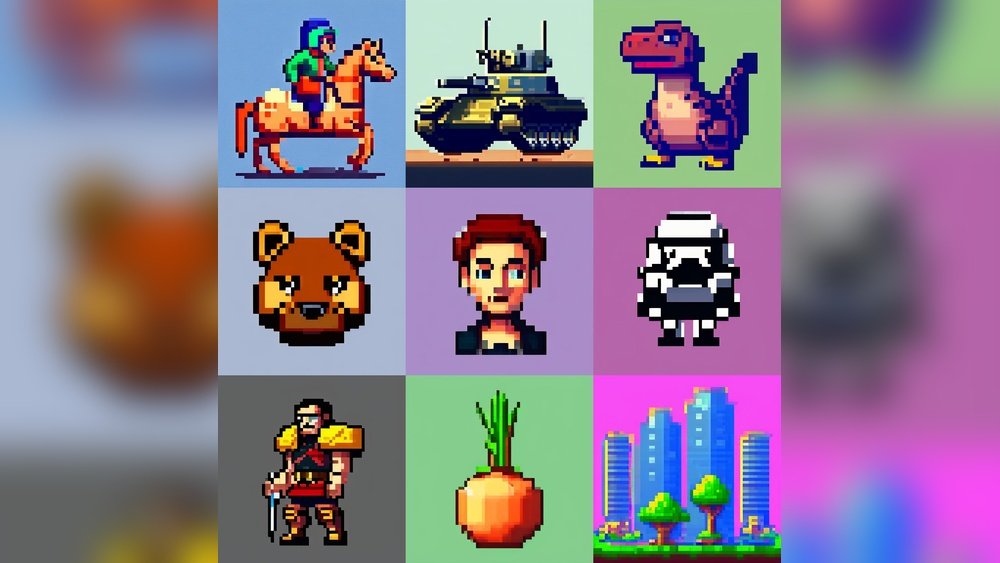
Are you curious whether that pixel art you love was crafted by a human hand or generated by AI? With AI tools becoming smarter every day, it’s getting trickier to tell the difference.
But don’t worry—you can learn to spot the subtle clues that reveal an AI’s touch. You’ll discover simple ways to identify AI-generated pixel art by looking at details you might have never noticed before. Ready to sharpen your eye and impress your friends with your pixel art detective skills?
Keep reading to find out how to tell if pixel art is AI-made!
Visual Clues In Pixel Art
Visual clues in pixel art help identify whether the work is AI-generated. Pixel art has distinct features that human artists and AI create differently. Careful observation reveals subtle signs that expose AI origins. These signs include strange anatomy, unnatural smoothness, and surreal details. Recognizing these clues improves your skill in spotting AI pixel art quickly.
Anatomical Oddities
AI often misplaces or distorts body parts in pixel art. Extra fingers, missing limbs, or uneven ears are common mistakes. Faces may look strange with asymmetrical eyes or odd mouth shapes. These errors occur because AI struggles to fully understand human anatomy. Human artists tend to avoid such glaring mistakes.
Unnatural Smoothness
Pixel art usually shows clear, sharp edges and distinct pixels. AI-generated art sometimes has overly smooth or blurred areas. Skin or surfaces may lack the tiny texture details expected in pixel art. This smoothness makes the art look less authentic and more digital. It breaks the typical pixel grid structure that human artists maintain.
Surreal Details
AI pixel art can include odd or dreamlike elements that make no sense. Objects might float, merge into backgrounds, or have strange shapes. For example, a faucet with no sink or a tree with glowing leaves. These surreal details arise from AI’s confusion about real-world logic. Human artists rarely create such impossible scenes in pixel art.

Credit: www.tumblr.com
Lighting And Shadow Flaws
Lighting and shadow play a key role in pixel art. They create depth and mood. Errors in these areas often reveal AI-generated pixel art. AI sometimes struggles with realistic light behavior. Shadows and highlights may not align with the scene’s logic. Spotting these flaws helps identify fake pixel art.
Inconsistent Light Sources
Pixel art usually has one clear light source. This creates consistent highlights and shadows. AI-generated art may show several conflicting light directions. For example, a character’s face lit from the left but their body lit from the right. Such inconsistencies confuse the eye. They break the natural look of the image. These irregularities suggest AI involvement.
Mismatched Shadows
Shadows anchor objects in a scene. They follow the light source’s angle and distance. AI often places shadows incorrectly or with odd shapes. Sometimes shadows fall opposite the light source or disappear entirely. Other times, shadows are too soft or too sharp without reason. These mismatches make the pixel art feel off. They serve as clues that AI created the piece.
Color And Texture Uniformity
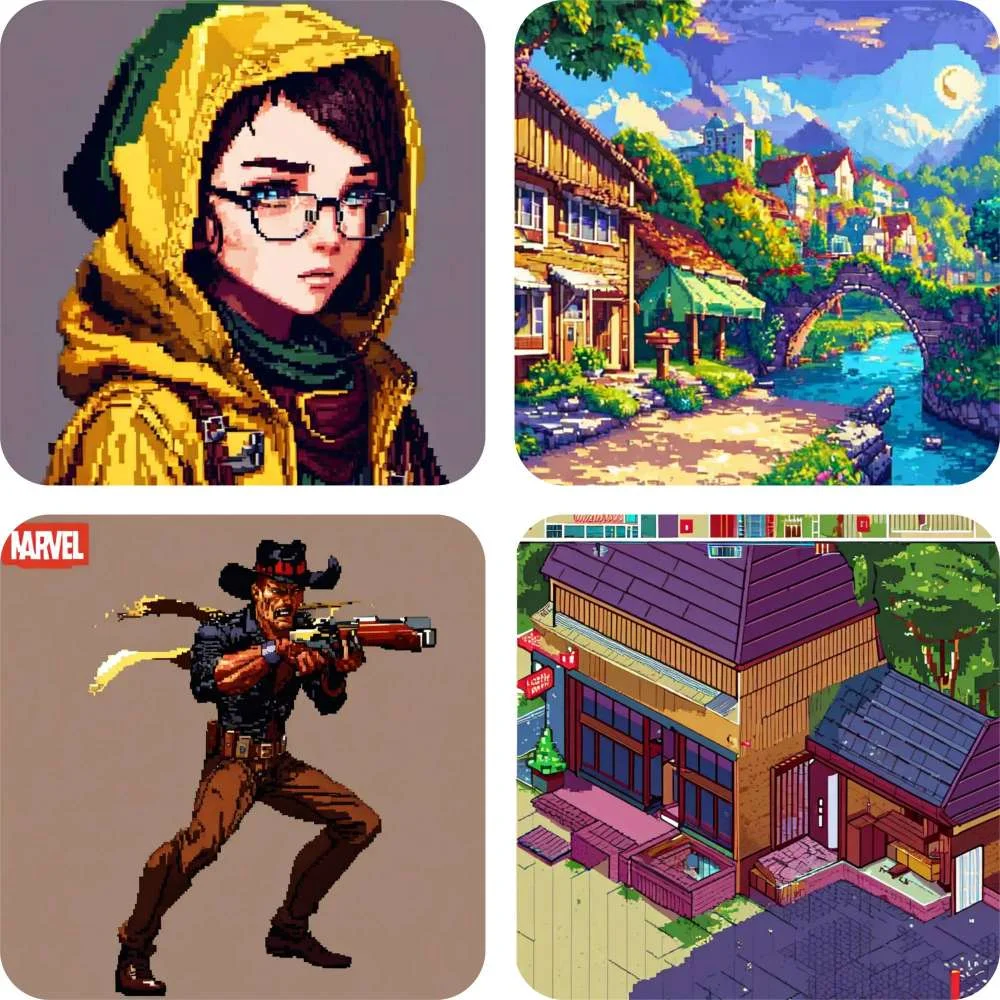
Color and texture uniformity plays a key role in spotting AI-generated pixel art. Genuine pixel art often has subtle variations in colors and textures. These differences give the art a handmade feel. AI creations tend to show unusual uniformity. This uniformity can make the art appear too smooth or too perfect, which looks unnatural.
Overly Perfect Colors
AI pixel art may use colors that are too consistent. The shades often lack natural shifts or slight errors. Real pixel artists choose colors with small variations. These add depth and life to the image. When colors look flat or exactly the same, it can be a sign of AI. The colors do not blend or transition like human-made art. Instead, they appear almost mechanical and uniform.
Lack Of Texture Variation
Texture is another clue to spot AI pixel art. Human artists add small, uneven details to create texture. AI art may miss these nuances. The surface in AI art often looks smooth and plain. It lacks the roughness or graininess that real pixel art shows. This absence of texture variation makes the image feel artificial. Watching for these texture patterns helps identify AI-generated pieces quickly.
Credit: animegenius.live3d.io
Emotionless Faces And Poses
Emotionless faces and poses often reveal AI-generated pixel art. AI struggles to capture natural human expressions and lifelike body language. The result is characters that seem stiff or empty. This lack of emotion makes pixel art feel less authentic and less engaging.
Human artists add subtle emotions to faces, like slight smiles or frowns. They use natural poses that show movement or personality. AI, in contrast, produces faces with blank eyes and frozen stances. These emotionless features stand out when comparing AI art to human-made art.
Blank Or Empty Eyes
AI pixel art often shows characters with eyes that lack depth. The eyes may be simple dots or solid blocks of color. They rarely show reflections or highlights. This gives faces a lifeless, robotic look. Human artists usually add small details to the eyes to bring them to life.
Stiff And Unnatural Poses
Characters in AI pixel art often hold stiff, awkward poses. The limbs may appear rigid and without flow. Natural body curves and movement are missing. Human artists design poses that express emotion or action. AI struggles to recreate this natural fluidity.
Missing Subtle Facial Expressions
AI pixel art lacks subtle facial cues like slight smiles, raised eyebrows, or frowns. These small details convey mood and personality. Without them, faces look flat and emotionless. Human artists use these tiny details to create connection with the viewer.
Text And Lettering Issues
Text and lettering in pixel art often reveal if the piece is AI-generated. AI struggles with tiny details and sharp edges that letters require. This makes text in AI pixel art look strange or unclear. Such issues stand out because pixel art usually demands precise and readable lettering.
Unreadable Text
AI pixel art often has text that is hard to read. Letters may blur together or look like random shapes. The small size of pixel art makes it tough for AI to form clear characters. This leads to text that looks messy or broken. Human artists usually keep text sharp and easy to understand.
Incorrect Letter Shapes
Letters in AI pixel art often have wrong or odd shapes. Some parts may be missing or oddly placed. AI may confuse letters, making them look like symbols or strange marks. This happens because AI does not fully grasp letter structures. Real pixel art lettering has consistent and clean shapes.
Watermarks And Signatures
Watermarks and signatures often reveal the origin of pixel art. Artists use these marks to claim their work. AI-generated pixel art may have unique or hidden signs. These clues help distinguish human-made art from AI creations.
Hidden Ai Marks
Some AI tools add subtle watermarks to their images. These marks might be invisible at first glance. Zooming in or adjusting brightness can reveal them. They may appear as faint letters or symbols inside the pixel art. Hidden AI marks help trace the image back to the AI source. Spotting these marks is a key step in identifying AI-generated pixel art.
Unusual Artist Tags
AI-generated pixel art sometimes includes strange or unfamiliar artist signatures. These tags may look random or machine-like. They might use unusual fonts or patterns not typical of human artists. The tags can be strings of letters and numbers or odd symbols. Unusual artist tags hint that the image may come from an AI system. Checking the signature closely can provide strong clues about the art’s origin.
Image Metadata Insights
Image metadata holds hidden details that help identify if pixel art is AI-generated. This data stores information about the image file beyond what appears visually. Examining metadata offers clues about the artwork’s origin and creation process. It often reveals technical specifics, timestamps, and software used.
These clues can help distinguish between human-made pixel art and AI creations. Metadata acts like a digital fingerprint, providing useful insights without altering the image itself.
Creation Date Clues
The creation date in metadata shows when the image was made or last edited. AI-generated pixel art often has very recent timestamps, sometimes matching the exact moment of download or generation. Human artists usually have dates spanning longer periods due to edits and revisions.
Look for suspiciously fresh dates or multiple files created within seconds. These patterns may indicate AI involvement. Older, carefully spaced dates suggest traditional workflows.
Software Information
Metadata often lists the software or tools used to create or edit the image. AI tools leave specific signatures or names in this section. Programs like “DALL·E,” “Stable Diffusion,” or “Midjourney” can appear here.
Traditional pixel art software names include “Aseprite,” “Photoshop,” or “GraphicsGale.” Spotting AI tool names signals an automated creation. Absence of known art software might also raise questions.

Credit: www.reddit.com
Caption And Profile Indicators
Captions and profile details often reveal clues about the origin of pixel art. Artists who use AI tools tend to mention it openly in their captions or profiles. These indicators can help you quickly identify AI-generated pixel art without analyzing the image itself.
Ai Mentions
Many creators who use AI pixel art generators include notes about it in their captions. They might write terms like “AI-generated,” “created with AI,” or mention the specific tool used. These statements serve as direct hints that the artwork is machine-made.
Profiles dedicated to AI art often highlight their use of artificial intelligence in the bio section. Phrases such as “AI artist” or “machine learning” appear regularly. Spotting these terms can save time and confirm the art’s origin.
Prompt References
Captions sometimes contain the exact prompts or keywords used to generate the pixel art. These text fragments look unusual for traditional artists but common for AI art. For example, phrases like “pixel art of a dragon, 8-bit style” or “colorful pixel landscape” may show up.
Profiles might also list prompt examples or share the text commands used to create their images. This transparency helps viewers understand how the AI crafted the pixel art. It also distinguishes AI art from hand-drawn pieces.
Using Reverse Image Search
Using reverse image search is a practical way to identify if pixel art originates from AI. This tool allows you to trace where an image appears online. It can reveal copies or similar images that might link to AI generation. Reverse image search is free and easy to use for anyone with an internet connection.
Upload the pixel art or paste its URL into a reverse image search engine. The results show websites and pages featuring the same or related images. These results can provide clues about the image’s origin. This method helps separate human-made pixel art from AI creations by checking how and where the image is used.
Detecting Duplicate Images
Reverse image search finds duplicates of the pixel art on the web. AI-generated art often appears in many places quickly. Many duplicates or near-identical images suggest automated creation. Human artists rarely produce exact copies of pixel art repeatedly. Spotting many matches helps suspect AI involvement.
Finding Ai Contexts
Search results often include text around the images. Look for keywords like “AI,” “generated,” or names of AI tools. These hints indicate the pixel art might come from AI software. Sometimes results link to forums or websites discussing AI art. This context confirms if AI created or altered the pixel art.
Ai Detection Tools
AI detection tools help identify pixel art created by artificial intelligence. They analyze images for patterns and features typical of AI generation. These tools offer a quick way to check artwork without deep technical knowledge. They compare the image with known AI-generated art to find similarities. Pixel art has unique traits, and AI tools focus on these to spot fakes. Using these tools can save time and effort in verifying authenticity.
Popular Online Checkers
Several online checkers scan pixel art for AI signs. Tools like Deepware Scanner and AI Image Detector are common choices. They use machine learning models trained on many images. These checkers highlight areas that look unnatural or too perfect. Some detect pixel-level inconsistencies or unusual color patterns. Most online tools are free and easy to use. Upload your pixel art, and the checker gives instant results. They work well for both beginners and experienced artists.
Limitations To Consider
AI detection tools are not 100% accurate. They may flag real art as AI or miss some AI-generated pieces. Pixel art style varies widely, which can confuse detectors. Some tools struggle with low-resolution images common in pixel art. AI models improve, making detection harder over time. Use these tools as a guide, not the final judge. Always combine tool results with your own careful observation.
Frequently Asked Questions
Can You Tell If Art Is Ai-generated?
You can spot AI-generated art by checking for odd anatomy, unrealistic textures, strange lighting, or unnatural colors. Look for AI watermarks, metadata clues, and use reverse image search to verify the source. AI art often lacks genuine emotion and contains unusual details or text errors.
How To Check If Art Is Ai-generated?
Check for visual errors like strange anatomy, unrealistic lighting, or smooth textures. Review image metadata, watermarks, captions, and use reverse image search to spot AI-generated art.
How Can I Tell If An Image Is Ai-generated?
You can spot AI-generated images by checking for odd anatomy, unnatural textures, inconsistent lighting, or strange objects. Look for AI watermarks, unusual metadata, and use reverse image search for clues. Emotionless expressions and unreadable text also indicate AI creation.
How To Tell If Something Is Ai-generated?
Check for visual errors like odd anatomy, unrealistic textures, or inconsistent lighting. Look for AI watermarks, metadata clues, captions mentioning AI, or use reverse image search and AI detection tools.
What Are Common Signs Of Ai-generated Pixel Art?
Look for visual mistakes, odd colors, unrealistic details, or unnatural symmetry in the pixel art.
How Can Lighting Reveal Ai-made Pixel Art?
Inconsistent shadows or light sources that don’t match the scene often indicate AI creation.
Does Pixel Art Resolution Indicate Ai Use?
AI art sometimes has blurry or uneven pixels compared to crisp, clear human-made pixel art.
Can Metadata Help Identify Ai Pixel Art?
Yes, image metadata may contain AI tool information or editing history.
What Role Do Color Palettes Play In Spotting Ai Pixel Art?
Unnatural or overly uniform color use can signal AI-generated pixel art.
Are Anatomical Errors Common In Ai Pixel Art?
Yes, AI often misplaces body parts or creates impossible anatomy in pixel art.
Conclusion
Recognizing AI-made pixel art takes a careful eye for small details. Watch for odd shapes, strange lighting, or too-perfect textures. Check if shadows or colors look unnatural or uniform. Look closely at faces for stiff or empty expressions. Sometimes, text within the art appears unclear or incorrect.
Using reverse image search can help find the original source. These tips make spotting AI pixel art easier and more accurate. Practice and attention improve your skill in telling the difference. Keep observing, and you’ll soon identify AI art with confidence.