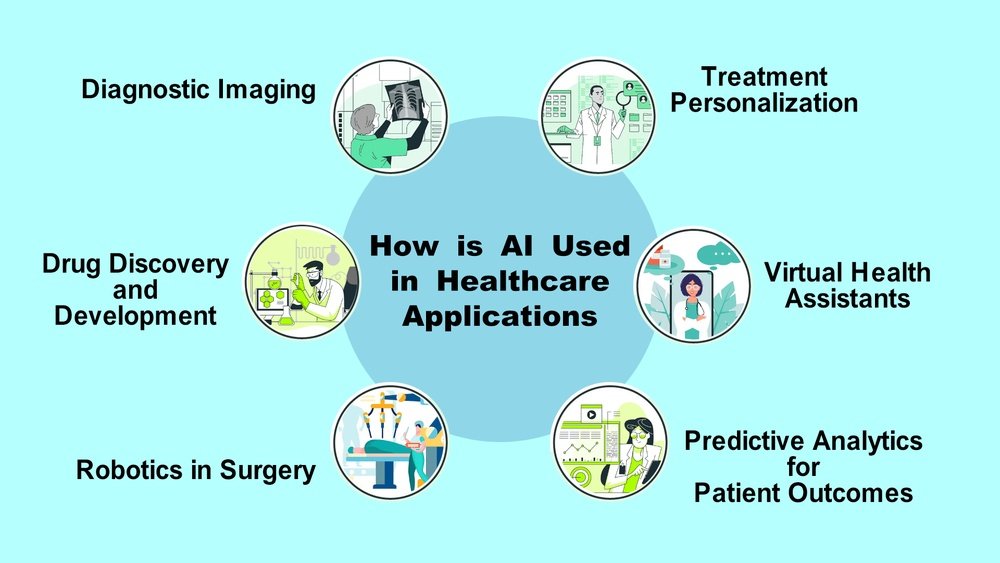
Imagine having a smart assistant that helps doctors spot health issues faster, personalizes your treatment, and even handles the paperwork behind the scenes. That’s exactly what AI is doing in healthcare today.
You might wonder how this technology touches your own health journey or the care you receive. You’ll discover the real ways AI is transforming healthcare—from detecting diseases early to making your doctor’s visit smoother. Keep reading to find out how AI is quietly working to improve your health and the future of medicine.
Ai In Medical Imaging
Artificial intelligence plays a vital role in medical imaging. It helps doctors examine images faster and with more detail. AI tools assist in spotting health issues that might be missed by the human eye. This technology supports healthcare providers in making better decisions and improving patient care.
Detecting Cancer Early
AI analyzes medical images to find signs of cancer at an early stage. It can detect tiny tumors that are hard to see. Early detection leads to timely treatment and better outcomes. This helps save many lives by catching cancer before it spreads.
Analyzing Radiology Scans
Radiology scans contain a lot of complex data. AI systems quickly process this information to highlight important details. They compare images with large databases to identify abnormalities. This makes the review process faster and more thorough for radiologists.
Improving Diagnostic Accuracy
AI reduces human errors in reading medical images. It provides a second opinion to confirm findings. This boosts confidence in diagnoses and treatment plans. Better accuracy means patients get the right care sooner, improving recovery chances.
Predictive Analytics
Predictive analytics uses AI to analyze large health data sets. It helps healthcare providers make better decisions. This technology improves patient outcomes by forecasting health risks and treatment effects. AI models learn from past cases and spot patterns invisible to humans. This leads to faster, more accurate healthcare interventions.
Identifying High-risk Patients
AI algorithms scan patient records to find those at high risk. They consider factors like age, lifestyle, and medical history. Early detection allows doctors to act before conditions worsen. This reduces emergency visits and hospital stays. Identifying high-risk patients helps focus medical resources effectively.
Forecasting Disease Progression
AI predicts how diseases might evolve over time. It uses data from tests, scans, and symptoms. Doctors can prepare treatment plans suited to the disease stage. This forecasting aids in managing chronic illnesses better. It also helps patients understand their future health outlook.
Personalizing Treatment Plans
AI tailors treatments based on individual patient data. It considers genetics, environment, and response to past therapies. This approach increases treatment success rates and reduces side effects. Personalized plans make healthcare more efficient and patient-friendly. It moves care from one-size-fits-all to precision medicine.
Virtual Health Assistants
Virtual health assistants play a key role in modern healthcare. They use artificial intelligence to help patients and medical staff. These assistants work 24/7 and handle many routine tasks. This support allows healthcare workers to focus more on patient care. Virtual assistants also improve the overall patient experience by making services faster and easier to access.
Automating Patient Scheduling
Virtual health assistants manage appointment bookings automatically. They can check doctors’ availability and book slots without human help. Patients can schedule or reschedule visits using simple chat or voice commands. This reduces waiting times and missed appointments. The automation also lowers the workload on front desk staff.
Managing Electronic Records
These assistants organize and update patient records efficiently. They ensure that medical data stays accurate and easy to find. Virtual assistants can extract important information quickly during consultations. This helps doctors make better decisions based on complete patient histories. Automation also reduces errors caused by manual data entry.
Supporting Clinical Decision-making
Virtual health assistants provide doctors with useful insights from medical data. They analyze symptoms, test results, and patient history rapidly. This support helps clinicians choose the best treatment plans. AI can alert doctors to potential risks or drug interactions. These tools act as a second opinion, improving patient safety and care quality.
Credit: www.forbes.com
Ai-driven Drug Discovery
Remote monitoring tools have transformed healthcare by allowing patients and doctors to stay connected outside hospitals. These tools use AI to track health data continuously. They help in managing chronic diseases and improve patient care quality. AI-powered remote monitoring reduces hospital visits and enables care from home.
Wearables For Health Tracking
Wearable devices collect health information like heart rate, sleep patterns, and activity levels. AI analyzes this data to spot unusual trends. These devices help patients monitor their health daily. Doctors get valuable insights to adjust treatments quickly. Wearables make health tracking easy and accessible.
Real-time Patient Data Analysis
AI systems analyze patient data as it arrives in real time. This quick analysis detects problems early. It alerts healthcare providers instantly about critical changes. Real-time data helps in making faster, better decisions. Continuous monitoring keeps patients safer and more informed.
Enabling Early Intervention
Early intervention can prevent serious health issues. AI identifies warning signs before symptoms worsen. Doctors receive alerts to act promptly and prevent emergencies. Patients benefit from timely care and fewer hospital stays. AI-driven early intervention saves lives and cuts costs.
Remote Monitoring Tools
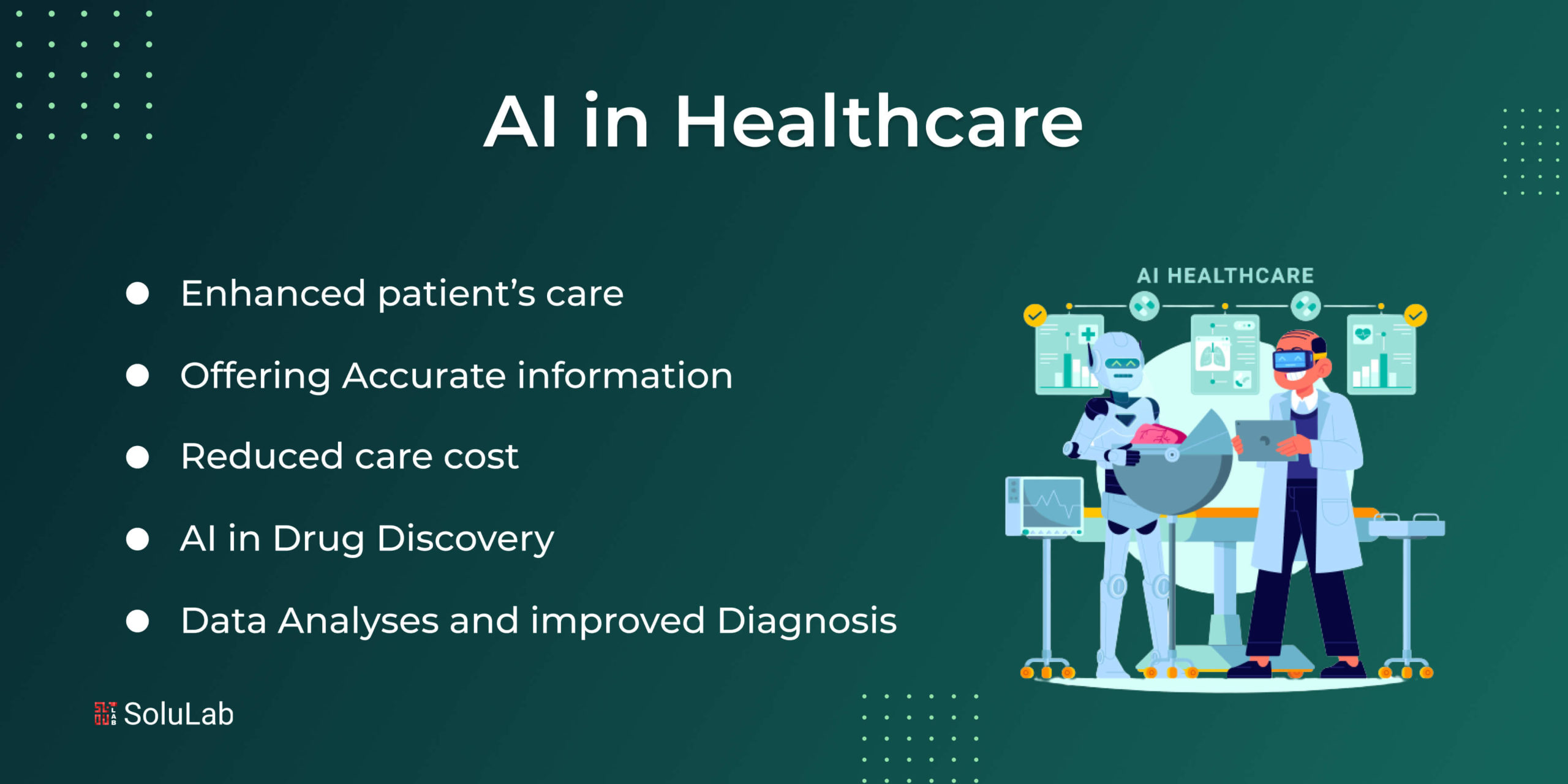
Artificial intelligence plays a key role in streamlining administrative tasks in healthcare. It helps reduce time spent on repetitive work. This allows healthcare staff to focus more on patient care. AI tools improve accuracy and speed across many office functions.
These improvements lower costs and reduce errors. Patients receive faster service and better experiences. Healthcare providers gain better control over their daily operations. Here are some ways AI supports administrative efficiency.
Automating Billing Processes
AI can process medical bills quickly and without mistakes. It checks insurance claims automatically. AI identifies errors or missing information before submission. This reduces claim rejections and delays in payment.
Automation speeds up billing cycles. It also frees staff from manual data entry. Healthcare providers get paid faster and more accurately. Patients benefit from clearer billing statements.
Reducing Manual Documentation
AI helps convert spoken words into written records. It listens to doctor-patient conversations and creates notes automatically. This cuts down the time doctors spend on paperwork.
Electronic health records stay up-to-date with less effort. Staff can find important information quickly. Accurate documentation reduces mistakes and improves patient safety.
Improving Workflow Efficiency
AI analyzes daily tasks and suggests better ways to work. It helps schedule appointments to reduce waiting times. AI also assigns tasks based on staff availability and skills.
Workflows become smoother and faster. Employees feel less stressed and more productive. Healthcare facilities run more efficiently and serve patients better.
Credit: www.solulab.com
Streamlining Administrative Tasks
Artificial intelligence plays a vital role in improving clinical trials. It helps make trials faster and more accurate. AI tools analyze large amounts of data to support researchers and doctors. These technologies boost the quality of healthcare studies.
Patient Recruitment Optimization
Finding the right patients is a key challenge in trials. AI algorithms scan medical records to identify suitable candidates. This process saves time and reduces errors. It matches patients based on specific criteria like age and health conditions. Better recruitment leads to more reliable study results.
Data-driven Outcome Analysis
AI processes vast data from trial participants. It detects patterns that humans might miss. This analysis helps predict treatment effectiveness early. Researchers use these insights to adjust trial methods quickly. It improves the accuracy of conclusions about new therapies.
Reducing Trial Timelines
AI automates many tasks in clinical trials. It speeds up data collection and monitoring. Faster processing means trials finish sooner. This allows quicker access to new medicines for patients. Shorter timelines also reduce the overall cost of research.
Ai In Personalized Care
Artificial intelligence (AI) is transforming healthcare with new tools and methods. Yet, the use of AI raises important ethical and privacy concerns. Protecting patient information and ensuring fairness in AI systems are top priorities. These concerns must be addressed to maintain trust and safety in healthcare.
Protecting Patient Data
Patient data is sensitive and must be kept secure. Healthcare providers use strong encryption to protect data from breaches. Access controls limit who can see patient records. AI systems must follow strict privacy laws. Patients should know how their data is used and stored.
Ensuring Algorithm Transparency
AI algorithms should be clear and understandable. Doctors need to know how AI makes decisions. Transparency helps identify errors or biases in AI models. Open communication about AI processes builds trust among patients and healthcare workers. Clear explanations improve acceptance of AI tools.
Addressing Bias In Ai Models
AI can inherit biases from the data it learns from. Biased AI may lead to unfair treatment or misdiagnoses. Developers must test AI with diverse data sets. Regular reviews help find and fix biases. Fair AI ensures better care for all patients regardless of background.
Credit: nextgeninvent.com
Frequently Asked Questions
How Is Ai Used In The Healthcare Industry?
AI improves healthcare by analyzing medical images, predicting diseases, personalizing treatment, automating tasks, and enhancing drug discovery. It also supports patient monitoring through digital tools and wearables, boosting efficiency and care quality.
What Are The Main Uses Of Ai In Healthcare Today?
AI helps in diagnosis, treatment plans, patient monitoring, and managing medical records efficiently.
How Does Ai Improve Medical Diagnosis Accuracy?
AI analyzes medical images and data faster, helping doctors detect diseases earlier and more accurately.
Can Ai Assist Doctors In Personalized Treatment Plans?
Yes, AI uses patient data to suggest treatments tailored to individual needs and conditions.
How Does Ai Support Patient Monitoring And Care?
AI-powered devices track health signals and alert caregivers about any changes or emergencies.
What Role Does Ai Play In Managing Healthcare Data?
AI organizes and processes large volumes of medical records, making data access faster and error-free.
How Is Ai Used In Drug Discovery And Development?
AI speeds up drug research by predicting how molecules will interact, reducing development time.
Does Ai Help Reduce Healthcare Costs?
Yes, AI automates routine tasks and improves efficiency, leading to cost savings for providers.
How Does Ai Impact Healthcare Workflow And Administration?
AI automates scheduling, billing, and paperwork, reducing errors and freeing staff for patient care.
Can Ai Improve Patient Engagement And Communication?
AI chatbots provide 24/7 support, answer questions, and remind patients about appointments or medication.
Conclusion
AI helps doctors diagnose diseases faster and more accurately. It also improves patient care by personalizing treatments. AI reduces errors and saves time in hospitals. It supports managing medical records and scheduling appointments. This technology continues to grow and change healthcare daily.
Patients and doctors both benefit from AI’s assistance. The future of healthcare will include more AI tools. Staying informed about AI’s role can help everyone.