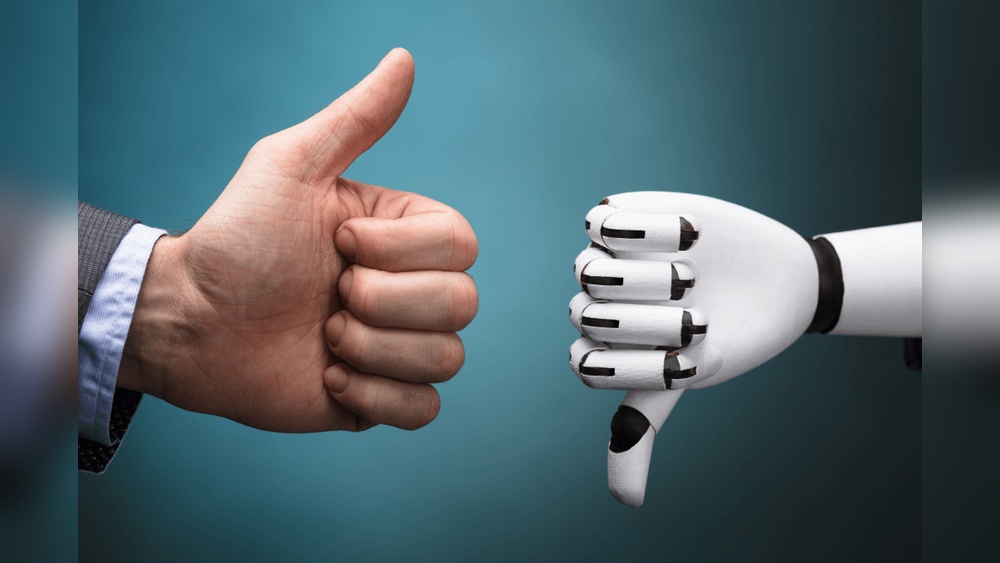
You might be surprised to learn that AI, often seen as a breakthrough for progress, comes with serious risks that could affect your life in ways you never imagined. From job losses to privacy invasions, and from hidden biases to threats in security, AI’s darker side is creeping into everyday realities.
What if the technology you rely on starts making decisions that are unfair or even harmful? Or worse, what if it quietly erodes your control and freedoms without you noticing? If you want to understand why AI isn’t all good and how it could impact your future, keep reading—this is something you need to know.
Job Losses And Automation
Artificial Intelligence (AI) has transformed many industries by automating tasks once done by humans. This automation often improves efficiency and reduces costs. Yet, it also brings significant challenges, especially in the job market. The rise of AI-driven automation threatens many traditional jobs, creating uncertainty for workers worldwide.
As machines take over repetitive and routine tasks, fewer human workers are needed. This shift can lead to widespread job losses in sectors like manufacturing, retail, and customer service. Workers with less technical skill may find it harder to secure new employment. The impact on low and middle-income jobs is particularly severe.
Automation Replacing Human Roles
AI systems perform tasks faster and more accurately than humans. Robots can assemble products, while software handles data entry and scheduling. These changes reduce the need for human labor. Many companies prefer machines because they work nonstop without breaks. This trend accelerates job displacement across industries.
Economic Impact On Workers
Job losses cause financial stress for affected workers and their families. Reduced income leads to lower spending in local economies. Communities reliant on certain industries may face economic decline. Unemployment benefits and retraining programs often fall short of meeting demand. This creates a cycle of hardship and limited opportunities.
Challenges In Job Transition
Workers must adapt to new roles requiring different skills. Many struggle to learn advanced technology or coding. Age and education levels affect how easily someone can retrain. Without proper support, displaced workers risk long-term unemployment. This gap increases social inequality and affects overall economic growth.
Widening Economic Inequality
Artificial Intelligence (AI) is changing how economies work. Yet, it also makes economic inequality worse. This means the gap between rich and poor grows larger.
Many companies use AI to cut costs. This often means fewer jobs for workers. People with low skills lose jobs faster. Rich people and big companies gain more money. This uneven gain causes more poverty and fewer chances for others.
Job Losses Hit Low-skill Workers Hardest
AI replaces tasks that need little training. Factory workers and clerks face the highest risk. Machines do their jobs faster and cheaper. These workers struggle to find new work. This shift leaves many without steady income.
Wealth Concentrates In Tech And Capital Owners
AI technology owners gain most profits. Investors and tech firms see big earnings. They control the tools that create wealth. Workers and small businesses get less share. This concentration raises the wealth gap quickly.
Limited Access To Ai Benefits For Poor Communities
Poor areas lack access to AI tools. Schools and hospitals in these places get fewer resources. This limits chances to improve skills and health. Without access, inequality grows deeper and lasts longer.
Bias In Ai Algorithms
Bias in AI algorithms is a serious problem. AI systems learn from data given by humans. If the data has bias, AI will copy and even increase it. This leads to unfair results and discrimination.
Many AI tools make decisions in hiring, lending, and law enforcement. When bias is present, some groups face unfair treatment. This can affect people’s jobs, money, and freedom.
How Bias Enters Ai Algorithms
Bias often comes from the data used to train AI. If data mostly shows one group, AI may treat others unfairly. Also, human choices in designing AI can add bias.
Examples Of Biased Ai Impact
AI in hiring may reject qualified candidates from certain backgrounds. Loan approval AI might deny loans more to minority groups. In law, biased AI can wrongly predict higher risks for some people.
Challenges In Fixing Ai Bias
Removing bias is hard because AI is complex. Data may hide subtle biases that are hard to detect. Developers must test AI carefully and use fair data sets.
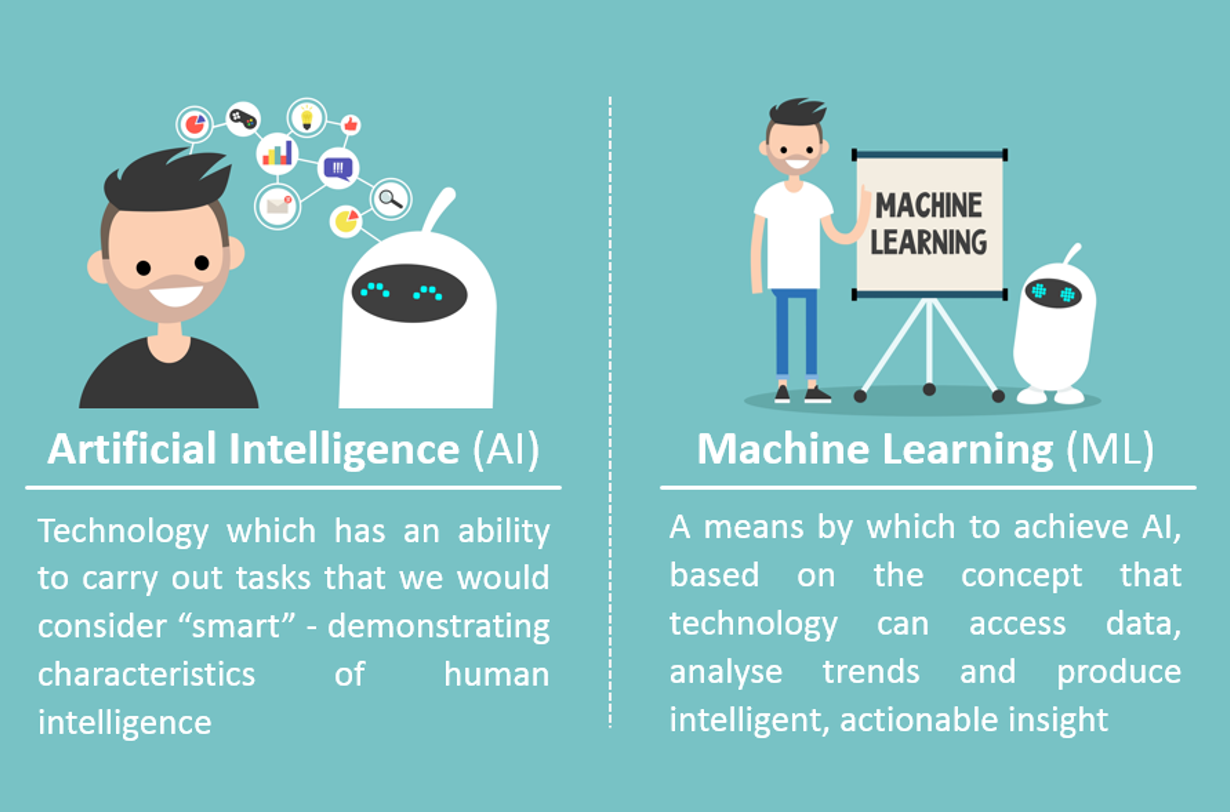
Credit: blog.appliedinnovationexchange.com
Threats To Data Privacy
Artificial intelligence poses serious threats to data privacy. AI systems collect and analyze vast amounts of personal information. This data often includes sensitive details about individuals’ lives. Risks arise when this information is stored, shared, or hacked. Privacy breaches can lead to identity theft, financial loss, and emotional distress.
AI can also track user behavior without clear consent. This constant surveillance invades personal space and freedom. Data misuse happens when companies or hackers exploit this information. It becomes harder for people to control who sees their data and how it is used.
Data Collection Without Consent
Many AI tools gather data without explicit permission. Users may not know what information is being collected. This hidden data collection breaks trust and violates privacy rights. Sometimes data is taken from multiple sources and combined to create detailed profiles. These profiles can reveal private habits and preferences.
Risks Of Data Breaches
AI systems store large amounts of sensitive data. Hackers target these systems to steal information. Data breaches expose personal details like addresses and financial records. Once leaked, this data can be used for fraud or blackmail. Companies often struggle to protect data from cyberattacks.
Lack Of Transparency In Data Usage
AI models often operate as “black boxes.” Users cannot see how their data is processed or shared. This lack of transparency hides potential misuse of information. Without clear rules, data may be sold or shared without consent. It also prevents users from making informed privacy choices.
Surveillance And Profiling
AI can monitor online and offline activities continuously. This surveillance creates detailed profiles of individuals. These profiles influence decisions in hiring, lending, and law enforcement. Profiling risks discrimination and unfair treatment. It also erodes personal freedom and anonymity.
Spread Of Disinformation
Security vulnerabilities in AI systems pose serious risks to individuals and organizations. These weaknesses can lead to data breaches, unauthorized access, and manipulation of AI outputs. Attackers exploit flaws in AI to cause damage or steal sensitive information.
AI often relies on large data sets, which become targets for cyber criminals. If hackers access this data, they can misuse personal or business information. Weak security measures increase the chance of such breaches.
AI models themselves can be tricked or fooled by malicious inputs. This manipulation, known as adversarial attacks, can cause AI to make wrong decisions. Such errors in critical systems may lead to financial loss or safety hazards.
Data Breaches And Privacy Risks
AI systems store and process huge amounts of data. Personal details, financial records, and business secrets are at risk. Poorly secured AI platforms can expose this data to hackers easily. Privacy violations harm users and damage trust in AI technology.
Adversarial Attacks On Ai Models
Hackers create deceptive inputs to confuse AI algorithms. These attacks can cause AI to misclassify images or misinterpret commands. Security gaps in AI allow these manipulations to happen unnoticed. The results can be dangerous in areas like healthcare or autonomous vehicles.
Insufficient Security Measures
Many AI systems lack strong security controls. Developers often focus more on performance than protection. This neglect leaves AI vulnerable to cyber threats. Regular updates and robust encryption are needed to reduce risks.
Manipulation And Misuse Of Ai Outputs
Attackers can alter AI-generated content or decisions. Fake news, deepfakes, and fraudulent transactions are examples. These manipulations exploit trust in AI systems. Protecting AI outputs is essential for maintaining integrity and safety.
Security Vulnerabilities
Autonomous weapons powered by AI raise serious ethical concerns. These weapons can select and attack targets without human control. This lack of human judgment creates risks that demand attention. The consequences of errors or misuse can be devastating.
Ethical questions arise about accountability and decision-making. Who is responsible if an autonomous weapon kills innocent people? The moral implications are complex and troubling.
Loss Of Human Control
Autonomous weapons remove humans from critical decisions. Machines decide when to use deadly force. This can lead to mistakes or unintended harm. Humans may lose the ability to intervene in time.
Accountability Challenges
It is unclear who is responsible for the weapon’s actions. The programmer, operator, or manufacturer? Without clear accountability, justice becomes difficult. Victims might not receive proper compensation or support.
Risk Of Malfunction And Errors
AI systems can malfunction or misinterpret data. A wrong target could be identified and attacked. Errors might increase during complex or unpredictable situations. The results can be catastrophic for civilians.
Escalation Of Conflict
Autonomous weapons may lower the threshold for war. Nations might feel freer to use force without risking soldiers. This could increase global tensions and conflicts. The danger of rapid escalation grows significantly.
Violation Of International Laws
Many autonomous weapon systems may violate laws of war. They might fail to distinguish between combatants and civilians. This breaches principles of proportionality and discrimination. Such violations undermine global peace efforts.
Ethical Issues With Autonomous Weapons
The rise of artificial intelligence poses a serious threat to human autonomy. Autonomy means having control over our own decisions and actions. AI systems increasingly make choices for us, often without our full understanding or consent.
This shift reduces personal freedom and independence. People may rely too much on AI, losing their ability to think critically and decide freely. The more AI controls daily tasks, the less humans exercise their own judgment.
How Ai Limits Personal Decision-making
AI can shape what we see and choose online. Algorithms suggest news, products, and friends based on past behavior. This narrows options and influences decisions subtly. Over time, people may stop exploring new ideas or viewpoints.
The Risk Of Overdependence On Ai
Relying heavily on AI tools can weaken mental skills. Simple tasks like navigation or problem-solving become automated. This reduces practice of important cognitive abilities. People might feel lost without AI assistance.
Loss Of Privacy And Control
AI collects vast amounts of personal data to function effectively. This data use often lacks transparency and consent. Users lose control over how their information shapes AI decisions. Privacy erosion limits true autonomy.
Ethical Concerns Over Ai Decision Authority
AI systems sometimes make choices with moral consequences. Delegating ethical decisions to machines raises serious questions. Machines lack human empathy and understanding. This can lead to unfair or harmful outcomes without human oversight.
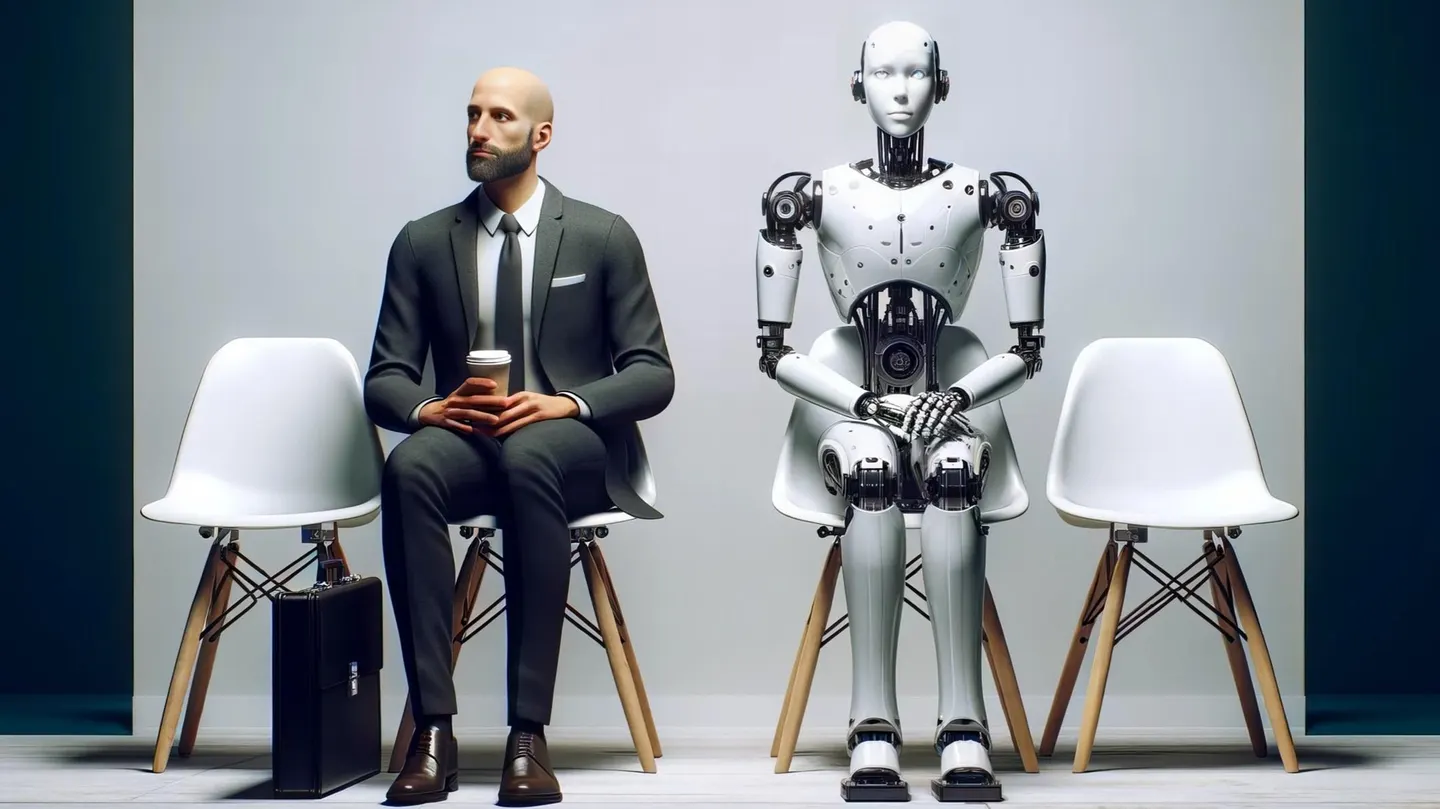
Credit: bernardmarr.com
Loss Of Human Autonomy
Artificial Intelligence (AI) demands a large amount of energy to operate. Its environmental impact is significant and often overlooked. Data centers running AI systems consume vast electricity, contributing to carbon emissions.
Training complex AI models uses powerful computers for days or weeks. This process requires huge amounts of electricity. The energy often comes from fossil fuels, increasing pollution and global warming.
Manufacturing AI hardware also affects the environment. Mining for rare metals and producing chips create waste and emissions. These activities harm ecosystems and use nonrenewable resources.
Energy Consumption Of Ai Data Centers
AI data centers work nonstop to process information. They need cooling systems to prevent overheating, which uses even more energy. This constant power use strains local grids and raises carbon footprints.
Carbon Emissions From Ai Training
Training AI models releases high carbon emissions. Some studies show a single model can emit as much as several cars in their lifetime. These emissions accelerate climate change and harm the planet.
Resource Use In Ai Hardware Production
Producing AI chips requires rare minerals like lithium and cobalt. Mining these minerals damages land and pollutes water. The process also consumes large amounts of water and energy.
Environmental Impact Of Ai
The rise of artificial intelligence has changed how people interact and think. Many rely on AI tools for quick answers and tasks. This reliance can weaken important human skills. Social and cognitive abilities may decline as AI takes over simple thinking and communication.
People spend less time solving problems on their own. They also engage less in conversations that require deep thinking. Over time, this can reduce creativity and critical thinking. Social skills like empathy and reading emotions also suffer. These skills need practice and real interaction to grow strong.
Reduced Face-to-face Communication
AI often replaces direct human contact with digital interactions. Chatbots and virtual assistants handle many conversations. This limits chances to practice social cues like tone and body language. People may feel more isolated or misunderstood. Lack of real communication can harm relationships and social confidence.
Dependence On Ai For Problem Solving
AI provides instant solutions to many problems. This convenience can stop people from thinking deeply. Skills like reasoning, memory, and decision-making may weaken. Over time, this dependence lowers mental sharpness and creativity. The brain needs challenges to stay active and healthy.
Impact On Emotional Intelligence
Emotional intelligence involves understanding and managing feelings. AI cannot fully grasp human emotions or context. Relying on AI for social guidance may dull emotional awareness. People might struggle to connect or empathize with others. Emotional skills require human interaction and practice.

Credit: cassetteai.com
Frequently Asked Questions
What Are The Negatives Of Ai?
AI can cause job losses, reinforce biases, threaten privacy, enable disinformation, increase inequality, pose security risks, reduce human autonomy, and harm the environment.
What Are Three Reasons Why Ai Is Bad?
AI causes job losses through automation, amplifies biases in decision-making, and risks privacy breaches with extensive data use.
Why Is Ai Bad Right Now?
AI currently causes job losses, perpetuates bias, risks privacy, spreads disinformation, consumes high energy, and reduces human control.
What Did Elon Musk Say About Ai?
Elon Musk warned AI could become dangerous without proper regulation. He urged cautious development to prevent loss of human control. Musk sees AI as a potential existential risk if mismanaged.
What Are The Main Dangers Of Ai Technology?
AI can cause job loss, bias, privacy risks, and spread false information.
How Does Ai Cause Job Displacement?
AI automates tasks, reducing the need for human workers in many jobs.
Can Ai Increase Social And Economic Inequality?
Yes, AI benefits often favor the rich, widening the gap between classes.
Why Is Ai Bias A Serious Problem?
AI can copy human biases, leading to unfair decisions in hiring and loans.
How Does Ai Threaten Data Privacy?
AI collects and uses large data, risking leaks and misuse of personal information.
What Role Does Ai Play In Spreading Disinformation?
AI creates realistic fake content, making it hard to tell truth from lies.
Conclusion
AI brings many risks that affect jobs and fairness. It can cause job losses and widen economic gaps. AI systems often carry biases, hurting people unfairly. Privacy suffers as AI collects and uses personal data. False information spreads easily with AI tools like deepfakes.
Security threats grow when AI helps hackers and cyberattacks. Trust in AI weakens due to its unclear decision-making. People should be aware and cautious about AI’s dangers. Thoughtful actions can help manage AI’s negative impacts. Awareness and careful control matter for a safer future.