Wondering how long your blog post should be to grab attention and rank well? You’re not alone.
The right length can make a big difference in keeping your readers hooked and boosting your SEO. But here’s the thing—it’s not about hitting a magic number. It depends on what you want to achieve, who you’re writing for, and how deep your topic goes.
You’ll discover how to find the perfect balance that works for your blog. Stick around, and you’ll learn how to create posts that your readers love and search engines reward.
Ideal Blog Lengths
Choosing the right blog length depends on the topic and audience. Different types of posts need different word counts to perform well. The length affects reader engagement and SEO rankings. Understanding ideal lengths helps create content that meets readers’ needs and search engine standards.
Short posts deliver quick information. Medium posts balance detail and readability. Long posts provide deep insights and thorough coverage. Each length has unique benefits and suits different purposes.
Long-form Blog Posts
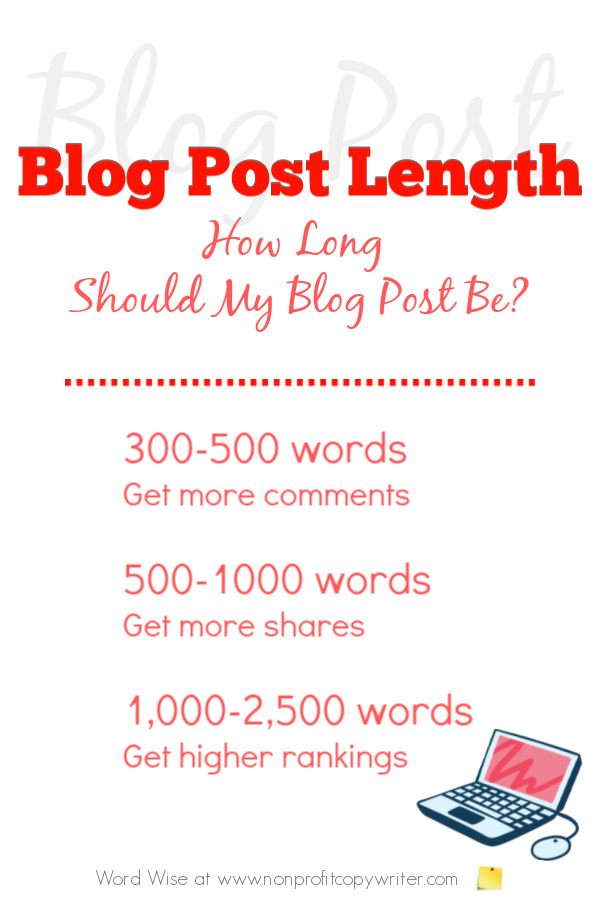
Long posts usually have 1,500 to 3,000 words or more. They work well for guides, tutorials, and detailed articles. Search engines favor in-depth content. Readers find these posts useful for complex topics.
Long posts often get more shares on social media. They keep readers on the page longer. This improves SEO and builds trust with the audience.
Medium-length Blog Posts
Medium posts range from 800 to 1,500 words. These suit how-to articles, lists, and general information. This length balances detail and easy reading.
Medium posts attract readers who want valuable content without too much time. They also perform well for SEO and social shares.
Short Blog Posts
Short posts have fewer than 800 words. They work best for news updates, announcements, and quick tips. Readers prefer short posts for fast information.
Short posts are easy to scan and share. They encourage comments and quick engagement. Ideal for simple questions or brief insights.
Length And Seo Impact
Blog post length plays a key role in SEO performance. Search engines value content that fully answers user questions. Length affects how well a post ranks and engages readers.
Longer posts often provide more detail and cover topics deeply. Shorter posts can be quick reads but might miss important points. The right length depends on the content and audience needs.
Optimal Length For Seo Rankings
Posts with 1,000 to 2,000 words tend to rank well on Google. This range allows for thorough explanations and keyword use. It gives search engines enough content to understand the topic clearly.
Very short posts may not include enough information. They can struggle to rank high in search results. Longer posts have more chances to include related keywords and subtopics.
User Engagement And Content Length
Readers spend more time on detailed posts. This signals to search engines that content is valuable. Longer posts increase chances of shares and backlinks, boosting SEO strength.
However, content must stay clear and easy to read. Too long or complex posts can lose reader interest. Break text into sections to keep users engaged.
Balancing Length With Topic Complexity
Simple topics need less content to explain fully. Complex subjects require longer posts to cover all points. Match post length to topic depth for best SEO results.
Focus on answering all key questions clearly. Avoid adding fluff to increase word count. Quality and relevance matter more than length alone.
Audience And Topic Depth
Choosing the right blog post length depends on your readers’ needs and topic complexity. Detailed subjects often need longer posts, while simple topics fit shorter ones. Balancing depth keeps readers interested and improves search rankings.
Understanding Your Audience
Knowing who reads your blog helps decide how long it should be.
Different readers have different time and attention spans.
Some want quick answers, others enjoy detailed explanations.
Think about their interests and how much they know about the topic.
Blog length should match what your readers expect and need.
Matching Length To Topic Depth
Simple topics need shorter posts that get straight to the point.
Complex subjects require longer posts to cover all important details.
Detailed guides or tutorials often need more words to explain well.
Too short can leave readers confused; too long may lose their interest.
Balance is key between giving enough information and keeping it clear.
Short Posts Benefits
Short blog posts have many advantages. They are quick to read and easy to write. Readers often prefer short posts because they get information fast. Short posts can keep visitors on your site longer. They are perfect for sharing on social media. These benefits make short posts a strong choice for many bloggers.
Faster Reading And Engagement
People have limited time online. Short posts deliver clear information quickly. Readers can scan the text and find key points fast. This keeps their attention and encourages them to read more posts.
Easy To Create And Update
Short posts need less time to write. Bloggers can produce content more often. Updating short posts is also simple, which helps keep content fresh and accurate.
Better For Mobile Users
Many people read blogs on phones. Short posts fit small screens well. They load faster and are easier to navigate. This improves the overall user experience on mobile devices.
Encourages Frequent Posting
Writing short posts helps maintain a steady publishing schedule. Regular updates can improve search engine rankings. It also builds trust and loyalty with readers.
Long Posts Advantages
Long blog posts offer many benefits that short posts cannot match. They provide more space to explain ideas fully and answer readers’ questions. This thorough approach builds trust and authority.
Search engines prefer detailed content because it covers topics deeply. Longer posts can attract more traffic and improve rankings. Readers also spend more time on your site, which signals quality.
Improved Search Engine Ranking
Search engines rank content based on depth and relevance. Long posts allow you to use more keywords naturally. They cover many related subtopics, helping your page appear in more searches.
Higher Reader Engagement
Detailed posts keep readers interested longer. They provide valuable information that solves problems. This encourages readers to comment, share, and return for more content.
More Social Shares
Long posts often get shared more on social media. People like to share useful and complete guides. This increases your blog’s visibility and attracts new readers.
Better Lead Generation
In-depth content builds trust with your audience. Readers are more likely to subscribe or buy from you. Long posts give more opportunities to include calls to action.
Authority And Credibility
Thorough posts show you know your topic well. This creates authority in your niche. Readers and other websites may link to your content, boosting your reputation.
Balancing Length And Quality
Balancing length and quality is key to writing effective blog posts. Length alone does not guarantee success. Quality content keeps readers interested and coming back. It also earns trust and helps with search engine rankings.
Blog posts should be long enough to cover the topic well. Too short, and the post may miss important details. Too long, and readers might lose focus or leave early. Finding the right balance improves user experience and SEO.
Understanding Your Audience’s Needs
Know who reads your blog. Some prefer quick answers. Others want detailed explanations. Match your post length to their expectations. Short posts can work for simple questions. Longer posts suit deep or complex topics.
Focusing On Content Quality
Every sentence should add value. Avoid filler words and repeated ideas. Clear, simple language helps readers understand. Use examples and facts to support points. Quality content encourages readers to share and engage.
Optimizing For Search Engines
Search engines like detailed content. Posts over 1,000 words often rank better. But relevance matters more than length alone. Use keywords naturally and provide clear answers. Well-structured content with headings helps SEO too.
Keeping Readers Engaged
Break long posts into smaller sections. Use headings, bullet points, and images. This makes posts easier to scan and read. Engage readers with questions or calls to action. A balanced post keeps interest from start to finish.
Analyzing Competitor Content
Analyzing competitor content helps set realistic goals for blog post length. It shows how others cover similar topics. This insight guides your writing strategy. You learn what works and what does not. Matching or exceeding competitor quality can improve your search ranking.
Look at the word count of top-ranking posts. Note how detailed they are. Pay attention to the structure and flow. This analysis reveals reader expectations and standards.
Examining Word Counts Of Top Posts
Check the average word count of competing blog posts. Use tools or manual counting. This data shows the typical length readers expect. Posts that rank well often have similar lengths. Aim to meet or slightly exceed these numbers.
Assessing Content Depth And Detail
Notice how deeply competitors cover the topic. Some posts are brief, others very thorough. Deep content usually means longer posts. It helps answer more questions and provides extra value. Decide the depth your audience needs.
Observing Structure And Formatting
Analyze how competitors organize their content. Look at headings, lists, and images. Good formatting improves readability. It breaks the text into manageable parts. Structure impacts how long a post feels.
Identifying Gaps In Competitor Content
Find areas competitors miss or explain poorly. Use this gap to add unique value. Filling gaps can justify longer posts. It makes your content stand out and attract readers.
Credit: www.nonprofitcopywriter.com
Content Goals And Length
Content goals shape the ideal length of a blog post. Different goals need different amounts of detail. Matching length to purpose helps readers and boosts SEO.
Short posts work well for quick updates or simple answers. Longer posts fit better with in-depth guides or detailed explanations. Think about what your readers want to learn or achieve.
Informational Posts And How-to Articles
These posts usually need between 800 and 1,200 words. This length gives enough space to explain steps clearly. It keeps readers engaged without overwhelming them.
Readers expect clear instructions and helpful tips. Use simple language and break content into sections. This improves readability and user experience.
In-depth Guides And Comprehensive Listicles
Posts of 1,500 to 2,500 words work best here. They allow covering topics fully with examples and data. This length builds authority and encourages sharing.
Search engines prefer detailed content for complex subjects. Longer posts often rank higher and attract more traffic. Make sure every word adds real value.
News Articles And Quick Updates
These posts are usually under 600 words. They deliver fast facts and updates clearly and briefly. Readers can scan and understand the message quickly.
Short posts fit topics that need no deep explanation. They invite comments and keep readers informed without delay.
Measuring Reader Engagement
Measuring reader engagement helps understand how your blog post connects with the audience. It reveals if readers find your content valuable and interesting.
Engagement is not just about the number of visitors. It includes how long they stay, interact, and respond to your post.
Tracking Time On Page
Time on page shows how long readers spend on your blog post. More time usually means readers are interested and reading carefully.
Short time on page may indicate your content is too long or not engaging enough.
Analyzing Scroll Depth
Scroll depth measures how far readers scroll through your post. It shows if they read the entire article or leave early.
High scroll depth suggests your post keeps readers engaged until the end.
Monitoring Comments And Shares
Comments indicate readers want to discuss or ask questions. More comments show stronger engagement.
Shares reveal readers find your content useful and want others to see it. Both are key signs of engagement.
Observing Click-through Rates
Click-through rates (CTR) track how often readers click links within your post. Good CTR means your content encourages action.
Links can lead to related articles, products, or calls to action that keep readers involved.

Credit: www.pollycloverwrites.com
Adjusting Length For Platforms
Adjusting the length of your blog post depends on the platform where you publish. Each platform has unique audience expectations and content formats. Tailoring your post length increases engagement and readability.
Short posts suit social media platforms. Quick, clear messages attract readers who scroll fast. Longer, detailed posts work well on blogs or LinkedIn. They allow deeper explanations and more SEO benefits.
Adjusting Blog Post Length For Social Media
Social media users prefer brief content. Posts between 300 and 600 words perform best. This length fits mobile screens and short attention spans. Use simple language and focus on one idea.
Ideal Length For Business Blogs
Business blogs benefit from 1,000 to 2,000 words. This length supports detailed guides and helpful tips. It helps improve search engine rankings. Readers find value in well-explained content.
Length Recommendations For Professional Platforms
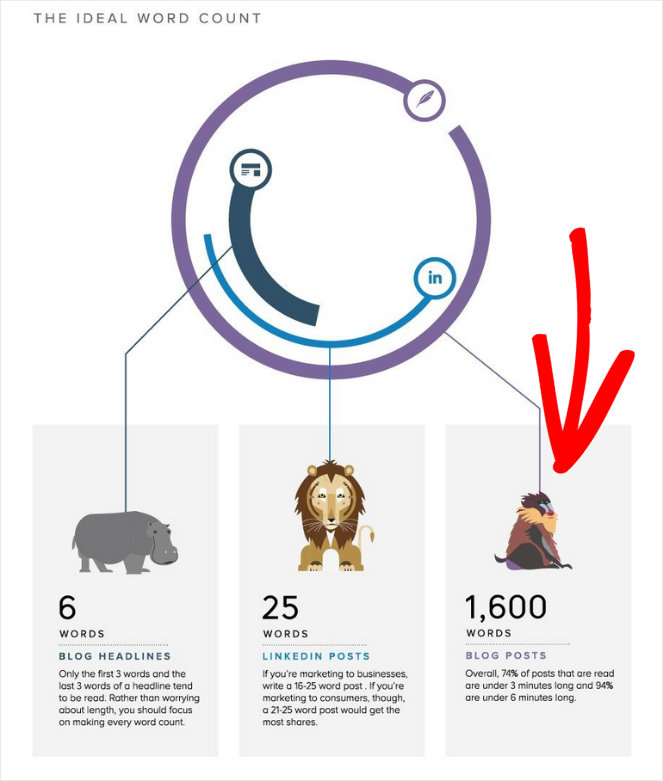
LinkedIn favors medium to long posts. Aim for 1,200 to 1,500 words. These posts allow professional insights and storytelling. Readers expect informative and well-structured articles here.
Credit: www.blogtyrant.com
Frequently Asked Questions
What Is The Ideal Length For A Blog Post?
The ideal blog post length varies by topic and goal. Aim for 1,000 to 2,000 words for SEO and engagement. Shorter posts suit quick insights, while longer ones fit detailed guides. Focus on value, not just word count, to satisfy readers and search engines.
What Is The 80/20 Rule For Blogging?
The 80/20 rule for blogging means 80% of content educates or entertains, while 20% promotes products or services. This balance builds trust and attracts readers.
Is 500 Words Too Short For A Blog?
A 500-word blog can work for simple topics or quick reads. For in-depth SEO benefits, longer posts often perform better. Tailor length to your audience, topic complexity, and goals to provide real value rather than focusing on word count alone.
How Long Should A Blog Post Be 2025?
The ideal blog post length in 2025 varies by topic and goal. Aim for 1,000 to 2,500 words for SEO and engagement. Shorter posts (300-600 words) suit quick updates, while longer posts (2,500+ words) work best for in-depth guides and detailed content.
Prioritize value over word count.
What Is The Ideal Length For A Blog Post?
The ideal length depends on the topic and audience but usually ranges between 1,000 to 2,500 words.
How Does Blog Post Length Affect Seo Rankings?
Longer posts often rank better because they provide more detailed information and keep readers engaged.
Can Shorter Blog Posts Still Perform Well?
Yes, short posts work well for quick news, updates, or simple topics needing fast answers.
How Long Should A Blog Post Be For Beginners?
Around 800 to 1,200 words is a good start to explain ideas clearly without overwhelming readers.
Does Blog Length Impact Reader Engagement?
Yes, posts that are too long may lose readers, while concise posts keep attention and encourage sharing.
What Length Suits How-to And Tutorial Blog Posts?
How-to guides perform best with 1,500 to 2,500 words to cover steps thoroughly yet clearly.
Conclusion
Blog post length depends on your topic and audience needs. Short posts work well for quick updates or simple ideas. Medium-length posts balance detail and readability for many readers. Longer posts suit deep guides or complex topics requiring thorough explanation.
Focus on clear, helpful content rather than a fixed word count. Remember, valuable information keeps readers engaged and improves SEO naturally. Write to inform and connect, and your blog will perform well regardless of length.