Are you struggling to keep your social media organized and effective? Imagine having a simple, step-by-step checklist that guides you through every essential task, so you never miss a beat.
With our Free Social Media Checklist, you get exactly that—a clear roadmap to plan, create, and manage your posts like a pro. Whether you’re building your brand, growing your audience, or boosting engagement, this checklist helps you stay focused and consistent.
Ready to make your social media work harder for you? Keep reading to discover how this easy-to-use tool can transform your online presence today.
Credit: www.smperth.com
Content Types That Engage
Content that truly engages your audience drives social media success. Different content types attract attention and build trust. Use a mix to keep followers interested and active. Focus on content that adds value, shares knowledge, or reveals your brand personality.
Sharing Industry Content
Share valuable content created by others in your field. This shows you stay updated and care about your audience’s interests. It also saves time on content creation. Examples include articles, reports, and posts from trusted sources. This type of content builds credibility and sparks conversations.
Creating Valuable Original Posts
Post original content that helps your audience solve problems. Offer tips, how-tos, or insights related to your niche. Avoid direct selling; focus on education and support. This approach builds trust and shows your expertise. Examples are blog posts, tutorials, and case studies that your followers find useful.
Showcasing Behind-the-scenes
Give followers a peek behind your brand’s curtain. Share photos or stories about your team and daily work. This humanizes your brand and builds stronger connections. People like to see the real faces and culture behind a business. Examples include office tours, team spotlights, and casual moments at work.
Scheduling Tools To Use
Scheduling social media posts saves time and keeps your content consistent. Using the right tools helps plan and post automatically. These tools support multiple platforms and track post performance. They let you focus on creating quality content without missing posting times.
Buffer Features
Buffer lets you schedule posts for various social platforms. It offers a simple calendar view to manage your posts. The tool includes basic analytics to track engagement. Buffer supports image, video, and link posts easily. It helps spread out content evenly throughout the week.
Hootsuite Benefits
Hootsuite manages multiple social accounts in one place. It provides a clear dashboard to plan and schedule posts. The tool offers detailed reports on audience interaction. Hootsuite supports team collaboration for smoother content planning. It also allows monitoring keywords and trends in real time.
Metricool Capabilities
Metricool schedules posts and analyzes social media data. It shows growth trends and best posting times. The tool supports Facebook, Instagram, Twitter, LinkedIn, and more. Metricool provides a content calendar for easy planning. It also tracks competitor activity and campaign results.
Adobe Express Scheduler
Adobe Express Scheduler combines design and scheduling features. Create visually appealing posts within the platform. Schedule content to publish on multiple social channels. It offers templates to speed up content creation. The scheduler is user-friendly for beginners and pros alike.
Meta Business Suite
Meta Business Suite focuses on Facebook and Instagram management. It is free and easy to use for small businesses. Schedule posts, stories, and ads without extra tools. The suite provides insights on audience behavior and content reach. It also allows direct message management in one place.
Choosing The Right Planner
Choosing the right planner for your social media efforts can make managing posts much easier. The right tool fits your needs and helps you save time. It should support the platforms you use and offer enough features for your strategy. Consider what each planner offers before making a decision.
Supported Platforms
Check which social media platforms the planner supports. Some tools cover popular sites like Facebook, Instagram, Twitter, and LinkedIn. Others may include Pinterest or TikTok. Pick a planner that handles all the platforms where you want to post. This avoids using multiple tools and keeps everything organized.
Post Scheduling Limits
Look at how many posts you can schedule at once. Free planners often have limits on scheduled posts per day or month. Choose a planner with limits that match your posting frequency. This helps keep your content flowing without interruption. Some tools offer unlimited scheduling in paid plans.
Feature Availability
Explore the features each planner offers. Basic features include post scheduling and content calendars. Some tools add analytics, team collaboration, or content suggestions. Decide which features matter most to your strategy. A simple planner might work for small accounts. Larger accounts may need more advanced features.
Account Connections
Check how many social media accounts you can connect. Free plans often limit the number of accounts. Make sure the planner supports all your business or personal profiles. This keeps your workflow smooth and avoids switching between tools. More connections may require upgrading to paid plans.
Daily Social Media Tasks
Daily social media tasks keep your profiles active and engaging. Consistency in these tasks helps build a loyal audience. These small actions add up to a strong online presence.
Monitoring Engagement
Check notifications for likes, shares, and mentions. Watching engagement helps you understand what content works. Track trends and audience behavior daily. This keeps your strategy fresh and relevant.
Responding To Comments
Reply to comments quickly and politely. Answer questions and thank followers for their feedback. This builds trust and encourages more interaction. Show that you value your community’s voice.
Sharing Timely Content
Post content related to current events or trends in your field. Timely posts grab attention and increase shares. Use a mix of original and curated content. This keeps your feed interesting and useful for followers.
Weekly Content Planning
Weekly content planning is essential for consistent social media success. It helps organize ideas and keeps your posts relevant. Planning ahead reduces last-minute stress and improves content quality.
With a clear plan, you save time and keep your audience engaged. This section covers key steps in weekly content planning for better results.
Content Calendar Setup
Create a content calendar to map out your posts for the week. Use simple tools like spreadsheets or free apps. Mark important dates, themes, and post types. This visual guide keeps your schedule clear and easy to follow.
Update the calendar regularly. Adjust it based on performance and audience feedback. A good calendar helps avoid gaps or repetitive content.
Balancing Content Types
Mix different content types to keep your feed interesting. Share educational posts, entertaining stories, and promotional offers. Include images, videos, and text to reach more people.
This balance builds trust and keeps followers engaged. Avoid posting the same type of content every day. Variety makes your profile more attractive and dynamic.
Scheduling Posts In Advance
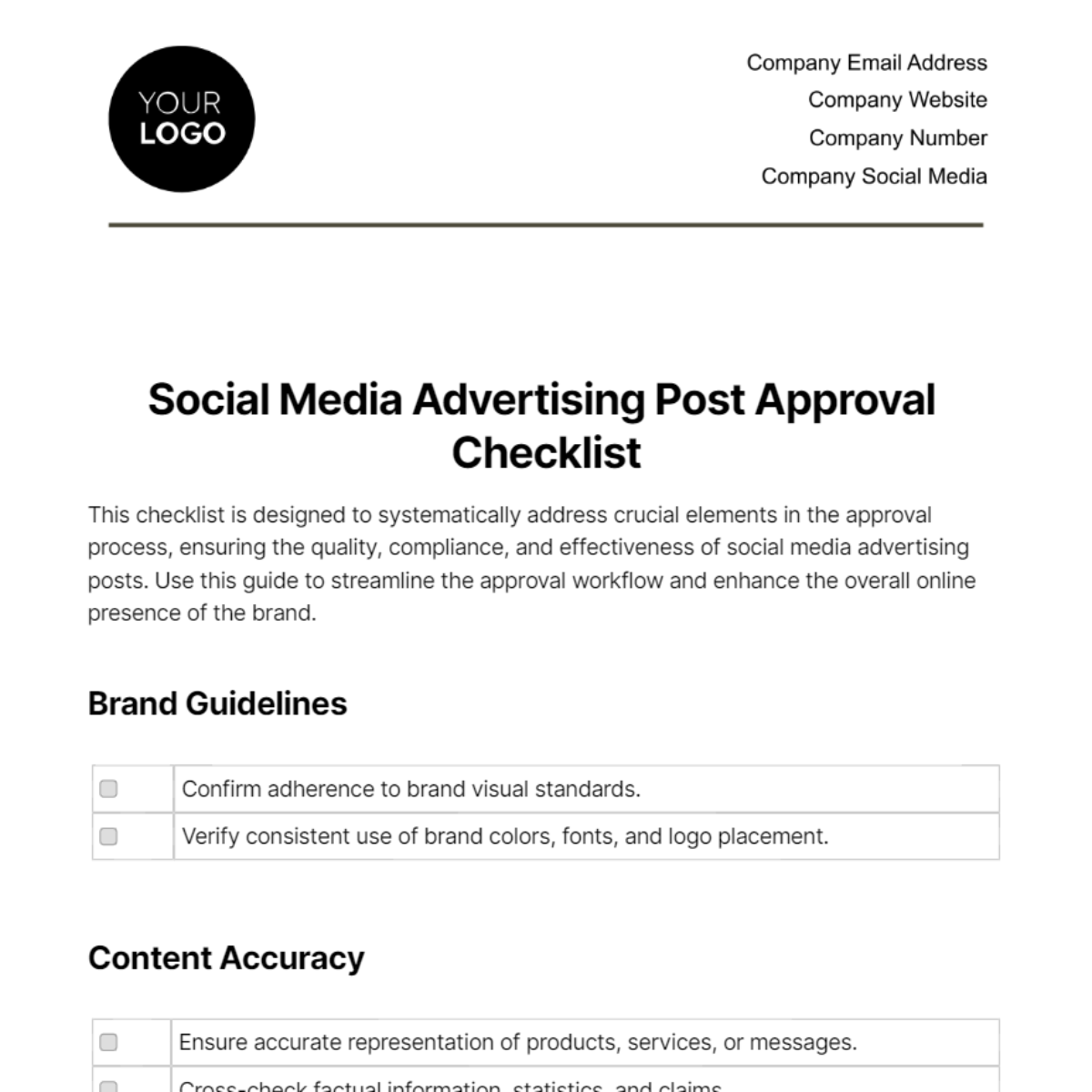
Use free scheduling tools to plan posts ahead of time. This saves daily effort and ensures consistent posting. Schedule posts during peak times for better reach.
Review scheduled posts weekly. Make changes if needed to stay current and relevant. Advanced scheduling helps maintain a steady online presence without stress.
Credit: www.template.net
Boosting Audience Interaction
Boosting audience interaction is key to growing your social media presence. Engaged followers are more likely to share your content and become loyal fans. Simple actions can make your audience feel involved and valued. This section covers effective ways to increase interaction using easy strategies.
Using Polls And Questions
Polls and questions invite your audience to share their opinions. They are quick and fun ways to engage followers. Use polls to learn about preferences or opinions. Questions encourage comments and start conversations. Both methods make your audience feel heard and connected.
Encouraging User-generated Content
User-generated content (UGC) means your followers create posts about your brand. This builds trust and shows real experiences. Ask followers to share photos or stories using your product. Highlight their content on your page. UGC increases authenticity and strengthens community bonds.
Hosting Giveaways
Giveaways attract attention and boost participation. Offer prizes related to your brand to keep interest high. Set simple entry rules like liking, commenting, or sharing. Giveaways create excitement and reward your audience. They also help increase your reach and followers.
Analyzing Performance Metrics
Analyzing performance metrics is essential for understanding how your social media efforts are working. It reveals what your audience likes and what needs improvement. Regular analysis helps you make smart decisions for better results. Use data to guide your next steps and stay on track.
Tracking Engagement Rates
Engagement rates show how users interact with your posts. Likes, comments, shares, and clicks all count. High engagement means your content connects well with your audience. Track these numbers to see which posts perform best. Use simple tools like platform insights to monitor engagement daily or weekly.
Identifying Top Content
Top content attracts the most attention and interaction. Find posts with the highest engagement and reach. Look for patterns in topics, formats, or posting times. This helps you focus on what works. Share similar content to keep your audience interested and grow your following.
Adjusting Strategies
Use performance data to refine your social media plan. Drop content that underperforms and boost what succeeds. Test different post types and schedules to find the best mix. Keep adapting to changes in audience behavior and platform updates. This keeps your presence strong and effective.
Optimizing Posting Times
Optimizing posting times is essential for social media success. Posting when your audience is most active increases the chance they will see and engage with your content. This simple step can improve reach, likes, shares, and comments without extra effort.
Understanding when your followers are online helps you make the most of every post. It is not about posting more, but posting smarter. Small changes in timing can lead to big improvements in results.
Finding Peak Engagement Hours
Peak engagement hours are times when your followers are most active. These hours vary by platform and audience type. Try to find when your posts get the most likes, comments, and shares. Look for patterns over days and weeks. Posting during these hours boosts your visibility.
Using Analytics Tools
Analytics tools show detailed data about your audience’s behavior. Platforms like Facebook, Instagram, and Twitter offer built-in analytics. These tools reveal when your followers are online and interacting with content. Use this data to schedule posts at ideal times. It saves guesswork and improves post performance.
Testing Different Schedules
Testing different posting times helps find what works best for your audience. Try posting at varied hours and days for a few weeks. Compare engagement rates to see which times get better results. Keep adjusting your schedule based on these insights. Consistent testing ensures you stay aligned with your audience’s habits.
Leveraging Visual Content
Visual content plays a key role in social media success. It grabs attention quickly and keeps users engaged. Using images and videos can make posts stand out in busy feeds. This section covers how to use visual content well in your social media strategy.
Creating Eye-catching Graphics
Graphics should be clear and simple. Use bold colors that match your brand style. Add easy-to-read text to explain your message. Tools like Canva help create professional-looking images fast. Keep designs consistent to build recognition.
Using Video Content Effectively
Videos capture interest better than pictures alone. Short clips work best on social media platforms. Start with a strong hook to keep viewers watching. Add captions for those who watch without sound. Post tutorials, behind-the-scenes clips, or quick tips.
Incorporating Brand Elements
Brand elements create a familiar look and feel. Include your logo on images and videos. Use your brand colors and fonts in every post. This builds trust and strengthens your identity. Consistent branding helps followers remember you.

Credit: www.loomly.com
Maintaining Brand Consistency
Maintaining brand consistency on social media is vital for building trust and recognition. A consistent brand helps your audience remember you and understand your message clearly. It also makes your brand look professional and reliable across all platforms.
Consistency requires clear guidelines for your voice, visuals, and values. Sticking to these rules creates a unified experience for your followers. This section covers key steps to keep your brand consistent in every post and interaction.
Establishing Voice And Tone
Your brand voice is the personality behind your words. It should reflect who you are and what you stand for. Choose a tone that fits your audience, whether friendly, professional, or casual.
Use the same style in all posts and replies. This helps people recognize your brand easily. Avoid sudden changes that can confuse your followers.
Using Consistent Visuals
Visuals like logos, colors, and fonts shape how your brand looks online. Use the same set of colors and fonts across all social media channels. This creates a strong visual identity.
Keep your logo size and placement consistent. Use similar photo styles and filters. Consistent visuals make your posts stand out and feel connected.
Aligning Content With Brand Values
Your content should reflect your core values and mission. Share posts that support what your brand believes in. This builds trust and loyalty among your followers.
Review every piece of content to ensure it matches your brand’s message. Avoid content that contradicts your values. Staying true to your brand helps maintain a solid reputation.
Frequently Asked Questions
What Is The 5 3 2 Rule For Social Media?
The 5-3-2 rule guides social media content: share 5 posts from others, 3 original helpful posts, and 2 personal or fun posts. This mix builds trust, adds value, and keeps your audience engaged.
Is There A Free Social Media Planner?
Yes, free social media planners like Hootsuite, Buffer, Metricool, Adobe Express, and Meta Business Suite offer scheduling and basic analytics. These tools support multiple platforms and help organize content efficiently without cost.
What Is The 5 5 5 Rule For Social Media?
The 5 5 5 rule for social media means sharing five posts from others, five original posts, and five personal or behind-the-scenes posts. This balance builds trust, provides value, and keeps your audience engaged effectively.
What Are The 7 C’s Of Social Media?
The 7 C’s of social media are Content, Context, Connection, Community, Conversation, Collaboration, and Conversion. These elements drive engagement and success.
What Is A Free Social Media Checklist?
A free social media checklist is a simple list to guide your social media tasks.
Why Use A Social Media Checklist For Marketing?
It helps organize posts, track progress, and maintain consistency in your marketing efforts.
How Often Should I Update My Social Media Checklist?
Update it regularly, ideally every month or when your goals or platforms change.
What Key Tasks Are Included In A Social Media Checklist?
Tasks like content creation, scheduling, engagement, and analytics review are common.
Can A Checklist Improve Social Media Engagement?
Yes, it ensures you post regularly and interact with followers, boosting engagement.
Are Free Social Media Checklists Suitable For All Business Sizes?
Yes, they work for small, medium, and large businesses to stay organized.
Conclusion
Use this free social media checklist to stay organized and consistent. Regularly follow each step to improve your online presence. Keep sharing helpful content that your audience enjoys and trusts. Engage with followers to build genuine relationships. Track your progress and adjust your plan as needed.
Simple actions done well bring better results over time. Start today and watch your social media grow steadily and naturally.