
Are you a small business owner looking to keep more of your hard-earned money? You’re not alone.
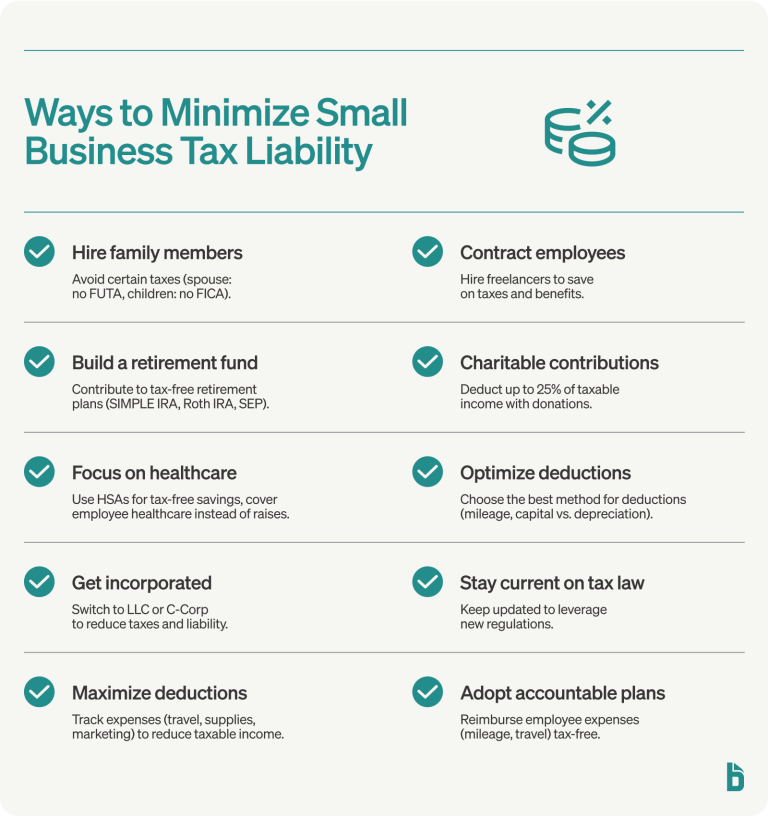
Many entrepreneurs are seeking ways to minimize their tax burden without crossing any legal lines. The good news is that there are strategies you can use to lower your taxes effectively. We’ll explore practical tips and tricks that you can implement right away.
From savvy deductions to smart tax planning, you’ll discover how to navigate the complex world of taxes with confidence. Don’t let taxes drain your resources—read on to learn how to protect your profits and keep your business thriving.
Tax Deductions For Small Businesses
Understanding tax deductions is essential for small businesses aiming to maximize profits and minimize tax liabilities. Deductions can significantly reduce your taxable income, allowing you to reinvest in your business. Let’s break down some common tax deductions you can take advantage of.
Home Office Expenses
If you run your business from home, you can deduct specific home office expenses. This includes a portion of your rent or mortgage interest, utilities, and insurance costs.
- To qualify, your home office must be used regularly and exclusively for business.
- You can choose between the simplified method (a standard deduction per square foot) or the actual expense method (itemizing your home office costs).
Consider tracking your expenses diligently. You might be surprised how much you can save just by working from home. Don’t overlook items like internet and phone bills as well; they can add up quickly.
Travel And Vehicle Costs
Traveling for business? Keep those receipts! You can deduct costs related to flights, hotels, and meals while on business trips.
- For vehicle expenses, you can choose between the standard mileage rate or actual expenses incurred.
- Make sure to maintain a logbook to record your business mileage. This can be crucial for justifying your deductions.
Imagine attending a conference across the country. The costs can mount up, but with the right documentation, you can offset a significant portion of those expenses come tax time.
Marketing And Advertising Expenses
Investing in marketing is vital for growth, and the good news is you can deduct these expenses. This includes costs for online ads, print materials, and social media promotions.
- Even costs for website maintenance and graphic design can be claimed.
- Engaging with customers through email marketing? That’s deductible too!
Have you ever considered how much you spend on marketing? Tracking these expenses not only helps you save on taxes but also provides insights into your business’s performance. Evaluate what works best and adjust your strategies accordingly.
Being aware of these deductions empowers you to make informed financial decisions. Take the time to explore your options, and don’t hesitate to consult a tax professional for personalized advice. What deductions have you overlooked that could benefit your business this tax season?
Incorporating Your Business
Incorporating your business can be a smart move. It can protect your personal assets. It also offers some tax benefits. Many small business owners choose this path. Understanding different structures is key. Two common options are LLCs and S Corporations.
Benefits Of An Llc
An LLC, or Limited Liability Company, has many perks. First, it protects your personal assets from business debts. This means creditors cannot come after your home or car.
Another benefit is flexibility in management. You can run it yourself or hire managers. This makes it easier to fit your needs.
LLCs also have fewer formalities. There are no annual meetings or extensive paperwork. This saves you time and effort.
Tax-wise, LLCs are often simpler. Income can pass through to your personal tax return. This avoids double taxation. You only pay taxes once, which can save money.
Tax Advantages Of S Corporations
S Corporations offer unique tax benefits. They allow for pass-through taxation. This means profits are not taxed at the corporate level.
Shareholders report income on their personal tax returns. This helps avoid double taxation. You only pay taxes on the money you take out.
S Corporations also allow for salary and dividend payments. This can lower self-employment taxes. You can pay yourself a reasonable salary and take the rest as dividends.
Another advantage is the potential for tax deductions. You can deduct business expenses like health insurance and retirement contributions. These deductions can reduce your taxable income.
Retirement Plans For Tax Savings
Saving for retirement can help you lower your taxes. Many small business owners can benefit from special retirement plans. These plans not only secure your future but also reduce your taxable income. Let’s explore a couple of options that can help you save on taxes.
Solo 401(k) Plans
A Solo 401(k) is a great choice for self-employed individuals. This plan allows you to save more than traditional IRAs. You can contribute both as an employee and as an employer. This means higher contribution limits.
In 2023, you can save up to $22,500 as an employee. If you are over 50, you can add an extra $7,500. As an employer, you can also contribute up to 25% of your net earnings. This can lead to substantial tax deductions.
Sep Iras For Small Business Owners
SEP IRAs are another option for small business owners. This plan is easy to set up and maintain. You can contribute up to 25% of your income, up to a maximum of $66,000 in 2023. This makes it a flexible choice for business owners.
One advantage of a SEP IRA is that contributions are tax-deductible. This means you reduce your taxable income while saving for retirement. It’s a win-win for your financial future.

Credit: www.instagram.com
Leveraging Business Expenses
Small businesses can reduce their tax burden by leveraging business expenses wisely. Understanding which expenses are deductible is key. Explore strategies shared by others on Reddit to keep more money in your pocket.
Leveraging business expenses is a smart way to minimize your tax burden as a small business owner. By understanding and utilizing the expenses you incur, you can significantly reduce your taxable income. This strategy not only helps you save money but also empowers you to reinvest in your business.Tracking Receipts And Documentation
Keeping track of receipts and documentation is crucial. Every time you spend money for your business, make sure to save that receipt. Whether it’s for supplies, meals with clients, or even travel expenses, these costs can often be deducted. Organize your receipts efficiently. Use envelopes, folders, or even a dedicated drawer to keep them safe. You might find it useful to categorize them by type—supplies, travel, meals, etc. This organization makes tax time a lot easier. Consider using apps that scan and store receipts. This not only saves space but also ensures you won’t lose important documents. Having everything in one place will make it easier to reference when filing taxes.Using Accounting Software
Investing in accounting software can be a game changer. Tools like QuickBooks, FreshBooks, or Xero help you track expenses effortlessly. You can categorize your spending, making it easier to see where your money goes and what can be deducted. These platforms often allow you to link your bank accounts. This feature automatically tracks your business expenses, reducing manual entry. You’ll save time and minimize errors. Don’t underestimate the value of regular financial reviews. Set aside a few hours each month to go over your expenses. This habit not only keeps you informed but also helps you spot potential deductions you might have missed. How do you currently track your business expenses?Hiring A Tax Professional
Hiring a tax professional can save you time and stress. A good tax professional helps small business owners navigate taxes easily. They know the rules and can help reduce your tax bill. This choice is smart for your business finances.
Benefits Of A Cpa
A Certified Public Accountant (CPA) offers many advantages. They provide expert advice tailored to your needs. CPAs can help you find deductions you may not know about.
They also keep up with tax law changes. This knowledge helps you stay compliant. A CPA brings peace of mind during tax season.
Avoiding Costly Tax Mistakes
Tax mistakes can be expensive. A tax professional helps you avoid these errors. They ensure that your forms are filled out correctly.
Missing deadlines can lead to fines. A CPA keeps track of important dates. They help you file on time, every time.
With a professional, you can focus on running your business. This support lets you grow without tax worries.

Credit: x.com
Understanding Tax Deadlines
Understanding tax deadlines is crucial for small businesses. Reddit offers many tips on how to legally reduce taxes. Staying informed can help avoid penalties and save money. Focus on deductions, credits, and proper record-keeping for better financial health.
Understanding tax deadlines is crucial for small business owners. Missing a deadline can lead to penalties, interest, and unnecessary stress. Staying informed and organized can save you time and money, allowing you to focus on growing your business.Quarterly Tax Payments
Many small business owners overlook quarterly tax payments. These are typically due in April, June, September, and January. If you expect to owe more than $1,000 in taxes, you must pay estimated taxes quarterly. This system helps you avoid a hefty tax bill at the end of the year. Creating a calendar with these dates can simplify your planning. Set reminders a week in advance, so you have time to gather your documents. Some small business owners choose to automate their payments through their accounting software. This way, you won’t forget or miss a deadline. Think about how much easier it would be to manage your cash flow with smaller, regular payments rather than one large sum. Have you experienced the shock of an unexpected tax bill?Filing Extensions And Penalties
Sometimes, life gets busy, and you might need more time to file your taxes. Filing an extension can be a lifesaver. However, it’s vital to understand that an extension to file is not an extension to pay. You’ll still need to estimate and pay any owed taxes by the original deadline. Missing this can lead to penalties and interest. If you file late without an extension, the penalties can add up quickly. You might face a 5% monthly penalty on any unpaid taxes. Consider consulting a tax professional if you’re unsure about your situation. They can guide you through the process and help you avoid unnecessary fees. Have you ever filed for an extension and found it didn’t alleviate your stress? Planning ahead can make a significant difference in your experience.State-specific Tax Considerations
State-specific tax considerations can greatly impact small business owners. Understanding local tax laws helps in finding ways to minimize tax burdens. Exploring options like deductions and credits is essential for effective tax planning.
State-specific tax considerations can significantly impact your small business. Each state has its own set of tax laws and regulations. Understanding these can help you minimize your tax burden and keep more money in your pocket.Sales Tax Requirements
Sales tax can be a confusing aspect of running a small business. Each state has different rates and rules regarding what goods and services are taxable. – Know Your Rate: Research your state’s sales tax rate. Some states have a flat rate, while others vary by county or city. – Understand Exemptions: Certain items may be exempt from sales tax. For instance, many states don’t tax groceries or prescription medications. – Collecting Tax: Make sure you’re collecting the correct amount of sales tax on your transactions. Failing to do so can lead to penalties and back taxes owed. Many small business owners overlook these requirements, thinking they can just figure it out later. This can lead to unexpected expenses down the line.Navigating Local Tax Laws
Local tax laws can add another layer of complexity. Each city or county may impose additional taxes that you need to account for. – Check Local Regulations: Some areas have specific business taxes or fees. Knowing what applies to your business can save you from costly surprises. – Stay Updated: Tax laws can change frequently. Regularly check for any updates or changes in your local jurisdiction. – Seek Professional Help: If the local tax landscape feels overwhelming, consider hiring a tax professional. They can help you navigate the rules and ensure you’re in compliance. Understanding these state-specific tax considerations can empower you to make smarter financial decisions. Have you taken the time to research the tax requirements in your state?
Credit: www.instagram.com
Frequently Asked Questions
How Can Small Businesses Minimize Taxes?
Small businesses can minimize taxes by taking advantage of deductions and credits. Keep detailed records of all expenses. Consider structuring your business as an LLC or S-Corp for tax benefits. Consulting with a tax professional can also help identify additional strategies tailored to your business.
What Deductions Can Small Businesses Claim?
Small businesses can claim various deductions, including operating expenses, salaries, and utilities. Other deductible items include home office expenses, vehicle costs, and business travel. It’s crucial to keep thorough records to support your claims. Deductions can significantly reduce your taxable income.
Is It Legal To Avoid Taxes For Small Businesses?
Avoiding taxes through legal means, such as deductions and credits, is legal. However, tax evasion is illegal and can lead to severe penalties. Small businesses should focus on lawful strategies to minimize their tax liability. Always consult a tax professional to ensure compliance with tax laws.
What Are Common Tax Credits For Small Businesses?
Common tax credits for small businesses include the Research & Development Tax Credit and the Work Opportunity Tax Credit. These credits can significantly lower your tax burden. Eligibility criteria vary, so check the requirements for each credit. Consulting with a tax advisor can maximize your benefits.
Conclusion
Avoiding taxes as a small business is a common concern. Use the tips shared here to stay compliant and save money. Keep good records and understand your deductions. Consult with a tax professional for personalized advice. Staying informed helps you make smarter financial choices.
Remember, planning ahead can lead to better outcomes. Protect your business and your profits. Take action today to manage your taxes wisely. Success comes from informed decisions and careful management.
 How to Avoid Taxes As a Small Business Owner: Legal Strategies
 What is the Meaning of Small Business Entrepreneurship: Explained
 What to Do If a Small Business Scams You: Essential Steps