
Are you worried that AI might take over your job? You’re not alone.
Many people ask themselves this question every day, wondering if their skills will still be needed in the near future. The truth is, AI is changing the way we work, but it doesn’t mean your job is automatically at risk.
Some roles are much harder for AI to replace because they need creativity, empathy, or hands-on skills that only humans can offer. You’ll discover which jobs are most vulnerable and which ones remain safe. Understanding this can help you take control of your future and make smart decisions about your career. Keep reading to find out how AI really affects your job and what you can do to stay ahead.
Ai Impact On Jobs
Artificial intelligence is changing the way people work. Some jobs may change or disappear. Others will be created. The impact depends on the type of work and industry.
AI can handle repetitive tasks fast and without mistakes. This can improve productivity. But it also means some jobs may no longer need human workers.
Which Jobs Are Most At Risk?
Jobs with routine tasks face the highest risk. For example, data entry, basic customer service, and some factory jobs. AI can do these tasks faster and cheaper.
Jobs that require little creativity or human interaction may be replaced. These roles often have clear rules and predictable work.
Jobs That Ai Cannot Replace Easily
Jobs needing creativity, empathy, or complex thinking are safer. For example, teachers, nurses, artists, and skilled tradespeople. AI lacks human judgment and emotional intelligence.
Work requiring physical skill and adaptability also stays safe. Electricians, plumbers, and therapists rely on hands-on skills and personal care.
How Can Workers Adapt To Ai Changes?
Learning new skills helps workers stay relevant. Skills like problem-solving, creativity, and communication are key. These are hard for AI to copy.
Workers can also focus on tasks that need human touch. Collaborating with AI tools can improve job performance and security.
Jobs Resistant To Ai
Many wonder about the future of their jobs in the age of AI. Some jobs face higher risks of automation. Others remain safe because they need human touch. These are jobs resistant to AI. They require skills machines cannot easily copy. AI struggles with creativity, empathy, and complex physical tasks. Jobs that involve these skills tend to stay safe from AI.
Here are some examples of jobs that AI is unlikely to replace soon. These roles rely on human judgment, care, and personal interaction. They also need adaptability and problem-solving abilities. Such jobs show the importance of humans in the workforce.
Healthcare Professionals
Doctors, nurses, and therapists need empathy and critical thinking. They handle complex patient care and make quick decisions. AI can assist but cannot replace human care. Patients trust human touch and understanding. This makes healthcare jobs resistant to AI.
Skilled Trades
Electricians, plumbers, and HVAC technicians perform hands-on work. They solve unique problems on the spot. AI and robots lack the flexibility for these tasks. Skilled trades require physical dexterity and experience. These jobs remain vital and secure.
Creative Fields
Artists, writers, and designers create original work. Creativity and imagination are hard to program. AI can generate ideas but lacks true inspiration. Human creativity drives innovation and culture. Creative jobs continue to need human input.
Education And Social Work
Teachers and social workers build relationships with people. They understand emotions and social cues well. Their work involves mentoring and guiding others. AI cannot replace the human connection needed here. These jobs stay important and resistant to AI.
Management And Strategic Roles
Managers and leaders make complex decisions and plan strategies. They balance many factors and lead teams. AI can analyze data but not lead people. Human judgment and experience are key here. These roles are less likely to be automated soon.
Healthcare Roles Ai Can’t Replace
Artificial intelligence helps doctors and nurses in many ways. It can analyze data and suggest treatments. Still, many healthcare jobs need a human touch. AI cannot copy empathy, intuition, or deep understanding.
Healthcare workers build trust with patients. They comfort people in pain and make quick decisions. These roles need more than facts. They need kindness and careful judgment. Such qualities remain beyond AI’s reach.
Doctors And Diagnosticians
Doctors use AI tools but also rely on experience. They listen to patients’ stories and check symptoms closely. AI cannot feel a patient’s pain or fear. Doctors make choices based on many factors, not just data.
Nurses And Caregivers
Nurses provide personal care and emotional support. They notice small changes in patients’ conditions. These signs may not show in data alone. Nurses comfort patients and help families during tough times.
Therapists And Counselors
Therapists guide people through mental health struggles. They build relationships based on trust and empathy. AI cannot replace human understanding or emotional connection. Therapy often requires reading feelings beyond words.
Emergency Responders
Paramedics and emergency nurses act fast in crises. They make split-second decisions and perform hands-on care. AI cannot respond to unpredictable emergencies with human flexibility. These roles demand physical skill and quick thinking.
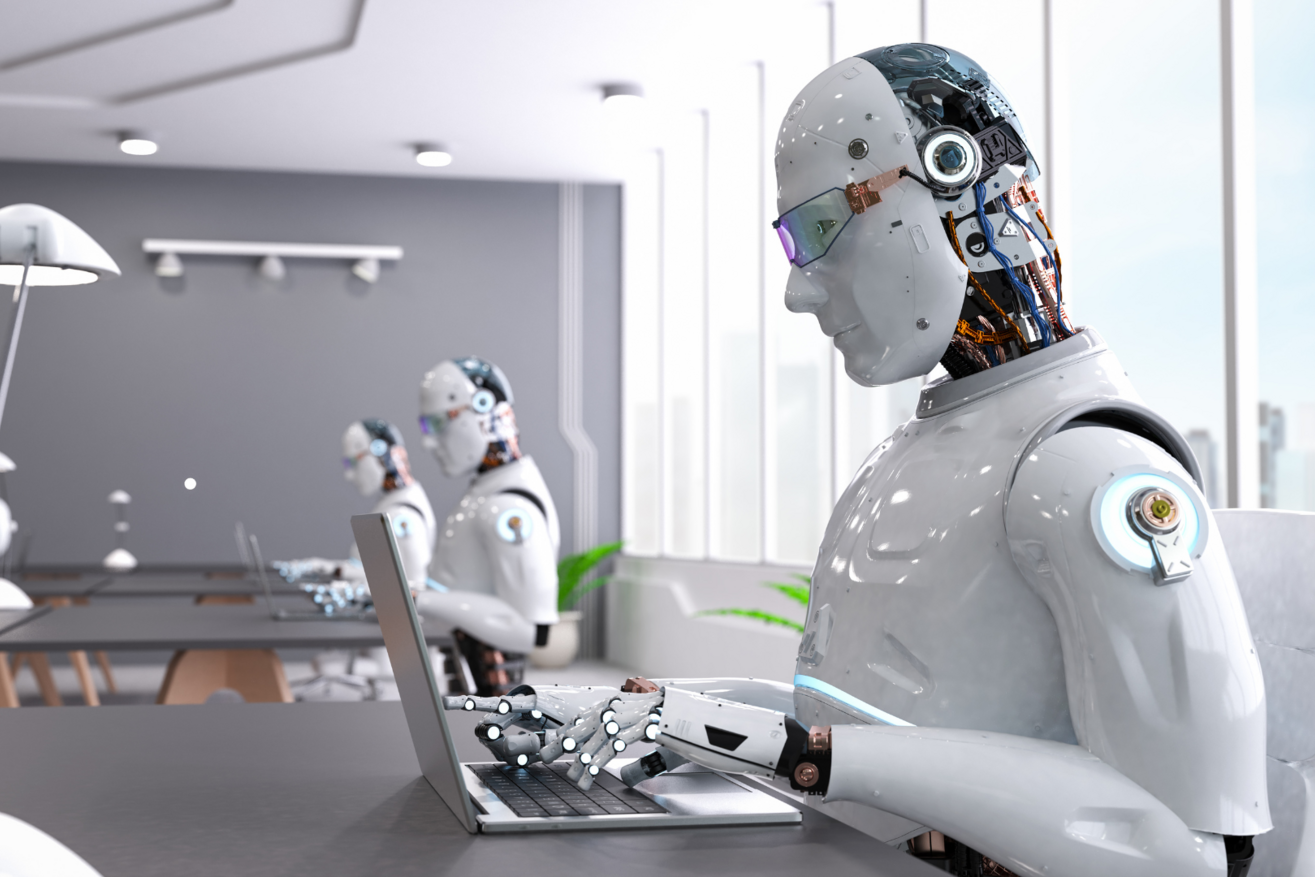
Credit: www.odgersinterim.com
Skilled Trades And Physical Work
Skilled trades and physical work involve hands-on tasks that require precision, experience, and adaptability. These jobs include electricians, plumbers, carpenters, welders, and mechanics. They depend on physical skill, problem-solving, and real-time decision-making in varied environments.
AI struggles with unpredictable physical settings and complex manual tasks. Machines can assist but cannot fully replace the human touch and judgment needed. The nature of skilled trades makes total automation difficult.
Why Ai Cannot Fully Replace Skilled Trades
Skilled trades require physical dexterity and fine motor skills. AI and robots are limited in handling tools with the same accuracy and care. Many tasks need adjustments on the spot based on conditions.
Human workers use experience to solve unexpected problems. AI lacks the intuition and creativity needed during repairs or installations. These jobs often need custom solutions tailored to unique situations.
How Ai Supports Skilled Trades Workers
AI helps with diagnostics and planning in trades work. It can analyze data to suggest better methods and detect issues faster. Workers use AI tools to improve efficiency and safety on site.
Robots assist with heavy lifting or repetitive tasks. This support reduces physical strain and speeds up work. Still, humans guide and oversee the process to ensure quality.
The Future Of Skilled Trades In An Ai World
Skilled trades will continue to need human expertise. AI will change some workflows but not eliminate jobs. Workers who learn to use AI tools will stay in demand.
Tradespeople who adapt and update skills will find new opportunities. Physical work combined with technology skills creates a strong career path. AI is a helper, not a replacement, in skilled trades.
Education And Social Services
Education and social services play a vital role in society. These fields rely heavily on human connection and empathy. Jobs in these areas often require emotional intelligence and personal interaction.
AI technology can support tasks like data management or scheduling. Still, it cannot replace the human touch needed for teaching or counseling. People in education and social work guide others through complex emotions and learning challenges.
Teaching And Personalized Learning
Teachers do more than deliver information. They inspire, motivate, and adapt to each student’s needs. AI can help by providing extra resources or tracking progress. Yet, it cannot fully understand a student’s feelings or struggles. Educators build trust and respond to social cues, something AI lacks.
Counseling And Emotional Support
Counselors listen, offer comfort, and guide clients through tough times. These jobs require empathy and real human connection. AI tools may assist with scheduling or note-taking. However, they cannot replace the deep understanding and compassion needed to help someone heal.
Community Outreach And Social Work
Social workers connect individuals with resources and advocate for their rights. They assess complex situations and make difficult decisions. AI can analyze data to identify needs or risks. Still, it cannot navigate the ethical and emotional aspects of social work. Human judgment remains essential.

Credit: www.channel4.com
Creative And Strategic Careers
Creative and strategic careers rely on human imagination and deep thinking. These jobs need original ideas and smart planning. AI can help with routine tasks but struggles with true creativity and complex strategies.
People in creative roles bring emotion and unique views. They connect with others on a personal level. AI lacks this human touch, making it hard to fully replace these careers.
Jobs That Need Original Thinking
Careers like artists, writers, and designers depend on new ideas. AI can copy patterns but cannot invent truly fresh concepts. Human creativity drives innovation and emotional impact in these fields.
Strategic Roles Require Big Picture Vision
Managers, planners, and consultants make decisions based on many factors. They weigh risks, predict trends, and adjust plans. AI can analyze data but cannot fully understand changing human needs or long-term goals.
Human Skills Ai Can’t Match
Creativity, empathy, and complex problem solving remain uniquely human. Jobs needing these skills face less risk of automation. AI works best as a tool, not a replacement, in creative and strategic careers.
How Ai Changes Job Requirements
AI is shifting the skills employers want. Jobs now need a mix of human and technical skills. Many tasks once done by people are now automated. This change means workers must learn new tools and ways of working.
Workers must adapt to AI by improving problem-solving and creativity. Jobs focus more on managing AI systems rather than doing routine work. Communication and teamwork skills grow more important as AI handles data processing.
New Technical Skills
Many jobs now require basic knowledge of AI and software tools. Learning to work with AI platforms helps employees stay relevant. Even simple coding or data analysis skills can boost job security.
Focus On Human Skills
AI cannot replace empathy, leadership, or critical thinking. Jobs increasingly value emotional intelligence and creativity. These skills help workers solve problems AI cannot handle.
Shifts In Job Tasks
Routine tasks are increasingly automated by AI. Workers spend more time on decision-making and strategy. This shift means jobs are more about managing outcomes than performing manual steps.
Continuous Learning
AI changes job demands quickly and often. Workers must keep learning new skills to keep up. Lifelong learning becomes a vital part of career growth.
Adapting Skills For Ai Era
Artificial intelligence changes the job market fast. Some jobs will disappear, but new opportunities will arise. Adapting your skills helps you stay relevant and competitive.
Learning how to work with AI is key. Developing new abilities and improving existing ones makes you valuable. Focus on skills that machines cannot easily copy.
Understanding Ai And Its Impact
Know what AI can and cannot do. This helps you find ways to complement AI at work. Understanding AI reduces fear and prepares you for changes.
Building Human-centered Skills
Skills like creativity, empathy, and communication remain essential. These skills help in teamwork, leadership, and problem-solving. They are hard for AI to replace.
Learning Technical Skills
Basic knowledge of AI tools and technology is useful. Coding, data analysis, and digital literacy improve your career options. Technical skills increase your ability to work alongside AI.
Embracing Lifelong Learning
Continuous learning keeps you updated with job market trends. Taking courses and training helps you adapt quickly. Lifelong learning builds confidence and resilience.
Tools To Assess Job Risk
Understanding how AI might impact your job begins with assessing the risk level. Various tools help workers and employers estimate the likelihood of automation. These tools analyze job tasks, skills, and industry trends. They provide clear insights into which roles face higher automation threats.
Using these tools can guide career decisions and skill development. They highlight areas needing improvement to stay relevant. Some tools also suggest alternative roles with lower risk.
AI Job Disruption CalculatorsAI job disruption calculators estimate how likely AI will replace a job. They use data like job tasks and industry growth. These calculators give a percentage score showing risk level. Users enter their job title or duties for results. This helps workers understand their job’s future in AI’s world.
Skills and Task Analysis ToolsSkills and task analysis tools break down a job’s daily activities. They identify tasks that AI can easily perform. These tools focus on creativity, problem-solving, and social skills. Jobs with many human-centered tasks show lower automation risk. This analysis helps workers find skills to strengthen.
Industry Trend ReportsIndustry trend reports reveal how AI changes specific job markets. They track growth in AI adoption across sectors. These reports highlight jobs shrinking or expanding due to AI. Reviewing trends helps workers anticipate changes and prepare. Industries with slow AI adoption often have safer jobs.
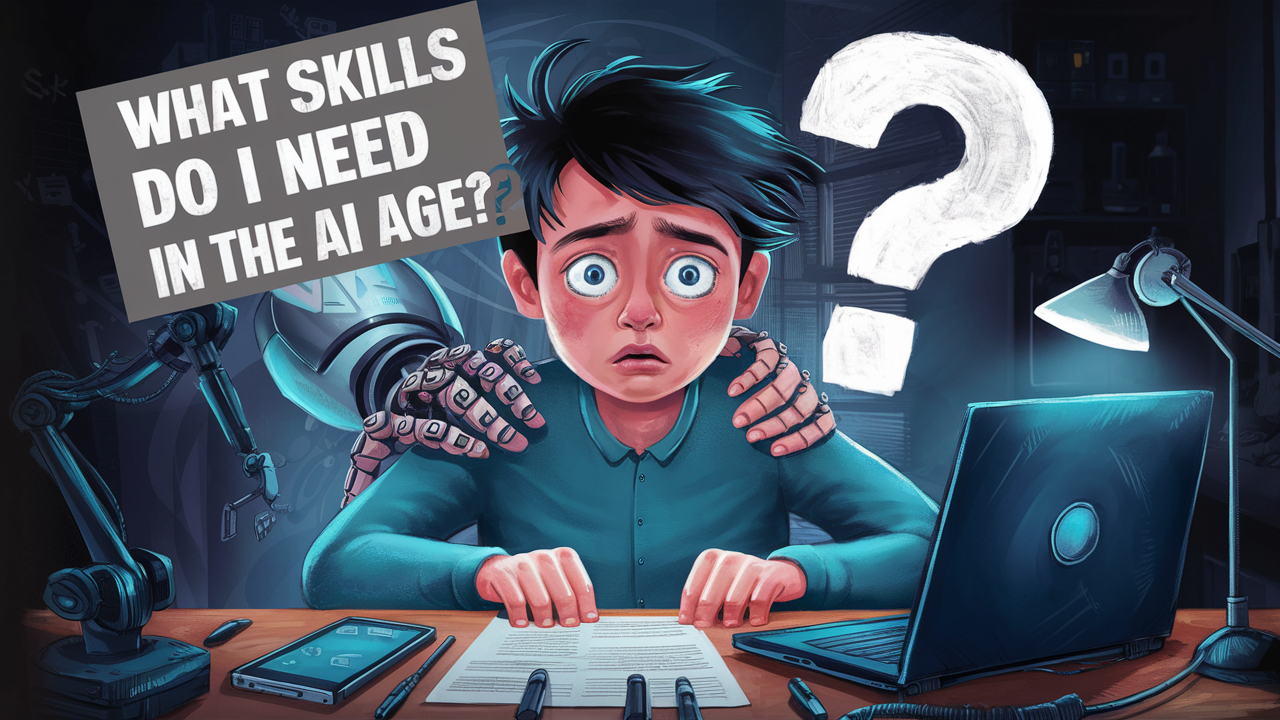
Credit: guptadeepak.com
Future-proofing Your Career
Many wonder if AI will replace their jobs soon. The key is to prepare and protect your career. Adapting skills and staying updated helps you stay valuable. It is not about avoiding change but growing with it.
Focus on skills that AI cannot easily copy. Human creativity, empathy, and problem-solving remain important. Jobs needing these skills will continue to need people. Learning how to work with AI improves your chances too.
Develop Skills That Machines Struggle To Replicate
AI excels at routine tasks but struggles with creativity. Skills like critical thinking, emotional intelligence, and leadership are harder to automate. Building these skills makes you less replaceable. Engage in activities that boost these abilities daily.
Keep Learning And Adapting Continuously
Technology changes fast. New tools appear every year. Staying curious and learning new skills keeps you ahead. Online courses, workshops, and reading help you adapt. Change your mindset from fixed to growth for success.
Embrace Collaboration With Ai Tools
AI can be a helpful assistant, not just a threat. Use AI tools to increase productivity and creativity. Understand how to work alongside AI in your job. This approach makes your work more efficient and less likely to be replaced.
Focus On Jobs Requiring Human Interaction
Roles involving care, teaching, and negotiation need human touch. These jobs depend on empathy and social skills. AI cannot fully replace these interactions. Pursue careers that value personal connection and trust.
Frequently Asked Questions
What Jobs Make $3,000 A Month Without A Degree?
Jobs making $3,000 monthly without a degree include dental assistant, medical assistant, electrician, HVAC technician, delivery driver, administrative assistant, security guard, and real estate agent. These roles offer steady income through skills and experience rather than formal education.
What Jobs Cannot Be Taken Over By Ai?
Jobs requiring empathy, creativity, complex problem-solving, and physical dexterity resist AI takeover. Examples include healthcare professionals, skilled trades, teachers, artists, and managers.
What Is The 30% Rule In Ai?
The 30% rule in AI states that AI can automate about 30% of tasks within a job, not the entire role. It highlights partial job automation potential.
Will I Lose My Job Due To Ai?
AI may change many jobs, but roles needing creativity, empathy, and complex problem-solving remain secure. Adapt your skills to stay relevant.
Will Ai Replace All Human Jobs Soon?
AI can automate many tasks, but some jobs need human creativity and emotion.
Which Jobs Are Safest From Ai Takeover?
Jobs requiring empathy, complex thinking, and hands-on skills are safer from AI.
How Can I Prepare For Ai Impacting My Job?
Learn new skills, especially tech, creativity, and social abilities to stay relevant.
Will Ai Create New Job Opportunities?
Yes, AI will create jobs in tech, data, and AI management fields.
Can Ai Do Creative Jobs Better Than Humans?
AI can assist creativity but lacks true human imagination and emotional depth.
How Fast Is Ai Changing The Job Market?
AI is changing jobs gradually but steadily; adaptation is key for workers.
Conclusion
AI will change many jobs, but not replace all humans. Skills like creativity, empathy, and problem-solving remain important. People who learn and adapt will find new opportunities. Jobs involving human care, strategy, and hands-on work stay safer. Keep improving your skills and stay curious about technology.
The future of work will be a mix of humans and AI. Embrace change, and focus on what machines cannot do. Your job may evolve, but your value as a person stays strong.