
Have you ever wondered if a piece of writing was crafted by a human or generated by AI? With AI tools becoming more advanced, it’s getting harder to tell the difference.
But knowing how to check if something was written by AI can save you from misinformation, plagiarism, or simply misunderstanding the source. You’ll discover simple yet powerful ways to spot AI-generated text. Whether you want to verify a school essay, an article, or any online content, these tips will help you quickly identify the signs of AI writing.
Keep reading—your ability to detect AI writing is about to get a serious upgrade.
Ai Detection Tools
AI detection tools help identify if a text was created by artificial intelligence. These tools analyze the writing style, word choice, and sentence structure. They provide a likelihood score showing how likely the content is AI-generated. Using these tools gives a quick and easy way to check text authenticity.
Using Online Ai Detectors
Online AI detectors allow you to upload or paste text for analysis. The tools scan the content for patterns common in AI writing. Many detectors are free and easy to use. Results usually show a percentage or confidence level of AI involvement. This makes it simple to decide if the writing is human or AI-made.
Comparing Multiple Tools
Different AI detection tools use various methods and algorithms. Checking the same text with multiple tools improves accuracy. Some tools spot subtle AI traits better than others. Comparing results helps avoid false positives or negatives. It ensures a more reliable judgment about the text origin.
Leveraging Plagiarism Checkers
Plagiarism checkers find copied or repeated content across the web. AI-generated text often reuses phrases or ideas from existing sources. These checkers highlight such matches, which may suggest AI involvement. Combining plagiarism results with AI detection gives a clearer view. This method uncovers content copied or created by AI models.
Repetitive Phrasing
Repetitive phrasing is a common sign that a text might be written by AI. AI often uses the same words or phrases multiple times. This can make the writing feel unnatural or robotic. Humans usually vary their language more to keep the reader interested.
When you read a piece with repeated sentences or similar phrases, it might be AI-generated. This happens because AI models predict words based on patterns. They sometimes repeat phrases to fill space or because they lack true understanding.
Identifying Repetitive Phrases In Text
Look for words or phrases that appear too often. AI text can repeat the same sentence structure or ideas. This repetition may seem odd or out of place. Pay attention if the text sounds like it loops back on itself.
Why Ai Uses Repetitive Phrasing
AI models rely on patterns from training data. They do not have creativity like humans. Repetition is an easy way to keep generating text. The lack of variation can reveal the AI origin.
How To Spot Repetitive Phrasing Quickly
Read the text aloud and listen for repeated words. Check if the same idea is stated more than once. Use simple tools that highlight repeated phrases. This can help find AI-written parts fast.
Sentence Structure Patterns
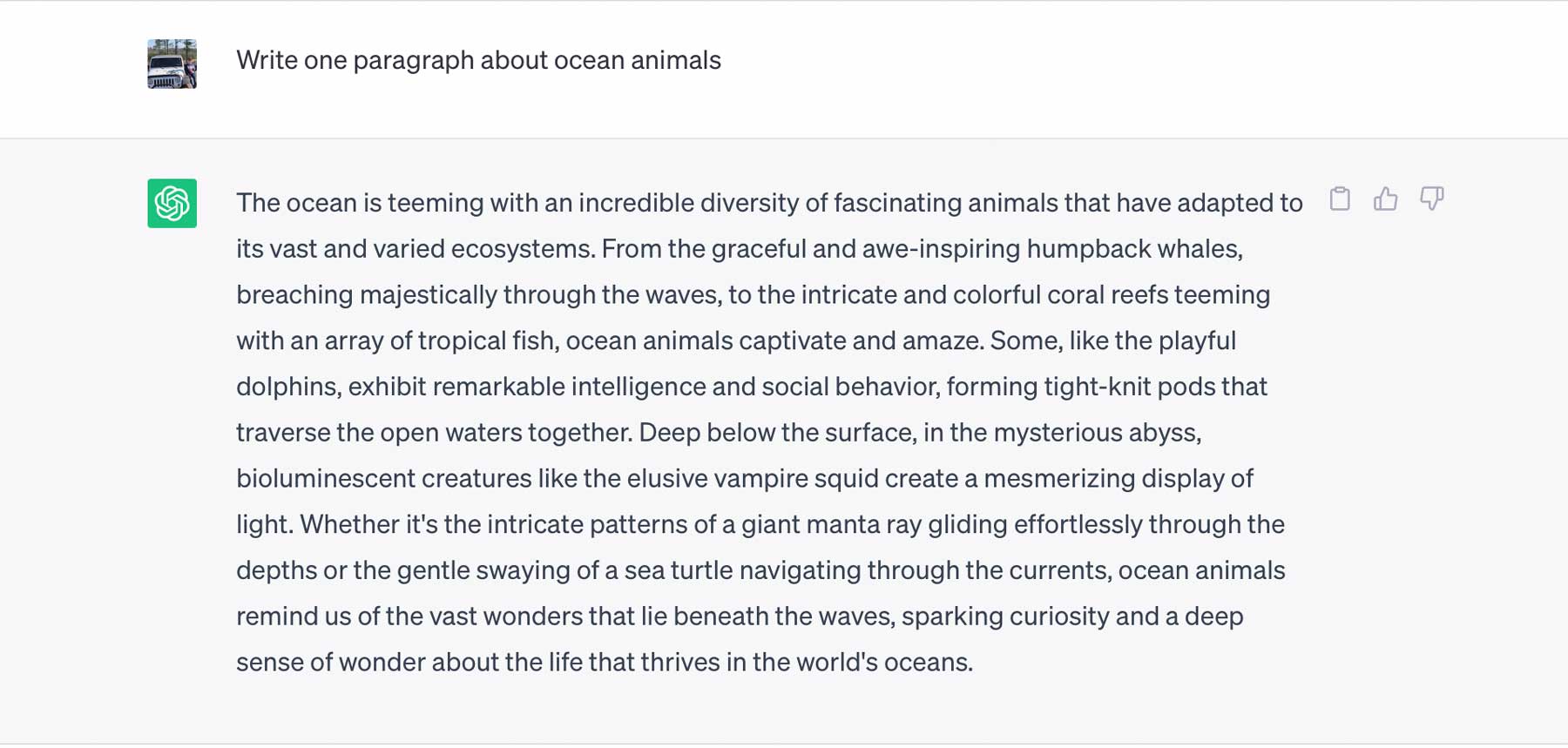
Sentence structure patterns reveal much about a text’s origin. AI writing often follows predictable sentence formats. This makes it easier to spot compared to human writing. Humans use more variety in sentence length and style. They mix simple and complex sentences naturally. AI tends to repeat certain patterns without much change.
Consistent Sentence Lengths
AI writing often has sentences of similar length. Sentences may all be short or all medium in size. This creates a steady rhythm that feels mechanical. Humans usually vary sentence length to keep the reader interested. They use short sentences for impact and longer ones for detail. Consistent sentence lengths can be a sign of AI text.
Generic Sentence Constructions
AI tends to use common sentence structures repeatedly. Sentences often start with the same words or phrases. The constructions lack the natural flow of human writing. Humans use more diverse sentence openings and structures. They add personality by changing sentence forms. Generic constructions may indicate the text was generated by AI.
Credit: www.elegantthemes.com
Lack Of Personal Voice
The lack of personal voice is a strong hint that a text might be written by AI. Human writers usually add their own style, opinions, and feelings. AI-generated content often misses this unique touch. It tends to sound generic and less engaging. This section explains how to spot a lack of personal voice in writing.
Overly Formal Tone
AI writing often uses a very formal tone. It sticks to strict grammar rules and avoids slang or casual phrases. This can make the text sound stiff and unnatural. Real human writing usually varies tone based on the audience and topic. It can be relaxed or conversational. If the writing feels too perfect or robotic, it might be AI-generated.
Absence Of Emotional Nuance
Human writers show emotions subtly in their words. They might express excitement, sadness, or humor. AI writing lacks these emotional layers. It tends to be flat and neutral. The text may explain feelings but not truly convey them. This absence of emotional depth can reveal AI involvement. Look for writing that feels cold or distant to spot AI content.
Factual Inaccuracies
Factual inaccuracies often reveal whether content is written by AI. AI models sometimes create confident but false statements. These errors may seem plausible but lack real evidence. Spotting these inaccuracies helps distinguish AI-generated text from human writing. It requires careful reading and fact-checking to catch misleading or incorrect information.
Identifying Ai Hallucinations
AI hallucinations occur when the system invents details or facts. These are not intentional lies but errors from AI’s prediction process. Look for statements that sound detailed but cannot be verified. Dates, names, or statistics may be wrong or made up. Such hallucinations often lack sources or references. When facts do not match known information, question the text’s origin.
Verifying Information
Check facts using reliable sources such as official websites or trusted news outlets. Search for key details mentioned in the text to confirm their accuracy. If multiple sources contradict the content, it may be AI-generated. Cross-checking helps reveal false or misleading claims. Use simple searches to verify unfamiliar information quickly and easily.
Abrupt Style Shifts
Abrupt style shifts can reveal if a text was written by AI. These shifts happen when the writing suddenly changes tone, vocabulary, or sentence structure. Such changes often look unnatural or out of place in a single piece of writing.
Humans usually keep a consistent style throughout their writing. Sudden jumps in formality, word choice, or sentence length may indicate AI involvement. AI sometimes struggles to maintain a steady voice, causing these unexpected changes.
Abrupt Tone Changes
One clear sign is a sudden change in tone. The text might switch from formal to casual without reason. This break can confuse readers and hint at AI generation.
Inconsistent Vocabulary Use
Look for words that do not fit the rest of the text. AI may use complex words in one paragraph and simple ones in the next. This inconsistency often appears random and forced.
Sudden Sentence Structure Variations
AI sometimes shifts from short to long sentences without flow. These abrupt changes can disrupt readability. Human writers tend to structure sentences more smoothly.
Detecting Abrupt Style Shifts Manually
Read the text carefully to spot sudden changes. Note any odd jumps in tone or word choice. Such markers often point to AI-generated content.
Using Tools To Find Style Shifts
AI detection tools analyze text for unnatural style jumps. Upload the content to see if abrupt shifts appear. Combining tools improves detection accuracy.
Manual Text Analysis
Manual text analysis helps identify if content was created by AI without using software. It involves reading the text carefully and noticing subtle clues. This method works well for short pieces or when tools are unavailable.
Human writing often has natural pauses, emotions, and small errors. AI writing tends to be more uniform and mechanical. By focusing on how the text flows and the details it contains, you can spot AI-generated writing.
Spotting Unnatural Flow
AI text often feels too smooth or too rigid. Sentences may follow a pattern without variation. The writing might lack natural pauses or emotional tones.
Look for sudden changes in style or awkward transitions. AI can repeat phrases or ideas in a way humans rarely do. The text might sound like a list instead of a story.
Checking For Specific Details
Human writers include unique, specific details that show personal experience. AI text may stay general and avoid exact facts or examples.
Check if the text mentions real names, dates, or places. AI often uses vague terms or repeats common knowledge. The absence of these details can hint at AI authorship.
Credit: www.youtube.com
Contextual Inconsistencies
Contextual inconsistencies are a key sign that something may be written by AI. These inconsistencies occur when the text does not flow naturally. Sentences might not relate well to each other. The meaning can shift unexpectedly. This makes the writing feel unnatural or confusing.
AI often struggles to maintain context over longer passages. It may introduce facts or ideas that do not fit the topic. Or it might contradict earlier statements without explanation. Spotting these errors helps identify AI-generated content.
Unexpected Topic Changes
AI writing can jump between topics without clear reasons. A paragraph may start about one subject and suddenly switch to another. This switch can confuse readers. Human writers usually provide smooth transitions or explain changes in topic.
Contradictory Statements
Look for sentences that disagree with each other. AI sometimes writes facts that clash in the same text. For example, it may say one thing is true and later deny it. This shows a lack of understanding of the content.
Odd Or Irrelevant Details
AI might add strange details that do not fit the main idea. These can seem out of place or unnecessary. Human writers tend to keep details relevant and focused on the topic.
Inconsistent Tone Or Style
The tone or style may change suddenly within the text. One part might be formal, and another overly casual. This unevenness can signal AI authorship. Human writing usually maintains a consistent voice.
Ai Writing Characteristics
AI writing has unique characteristics that help identify its origin. Recognizing these traits can show if content is machine-generated. Writers often miss these subtle hints, but they reveal AI involvement clearly. Understanding AI writing traits makes detection easier and more accurate.
Common Ai Language Traits
AI writing uses simple and clear words. It avoids slang and complex phrases. Sentences are often short and uniform in length. The tone stays neutral and lacks strong emotions. AI tends to repeat certain words and ideas. It rarely uses personal stories or opinions. Text may feel slightly robotic or too perfect.
Typical Content Patterns
AI content often follows strict structures. It uses clear introductions, body paragraphs, and conclusions. Ideas flow logically but may lack deep insight. AI repeats similar examples or facts across sections. Content can feel generic and not very original. It avoids controversial topics or bold statements. The writing style stays consistent throughout the text.

Credit: smart.dhgate.com
Improving Human-like Writing
Improving human-like writing helps make content feel natural and engaging. It reduces the chances of text appearing robotic or formulaic. Writers can focus on techniques that bring warmth and personality to their words. These methods make it harder to detect AI-generated content.
Adding Personal Experiences
Including personal experiences gives writing a unique touch. It shows real emotions and thoughts. Sharing small stories or examples makes the text relatable. AI often lacks this personal connection. It tends to produce generic statements without real feelings. Personal touches help readers connect with the author. This approach makes the content stand out as genuinely human.
Using Varied Sentence Structures
Varying sentence length and style keeps readers interested. Short sentences create impact and clarity. Longer sentences add detail and flow. Mixing questions, statements, and exclamations feels more natural. AI writing often repeats similar patterns and rhythms. Using different structures mimics how people actually speak and write. This variety improves readability and makes the text less predictable.
Frequently Asked Questions
Is There A Way To Detect Ai Writing?
Detect AI writing by using online AI detection tools and checking for repetitive phrases, generic language, and lack of personal voice.
Is There A Free Ai Detector?
Yes, free AI detectors exist online. You can paste text into tools like Grammarly or Justdone for instant analysis. These tools identify AI patterns by checking sentence flow, repetition, and originality. Using multiple detectors increases accuracy.
Can Chatgpt Detect Ai?
ChatGPT cannot reliably detect AI-generated text. Use specialized AI detection tools for better accuracy. Manual checks help spot repetitive or generic language.
How Do You Prove Someone Used Ai?
Use AI detection tools by uploading the text for analysis. Look for repetitive phrasing, generic language, and lack of personal voice. Check sentence consistency, factual errors, and abrupt tone shifts to identify AI-generated content. Combine multiple methods for accurate proof.
What Are Common Signs Of Ai-written Text?
AI writing often shows repetitive phrases, simple language, and lacks personal touch or emotions.
How Can I Use Online Tools To Detect Ai Writing?
Copy the text and paste it into AI detection websites to analyze its origin.
Which Ai Detection Tools Are Most Reliable?
Tools like Grammarly’s AI Detector and Justdone provide quick, accurate AI writing analysis.
Can Plagiarism Checkers Help Identify Ai-generated Content?
Yes, plagiarism tools can find copied or common AI-generated phrases in the text.
Does Ai Writing Have A Distinct Writing Style?
AI text often appears generic, overly formal, or too consistent without human errors.
How Do Ai Detectors Analyze Sentence Patterns?
They check for unnatural repetition, uniform structure, and predictable word choices.
Conclusion
Detecting AI-written content takes practice and attention. Use multiple detection tools for better results. Watch for repeated phrases and simple language patterns. Notice if the text feels too formal or lacks emotion. Trust your judgment alongside the tools you use.
This helps you identify AI writing more accurately. Stay aware, and you’ll grow more confident spotting AI content.