White Blocks in Minecraft: The Complete Guide to Building, Crafting, and Creative Uses
Minecraft is a game about creativity and exploration, and few things are as important to builders as block choice. Among all the block types, white blocks hold a special place. Their clean look brings brightness, contrast, and a modern or classic style to any build. Whether you want a futuristic city, a cozy cottage, or a complex redstone lab, white blocks can make your ideas stand out.
But not all white blocks in Minecraft are the same. Some are easy to get in survival mode, while others need special resources or crafting recipes. Some are perfect for walls and floors, while others are better for decoration. In this guide, you’ll learn everything about white blocks in Minecraft: what they are, how to get them, and how to use them for stunning builds.
What Are White Blocks In Minecraft?
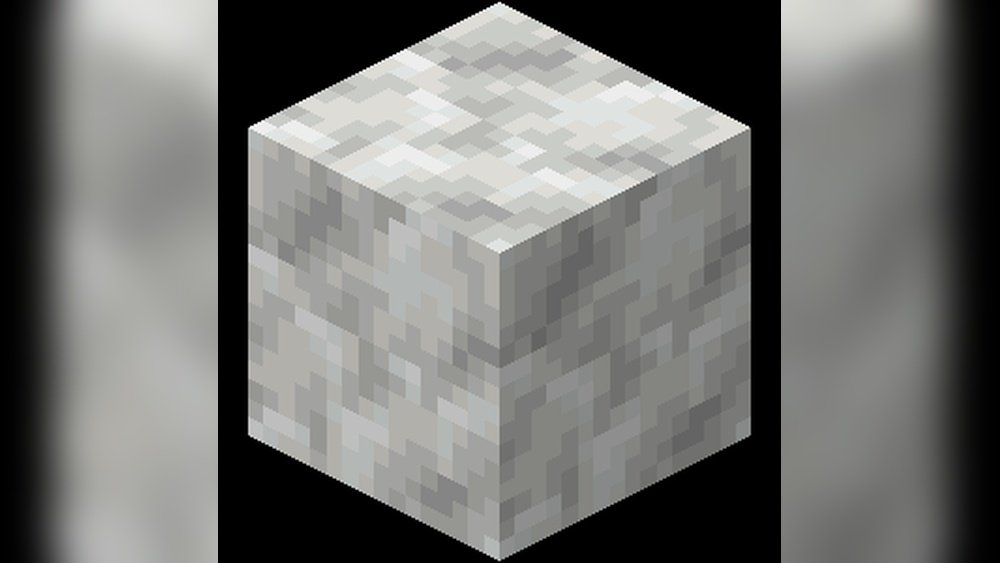
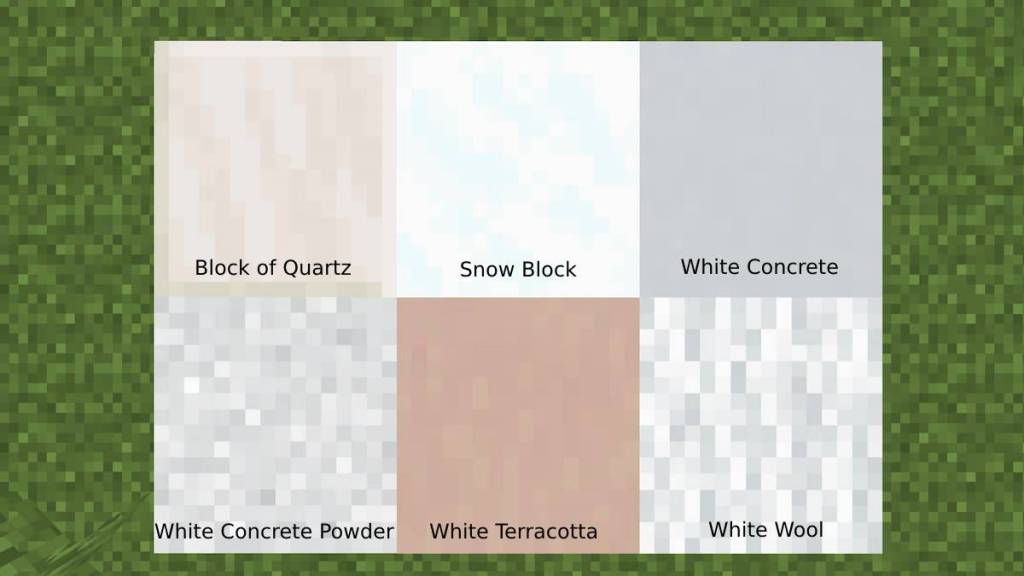
White blocks are blocks with a mostly white texture. They can be used for building, decoration, or even technical uses. Some have a pure white color, while others have a slightly off-white or textured look. These blocks are popular because they match well with almost any other color and make other features stand out.
White blocks are found in both the Overworld and the Nether, with some only available in creative mode. They vary in hardness, blast resistance, and how they are crafted or collected. Understanding their differences helps you pick the best block for your project.
Major Types Of White Blocks
Minecraft offers a wide range of white blocks, each with its own strengths. Here are the most notable ones, from basic to advanced.
1. Quartz Blocks
Block of Quartz is one of the most popular white blocks in Minecraft. Crafted from Nether Quartz, it has a smooth, modern look.
- How to get: Smelt Nether Quartz (mined in the Nether) into Blocks of Quartz (4 quartz = 1 block).
- Variants: Chiseled Quartz, Quartz Pillar, Smooth Quartz.
- Uses: Modern buildings, floors, Greek/Roman columns.
Quartz blocks stand out for their high blast resistance and pure white look. They are also used in redstone comparators and daylight sensors. The downside is the need to visit the Nether, which can be risky for new players.
2. White Concrete
White Concrete is a fan favorite for modern builds. Its color is bright, clean, and very white—almost like real-life concrete.
- How to get: Combine 4 sand, 4 gravel, and 1 white dye to craft concrete powder, then add water to turn it into solid concrete.
- Uses: Walls, floors, pixel art.
White concrete gives a smooth finish, with no lines or extra texture. This makes it perfect for projects where a clean, bold look is needed. Remember that concrete powder falls like sand, so you must place it near water to harden it.
3. Wool (white)
White Wool is one of the oldest white blocks in Minecraft. It’s made from sheep, making it easy to get early in the game.
- How to get: Shear a white sheep or dye another color of wool with white dye.
- Uses: Pixel art, carpets, decoration.
While wool is not as bright as quartz or concrete, its soft texture is perfect for cozy builds. However, wool can catch fire easily, so avoid using it near lava or open flames.
4. Snow Blocks
Snow Blocks are made by combining snowballs. Their color is a natural, icy white.
- How to get: Craft from 4 snowballs (collected with a shovel from snow layers).
- Uses: Igloos, snowy builds, traps.
Snow blocks melt near light sources, so be careful when placing torches or glowstone nearby. They are great for winter-themed worlds but are not very strong.
5. White Terracotta
White Terracotta is a clay-based block with a slightly off-white, creamy color.
- How to get: Smelt clay to make terracotta, then dye with white dye.
- Uses: Floors, walls, patterns.
White terracotta is less bright than concrete or quartz. It’s often used for subtle backgrounds or when you want a warmer white.
6. Bone Blocks
Bone Block is crafted from bone meal. It has a pale, ivory color with a lined texture.
- How to get: Craft 9 bone meal into 1 bone block.
- Uses: Fossils, ancient ruins, decorative columns.
Bone blocks are renewable if you have a skeleton farm. Their unique lines can be used to create interesting patterns in walls or floors.
7. Diorite And Polished Diorite
Diorite is a stone with a white and gray speckled look. It is found underground like granite and andesite.
- How to get: Mine in caves or craft from cobblestone and quartz.
- Variants: Polished Diorite (crafted from 4 diorite blocks).
- Uses: Modern builds, floors, accents.
Diorite is a great way to add texture without using pure white. Polished diorite is smoother and works well for clean builds.
8. Block Of Iron
Block of Iron is made by crafting 9 iron ingots.
- How to get: Craft from iron ingots.
- Uses: Storage, strong walls, industrial builds.
Iron blocks are slightly off-white with a metallic shine. They are expensive but very strong, perfect for vaults or modern factories.
9. White Glazed Terracotta
White Glazed Terracotta offers a patterned white block with gray designs.
- How to get: Smelt white terracotta.
- Uses: Patterns, mosaics, decorative floors.
The designs line up to make repeating patterns. This block is best used for detail work or as an accent.
10. End Stone
End Stone is found only in the End dimension. It is pale yellowish-white, with a bumpy texture.
- How to get: Mine in the End.
- Uses: End-themed builds, otherworldly landscapes.
End stone is unique and gives a mystical feeling to builds. It’s also resistant to explosions.
11. Calcite
Calcite is a newer block, found between amethyst geodes and stone.
- How to get: Mine near geodes.
- Uses: Modern houses, classical columns, flooring.
Calcite has a smooth, white look with subtle texture, perfect for blending with other white blocks.
12. Tuff (polished)
While Tuff is gray, polished tuff can look off-white in some lighting. Builders sometimes use it as a substitute for white blocks when mixed with others.
13. Block Of Quartz Variants
Besides the standard block, there are:
- Chiseled Quartz Block: Has a square pattern, good for detail.
- Quartz Pillar: Vertical or horizontal lines for columns.
These give more ways to use quartz in creative builds.
14. Smooth Stone
Smooth Stone is a light gray block that sometimes fits white builds.
- How to get: Smelt stone in a furnace.
- Uses: Modern builds, floors, laboratories.
While not pure white, it’s a great companion block to white concrete or quartz.
15. White Shulker Box
White Shulker Box is a storage block with a white color.
- How to get: Craft a shulker box and dye with white dye.
- Uses: Portable storage, decorative chests.
They blend well with other white blocks for clean storage rooms.
16. White Stained Glass
White Stained Glass is glass colored with white dye.
- How to get: Combine glass and white dye.
- Uses: Windows, skylights, greenhouses.
This block is less bright than clear glass but gives a frosted look.
17. White Carpet
White Carpet is a thin layer that sits on top of other blocks.
- How to get: Craft from white wool.
- Uses: Rugs, detail work, covering up blocks.
Great for adding soft touches to floors and furniture.
Comparison Of Common White Blocks
To help you decide which block to use, here’s a comparison of their key properties:
| Block | Color Brightness | Blast Resistance | How to Get | Renewable? |
|---|---|---|---|---|
| White Concrete | Very Bright | Strong | Craft sand, gravel, dye | Yes |
| Block of Quartz | Bright | Strong | Nether quartz | Yes |
| White Wool | Soft White | Weak | Sheep, craft | Yes |
| Snow Block | Natural White | Weak | Snowballs | Yes |
| Bones Block | Pale/Ivory | Strong | Bone meal | Yes |
How To Craft And Collect White Blocks
Getting white blocks depends on the block type. Here’s how to collect the most popular white blocks in survival mode.
White Concrete
- Collect sand and gravel.
- Find or craft white dye (from bonemeal or lily of the valley).
- Place 4 sand, 4 gravel, and 1 white dye in the crafting table for concrete powder.
- Place the powder near water to turn it into concrete.
Tip: Pour water over a stack of powder to harden many blocks quickly.
Quartz Blocks
- Go to the Nether and mine Nether Quartz Ore.
- Craft 4 quartz into 1 block at a crafting table.
- Craft into other variants as needed.
Tip: Fortune pickaxes give more quartz per ore.
White Wool
- Shear a white sheep or dye a colored sheep with white dye.
- Craft wool blocks from string (from spiders) if sheep are not available.
Snow Blocks
- Use a shovel on snow layers to collect snowballs.
- Craft 4 snowballs into 1 block.
Tip: Build a snow golem for renewable snow.
Bone Blocks
- Collect bones (skeleton drops).
- Craft bones into bone meal.
- Craft 9 bone meal into 1 block.
Creative Uses For White Blocks
White blocks are not just for plain walls. There are many creative ways to use them:
Modern Architecture
White concrete and quartz are the backbone of modern houses and skyscrapers. Their clean lines and bright color look great with glass and metal.
Example: A white concrete cube house with large windows and quartz stairs for trim.
Classical Builds
Use quartz pillars and chiseled quartz for Roman temples or museums. Add bone blocks for ancient ruins.
Snowy And Winter Worlds
Snow blocks and white wool can make igloos, snowy landscapes, or even a winter village.
Example: Build a snow castle with snow block walls and white carpet for detail.
Interior Design
White carpet and white stained glass brighten rooms and add style. Use white terracotta for patterned floors.
Pixel Art
The pure white of concrete or wool is perfect for pixel art, statues, or game recreations.
Practical Insight: Some white blocks look different in Java and Bedrock Edition. Always check your version before building a large project.
Pros And Cons Of Each White Block
Choosing the right block depends on your needs. Here’s a quick summary:
| Block | Pros | Cons |
|---|---|---|
| White Concrete | Bright, smooth, modern | Needs water to harden |
| Block of Quartz | Strong, pure white | Nether required |
| White Wool | Easy, soft texture | Flammable, not very white |
| Snow Block | Natural, easy with snow golems | Melts near heat |
| Bones Block | Patterned, renewable | Less bright, needs lots of bones |
| White Terracotta | Subtle color, easy to craft | Not bright white |
| White Stained Glass | Frosted look, decorative | Fragile, not opaque |
Credit: progameguides.com
How White Blocks Impact Your Build
White blocks are not just about color. They change the feeling of your build in several ways:
- Space: White blocks make small rooms feel bigger.
- Contrast: Other colors stand out more next to white.
- Mood: White can look modern, clean, cold, or peaceful.
Non-obvious tip: Too much white can make a build look empty or “sterile.” Mix in other materials or use lighting for warmth.
Advanced Tricks With White Blocks
For expert builders, white blocks can be used in more creative ways:
- Hidden Lighting: Place glowstone or sea lanterns under white carpet to light rooms invisibly.
- Layering: Combine white stained glass and snow layers for a frosted window effect.
- Custom Patterns: Use glazed terracotta to create floor mosaics.
Another insight: Use white banners for curtains or wall art—they’re thin and easy to place.

Credit: www.reddit.com
Survival Vs. Creative Mode: Which White Blocks Are Best?
In creative mode, you can use any block, but in survival, resources matter.
- Early game: Wool and snow are easiest.
- Mid game: Concrete and terracotta become available.
- Late game: Quartz and bone blocks (after Nether and mob farms).
Choose based on your resources and style.
Redstone And Technical Uses
White blocks are not just for looks. Some are used in technical builds:
- Quartz: Needed for comparators and daylight sensors.
- Iron blocks: For beacons and storage.
- Wool: Carries redstone signals in some custom maps.
Pro tip: Use different white blocks to color code redstone lines or machines.
Common Mistakes When Using White Blocks
- Using only one type: This can make builds look flat. Mix textures like concrete, quartz, and wool for depth.
- Not checking light levels: Snow blocks can melt if the area is too bright.
- Building in the wrong biome: White blocks look best in forests, plains, or snowy biomes. In deserts, they can look yellowish.
- Forgetting the floor: Many players use white for walls but forget the floor. A white floor can brighten the whole room.
White Blocks In Minecraft Updates
Mojang often adds new blocks. Recent updates brought calcite and new terracotta patterns. Always check the latest patch notes for new white blocks or changes to existing ones.
For more on Minecraft updates, visit the official Minecraft Wiki.
Best Builds Using White Blocks
Some popular build ideas include:
- Modern houses: White concrete, quartz, glass.
- Futuristic labs: Iron blocks, smooth stone, white carpet.
- Snow castles: Snow blocks, white carpet, packed ice.
- Museums or temples: Quartz pillars, bone blocks, chiseled quartz.
- Pixel art: Wool, concrete for crisp colors.
Look for inspiration on YouTube or building communities to see what’s possible.
How To Make White Dye
Most white blocks need white dye. Here’s how to get it:
- Craft from bone meal (from bones).
- Craft from lily of the valley flower.
White dye is easy to get, making white blocks widely available even early on.
How To Mix White Blocks For Unique Effects
- Texture mix: Pair white concrete (smooth) with bone blocks (lined) for walls.
- Pattern mix: Use glazed terracotta as a border in floors made of concrete.
- Accent colors: Add light blue or gray blocks for variety.
Advanced tip: Use banners, carpets, and glass panes to add detail without changing the main block.
Lighting And White Blocks
Lighting affects how white blocks look. Glowstone and sea lanterns make white blocks appear brighter. Redstone lamps can give a warmer tone. Test your build in different light levels to get the effect you want.
Survival tip: Use hidden lighting under carpets or behind walls to keep your builds mob-free without ruining the look.
White Blocks In Multiplayer And Servers
On servers, white blocks are used for:
- Spawn hubs: Clean, easy to see.
- Shops: Modern look to attract players.
- Mini-games: Pixel art and arenas.
Remember, rare blocks like quartz may be harder to get on some servers.
How Mobs And Weather Affect White Blocks
- Creepers: Most white blocks have decent blast resistance, but wool and snow are weak.
- Rain/Snow: No effect on most blocks, but snow layers can pile up in snowy biomes.
Data Values And Technical Info
If you use commands or structure blocks, white blocks have unique data values. For example:
- Minecraft: White_concrete
- Minecraft: Quartz_block
- Minecraft: White_wool
This is useful for map makers and technical players.
Frequently Asked Questions
What Is The Whitest Block In Minecraft?
White concrete is the brightest, purest white block in Minecraft. Quartz is a close second.
Can Snow Blocks Melt In Minecraft?
Yes, snow blocks can melt if placed near light sources with a level of 12 or higher, like torches or glowstone.
How Do I Get White Dye In Minecraft?
You can craft white dye from bone meal (bones) or lily of the valley flowers.
Which White Block Is The Strongest?
Block of iron has the highest blast resistance among white blocks, making it the strongest for defense.
Are There Any White Blocks That Are Transparent?
Yes, white stained glass and white stained glass panes are transparent and can be used for windows or skylights.
White blocks are a key part of building in Minecraft. With so many options, you can always find the right block for your style, project, or technical need. Try mixing them and see what amazing builds you can create!
Credit: www.reddit.com