Have you ever felt cheated by a small business? Maybe you received poor service, a faulty product, or a bill that was much higher than expected.
It’s frustrating and can leave you feeling powerless. But you don’t have to stay in that position. Knowing what steps to take can turn your experience around. You’ll discover practical strategies to address the situation and protect your rights. You deserve fairness, and we’ll help you reclaim your peace of mind.
Keep reading to find out exactly what you can do if a small business rips you off. Your next steps could make all the difference.
Signs Of Being Ripped Off
Identifying the signs of being ripped off can save you time, money, and frustration. Small businesses can sometimes fall short of their promises, leaving customers feeling cheated. Recognizing the warning signs early on can help you take action before the situation escalates.
Unclear Pricing
If a business doesn’t provide clear pricing upfront, it’s a red flag. Hidden fees can pop up at any moment, leaving you stuck with a bill that’s much higher than expected. Always ask for a detailed breakdown of costs before you commit.
Poor Quality Products Or Services
Receiving a product or service that doesn’t match what was promised is a major indicator of being ripped off. If you bought a high-quality item but received something that feels cheap or doesn’t work, it’s time to question the business’s integrity. Don’t hesitate to return it and demand a refund.
Lack Of Communication
Communication is key in any business transaction. If a company is unresponsive to your calls or emails, it may be a sign they are avoiding accountability. You deserve clear answers, especially when issues arise.
Overly Aggressive Sales Tactics
Watch out for businesses that pressure you into making quick decisions. High-pressure sales tactics often indicate that something is amiss. A reputable business will give you the space to make informed choices.
Negative Reviews And Feedback
Before engaging with a business, check their online reviews. Consistent negative feedback from other customers can reveal a pattern of dishonesty. Pay attention to specific complaints about pricing, quality, or customer service.
Unprofessional Behavior
Trust your instincts. If the staff seems unprofessional or disorganized, it could reflect the business’s overall quality. A lack of professionalism can lead to poor service and potential scams.
Have you experienced any of these signs in your dealings with a small business? Recognizing the warning signs can empower you to make smarter choices and protect your hard-earned money.

Credit: www.tiktok.com
Gathering Evidence
Gathering evidence is essential when a small business takes advantage of you. Start by collecting receipts, emails, and any other documents related to the transaction. Clear records will help support your case and make it easier to resolve the issue effectively.
Gathering evidence is a crucial step when you feel a small business has ripped you off. Without solid proof, your claims may go unheard or be dismissed. This process not only strengthens your case but also helps you make informed decisions about how to proceed.Document Everything
Start by keeping a detailed record of your interactions with the business. – Date and Time: Note when each interaction occurred. – Communication Method: Was it a phone call, email, or in-person meeting? – Content of Conversations: Write down what was said, including promises made or agreements reached. Having a clear timeline will help you present your case more effectively.Gather Receipts And Invoices
Collect all relevant financial documents. – Receipts: Keep every receipt related to the transaction. – Invoices: If applicable, include any invoices sent by the business. These documents serve as proof of your purchase and the terms agreed upon. Without them, it becomes challenging to validate your claims.Take Screenshots And Photos
Visual evidence can be incredibly persuasive. – Screenshots: Capture any online interactions, such as chats or emails. – Photos: If the product was defective, take clear photos that show the issue. This visual proof adds weight to your argument and can be impactful in discussions or disputes.Gather Witness Statements
If others were involved, their input can be invaluable. – Ask for Support: Reach out to anyone who was present during your transaction. – Written Statements: Encourage them to write down their experiences. Their testimonies can corroborate your claims and provide additional context to the situation.Research Similar Complaints
Look into whether others have experienced similar issues with the business. – Online Reviews: Check platforms like Google, Yelp, or social media for complaints. – Consumer Protection Websites: Sites like the Better Business Bureau can offer insights. This research not only strengthens your case but also helps you gauge if this is a recurring issue with the business. Gathering evidence may seem tedious, but each piece you collect plays a vital role in resolving your situation. Are you ready to take the necessary steps to ensure your voice is heard?Reaching Out To The Business
Dealing with a small business that has taken advantage of you can be frustrating. Start by gathering all your receipts and documents. Contact the business directly to discuss the issue. If that fails, consider reporting them to consumer protection agencies or sharing your experience online.
Reaching out to the business is often the first step you should take if you feel wronged. It’s important to approach this with a calm and collected mindset. Your goal is to resolve the issue, not escalate it. Here’s how you can effectively communicate your concerns.Gather Your Evidence
Before contacting the business, collect all relevant information. – Keep receipts, emails, and any other documentation that supports your claim. – Make a timeline of events to clarify the situation. – This evidence will strengthen your case during discussions. A friend of mine once faced a similar issue with a local mechanic. He had all his receipts and notes ready when he approached them. They quickly acknowledged the mistake and offered a refund.Choose The Right Communication Method
Decide how you want to reach out. – Phone Call: This can be effective for immediate feedback. – Email: This allows you to articulate your concerns clearly and gives the business a chance to respond in writing. – In-Person Visit: If possible, speaking face-to-face can create a more personal connection. Opt for the method that suits your comfort level and the nature of the issue.Be Clear And Concise
When you reach out, get straight to the point. – State your issue clearly. – Use specific examples from your experience. – Avoid making it personal; focus on the problem at hand. Instead of saying, “I’m unhappy with your service,” try, “On [date], I received the wrong item and would like a refund.” This clarity will help the business understand your perspective.Stay Calm And Professional
Emotions can run high when you feel ripped off. – Approach the conversation with respect. – Keep your tone even and polite. – Remember, the person you’re speaking to likely wants to help you. If you start the conversation with anger, it may lead to defensiveness. You want to create an environment for resolution, not conflict.Ask For A Resolution
After explaining your issue, suggest a resolution. – Do you want a refund, an exchange, or some other form of compensation? – Be reasonable in your request. Businesses are more likely to respond positively when you present a clear solution. This not only shows that you’re serious but also that you’re willing to work together. Keep these steps in mind the next time you encounter a problem. How would you feel if you resolved an issue amicably with a business? The outcome can be surprisingly positive.Requesting A Refund Or Resolution
Feeling cheated by a small business can be frustrating. You trusted them to deliver quality, but instead, you got disappointment. The next step is clear: you need to request a refund or resolution.
Know Your Rights
Before you take action, understand your consumer rights. Each country has laws protecting customers against unfair practices. Research local regulations to know what you can demand.
Gather Your Evidence
Collect all relevant documents. Keep receipts, emails, and any photos of the product or service. Having clear evidence strengthens your case.
- Receipt of purchase
- Emails or communication with the business
- Photos showing the issue
Contact The Business
Reach out to the business directly. Be polite but firm in your request. Explain the issue clearly and state what you want as a resolution.
When I faced a similar situation, I wrote a clear email outlining the problem. I attached all my evidence and stated I wanted a refund. The response was prompt, and they offered a resolution.
Follow Up
If you don’t get a response within a reasonable time, follow up. Sometimes businesses get busy, and your request might slip through the cracks. A gentle reminder can go a long way.
Escalate If Necessary
If all else fails, consider escalating the issue. Contact consumer protection agencies or leave a review on platforms like Yelp or Google. Public feedback often motivates businesses to act.
Have you ever felt the sting of a bad purchase? It’s important to stand up for yourself. You deserve satisfaction, and taking the right steps can help you achieve it.
Filing A Complaint
Facing a situation where a small business has taken advantage of you can be frustrating. Start by gathering all relevant information, like receipts and correspondence. File a complaint with the business directly or reach out to local consumer protection agencies for assistance.
Filing a complaint can feel daunting, especially when you’ve been wronged by a small business. It’s essential to know that you have options. You don’t need to feel helpless; taking action can lead to resolution and even justice. Here’s how to effectively file a complaint and what steps to take.Know Your Rights
Understanding your rights is crucial before filing a complaint. You deserve quality service and products. Familiarize yourself with consumer protection laws in your area. Check local regulations that specifically protect consumers. Knowing your rights empowers you to stand firm.Gather Documentation
Before reaching out, collect all relevant documents. This includes receipts, emails, and any communication you had with the business. Organize your evidence in chronological order. This makes your case clearer and strengthens your position. You might think about including: – Transaction receipts – Photos of defective products – Recorded conversations (if legal in your area)Contact The Business First
Reach out to the business directly before escalating your complaint. A phone call or an email can sometimes resolve issues quickly. Be calm and clear about your concerns. Provide them with the documentation you’ve gathered. You might be surprised at how often a simple conversation leads to a solution. Have you ever turned a bad experience around just by talking?Filing A Complaint With Consumer Protection Agencies
If the business doesn’t respond or resolve the issue, consider contacting a consumer protection agency. These agencies can offer guidance and may take action on your behalf. Look for your local or state consumer protection office. You can also file a complaint with: – The Better Business Bureau (BBB) – The Federal Trade Commission (FTC) – Your state’s attorney general office Each agency has specific procedures, so be sure to follow their guidelines closely.Utilize Online Platforms
In today’s digital age, online platforms can amplify your voice. Websites like Yelp, Google Reviews, and social media are powerful tools. Share your experience to warn others and hold the business accountable. Be factual and respectful in your reviews. Remember, your words can influence others’ decisions.Seek Legal Advice If Necessary
If all else fails, consider seeking legal advice. Sometimes a letter from a lawyer can prompt action. Many lawyers offer free consultations, so you can gauge your options without commitment. Think about the potential costs versus the benefit of pursuing legal action. Is it worth it for you? Filing a complaint is not just about getting your money back. It’s about holding businesses accountable and protecting fellow consumers. You have the power to make a difference. Will you take that step?Using Mediation Services
Mediation services can help resolve conflicts with small businesses. They provide a neutral space to discuss issues. This can lead to a fair solution without going to court.
What Is Mediation?
Mediation is a process where a neutral third party helps both sides. The mediator listens to each side’s concerns. They help find a solution that works for everyone.
Benefits Of Mediation
Mediation is often faster than going to court. It can save money on legal fees. The process is less formal and more relaxed. This can make it easier to talk openly. It also allows for creative solutions that may not be available in court.
How To Find Mediation Services
Look for local mediation services online. Many community centers offer mediation programs. You can also check with local bar associations. They often have lists of trained mediators.
Preparing For Mediation
Gather all relevant documents before the meeting. Write down the main points you want to discuss. Stay calm and open-minded during the process. Focus on finding a resolution rather than winning the argument.
During The Mediation Session
Be respectful to the other party. Speak clearly about your concerns. Listen actively to what the mediator says. The mediator will guide the discussion and keep it on track.
What Happens After Mediation?
If an agreement is reached, both parties will sign a document. This document outlines the agreed terms. If no agreement is made, you may explore other options like arbitration or court. Mediation can still be a valuable experience, even if it does not lead to an agreement.
Exploring Legal Options
Finding a small business that has ripped you off can be frustrating. You might feel powerless. However, there are steps you can take. Exploring your legal options is one of them. Knowing your rights is important. Let’s look at some ways to address this issue legally.
Document Everything
Start by collecting all evidence. Keep receipts, emails, and texts. These documents show what happened. They help prove your case. Make copies of everything. This documentation is crucial for any legal action.
Contact The Business
Before taking legal steps, try to resolve the issue. Contact the business directly. Explain your situation calmly. Sometimes, a simple conversation can fix the problem. Give them a chance to respond.
File A Complaint
If the business does not cooperate, consider filing a complaint. You can contact local consumer protection agencies. They handle disputes between consumers and businesses. Provide them with your documented evidence. They may help mediate the issue.
Consult A Lawyer
If the problem persists, consulting a lawyer may be necessary. A legal expert can guide you. They will explain your rights and options. You can understand the possible outcomes. This step may lead to stronger actions.
Small Claims Court
Taking your case to small claims court is another option. This court handles minor financial disputes. It is a simpler process than regular court. You may not need a lawyer. You can represent yourself. Be prepared with all your documents and evidence.
Consider Mediation
Mediation is another way to resolve disputes. It involves a neutral third party. This person helps both sides reach an agreement. Mediation can be less stressful than court. It allows for open communication.
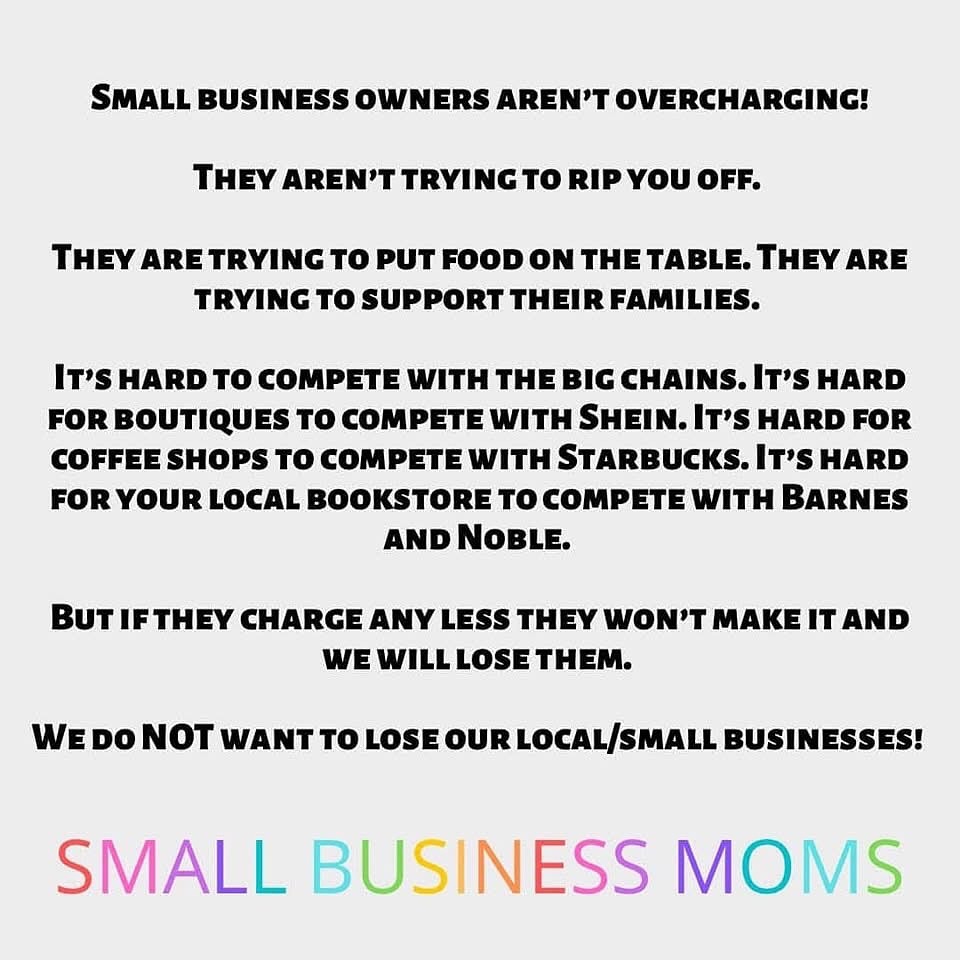
Credit: www.facebook.com
Leveraging Social Media
Social media is a powerful tool that can amplify your voice. If a small business has ripped you off, using social media effectively can turn your frustration into a call for accountability. With the right strategy, you can shed light on your experience and warn others about potential pitfalls.
Choosing The Right Platform
Different platforms serve different purposes. Facebook is great for community engagement, while Twitter excels in quick updates.
- Facebook:Share detailed posts and photos.
- Twitter:Post concise tweets with hashtags.
- Instagram:Use visuals to highlight your experience.
Think about where your audience is most active. Targeting the right platform can help your message reach more people.
Crafting Your Message
Your message should be clear and concise. Start by outlining what happened, including dates, times, and any interactions.
- Be factual—stick to the truth.
- Use screenshots or photos as evidence.
- Keep your tone professional, even if you’re upset.
What do you want your audience to take away from your story? A clear message can motivate them to share your post.
Engaging Your Audience
Don’t just post and walk away. Engage with anyone who comments on your situation.
- Thank supporters for their empathy.
- Answer questions to clarify your experience.
- Encourage others to share their similar stories.
Creating a dialogue can help your post gain traction. The more people interact, the more visible your story becomes.
Tagging The Business
Tag the business involved in your post. This can increase the chances of them responding.
- Make your post public.
- Use relevant hashtags to reach a broader audience.
- Consider tagging local consumer rights organizations.
Have you thought about how this can lead to a resolution? A public acknowledgment can often prompt a faster response.
Monitoring Responses And Feedback
Keep an eye on how the business and your audience respond. Some businesses will take your concerns seriously.
- Be ready to update your audience if the situation changes.
- Share any resolutions or actions taken by the business.
- Maintain transparency to build trust with your followers.
How you handle feedback can shape your reputation too. Staying calm and collected is essential.
Leveraging social media effectively can turn a negative experience into a learning opportunity for both you and your community. Are you ready to share your story and hold the business accountable?
Protecting Yourself In The Future
Small businesses can sometimes take advantage of customers. To protect yourself, keep all receipts and documents. Contact the business directly to resolve issues. If that fails, consider reporting them to consumer protection agencies. Always stay informed about your rights as a consumer.
Protecting yourself in the future is crucial after experiencing a negative encounter with a small business. You want to ensure that your hard-earned money is safe and that you don’t find yourself in a similar situation again. Here are some practical steps you can take to safeguard your interests moving forward.Understand Your Rights
Familiarize yourself with consumer protection laws in your area. Knowing your rights can empower you to take action if something goes wrong. Research local regulations. They often outline what businesses can and cannot do. Being informed gives you leverage in disputes.Keep Records
Document every transaction. Save receipts, invoices, and any correspondence related to your purchases. Use a dedicated folder or app to organize your records. This will make it easier to reference them if needed. If a dispute arises, having detailed records can make a difference.Read Reviews Before Purchasing
Check online reviews before engaging with a new business. Websites like Yelp or Google Reviews can provide valuable insights from other customers. Look for patterns in feedback. A few negative reviews might indicate a trend worth noting. Trust your instincts. If something feels off, consider other options.Ask Questions
Don’t hesitate to ask questions before making a purchase. Clarify any doubts you may have about products or services. Be direct about pricing, warranties, and return policies. A reputable business will appreciate your diligence and provide clear answers.Use Secure Payment Methods
Opt for credit cards or secure payment platforms when making purchases. These options often offer better fraud protection compared to cash or checks. Avoid sharing sensitive information unless absolutely necessary. Protecting your financial details is key to preventing future issues.Trust Your Instincts
If a deal seems too good to be true, it probably is. Listen to your gut feelings about a business. If you sense something is off, don’t hesitate to walk away. Your intuition can often be a reliable guide. Taking these steps can help you feel more secure in your transactions. What measures have you found effective in avoiding scams? Share your thoughts and experiences.
Credit: www.facebook.com
When To Walk Away
Dealing with a small business that rips you off can be hard. Sometimes, it’s best to walk away. Knowing when to do this can save you time and stress.
Assess The Situation
Look closely at what happened. Was it a simple mistake? Or was it a clear scam? Understanding the issue helps you decide your next steps.
Think about the total amount lost. Is it worth the effort to pursue? Sometimes, letting go is easier than fighting for a small amount.
Consider The Impact
How does this affect you? Will it cause financial strain? Can you move on without this loss? Weighing the impact is crucial.
Emotional stress matters too. If it keeps you up at night, it may be time to walk away.
Evaluate Your Options
What options do you have? Can you resolve it with a phone call? Or do you need to escalate the issue? Think about the best path forward.
Sometimes, a direct approach works. Other times, formal complaints are necessary. Know your choices before deciding.
Trust Your Instincts
Your gut feeling matters. If it feels wrong, it probably is. Trusting your instincts can guide you well.
Walking away can be a sign of strength. Don’t feel bad for choosing peace over conflict.
Frequently Asked Questions
What Should I Do First If A Business Rips Me Off?
Contact the business directly to explain your issue. Keep all records of your communication.
How Can I Prove A Business Has Ripped Me Off?
Gather evidence like receipts, emails, and photos. Document everything to support your claim.
What Steps Can I Take To Resolve The Issue?
Try to negotiate a refund or replacement with the business. Be polite but firm in your request.
Can I Report A Business That Scammed Me?
Yes, you can report it to consumer protection agencies and the Better Business Bureau.
What Information Do I Need For Reporting?
Provide details like business name, address, your complaint, and any evidence you have.
Is It Worth Pursuing Legal Action Against A Small Business?
Legal action can be costly and time-consuming. Weigh the potential benefits before deciding.
Can I Leave A Negative Review For A Business?
Yes, sharing your experience can help others. Be honest and factual in your review.
What If The Business Ignores My Complaint?
Follow up with them. If they still don’t respond, consider escalating the issue.
Are There Consumer Protection Laws For Small Businesses?
Yes, many countries have laws that protect consumers from unfair business practices.
How Can I Avoid Being Ripped Off In The Future?
Research businesses before purchasing. Check reviews and ratings to make informed choices.
Conclusion
Dealing with a small business that rips you off is tough. It can feel frustrating and unfair. Take action to protect yourself. Gather evidence and document everything. Communicate clearly with the business. Seek help from consumer protection agencies if needed.
Don’t let this experience discourage you. Learn from it and share your story. Others can benefit from your experience. Stand up for your rights and make informed choices in the future. You deserve fair treatment and quality service.
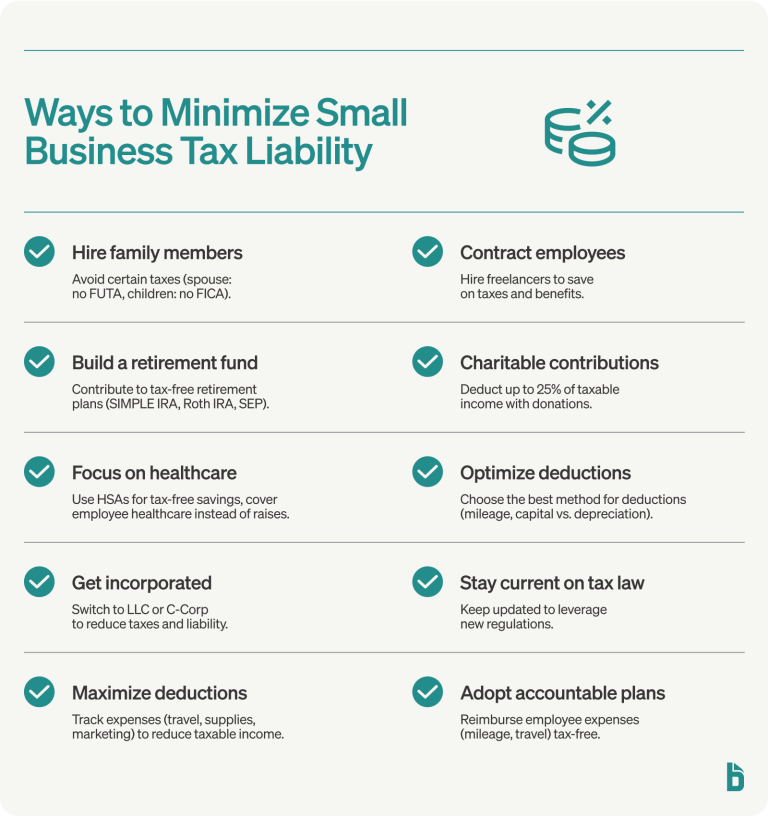 How to Avoid Taxes As a Small Business Owner: Legal Strategies
 What is the Meaning of Small Business Entrepreneurship: Explained
 What to Do If a Small Business Scams You: Essential Steps