
Have you ever felt dizzy when standing up too fast or noticed your energy dipping unexpectedly? These could be signs that your blood pressure is lower than it should be—a condition known as hypotension.
But what exactly is hypotension, and why should you care about it? Understanding this condition is crucial because low blood pressure can affect your daily life in ways you might not expect. You’ll discover the common causes, symptoms, and what you can do to keep your blood pressure in a healthy range.
Keep reading to learn how hypotension might be impacting you and what steps you can take to feel your best.
Causes Of Low Blood Pressure
Low blood pressure, also known as hypotension, can happen for many reasons. It occurs when the force of blood pushing against artery walls drops below normal. This can cause dizziness, fainting, and fatigue. Understanding the causes helps in managing and preventing problems linked to low blood pressure.
Orthostatic (postural) Hypotension
This type happens when blood pressure falls suddenly after standing up fast. Blood pools in the legs, reducing blood flow to the brain. It often causes lightheadedness or fainting.
Dehydration
Not drinking enough water lowers blood volume. This reduces blood pressure and makes you feel weak or dizzy. Dehydration can occur from illness, exercise, or hot weather.
Heart Problems
Conditions like slow heart rate, heart valve issues, or heart failure reduce blood flow. The heart cannot pump enough blood, causing low blood pressure and fatigue.
Medications
Some medicines lower blood pressure as a side effect. These include drugs for high blood pressure, Parkinson’s disease, and depression. Always talk to a doctor before stopping any medicine.
This occurs after standing too long or during stress. Faulty signals between the brain and heart cause a temporary drop in blood pressure. It can lead to dizziness and fainting.
Postprandial Hypotension
Blood pressure drops after eating, especially in older adults. The body directs blood to the stomach, reducing pressure elsewhere. It may cause weakness and falls.
Severe Bleeding
Major blood loss from injury or internal bleeding lowers blood volume. This causes a sharp drop in blood pressure and is a medical emergency.
Endocrine Problems
Hormone issues like Addison’s disease or thyroid problems affect blood pressure. The body cannot regulate blood flow properly, leading to hypotension.
Nerve Damage
Diseases such as diabetes can harm nerves that control blood pressure. This disrupts the body’s ability to maintain stable pressure levels.
Pregnancy
The body’s circulatory system expands during pregnancy. This can cause blood pressure to drop, especially in the first and second trimesters.

Credit: www.emedicinehealth.com
Orthostatic Hypotension
Orthostatic hypotension is a type of low blood pressure. It happens when someone stands up quickly from sitting or lying down. This sudden change causes the blood pressure to drop. The brain then gets less blood and oxygen for a short time. This can cause dizziness, lightheadedness, or even fainting.
Many people experience orthostatic hypotension. It often affects older adults. Some medical conditions and medicines can also cause it. Knowing about this condition helps in managing symptoms effectively.
What Causes Orthostatic Hypotension?
Orthostatic hypotension occurs due to poor blood flow regulation. When standing, gravity pulls blood to the legs. Normally, the body adjusts by tightening blood vessels and increasing heart rate. If this does not happen fast enough, blood pressure drops. Causes include dehydration, heart problems, and certain medications.
Symptoms Of Orthostatic Hypotension
Dizziness or lightheadedness are common symptoms. Some people may feel weak or see spots before their eyes. Fainting can happen in severe cases. Symptoms usually occur within a few seconds to minutes after standing up.
How To Manage Orthostatic Hypotension
Stand up slowly from sitting or lying positions. Drinking enough water helps keep blood volume normal. Compression stockings improve blood flow in the legs. Doctors may adjust medications if they cause low blood pressure. Regular exercise can improve circulation and reduce symptoms.
Effects Of Dehydration
Dehydration plays a key role in causing hypotension. It reduces the total fluid in the body. This leads to a drop in blood volume, which lowers blood pressure. Without enough fluids, the heart struggles to pump blood effectively.
Low blood volume causes less oxygen and nutrients to reach organs. This triggers symptoms like dizziness, weakness, and fainting. Dehydration can quickly worsen hypotension, especially in hot weather or after exercise.
How Dehydration Lowers Blood Pressure
Water makes up a large part of your blood. Losing water means blood becomes thicker and harder to move. The heart has to work harder to push thick blood. When fluid loss is severe, the heart cannot keep up.
Blood vessels may also narrow to keep pressure up. But with less fluid, this narrowing is not enough to stop a pressure drop. The result is hypotension caused by low blood volume.
Symptoms Of Dehydration-induced Hypotension
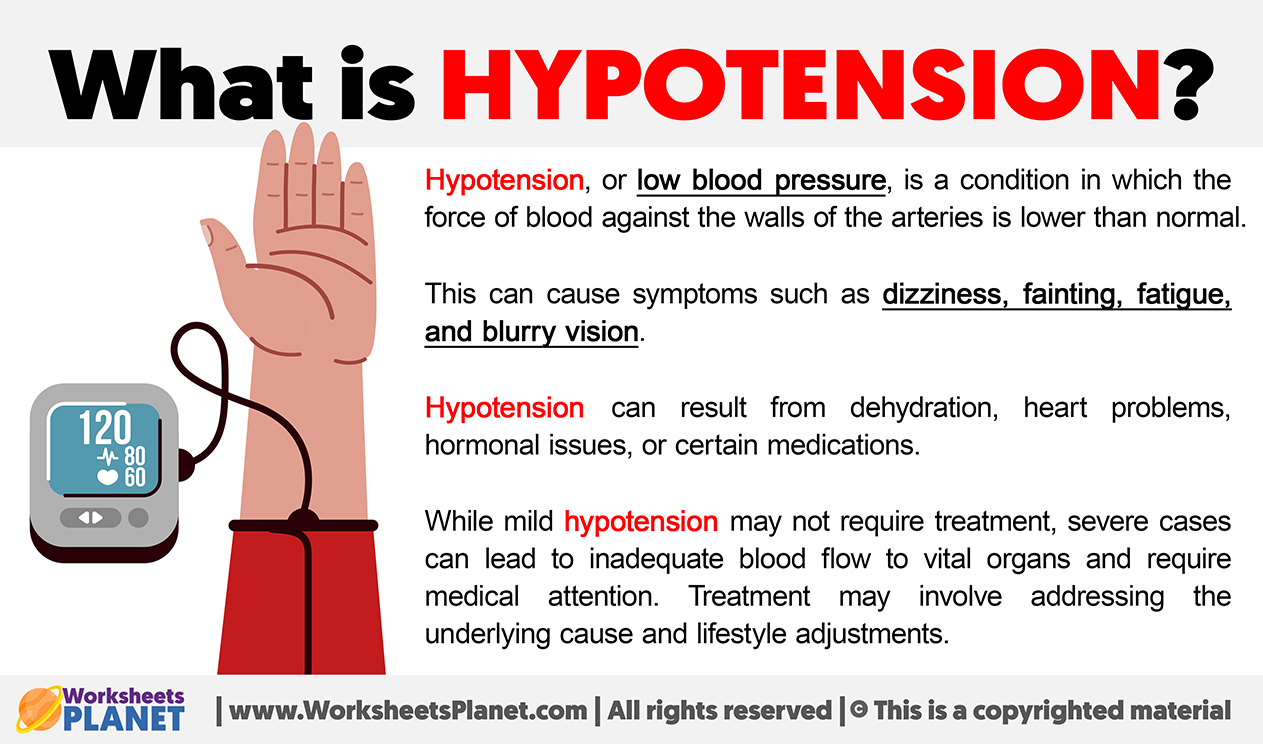
Common signs include feeling lightheaded or dizzy, especially when standing. You might also feel weak or tired. Some people experience blurry vision or confusion. In severe cases, fainting can occur.
These symptoms show the brain and organs are not getting enough blood. They need immediate attention to prevent serious health problems.
Preventing Hypotension From Dehydration
Drink enough fluids throughout the day. Water is the best choice for hydration. Avoid drinks with caffeine or alcohol as they can cause more fluid loss.
During hot weather or exercise, increase water intake. Eating foods with high water content helps too. Watch for early signs of dehydration and act fast.
Credit: www.worksheetsplanet.com
Heart-related Factors
The heart plays a vital role in maintaining blood pressure. When the heart fails to pump blood effectively, blood pressure can drop, causing hypotension. Several heart-related factors contribute to this condition. Understanding these factors helps explain why blood pressure falls in some cases.
Bradycardia (slow Heart Rate)
Bradycardia means the heart beats too slowly. A slow heart rate reduces the amount of blood pumped to the body. This drop in blood flow lowers blood pressure, leading to hypotension.
Heart Valve Problems
Heart valves control blood flow inside the heart. When valves do not open or close properly, blood flow is disrupted. Poor blood flow can cause low blood pressure and symptoms like dizziness or fainting.
Heart Failure
Heart failure occurs when the heart cannot pump enough blood. This condition causes blood pressure to drop. The organs do not get enough oxygen and nutrients, causing fatigue and weakness.
Medication-induced Hypotension
Medication-induced hypotension occurs when certain drugs cause blood pressure to drop too low. This condition can be temporary or last as long as the medication is taken. It often happens because some medicines affect the heart, blood vessels, or fluid balance.
Understanding which medications cause hypotension helps manage the condition better. Some drugs lower blood pressure too much, leading to dizziness, fainting, or weakness. Monitoring and adjusting these medications can prevent serious problems.
Common Medications That Cause Hypotension
Blood pressure medicines, like diuretics and beta-blockers, often cause low blood pressure. Diuretics reduce fluid in the body, lowering blood volume. Beta-blockers slow the heart rate, which can reduce blood pressure.
Other drugs include antidepressants, which affect nerve signals, and Parkinson’s disease medicines that can widen blood vessels. Some painkillers and sedatives also lower blood pressure by relaxing muscles and blood vessels.
How Medication Causes Blood Pressure To Drop
Some medications relax blood vessels, making it easier for blood to flow. This reduces the pressure inside the arteries. Others reduce the amount of fluid in the body, lowering the volume of blood pumped by the heart.
Some drugs slow the heart rate or weaken its pumping ability. This leads to less blood being pushed through the body, causing blood pressure to fall. The combined effects can sometimes cause symptoms like dizziness or fainting.
Managing Medication-induced Hypotension
Doctors may adjust the dose or change the medication to reduce low blood pressure risks. Patients should report symptoms like dizziness or fainting to their healthcare provider. Monitoring blood pressure regularly helps detect problems early.
Sometimes, lifestyle changes like drinking more water or standing up slowly can help. Avoiding sudden position changes reduces the chance of feeling lightheaded. Careful management ensures medicines help without causing harmful low blood pressure.
Neurally Mediated Hypotension
Neurally mediated hypotension is a type of low blood pressure. It happens when the brain sends wrong signals to the heart and blood vessels. These signals cause a sudden drop in blood pressure. This often occurs after standing for a long time or during stress. The drop can make a person feel dizzy or faint.
This condition mostly affects young people and children. It is a common cause of fainting, especially during emotional stress or pain. The body’s normal response to standing fails, leading to poor blood flow to the brain.
Causes Of Neurally Mediated Hypotension
The brain and heart communicate through nerves to control blood pressure. Sometimes, this communication gets mixed up. Standing for a long time can trigger this condition. Stressful events like fear or pain may also cause it. The nerves send signals that slow the heart rate or widen blood vessels. This lowers blood pressure too much.
Common symptoms include dizziness, lightheadedness, and fainting. People may feel weak or tired after standing. Blurred vision and nausea can also appear. Symptoms usually start after standing or during stress. They go away when the person lies down.
Treatment And Management
Treatment focuses on preventing the blood pressure drop. Drinking enough fluids helps keep blood volume high. Avoiding long periods of standing reduces risk. Wearing compression stockings can improve blood flow. Doctors may suggest medication in some cases. Learning to recognize early symptoms is important.
Postprandial Blood Pressure Drops
Postprandial blood pressure drops happen after eating a meal. Blood vessels in the stomach and intestines widen to help digest food. This causes blood to move away from other parts of the body.
As a result, blood pressure can fall, sometimes causing dizziness or weakness. This condition is called postprandial hypotension. It affects mainly older adults and people with nerve problems.
What Causes Postprandial Blood Pressure Drops?
Eating a large meal shifts blood to the digestive system. The heart tries to pump more blood to keep pressure steady. In some people, the heart cannot keep up. This leads to a drop in blood pressure after meals.
Who Is At Risk?
Older adults often face this issue due to weaker blood vessel responses. People with Parkinson’s disease or diabetes may also have problems. These conditions affect nerve signals that control blood flow.
Dizziness, lightheadedness, or fainting after eating are common signs. Some feel weak or tired after meals. These symptoms should not be ignored, especially in older adults.
How To Manage Postprandial Hypotension
Eating small, frequent meals can help reduce drops in blood pressure. Avoiding high-carbohydrate foods may also help. Staying seated or resting after meals lowers the risk of symptoms.
Role Of Endocrine Disorders
Endocrine disorders play a significant role in causing hypotension. Hormones regulate many body functions, including blood pressure. When hormone levels are too low or too high, blood pressure can drop.
These disorders affect how the body controls blood volume and vessel tone. This can lead to persistent low blood pressure or sudden drops.
Thyroid Disorders And Hypotension
The thyroid gland controls metabolism and energy use. Hypothyroidism, or low thyroid hormone levels, slows down body functions. This can cause a slow heart rate and weak heart contractions. Both reduce blood pressure and lead to hypotension symptoms.
Addison’s Disease And Blood Pressure
Addison’s disease affects the adrenal glands. These glands produce hormones like cortisol and aldosterone. Low aldosterone causes the body to lose salt and water. This lowers blood volume and drops blood pressure. People with Addison’s often experience dizziness and fainting due to low blood pressure.
Diabetes And Nervous System Damage
Diabetes can damage nerves that control blood pressure. This condition is called autonomic neuropathy. It disrupts signals between the brain and heart. The result is poor blood pressure regulation and frequent hypotension episodes.
Symptoms To Watch For
Recognizing symptoms of hypotension helps in early detection and care. Low blood pressure often shows subtle signs. These signs vary in severity and type. Being aware of them can prevent complications. Watch closely for changes in how the body feels.
Dizziness And Lightheadedness
Dizziness is a common symptom of hypotension. It may happen when standing up quickly. Feeling lightheaded or faint signals low blood flow to the brain. These symptoms often cause imbalance or unsteadiness.
Fatigue And Weakness
Low blood pressure can make people feel very tired. Weakness and low energy are typical signs. The body may struggle to get enough oxygen and nutrients. This leads to sluggishness and difficulty in daily tasks.
Blurred Or Fading Vision
Vision changes can occur with hypotension. Blurred or tunnel vision happens due to poor blood supply to the eyes. Some people see spots or experience temporary vision loss. These signs require immediate attention.
Nausea And Cold, Clammy Skin
Nausea often accompanies low blood pressure episodes. The skin may feel cold and sweaty. Clammy skin shows the body’s stress response. These symptoms warn of a drop in blood pressure.
Rapid, Shallow Breathing
Breathing may become quick and shallow during hypotension. The body tries to get more oxygen fast. This response helps when blood pressure falls too low. It can cause feelings of anxiety or panic.
Fainting Or Near-fainting Spells
Severe hypotension can cause fainting. Passing out happens when the brain gets too little blood. Near-fainting episodes are warnings before a full collapse. Immediate care is needed to avoid injury.
Risks And Complications
Low blood pressure, or hypotension, may seem harmless at first. Yet, it can cause serious health issues if left untreated. Understanding risks and complications helps manage this condition better.
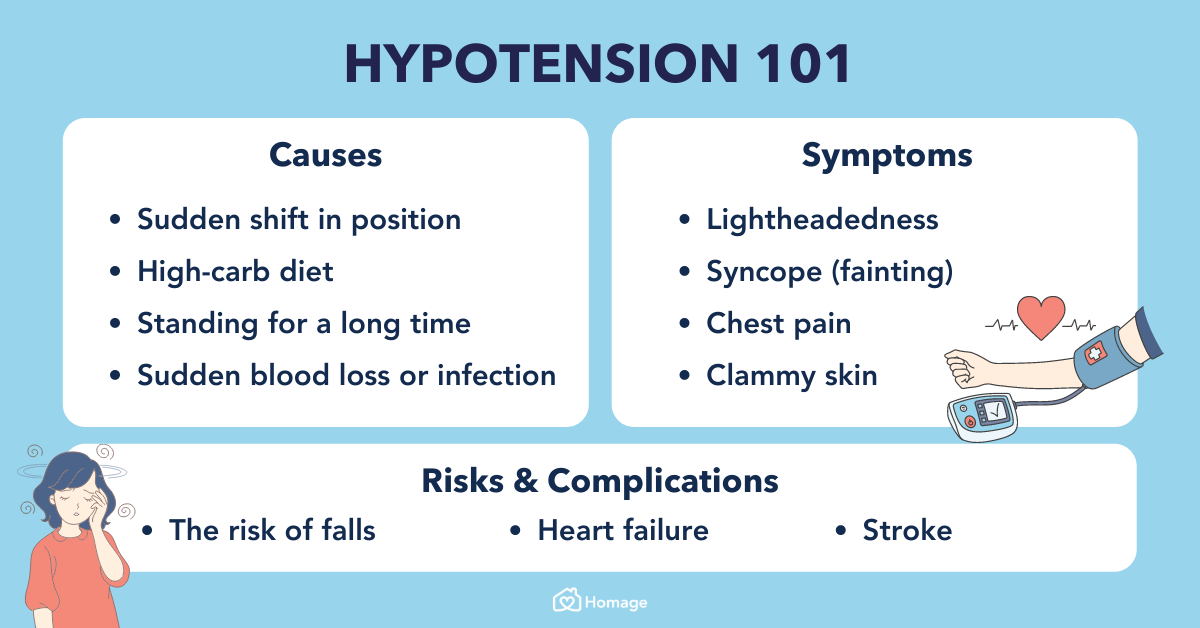
Hypotension affects the flow of blood and oxygen to vital organs. This can lead to dizziness, fainting, and falls. In severe cases, it can cause life-threatening problems.
Risk Of Falls And Injuries
Sudden drops in blood pressure often cause dizziness and fainting. This increases the chance of falling, especially in older adults. Falls can lead to fractures and other severe injuries.
Organ Damage
Low blood pressure can reduce blood flow to important organs. The brain, heart, and kidneys may not get enough oxygen. This can cause confusion, heart damage, or kidney failure.
Shock
Severe hypotension may lead to shock, a medical emergency. Shock happens when organs do not get enough blood. Without quick treatment, shock can cause organ failure and death.
Fatigue And Weakness
Inadequate blood flow makes muscles weak and tired. People with hypotension may feel exhausted easily. This affects daily activities and overall quality of life.
Complications During Pregnancy
Pregnant women with low blood pressure risk dizziness and fainting. This can harm both mother and baby. Proper care and monitoring are important in these cases.
Credit: www.homage.com.my
Frequently Asked Questions
What Is The Main Cause Of Hypotension?
The main cause of hypotension is sudden posture changes, dehydration, heart problems, or certain medications lowering blood pressure.
What Does Hypotension Feel Like?
Hypotension feels like dizziness, lightheadedness, fatigue, blurred vision, and fainting. You may also experience nausea and weakness.
Is 110 Over 60 A Low Blood Pressure?
A blood pressure of 110 over 60 mmHg is generally normal and not considered low. It indicates healthy heart function.
What Is The Difference Between Low Bp And Hypotension?
Low BP refers to blood pressure below normal range without symptoms. Hypotension causes symptoms like dizziness or fainting due to insufficient blood flow.
What Is Hypotension In Simple Terms?
Hypotension means blood pressure is lower than normal, making it hard for blood to flow properly.
What Causes Low Blood Pressure (hypotension)?
Common causes include dehydration, heart problems, sudden standing, medications, and nerve damage.
What Are Common Symptoms Of Hypotension?
Symptoms include dizziness, fainting, blurred vision, fatigue, and weakness.
How Does Dehydration Lead To Hypotension?
Dehydration lowers blood volume, which reduces blood pressure and causes hypotension.
Can Medications Cause Hypotension?
Yes, some medicines for heart, blood pressure, and depression can lower blood pressure.
What Is Orthostatic Hypotension?
It is a sudden drop in blood pressure when standing up quickly from sitting or lying down.
Conclusion
Hypotension means low blood pressure that can cause dizziness or fainting. Many factors can lead to hypotension, like dehydration, heart issues, or certain medicines. It is important to recognize symptoms early for timely care. Simple steps like drinking water and standing up slowly help prevent drops in blood pressure.
Understanding hypotension helps manage health better every day. Stay aware and consult a doctor if symptoms appear. Taking care of your blood pressure keeps you feeling strong and safe.