In the world of Minecraft, players often search for valuable items, powerful resources, and hidden secrets. But what about the things you usually throw away? Rotten flesh is one of those items that most players ignore or use only in emergencies. After all, it’s dropped by zombies, husks, and drowned mobs—hardly the most glamorous loot in the game. But did you know that rotten flesh has many uses, both basic and advanced, that can help you survive and thrive in Minecraft?
This article explores every possible use for rotten flesh, including practical survival tricks, trading, animal care, and even some unexpected strategies. Whether you’re a new player or a seasoned Minecraft veteran, you’ll discover insights and tips that change the way you see this common item.
What Is Rotten Flesh In Minecraft?
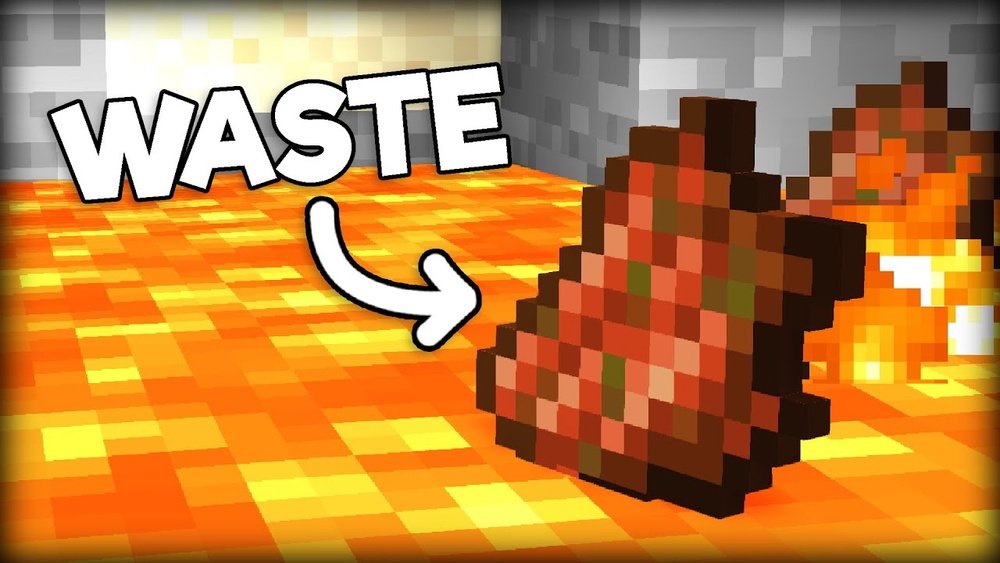
Rotten flesh is a common mob drop that appears as a brownish, pixelated piece of meat. You’ll mostly find it after defeating zombies, husks, drowned, or zoglins. Each of these mobs drops rotten flesh with a chance between 0 and 2 pieces, depending on your Looting enchantment.
Many players see rotten flesh as a “junk” item due to its negative effects. Eating it causes the Hunger status effect, making your hunger bar drop faster. However, there are smart ways to use it that can turn this “trash” into treasure.
How To Obtain Rotten Flesh
Before talking about its uses, let’s look at how you collect rotten flesh in the game:
- Killing Zombies, Husks, and Drowned: The most common way is by defeating these mobs. Each kill can drop between 0–2 pieces. The Looting enchantment on your weapon increases the drop rate.
- Fishing: Sometimes, you can fish up rotten flesh as “junk.” Although this isn’t the best way to farm it, it’s common if you fish a lot.
- Killing Zoglins: Zoglins, which are zombified hoglins from the Nether, also drop rotten flesh.
- Killing Zombie Villagers: These mobs drop rotten flesh just like regular zombies.
- Loot Chests: Occasionally, rotten flesh appears in dungeons, desert temples, bastions, and other structures.
The easiest way to get rotten flesh in large amounts is by building a zombie farm. This lets you collect stacks of it quickly, which is important for some of the uses we’ll discuss later.
Credit: www.reddit.com
Rotten Flesh As Emergency Food
Many players ignore rotten flesh as a food source because of the Hunger effect. But in survival situations, eating it can save your life. Here’s what you need to know:
- Restores 4 Hunger Points (2 drumsticks) per piece, but has an 80% chance to apply Hunger for 30 seconds.
- Hunger effect drains your food bar faster, but does not cause direct damage.
How To Use Rotten Flesh Safely
- When You Have No Other Food: If your health is low and you have no other food, rotten flesh can save you from dying. The hunger effect is less dangerous than starving.
- Standing Still: If you eat rotten flesh and then stand still (for example, inside a safe house), the hunger effect won’t affect your health much because you’re not burning energy.
- With Milk: Drinking milk after eating rotten flesh removes the Hunger effect, though this requires carrying a bucket.
- Saturation Management: If your saturation is already high, the hunger effect will drain the invisible “saturation” bar before your hunger bar, so you’ll stay full longer.
Pro tip: In multiplayer servers, some players use rotten flesh strategically during hunger games or resource-limited challenges to outlast their opponents.
Feeding Wolves With Rotten Flesh
Wolves are loyal companions in Minecraft, but keeping them healthy takes resources. Luckily, wolves can eat rotten flesh without any negative effects!
- Heals Wolves: Each piece restores 2 health points (1 heart).
- Breeding: Rotten flesh can also be used to breed wolves, just like meat.
- No Hunger Effect: Wolves never get the Hunger status from rotten flesh, making it the perfect way to heal or breed large packs.
Practical insight: If you have a wolf army, keep stacks of rotten flesh for easy healing. This is especially useful when exploring caves or fighting mobs, where your wolves might get hurt.
Trading Rotten Flesh With Villagers
One of the best uses for rotten flesh is trading with cleric villagers. This turns a “junk” item into valuable emeralds.
- Cleric Villager: At the novice level, clerics offer trades that convert 32–36 rotten flesh into 1 emerald.
- Leveling Up Clerics: Trading rotten flesh helps you unlock more advanced trades, like Redstone, Lapis Lazuli, Ender Pearls, or even Bottles o’ Enchanting.
- Renewable Emeralds: If you have a zombie farm, you can generate infinite emeralds by trading rotten flesh.
Table: Rotten Flesh For Emeralds (cleric Trades)
| Cleric Level | Rotten Flesh Needed | Emeralds Received |
|---|---|---|
| Novice | 32–36 | 1 |
| Apprentice+ | Not available | N/A |
Advanced tip: A zombie farm near a village can generate hundreds of emeralds per hour. Just remember, each villager can only do a limited number of trades before needing to restock (which happens when they access a brewing stand).
Composting Rotten Flesh (bedrock Edition Only)
In the Bedrock Edition of Minecraft, you can compost rotten flesh using a composter.
- Composting Chance: Each rotten flesh adds a small chance to fill the composter.
- Produces Bone Meal: When full, the composter gives you 1 bone meal, which is useful for farming.
Java Edition players cannot compost rotten flesh, making this a special use for Bedrock players.
Non-obvious insight: If you have excess rotten flesh and no cleric villagers, composting is a way to turn it into a valuable resource for crop growth.
Rotten Flesh In Brewing (zombie Villager Curing)
While rotten flesh is not a direct brewing ingredient, it plays an indirect role in the process of curing zombie villagers.
- Finding Zombie Villagers: Often, you’ll get lots of rotten flesh while defending villages from zombie sieges.
- Curing Process: Cured zombie villagers become normal villagers, which can then be traded with for emeralds and special items.
- Cycle: Rotten flesh helps you gather emeralds, which you can reinvest into village infrastructure, potions, and further trading.
Example: A player farms zombies for rotten flesh, trades with a cleric for emeralds, uses the emeralds to buy resources, and builds a better potion lab for curing more zombie villagers.
Rotten Flesh For Advancements And Achievements
Some Minecraft advancements and achievements indirectly involve rotten flesh:
- “Zombie Doctor”: Curing a zombie villager is easier if you have a zombie farm, which also provides rotten flesh.
- “Leader of the Pack”: Requires breeding wolves, which can be done with rotten flesh.
- “Plethora of Cats”: Not directly related, but players often use rotten flesh as emergency food during long cat hunts.
While rotten flesh isn’t always the focus, it supports key steps in reaching these goals.
Rotten Flesh In Custom Maps And Mods
Minecraft’s huge modding community uses rotten flesh in creative ways:
- Custom Recipes: Some mods let you cook rotten flesh into leather, jerky, or even edible food. For example, the “Tough as Nails” mod allows players to dry rotten flesh on a drying rack for safe consumption.
- Quests and Objectives: Custom maps sometimes require you to collect or use rotten flesh as part of challenges or storylines.
- Magic and Alchemy: Some magic mods use rotten flesh as an ingredient for spells or potions.
Non-obvious insight: Always check the recipes and quest logs in modded Minecraft—rotten flesh may be more valuable than you think.
Rotten Flesh For Decoration And Storytelling
Players often use items to build stories or decorate their worlds. Rotten flesh can add atmosphere in creative ways:
- Haunted Houses and Dungeons: Scatter rotten flesh to make an area look like a battle happened.
- Roleplay Servers: Rotten flesh can represent old, spoiled food in a medieval tavern or clues in a murder mystery.
- Adventure Maps: Map makers use rotten flesh as “clues” or collectible items for players to find.
Advanced use: Combine rotten flesh with bones, skulls, and cobwebs for the ultimate spooky effect.
Rotten Flesh In Survival Challenges
Some Minecraft communities create special challenges based on rotten flesh:
- “Rotten Flesh Only” Runs: Players try to survive on nothing but rotten flesh, testing their hunger management skills.
- Trading Contests: See who can trade the most rotten flesh for emeralds in a set time.
- Hardcore Mode: Use rotten flesh as the only source of food to make the game more difficult.
These challenges add excitement and force players to learn new strategies.
Rotten Flesh In Redstone And Automation
Rotten flesh is not directly used in redstone circuits, but it plays a role in automation:
- Item Sorters: Players build automatic systems to collect, sort, and store rotten flesh from mob farms.
- Auto-Trading Halls: Some advanced players create systems where rotten flesh is automatically transported to a trading hall, making emerald farming hands-free.
- Composter Automation (Bedrock): In Bedrock Edition, you can use hoppers to auto-compost rotten flesh.
Table: Rotten Flesh Automation Ideas
| Automation Type | Main Benefit | Redstone Complexity |
|---|---|---|
| Item Sorter | Organizes rotten flesh storage | Low |
| Auto-Trading Hall | Fast emerald farming | High |
| Auto-Composter (Bedrock) | Bone meal production | Medium |
Pro tip: Even if you don’t use rotten flesh immediately, automated storage makes it easy to access later for trading or farming.

Credit: www.reddit.com
Rotten Flesh In Multiplayer Servers
On multiplayer servers, rotten flesh can have extra value:
- Player Trading: Some servers allow trading rotten flesh for money or rare items through shops.
- Quests and Events: Server admins may set up quests requiring players to collect large amounts of rotten flesh.
- Economy Plugins: Plugins like “Essentials” or “ChestShop” often use rotten flesh as a tradeable commodity, especially early game.
Unique insight: On some servers, rotten flesh is harder to get due to custom mob rates, making it a rare and valuable resource.
Rotten Flesh Storage And Inventory Management
Rotten flesh can quickly fill up your inventory if you farm mobs often. Smart storage is essential:
- Bulk Storage: Use double chests near your mob farm to store rotten flesh. It stacks up to 64 per slot.
- Item Frames: Some players mark storage rooms with an item frame showing rotten flesh for organization.
- Shulker Boxes: In late game, use shulker boxes to transport rotten flesh to your trading hall or composter.
Inventory tip: Don’t throw away rotten flesh just because your inventory is full. Set up a disposal system or auto-sorter to manage overflow efficiently.
Rotten Flesh In Hardcore And Ultra Hardcore Modes
Hardcore players face extra challenges:
- Food Shortages: In Ultra Hardcore, healing is limited, so rotten flesh can help you recover in emergencies.
- No Regeneration: Since natural healing is off, keeping your hunger bar full with rotten flesh can prevent starvation.
- Risk-Reward: Weigh the short-term benefits of eating rotten flesh against the long-term risks of the hunger effect.
Pro insight: Carry milk buckets to counteract the hunger effect, especially when exploring dangerous areas with limited food.
Rotten Flesh And Minecraft Lore
Rotten flesh adds flavor to the game’s world and story:
- Zombie Origins: The item hints at the undead nature of zombies, husks, and drowned.
- Survival Theme: Using rotten flesh as food reflects the game’s core survival challenge.
- Villager Society: Trading rotten flesh with clerics suggests they have unique uses for it, possibly in rituals or alchemy.
Fun fact: In the Bedrock Edition, eating rotten flesh has a rare chance (0.01%) of giving you the “Hero of the Village” effect—an Easter egg for curious players!

Credit: www.youtube.com
Rotten Flesh: What Not To Do
Some common mistakes make rotten flesh less useful:
- Throwing It Away: Many players toss rotten flesh without realizing its value for trading or animal care.
- Ignoring Clerics: Not every village has a cleric. If possible, create a brewing stand to unlock this villager type and start trading.
- Eating While Moving: Eating rotten flesh while running or fighting makes the hunger effect much worse. Only eat it when you can stay still.
- Overfilling Chests: Letting rotten flesh fill up all your storage slows down your mob farm. Set up auto-dispensers or composters to handle overflow.
Practical tip: Check your world for trading or composting opportunities before disposing of rotten flesh.
Rotten Flesh In Speedrunning
Speedrunners rarely rely on rotten flesh, but it has niche uses:
- Quick Food: In random seed speedruns, rotten flesh can be the first food you find after killing a zombie.
- Wolves: Taming wolves quickly with rotten flesh can offer protection, saving time in dangerous biomes.
- Trading: In rare cases, rotten flesh helps unlock needed emeralds from clerics for key items.
Speedrunners know every second counts, so they use rotten flesh only when it saves time or resources.
Rotten Flesh: Fun Facts And Trivia
- Stack Limit: Rotten flesh stacks to 64, making it easy to collect in bulk.
- No Cooking: Unlike other meats, you cannot cook rotten flesh in a furnace or campfire.
- Potion Immunity: The Hunger effect from rotten flesh cannot be removed with a Potion of Healing, only with milk.
- Fishing Odds: There’s a 1% chance of catching rotten flesh while fishing in “junk” loot tables.
- Zombie Piglins: In older Minecraft versions, zombie pigmen dropped rotten flesh. Now, only zoglins and regular zombies do.
Advanced insight: Always check patch notes for new uses—Mojang sometimes adds features that give old items new life.
Comparing Rotten Flesh To Other Mob Drops
How does rotten flesh stack up against other common mob drops? Here’s a comparison:
| Mob Drop | Main Use | Food Value | Trade Value | Other Uses |
|---|---|---|---|---|
| Rotten Flesh | Food, trading, wolves | 2 drumsticks (Hunger) | Emeralds (Cleric) | Composting (Bedrock) |
| String | Crafting, fishing rods | None | Emeralds (Fletcher) | Bows, leads, wool |
| Bone | Bone meal, taming dogs | None | Emeralds (Cleric) | Fertilizer |
| Spider Eye | Brewing | 1 drumstick (Poison) | Emeralds (Cleric) | Potions |
This shows that, while rotten flesh is often considered less useful, it actually holds unique advantages in food emergencies, villager trading, and wolf care.
Rotten Flesh: Creative World Uses
Even in Creative Mode, rotten flesh has a place:
- Adventure Maps: Use as a currency or quest item.
- Building Themes: Decorate dungeons, swamps, or graveyards.
- Redstone Contraptions: Test item sorting or disposal systems.
Non-obvious insight: Creative mode lets you experiment with rotten flesh in ways that survival players may never try. Mapmakers often use it as a storytelling tool.
Rotten Flesh In Minecraft Education
Some educators use Minecraft to teach resource management:
- Scarcity Lessons: Rotten flesh teaches students to think about using every resource wisely, not just rare items.
- Problem-Solving: Assignments may require creative uses for “junk” items, encouraging out-of-the-box thinking.
- Economics: Trading rotten flesh for emeralds demonstrates basic supply and demand.
For more on Minecraft in education, see the official Minecraft: Education Edition website.
The Future Of Rotten Flesh
Mojang often updates Minecraft, so the uses of rotten flesh may expand in the future:
- Possible Recipes: Players have suggested adding recipes to turn rotten flesh into leather, jerky, or fertilizer.
- New Trading Options: Future villagers might accept rotten flesh for new items or services.
- Potion Uses: Some mods already let you brew special potions using rotten flesh.
Pro tip: Keep an eye on update snapshots for new rotten flesh features—you never know when a “junk” item might become valuable.
Frequently Asked Questions
What Is The Best Way To Farm Rotten Flesh?
The most efficient method is to build a zombie mob farm. This can be as simple as a dark room where zombies spawn and fall into a collection area, or as advanced as an automatic XP grinder with item sorters. Looting-enchanted weapons increase your rotten flesh drops. Also, village sieges and raids spawn large numbers of zombies for extra farming.
Can You Eat Rotten Flesh Without Getting The Hunger Effect?
You cannot avoid the Hunger effect entirely when eating rotten flesh, as there is an 80% chance it will be applied. However, the “Hunger” effect can be removed by drinking milk. If you are standing still (not running or jumping), the effect is less harmful. Some rare mods or datapacks may change this behavior.
What Villagers Buy Rotten Flesh?
Cleric villagers (identified by their purple robes and brewing stand workstations) buy rotten flesh. At the novice level, they offer trades exchanging 32–36 rotten flesh for one emerald. As you trade more, you unlock other valuable items. No other villager type buys rotten flesh.
Is There Any Way To Cook Or Clean Rotten Flesh In Minecraft?
In the vanilla game, there is no way to cook or “clean” rotten flesh to make it safe. However, many mods add recipes to turn rotten flesh into leather, jerky, or other food items. Always check your mod pack for new features.
Can Rotten Flesh Be Composted In Minecraft?
Rotten flesh can only be composted in the Bedrock Edition of Minecraft. Place rotten flesh in a composter to produce bone meal. In Java Edition, this feature is not available as of the latest update.
Minecraft’s rotten flesh is much more than just a leftover from zombie battles. Whether you use it for trading, feeding wolves, emergency food, or creative storytelling, knowing how to get the most from rotten flesh can transform your gameplay. Next time you see a pile of rotten flesh on the ground, think twice before throwing it away—it might be your ticket to survival, wealth, or the next big adventure.