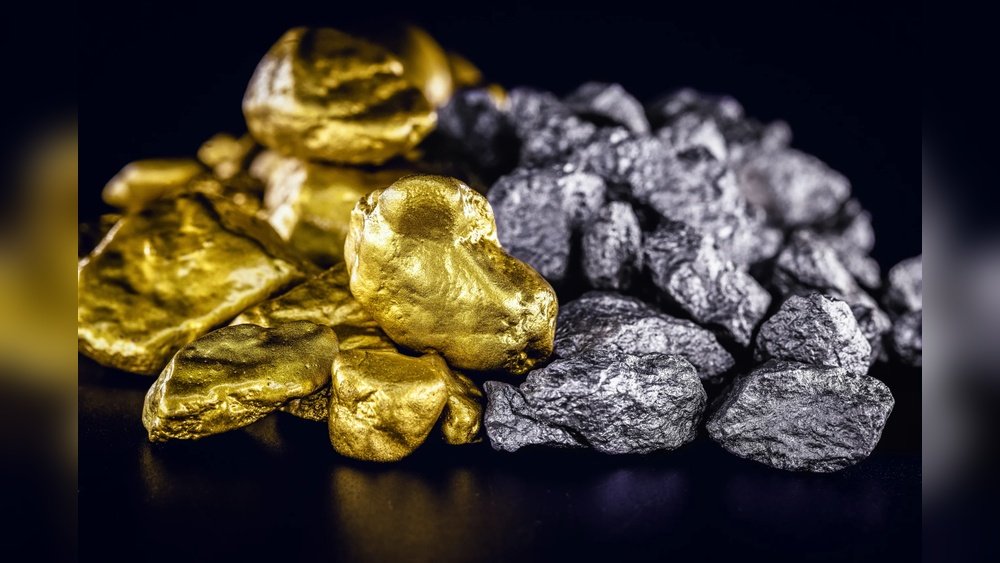
Is Gold Stronger Than Iron?
When people think about gold and iron, they often imagine gold as a precious, beautiful metal, and iron as a tough, practical one. But what does “stronger” really mean when we compare these two metals? Is gold stronger than iron in every way—or does iron win in some areas? This question is important for many fields, from jewelry making to building construction, and even in science and history. The answer is not as simple as it seems, because “strength” can mean different things: how much weight a metal can hold, how hard it is to scratch, or how easy it is to bend.
In this article, you’ll discover a detailed comparison between gold and iron. We’ll look at their physical properties, uses, and what “strength” really means. You’ll see examples from daily life, learn about their behavior in the real world, and understand why each metal is important. Whether you’re curious about science, materials, or just want to make better choices, this guide will give you clear, useful answers.
What Does “strong” Mean For Metals?
Before comparing gold and iron, it’s important to understand that “strong” is not just one thing in science. There are several types of strength:
- Tensile strength: How much pulling force a metal can take before it breaks.
- Compressive strength: How much squeezing force a metal can handle before it deforms.
- Hardness: How resistant a metal is to being scratched or dented.
- Malleability: How easy it is to shape a metal without breaking.
- Ductility: How easy it is to stretch a metal into a wire.
Each of these strengths matters for different uses. For example, you want high tensile strength in a bridge, but high malleability for making jewelry. So, when we compare gold and iron, we need to look at all these properties, not just one.
Physical And Chemical Properties
Gold: The Precious Metal
Gold’s chemical symbol is Au, and its atomic number is 79. It is famous for its bright yellow color and shine. Gold is one of the least reactive metals in the world. It does not rust or tarnish, which is why ancient gold jewelry can look new even after thousands of years.
Some key properties of gold:
- Density: 19.3 grams per cubic centimeter (very heavy for its size)
- Melting point: 1,064°C (1,947°F)
- Malleability: Extremely high; gold can be hammered into thin sheets called gold leaf
- Ductility: Very high; one ounce can be drawn into a wire over 50 miles long
- Hardness: Low; pure gold is soft and scratches easily
Gold is very easy to shape and work with, which makes it perfect for fine jewelry. However, that same softness can be a weakness if you want something that needs to be tough.
Iron: The Workhorse Metal
Iron’s chemical symbol is Fe, with atomic number 26. It is the most used metal on Earth, especially for construction and tools. Pure iron is silvery-gray and shines when polished, but it rusts easily when exposed to air and water.
Main properties of iron:
- Density: 7.87 grams per cubic centimeter (much lighter than gold)
- Melting point: 1,538°C (2,800°F)
- Malleability and ductility: Moderate; iron can be shaped, but not as easily as gold
- Hardness: Higher than gold; pure iron can be scratched, but less easily than gold
- Tensile strength: High; iron can hold a lot of weight before breaking
Iron is common in everything from skyscrapers to cars and kitchen pans. Its strength and abundance make it vital for modern life.
Comparing Strength: Gold Vs Iron
Let’s look closely at how gold and iron compare in real strength. Here is a side-by-side summary:
| Property | Gold (Au) | Iron (Fe) |
|---|---|---|
| Tensile Strength (MPa) | 120 | 370 |
| Compressive Strength (MPa) | 220 | 420 |
| Hardness (Mohs scale) | 2.5-3 | 4 |
| Malleability | Very High | Moderate |
| Ductility | Very High | Moderate |
From this data, you can see that iron is much stronger than gold in most ways—except when it comes to shaping or stretching. Gold is extremely easy to form into thin sheets or wires, but it cannot hold as much weight or pressure as iron.
Why Is Pure Gold So Soft?
Many people are surprised to learn that pure gold is soft. You can even scratch it with your fingernail. This is because gold’s atoms slide past each other easily. The strong shine and color may make it look “tough,” but in reality, it is not built for heavy loads.
Jewelers often mix gold with other metals (like copper or silver) to make it stronger. For example, 18-karat gold is 75% gold and 25% other metals. These mixtures, called “alloys,” can be much harder and more durable than pure gold.
Why Is Iron Used For Building?
Iron’s structure gives it much higher tensile and compressive strength than gold. That means iron can support heavy weights and resist bending or breaking. This is why iron and steel (an alloy of iron and carbon) are used to build skyscrapers, ships, and machines.
Gold would simply bend or break under the same forces.
Real-world Examples
To make these ideas clear, let’s look at some real-world situations.
Jewelry
- Gold is the top choice for fine jewelry because it does not tarnish, is easy to shape, and looks beautiful. However, pure gold rings or necklaces can get scratched or bent easily.
- Iron jewelry is rare because iron rusts and is not as attractive. However, some historical jewelry used iron, especially during times when gold was expensive or hard to find.
Construction
- Iron and its alloys (like steel) are used everywhere in construction: Beams, bridges, nails, and more. Their high strength makes them perfect for supporting big weights.
- Gold is never used for building. It is too soft and expensive. Even if you could afford it, a gold beam would bend under the weight of a few people.
Electronics
- Gold is used in small amounts in electronics. Why? Because gold is an excellent conductor of electricity and does not corrode. The tiny gold wires inside your smartphone or computer will work for years without rusting.
- Iron is not as good for electronics because it rusts and is not as good a conductor as gold. However, iron is used in large electrical machines (like motors and transformers) because of its magnetic properties.
Money And Investment
- Gold has been used as money or a store of value for thousands of years. Its rarity and beauty make it valuable.
- Iron is too common and not valuable enough for coins or investment.

Credit: www.reddit.com
The Science Behind Their Strength
Let’s go deeper into the science to understand why iron is stronger than gold in most ways.
Atomic Structure
- Gold atoms are large and heavy, with a simple face-centered cubic (FCC) crystal structure. This makes gold atoms slide past each other easily—good for malleability, but bad for strength.
- Iron atoms are smaller and can form different structures. At room temperature, iron has a body-centered cubic (BCC) structure. This structure makes it harder for iron atoms to move, giving more strength.
Bonding
- Iron forms strong metallic bonds, which help it resist breaking apart.
- Gold also has metallic bonds, but its larger atoms and simple structure make it less resistant to bending and breaking.
Alloying
- Iron is often mixed with carbon or other elements to make steel, which is even stronger. Simple changes, like adding 1% carbon to iron, can make steel that is 10 times stronger than pure iron.
- Gold can also be alloyed to improve strength, but even the hardest gold alloys are still softer than steel.
Corrosion Resistance: A Different Kind Of Strength
Strength is not just about holding weight. It’s also about lasting a long time.
- Gold does not rust or react with most chemicals. This makes it “strong” in a different way—it can last thousands of years without changing.
- Iron rusts easily when exposed to air and water. Rust makes iron weak and crumbly over time. That’s why old iron objects often look red and flaky.
This is one reason why gold is used for important objects (like Olympic medals and wedding rings) that need to look good forever.
Gold And Iron In History
Gold In Ancient Times
Gold’s beauty and rarity made it special in every ancient culture. The ancient Egyptians made gold masks and jewelry for their pharaohs. In South America, the Incas called gold the “sweat of the sun. ” Gold coins have been used as money since at least 600 BC.
Gold’s softness was not a big problem for these uses. In fact, it made gold easy to work with, so artists could create detailed designs.
Iron’s Revolution
Iron changed history. Early humans used bronze (a copper alloy) for tools and weapons. But when people learned to make iron tools around 1200 BC, everything changed. Iron tools were stronger and lasted longer than bronze ones. This period is called the Iron Age.
Iron’s toughness made it possible to build better plows, swords, and buildings. The world’s first great empires, like Rome and China, used iron to build roads, bridges, and armies.
Modern Uses: Why Do We Choose One Metal Over The Other?
In today’s world, choosing between gold and iron depends on the job.
When Gold Is Better
- Jewelry and art (for beauty and long life)
- Electronics (for reliable connections)
- Investment (for value and rarity)
When Iron Is Better
- Construction (for strength and cost)
- Machines and tools (for durability)
- Transportation (cars, trains, ships)
Hidden Details Beginners Miss
Many beginners think gold is “strong” because it is rare and expensive. But price does not equal strength. Gold’s value comes from its beauty, rarity, and lasting shine, not from its ability to hold weight.
Another detail is that both gold and iron can be made into alloys (mixtures with other metals) that change their properties. For example:
- White gold (used in jewelry) is gold mixed with nickel or palladium for extra strength and a silvery look.
- Stainless steel is iron mixed with chromium and other elements to resist rust.
Also, gold’s softness is actually helpful in electronics. The tiny wires and contacts are more reliable because they can bend without breaking, and never rust.
Environmental And Health Impacts
Gold
Mining gold can be harmful to the environment. It often uses toxic chemicals like mercury or cyanide. These can pollute water and harm wildlife. However, recycled gold (from old jewelry or electronics) is less damaging.
Gold itself is safe for health. It does not react with your skin, which is why it is used for medical implants and dental work.
Iron
Mining iron ore is less toxic than gold mining, but it still changes landscapes and creates pollution. Iron rust is not dangerous, but working with iron (like welding) can create harmful dust and fumes if not done safely.
Iron is important for human health. You need iron in your diet to make hemoglobin, the molecule that carries oxygen in your blood.
Economic Value
Gold is about 100 times more expensive than iron by weight. The price of gold changes, but in 2023, gold was around $60 per gram, while iron ore was less than $0. 10 per gram. The high cost of gold means it is used only where its special properties are needed.
Iron is cheap and everywhere. This makes it the backbone of our modern world.
Key Takeaways
- Iron is much stronger than gold in terms of holding weight, resisting bending, and not scratching.
- Gold is stronger than iron only in malleability, ductility, and resistance to rust.
- Each metal has special uses. We need both metals for modern life.

Credit: www.youtube.com
Data Table: Everyday Uses
Here is a summary of where each metal is used most:
| Use | Gold | Iron |
|---|---|---|
| Jewelry | Yes | Rarely |
| Construction | No | Yes |
| Electronics | Yes (small parts) | Yes (large parts) |
| Money/Investment | Yes | No |
| Medical | Yes | Sometimes |
Comparing Alloys: Gold Alloys Vs Iron Alloys
Alloys are mixtures of metals that have improved properties.
| Alloy | Main Metal | Key Properties | Common Uses |
|---|---|---|---|
| 18K Gold | Gold | Harder, still shiny | Jewelry |
| White Gold | Gold | Silvery, stronger | Jewelry |
| Steel | Iron | Very strong, tough | Construction, tools |
| Stainless Steel | Iron | Resists rust | Kitchen, surgery |

Credit: www.youtube.com
The Final Answer: Is Gold Stronger Than Iron?
The simple answer is no, gold is not stronger than iron if you are talking about holding weight, resisting bending, or not scratching. Iron is the clear winner in these forms of strength. Gold is only “stronger” if you mean resistant to rust or easy to shape.
In daily life, you would never build a bridge from gold, but you would trust gold to last forever in a wedding ring or electronic device. It’s not about which metal is “better” overall, but which one fits the job.
For more technical details, you can visit the Wikipedia page on material strength.
Frequently Asked Questions
Why Do People Think Gold Is Strong?
Many people associate gold with strength because it is expensive and lasts a long time without rusting. However, in science, “strong” usually means how much force a material can take before breaking. In that way, iron is much stronger than gold.
Can You Make Gold Stronger?
Yes, jewelers mix gold with other metals like copper or silver to make it harder. These mixtures are called gold alloys. For example, 18-karat gold is stronger than pure (24-karat) gold, but even then, it is still softer than iron or steel.
Is Iron Always Better Than Gold For Building Things?
Iron is better for most building jobs because it is strong and cheap. Gold is too soft and expensive to use in construction. However, gold is better when you need a metal that does not rust, like in electronics or special medical devices.
Why Does Gold Not Rust But Iron Does?
Gold is a “noble metal,” which means it does not react with air or water. Iron reacts with oxygen and water to form rust (iron oxide). This is why gold objects can stay shiny for thousands of years, while iron objects can break down over time.
Which Metal Is More Important For Modern Life?
Both are important, but in different ways. Iron and its alloys are the backbone of buildings, machines, and tools. Gold is vital for electronics, investment, and jewelry. The world would not work the same without both metals.
Gold and iron have very different strengths. Knowing which one to use—and why—can help you make smarter choices, whether you are designing a skyscraper or buying a piece of jewelry.