Minecraft is a world where creativity never stops, but some resources feel limited—especially lava. Many players have wondered if it’s possible to get infinite lava in Minecraft, just like you can with water. The search for infinite lava Minecraft solutions has inspired countless experiments, clever builds, and even a bit of frustration. If you’ve ever needed endless lava for your smelter, automatic farms, or just for a cool-looking base feature, you’re not alone. This article explores everything you need to know about infinite lava in Minecraft: the history, mechanics, methods, myths, and the best ways to set up your own unlimited lava supply in both Java and Bedrock editions.
What Makes Lava Special In Minecraft?
Lava is not just a dangerous obstacle. It’s one of the most useful resources in the game. Here’s why:
- Smelting Fuel: Lava buckets can smelt 100 items, making them the most efficient fuel source.
- Obsidian Creation: Pouring water over lava creates obsidian blocks, which are needed for portals and enchanting tables.
- Mob Traps: Lava flows can kill mobs and destroy items.
- Lighting: Lava pools light up areas, preventing mob spawns.
Despite these uses, lava pools aren’t endless. Once you collect the surface blocks, they’re gone for good. This is very different from water, which you can duplicate easily with a 2×2 pool. Understanding why lava behaves this way is the first step to mastering infinite lava in Minecraft.
The History Of Lava Mechanics
When Minecraft first launched, both water and lava had simple mechanics. Water could be made infinite with just a small pool, but lava was always finite—collecting it with a bucket removed the source block forever. Players soon asked: why can’t we make infinite lava sources too?
Over the years, updates changed how lava works. Some early versions of Minecraft had bugs that allowed limited lava duplication, but these were patched out quickly. Mojang wanted lava to stay a bit more challenging to use than water.
The biggest change came with the 1.17 Caves & Cliffs update. Now, with the addition of dripstone and cauldrons, players could finally create a renewable way to get lava—though still not as simple as water. This opened the door to practical infinite lava setups for both survival and technical players.
Why Infinite Lava Is So Useful
Having infinite lava isn’t just a fun idea. It makes many parts of Minecraft easier and more efficient:
- You can build large automatic smelters without worrying about running out of fuel.
- Farms that use lava for mob killing or item sorting never stop working.
- Large obsidian builds become possible without endless mining trips.
- Creative bases can use lava for decoration and lighting.
This is especially important for players on survival or hardcore worlds, where every resource must be managed carefully. Building an infinite lava source saves time, keeps your projects moving, and unlocks new possibilities.
How Lava Works: Core Mechanics
To build an infinite lava system, you need to understand how lava source blocks behave:
- Lava Source Blocks: These are the main blocks you can pick up with a bucket. Once removed, they don’t return unless placed again.
- Lava Flow: Lava can flow up to 3 blocks (Java Edition) or 7 blocks (Bedrock Edition) from a source. Flowing lava can’t be picked up with a bucket.
- Lava Pools: Most natural pools only have a few source blocks on top. The rest is usually flowing lava.
- Lava in the Nether: The Nether is full of lava, but it’s dangerous to collect, and often in hard-to-reach places.
Because you can’t make an infinite source the same way as water, you need to use other tricks for infinite lava Minecraft methods.

Credit: www.youtube.com
Classic Myths And Mistakes About Infinite Lava
Many players believe there’s a simple lava trick just like water. Here are some common myths—and the facts:
- Myth: Placing lava in a 2×2 or 3×3 will create more source blocks.
- Fact: Only water does this. Lava never creates new sources this way, in any version.
- Myth: Flowing lava will eventually become a source block.
- Fact: Flowing lava always stays flowing, unless placed with a bucket or generated by the game.
- Myth: The Nether’s lava is infinite.
- Fact: The Nether has a lot of lava, but it’s not truly infinite. Each block is a source or flowing block.
- Myth: There are glitches that create infinite lava in the latest versions.
- Fact: Most duplication glitches are patched out quickly. If you find a working one, it probably won’t last.
Understanding these mistakes saves you time and wasted effort.
Modern Infinite Lava Methods
Thanks to game updates, there are now two main ways to get infinite lava in modern Minecraft. Let’s explore both.
1. The Dripstone And Cauldron Method
This is the most reliable infinite lava method for both Java and Bedrock editions (from version 1.17+). Here’s how it works:
What You Need
- Cauldron
- Pointed Dripstone
- Lava Source Block
- Building Blocks (for support)
How It Works
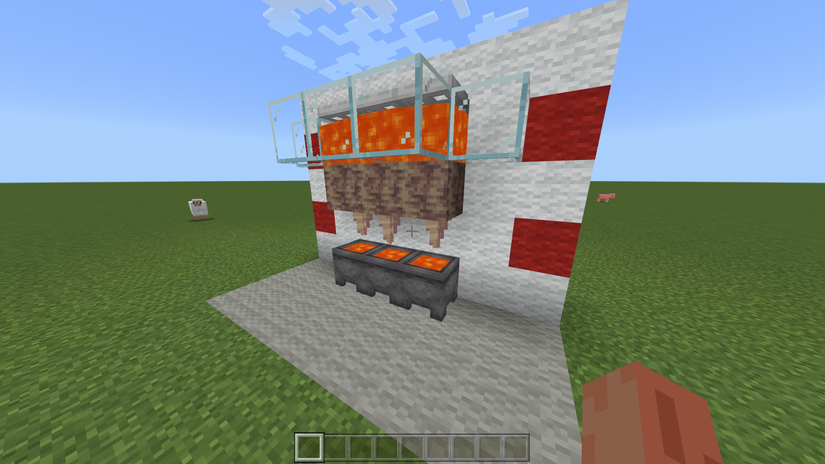
If you place a cauldron, then a block above it, then a pointed dripstone under that block, and finally a lava source block above the pointed dripstone, the cauldron will slowly fill with lava. When full, you can collect it with a bucket—without removing the original source block. This means you can refill the cauldron over and over, creating renewable lava.
Step-by-step Setup
- Place a cauldron on the ground.
- Put any solid block two blocks above the cauldron.
- Attach a pointed dripstone to the bottom of that block so it hangs above the cauldron.
- Place a lava source block above the solid block (so the dripstone “drips” lava).
- Wait. The cauldron will fill up over time.
- Use a bucket to collect the lava when the cauldron is full.
How Fast Is It?
- On average, a cauldron fills with lava every 19 in-game minutes (about one Minecraft day). With several setups, you can get lava much faster.
Scaling Up
If you want more lava, set up multiple cauldrons and dripstones under one large lava pool. For example, a 3×3 lava pool can drip into 9 cauldrons at once.
Tips And Insights
- Cover the lava with glass to prevent accidents but let you see the source.
- Use hoppers and dispensers to automate lava collection.
- Light the area well to avoid mob spawns near your farm.
Example Build
Here’s a simple scalable design:
| Setup Size | Number of Cauldrons | Average Lava Buckets per Hour |
|---|---|---|
| 1×1 | 1 | ~3 |
| 3×3 | 9 | ~27 |
| 5×5 | 25 | ~75 |
2. Nether Lava Collection
If you play on older versions, or want to collect large amounts fast, the Nether is your best source. The Nether is filled with massive lava lakes and oceans. Here’s how you can use this:
How To Do It
- Bring lots of buckets (iron is cheap if you have an iron farm).
- Build safe platforms over the Nether’s lava lakes.
- Use fire resistance potions to avoid burning.
- Collect lava source blocks from the surface.
Cautions
- The Nether is dangerous. Ghasts and other mobs can knock you into lava.
- Lava lakes are not infinite—eventually you’ll run out, but they cover huge areas.
Pro Tip
You can build an iron farm to make unlimited buckets, letting you fill shulker boxes or minecarts with lava.
Credit: www.polygon.com
Comparing Infinite Lava Methods
Which method is best? Here’s a quick comparison:
| Method | Pros | Cons | Best For |
|---|---|---|---|
| Dripstone + Cauldron | Safe, renewable, fully automatic | Slow, needs dripstone, only from 1.17+ | Long-term bases, automatic farms |
| Nether Collection | Fast for large amounts, no setup | Dangerous, not truly infinite, needs buckets | Quick projects, early game |
Setting Up A Large-scale Infinite Lava Farm
If you want to power a super smelter or run a base with high lava needs, you need a big setup. Here’s how to do it:
Choosing A Location
- Build your farm underground, in a cave, or in a well-lit room.
- Keep it away from wood or wool to avoid fires.
Gathering Materials
- Iron for cauldrons and buckets.
- Dripstone from lush caves or stalactite biomes.
- Building blocks (stone, glass, etc. ).
- Lava source blocks (find a large pool to start).
Building The Farm
- Lay out a grid of cauldrons (start with 5×5 for a good supply).
- Build a support platform two blocks above the cauldrons.
- Attach pointed dripstone under each block.
- Place lava source blocks above each dripstone.
- Optionally, use hoppers and dispensers to automate collection.
Automating The System
For fully automatic lava collection:
- Place a dispenser facing the cauldron.
- Load empty buckets in the dispenser.
- Use a redstone clock or observer to activate the dispenser when the cauldron fills.
- Connect a hopper to collect filled lava buckets.
This setup can keep your furnaces running with zero manual effort.
Output Data Example
| Farm Size | Estimated Buckets/Hour | Iron Needed (Cauldrons + Buckets) |
|---|---|---|
| 5×5 | ~75 | 225 |
| 10×10 | ~300 | 900 |
| 20×20 | ~1200 | 3600 |
Infinite Lava In Creative Mode
If you play Creative mode, you have true infinite lava—just grab as many buckets as you want from the inventory. But even in Creative, a dripstone farm can be helpful for testing designs and survival mechanics. Plus, it looks impressive and teaches you how lava works for your next Survival world.
Infinite Lava In Minecraft Bedrock Vs Java
There are a few differences between Bedrock and Java editions when it comes to lava:
- Flow Distance: Lava flows further in Bedrock (7 blocks) than Java (3 blocks).
- Cauldron Filling: Both versions support dripstone cauldron farms, but tick speed and fill rates may vary slightly.
- Automation: Redstone setups for automatic collection work in both, but some mechanics (like observers) behave differently.
If you play on Bedrock, test your farm to make sure it works as expected. Watch out for small differences in block placement and automation.
Advanced Uses For Infinite Lava
Once you have endless lava, you can do more than just smelt items. Here are some creative and technical uses:
- Super Smelters: Power mega-furnace arrays for bulk item processing.
- Obsidian Generators: Build machines that produce obsidian blocks with water and lava.
- Mob Farms: Use lava blades to kill mobs, collect drops, and clear out areas.
- Trash Disposal: Toss unwanted items into a lava pool to destroy them safely.
- Lighting: Create dramatic lighting effects in bases, castles, or nether-themed builds.
- Decorative Features: Use flowing lava in glass tubes, fountains, or as a moat.
- Defense: Build lava traps to protect your base from mobs or other players.
Common Mistakes And How To Avoid Them
Setting up an infinite lava system is mostly safe, but here are mistakes beginners often make:
- Using Flammable Blocks: Lava will set wood, wool, or leaves on fire. Use stone, glass, or bricks instead.
- Standing Under Dripstone: Lava can burn you if you stand under the dripstone while it drips.
- Not Covering Lava Sources: Exposed lava is a hazard for you and pets. Cover with glass or slabs.
- Forgetting Buckets: Always bring extra buckets when collecting or automating.
Infinite Lava In Multiplayer And Servers
If you play on a public server, check the rules. Some servers limit lava farms for performance or griefing reasons. Always build away from spawn areas and respect other players’ builds.
For technical servers or SMPs, infinite lava farms are often allowed and can power community smelters or trading halls.
Modded Minecraft: Infinite Lava Possibilities
Many mods add new ways to create or use infinite lava:
- Thermal Expansion: Adds machines that generate lava from cobblestone.
- Extra Utilities: Offers “Ender Tanks” for moving lava across dimensions.
- IndustrialCraft: Includes blocks that make and store lava automatically.
If you use mods, check their documentation for the safest and most efficient infinite lava setups.
Credit: www.reddit.com
The Real-world Science Of Lava
Minecraft’s lava is inspired by real volcanic lava, but behaves differently. Real lava cools into rock, flows slower, and is much hotter (over 1,200°C). In Minecraft, it’s a reusable fuel and building tool. Learning how the game’s lava works can spark an interest in real geology and volcanology. For more about real lava, check out the Wikipedia page on lava.
Infinite Lava In Speedrunning And Challenges
For Minecraft speedrunners, infinite lava isn’t usually the goal—but knowing where to find and use lava quickly can shave minutes off a run. Many speedrunners practice Nether entry with surface lava pools and master safe collection techniques.
Challenge runners (like Skyblock players) often set up small dripstone farms to get enough obsidian for portals and enchanting.
Infinite Lava For Console And Mobile Players
Console and mobile versions now include dripstone, cauldrons, and the latest lava mechanics. If you play on Xbox, PlayStation, or mobile, you can build infinite lava farms just like on PC. Controls may be different, but the logic is the same.
Infinite Lava For Redstone Engineers
For players who love building with redstone, infinite lava is a game-changer. Automatic smelters, trash systems, and even TNT duplicators can be powered by endless lava. The dripstone method makes these builds more reliable and less maintenance-heavy.
Two Non-obvious Insights Beginners Miss
- You Can Stack Farms Vertically: Many players only build flat lava farms. But you can build layers of cauldrons, dripstone, and lava sources above each other (with enough space), making very compact and efficient designs.
- You Can Transport Lava with Minecarts: Hoppers can move lava buckets into minecarts, which can deliver them to remote smelters or farms far from your source. This lets you automate fuel delivery across your base.
Frequently Asked Questions
How Long Does It Take For A Cauldron To Fill With Lava Using Dripstone?
On average, a cauldron fills with lava every 19 minutes (one Minecraft day) when dripstone is used. This is based on random ticks, so sometimes it’s a bit faster or slower. Larger setups with more cauldrons give you more lava per hour.
Can I Make An Infinite Lava Pool Like Water In Minecraft?
No, you cannot. Lava pools do not regenerate like water pools. Only the dripstone and cauldron method offers renewable lava. Placing lava in a 2×2 or 3×3 will never create new source blocks.
What Happens If I Use Flammable Blocks Near My Lava Farm?
Lava will set flammable blocks (like wood or wool) on fire if they’re within 3-4 blocks. Always use stone, glass, or other fireproof materials when building near lava to prevent accidental fires.
Is The Dripstone Method Available In All Minecraft Editions?
Yes, the dripstone lava farm works in both Java and Bedrock editions, but you need to be playing version 1.17 or later. Make sure your world is updated to use this feature.
Are There Any Mods That Give True Infinite Lava Sources?
Yes, many mods (like Thermal Expansion and Extra Utilities) add machines or tanks for infinite lava. Always check mod documentation, as some methods may be overpowered or not allowed on servers.
Minecraft’s infinite lava has become a real possibility for all players, thanks to clever game updates and player creativity. Whether you’re powering a mega-base, building technical farms, or just want to avoid tedious lava trips, mastering these methods will save you time and unlock new projects.
Remember to stay safe, use non-flammable blocks, and experiment with different designs to find what works best for your world. With infinite lava, your only limit is your imagination.