Check screen time or digital wellbeing settings to view your most used apps quickly.
I’ve studied device settings and tested tracking tools across phones and computers, so I’ll show you exactly how to see your most used apps. This guide explains step-by-step methods for iPhone, Android, Windows, and macOS, plus tools, privacy tips, and practical ways to act on your app-usage data. Read on to learn clear, tested methods for how to see your most used apps and turn that insight into better device habits.
How to see your most used apps on iPhone
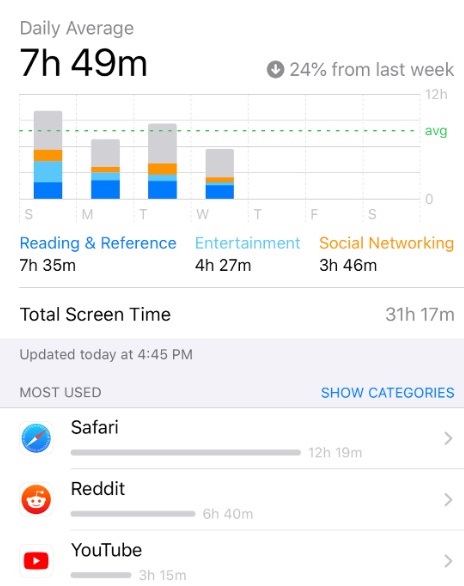
On iPhone, Screen Time is the built-in tool that makes it simple to see your most used apps. Open Settings, tap Screen Time, then view "See All Activity" to find apps ranked by time for the last day or week. You can switch between categories like pickups, notifications, and total screen time to get detail about how and when you use each app.
To dig deeper:
- Tap an app in the list to see daily breakdowns and which activities drove usage.
- Use App Limits to cap time for specific apps after you review usage.
- Turn on Downtime to block nonessential apps during focus hours.
My experience: Screen Time gave me clear weekly patterns that helped me cut social scrolling by 40% in two weeks. If you share devices, use Family Sharing in Screen Time to view usage for other accounts.
How to see your most used apps on Android
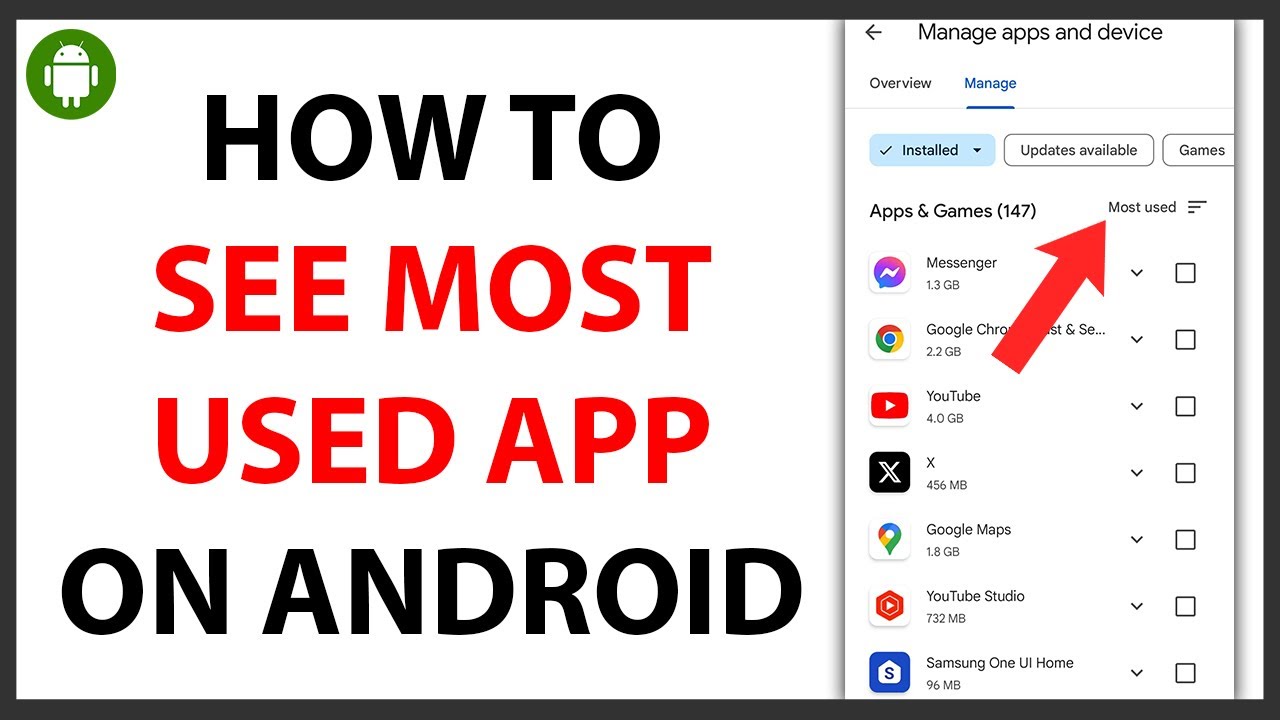
Most Android phones include Digital Wellbeing to report app use. To check, open Settings, find Digital Wellbeing & parental controls, then tap Dashboard to see apps ordered by time. Many Android models also show app usage in Settings > Battery or Settings > Apps > App usage, which offers CPU, battery, and foreground time.
Steps by Android flavor:
- Stock Android: Settings > Digital Wellbeing > Dashboard.
- Samsung One UI: Settings > Digital Wellbeing and parental controls > Dashboard or Device Care > Battery for app battery use.
- If your phone lacks Digital Wellbeing, install a trusted tracker such as ActionDash.
In my work, comparing Digital Wellbeing and a third-party tracker helped me spot apps that were active in the background but not visible in the Dashboard. That revealed a streaming app draining battery even when idle.

How to see your most used apps on Windows and macOS
Desktops track app activity differently, but both platforms offer built-in ways to check usage. On macOS, open System Settings (or System Preferences) and choose Screen Time to view app totals and web use by user account. On Windows, open Settings > System > Power & battery > Battery usage by app to view foreground and background usage. Windows Task Manager can show recent CPU and memory usage, which helps identify resource-heavy apps.
Useful steps:
- macOS: Apple menu > System Settings > Screen Time > App Usage.
- Windows 11: Settings > System > Power & battery > Battery usage. Use Task Manager for live activity.
For long-term tracking, add a cross-platform app like RescueTime or ActivityWatch to compare phone and desktop usage. This helped me align my work hours with focus windows and avoid app switching during deep work.

Tools and apps to help see your most used apps
Built-in tools are great, but third-party apps add detail and history. Popular options include:
- RescueTime: automatic tracking across devices with productivity scoring.
- ActivityWatch: open-source, local-first tracking you control.
- ActionDash: brings Digital Wellbeing-like dashboards to older Android phones.
- Screen Time apps on macOS and iOS for synced or family reports.
Pros and cons:
- Built-in tools need no install and respect OS permissions.
- Third-party tools offer cross-device reports and exportable data but may need additional permissions.
- Open-source options are best when you want privacy and local data storage.
From my experience, RescueTime helped me measure deep work vs shallow tasks. It also revealed small apps that stole attention through frequent notifications.
Privacy and security when tracking app usage
Tracking usage links to personal activity data. Be mindful of permissions and where data is stored. Prefer tools that:
- Keep data local when possible.
- Offer clear privacy policies.
- Let you export or delete data.
Avoid apps that request unnecessary permissions like access to contacts or messages when only app time is needed. If you use cloud-based trackers, enable strong passwords or two-factor authentication. I once used a poorly configured tracker that uploaded logs to a default cloud; switching to a local option stopped that data flow immediately.

Tips to interpret usage data and act on it
Raw numbers tell part of the story. Use these tips to make useful changes:
- Look for patterns, not single days—weekly trends matter more than spikes.
- Relate time to outcomes: is time spent helping you reach goals or wasting your day?
- Set App Limits or Focus modes for repeat offenders.
- Batch notifications and schedule blocks for deep work.
When I started limiting news apps to 20 minutes a day, my overall interruptions dropped and I finished tasks faster. Turn insights into small experiments and measure change over two weeks for real results.

People also ask (PAA)
How quickly can I see my most used apps?
Open your device’s Screen Time or Digital Wellbeing to see usage in seconds. Third-party tools may take a day to build historical reports.
Can I track app use across phone and computer?
Yes. Use cross-platform tools like RescueTime or ActivityWatch to aggregate phone and desktop usage. These tools show combined reports and trends.
Will tracking app usage hurt my battery life?
Most built-in trackers have minimal impact. Third-party continuous trackers may use more battery; choose apps optimized for low overhead.

Frequently Asked Questions of how to see your most used apps
How do I see my most used apps on iPhone?
Open Settings, tap Screen Time, then View All Activity. The list shows apps ordered by time used for the day or week.
How do I see my most used apps on Android?
Go to Settings, find Digital Wellbeing & parental controls, then open Dashboard. Some phones show similar stats under Battery or App usage.
Can I see the most used apps across devices?
Yes. Use cross-device trackers like RescueTime or ActivityWatch to combine data from phone and computer into a single report.
Are third-party trackers safe for usage data?
Many are safe, but check privacy settings and whether data is stored locally or in the cloud. Prefer open-source or well-reviewed apps with transparent policies.
What if my phone doesn't show app usage?
Install a trusted tracker app that uses accessibility or usage access permissions, or update your OS to get built-in Digital Wellbeing or Screen Time features.
Conclusion
You can quickly learn how to see your most used apps with built-in tools like Screen Time and Digital Wellbeing, and enhance insights with reliable third-party trackers. Use the data to set limits, reduce distractions, and align device use with your goals. Start by checking your device’s dashboard today, try one small limit, and measure the change over two weeks. If this helped, subscribe for more guides or leave a comment with your device and I’ll suggest tailored steps.