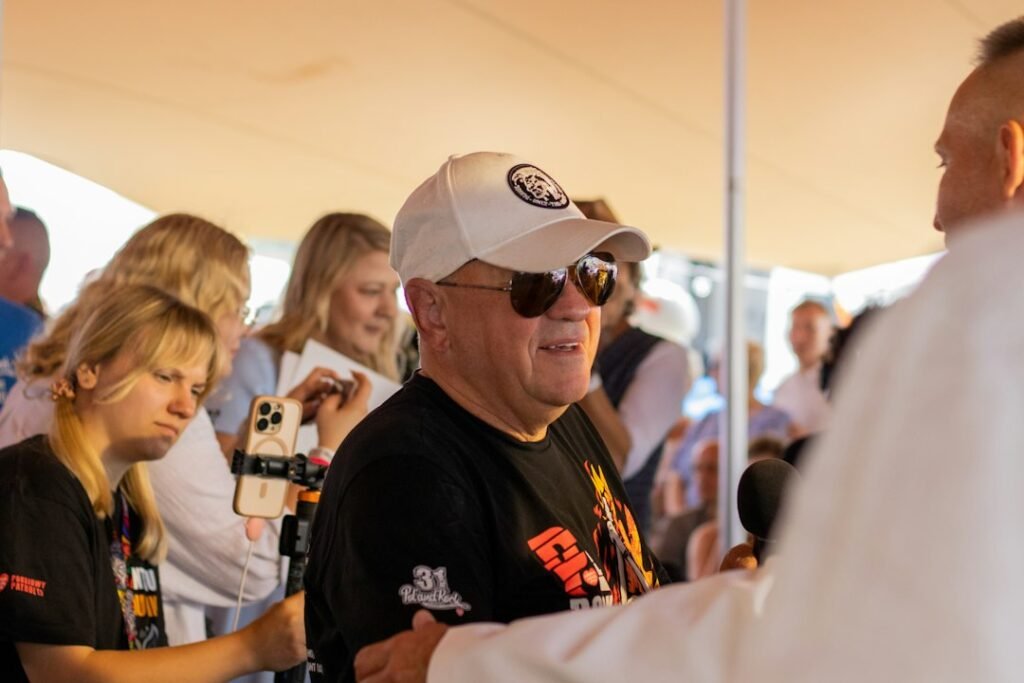
The Most Realistic Way to Meet a Celebrity
If you want to meet a celebrity, begin with a public event where fan interaction is officially offered. Organized autograph sessions, convention photo opportunities, book signings, moderated question-and-answer events, and some charity appearances provide a legitimate setting for a brief encounter. They also make expectations clearer: you know where to go, whether a ticket is required, and what the interaction is likely to include. This is more practical and respectful than trying to discover someone’s private address, travel plans, or hotel.
No method guarantees a meeting. A performer can cancel an appearance, an autograph line can close, or a ticket may admit you to an event without promising personal access. A useful goal is therefore “attend a worthwhile event where a meeting might happen,” not “make a famous person notice me at any cost.” When the event itself interests you, the day can still be enjoyable even if the encounter is short or does not occur. The following steps focus on opportunities you can verify and choices you can control.
Start With Official Event Announcements
Find the celebrity’s verified public channels, official tour or publisher announcements, and the event organizer’s own schedule. Look for precise details: date, venue, type of appearance, admission conditions, whether photos are permitted, and whether autograph or photo tickets are sold separately. If an announcement appears only in a reposted screenshot, trace it back to the organizer before spending money. A schedule from last year is not proof that the same guest will return.
Conventions are a useful example because their policies explain the limits. Comic-Con International’s autograph information describes designated signing areas, changing schedules, limited access, and occasions when a ticket or wristband is needed. The exact rules vary by event. New York Comic Con’s FAQ also reminds attendees that guests may decline photographs and that access to special activities is not guaranteed by a general badge. Read those conditions before choosing a ticket tier.
Choose the Right Kind of Appearance
A concert or film premiere may put you in the same building as a performer, but it usually does not include personal interaction. A convention autograph session is designed for brief greetings and signatures. A photo opportunity may offer a posed picture but very little conversation. A book signing might allow a short exchange about the author’s work. A public panel can let you ask a question, though audience participation depends on the moderator and available time. Different formats offer different experiences.
Before booking, decide what matters most. If you want a photograph, check whether a dedicated photo-op ticket exists and whether a digital copy is included. If you want an autograph, confirm the number and type of items permitted. If you want to hear the person discuss their craft, a panel may be more satisfying than a rushed signing. Avoid paying extra for a vague “VIP experience” until you understand exactly what it includes. An expensive ticket is not automatically a personal introduction.
Build a Sensible Event Budget
The cost of meeting a celebrity can include more than the advertised ticket. Add travel, lodging, local transportation, food, taxes, booking fees, and any separate autograph or photo charges. Some events also require a general admission badge before you can purchase a special experience. Check refund and transfer policies, particularly when a guest cancels. If the organizer says that schedules may change, include that uncertainty in your decision rather than treating it as fine print.
A simple budget can prevent disappointment: decide the most you are comfortable spending before browsing upgrades. Compare that amount with other things you would enjoy doing that month. Never borrow money or miss essential bills for the chance of a short greeting. If an event is outside your budget, watching a public livestream or attending a local fan gathering can still be worthwhile. Being a genuine fan does not require proving it through expensive purchases.
Prepare for a Brief Conversation
If a meeting is permitted, plan one friendly sentence and, at most, one short question. “I enjoyed your performance in that series; thank you for the work” is more natural than a long speech listing every detail of the person’s career. You might ask about a creative choice if the event format allows questions. Be ready to stop when staff direct the line forward. People often remember a respectful, comfortable interaction more positively than a complicated attempt to stand out.
Bring any permitted item for signing, keep your ticket accessible, and follow instructions about photography. If you feel nervous, practice your opening sentence aloud. You do not need to perform a perfect conversation. A brief smile, greeting, and thank-you are enough. Avoid intimate questions about relationships, family, medical issues, or private plans. You may know a great deal about someone’s public work without being entitled to personal information. Respect is part of being a good fan.
What to Do at the Event
Arrive according to the organizer’s guidance rather than assuming that earlier always means better. Some sessions use assigned times or lotteries; lining up hours in advance may not improve your chances. Ask staff where the correct queue begins, whether accessibility arrangements are available, and what items are allowed. Keep walkways clear and follow safety instructions. If a session fills up, do not argue with volunteers or attempt to enter restricted areas.
When your turn comes, stay aware of the schedule. A celebrity may be meeting hundreds of people, and staff are managing the experience for everyone. Ask permission before recording, touching, hugging, or handing over a gift. Accept a polite refusal without making the moment uncomfortable. Afterward, move away from the line and check your photograph or signed item in a suitable place. Enjoying the wider event can make the experience memorable beyond a single interaction.
Meeting Celebrities Through Professional Work
Some people encounter well-known performers because they work in journalism, production, entertainment, sports, publishing, or event management. Those opportunities usually come from genuine professional responsibilities, not from taking a job solely to gain access to someone famous. An entry-level production role, for example, may involve long hours and detailed coordination with little personal interaction. Professional access also comes with confidentiality and workplace boundaries.
If you are interested in an entertainment career, pursue the work for its own sake. Build relevant skills, volunteer at legitimate events, and apply through official hiring channels. Do not misrepresent yourself as press, use a fake credential, or approach someone backstage without authorization. A professional reputation depends on reliability and discretion. Meeting a celebrity can be an incidental part of the job, but it should not replace the job’s purpose or ethical obligations.
Avoid Scams and Fake “Meet-and-Greet” Offers
Be skeptical of direct messages claiming that a celebrity will meet you privately after you pay a “registration,” “security,” or “fan card” fee. Impersonators can copy profile photographs, names, and logos. Red flags include pressure to pay immediately, requests for gift cards or cryptocurrency, demands for personal documents, and promises that the arrangement must remain secret. A legitimate organizer should be independently verifiable through a known official website and published event details.
The Federal Trade Commission’s advice on social-media giveaway scams recommends checking suspicious messages through a contact method you already know is genuine. Apply the same principle to fan experiences. Navigate to the organizer’s official site yourself instead of following a random payment link. If someone claims to be a manager or assistant, verify the claim through public professional channels. Never send money to “unlock” a celebrity’s personal friendship or romantic attention.
Respect Privacy and Personal Boundaries
A public appearance is different from a private life. Do not seek home addresses, follow vehicles, wait outside hotels, track family members, or use leaked schedules to create an encounter. Those actions can frighten people and create safety risks. Public figures may appreciate supporters while still needing privacy, rest, and time with family. You can admire someone’s work without demanding access to their personal space.
Social media requires similar care. A polite comment on an official post is different from repeated private messages asking for attention. If a celebrity does not reply, silence is not an invitation to keep escalating. Avoid sharing unverified sightings that reveal a person’s real-time location. If you happen to see someone in an ordinary public setting, assess whether an approach would interrupt a private moment; often the most respectful choice is to leave them alone. Fans help create safer communities by modeling these boundaries.
Alternatives When a Meeting Is Not Possible
There are many ways to connect with creative work without meeting its creator. Attend a screening, watch a behind-the-scenes discussion, participate in an official fan community, or support a charity publicly associated with a performer after verifying the organization. You could write a thoughtful review, learn a skill inspired by the work, or join a local club built around the same interests. These activities can create friendships with people who share your enthusiasm.
If you are disappointed about a canceled appearance, give yourself permission to feel disappointed without turning that feeling into anger at the guest. Schedules change for reasons fans may never know. Consider whether a refund is available, then decide if the rest of the event is worth attending. A fan experience is more sustainable when the central reward is enjoying art, stories, and community rather than securing access to one individual. Our guide to what a celebrity is explains how public recognition differs from personal familiarity.
Frequently Asked Questions
Can you meet a celebrity for free?
Sometimes. Public signings, audience questions, community events, and occasional promotional appearances may not charge a separate meeting fee. However, travel, admission, or limited-capacity rules can still apply. Verify the organizer’s current policy instead of assuming that an event is free because an old article says so.
Is it okay to ask for a selfie?
Only when the setting allows it and the person agrees. Some autograph lines prohibit photography, while paid photo opportunities have their own procedures. Ask briefly, accept the answer, and never photograph someone in a private or uncomfortable situation against their wishes.
Will a VIP ticket guarantee a conversation?
Not necessarily. “VIP” can mean better seating, merchandise, early entry, or a separate photo opportunity. Read the exact package description and refund terms. If a personal meeting is not explicitly included, do not assume it will happen.
What if I meet a celebrity by chance?
Use ordinary courtesy. If the person appears busy, is with family, or is in a private setting, leave them alone. If a greeting seems appropriate, keep it brief and be prepared to accept a refusal. A chance sighting does not create a right to an autograph or photo.
Final Takeaway
The best way to meet a celebrity is through an authentic, publicly announced opportunity with clear rules. Choose the format you actually want, verify details through official sources, budget carefully, and plan for a short, respectful interaction. Avoid impersonators and private-location tactics. Even when a meeting does not happen, the music, films, books, sports, and fan communities that brought you there can still provide a meaningful experience.
 What Is a Celebrity Crush? Meaning, Feelings, and Healthy Boundaries
 What Is a Celebrity Hall Pass? Meaning and Relationship Boundaries
 How to Play Celebrity: Rules, Three Rounds, and Party Variations