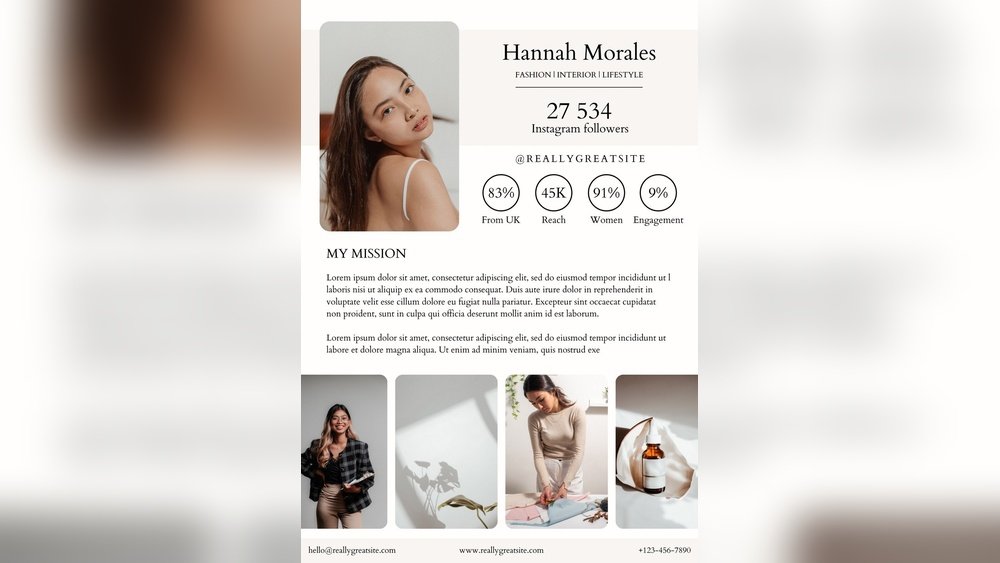
If you want brands to notice you and offer exciting collaborations, having a clear and professional influencer media kit is a must. Your media kit is like your personal business card—it shows exactly who you are, what you do, and why a brand should work with you.
But how do you create one that stands out and truly represents your unique style and audience? You’ll discover simple, step-by-step tips to build a media kit that grabs attention and opens doors. Keep reading, and you’ll have everything you need to impress brands and grow your influencer career.

Credit: livinglesh.com
Essentials Of A Media Kit
A media kit is a powerful tool for influencers. It presents your personal brand clearly and professionally. A well-crafted media kit helps brands understand your value quickly. It highlights who you are, your audience, and your achievements. Keep it simple, clear, and informative. Here are the essentials every influencer media kit should include.
About You
Start with a brief introduction. Share your name, niche, and what makes you unique. Mention your background and experience in your field. Keep this section friendly and easy to read. This helps brands connect with you personally.
Audience Demographics
Include key details about your followers. Age, gender, location, and interests matter most. Brands want to know who sees your content. Use clear numbers and percentages to show your reach. This data helps brands decide if your audience fits their product.
Social Media Statistics
Show your social media platforms and follower counts. Include engagement rates like likes, comments, and shares. Highlight your growth trends and average views per post. These stats prove your influence and activity online. Update this information regularly to stay accurate.
Content Samples
Display examples of your best work. Use high-quality images or screenshots of posts. Add links to videos, blogs, or campaigns you completed. Show a variety of content styles and formats. This section demonstrates your creativity and professionalism.
Collaborations And Partnerships
List brands you worked with before. Describe the type of campaigns and results achieved. Include testimonials or quotes if possible. This builds trust and shows your experience in brand deals. It also reassures potential partners about your reliability.
Contact Information
Make it easy for brands to reach you. Provide your email, phone number, and social media handles. Add links to your website or portfolio if you have one. Clear contact details encourage quick responses and opportunities.
Crafting A Compelling Bio
Crafting a compelling bio is a key part of your influencer media kit. It tells brands who you are and what you do. A strong bio can capture attention quickly and make a great first impression.
Keep your bio clear and concise. Use simple words to explain your niche and your unique style. Brands want to understand your value and how you connect with your audience.
Introduce Yourself Clearly
Start with your name and what you create. Mention your main platform or content type. This helps brands see your focus at a glance. For example, “I am a lifestyle blogger on Instagram” is clear and direct.
Highlight Your Niche
Describe your content niche in a few words. Use terms that brands search for, like “travel,” “fashion,” or “tech reviews.” A clear niche shows your expertise and target audience.
Showcase Your Personality
Add a sentence that reflects your style or tone. This makes your bio feel personal and relatable. It can be friendly, professional, or fun, depending on your brand.
Mention Achievements Or Collaborations
Include any notable partnerships or milestones. This builds trust and shows your experience. Simple phrases like “Worked with top brands” or “Featured in major blogs” work well.
Keep It Short And Easy To Read
Limit your bio to 3-5 short sentences. Use bullet points if needed for clarity. Short sentences improve readability and keep the reader engaged.
Showcasing Your Best Work
Showcasing your best work is key in an influencer media kit. It gives brands a clear view of your style and skills. A strong portfolio builds trust and proves your value.
Choose your top posts or campaigns that got great results. Highlight diverse content to show your range. Quality matters more than quantity in this section.
Include High-quality Images And Videos
Use sharp, clear images and videos that represent your brand well. Visuals catch attention quickly and leave a strong impression. Avoid low-resolution or blurry media.
Highlight Successful Campaigns
Showcase projects where you achieved strong engagement or sales. Include metrics like views, likes, and shares. Briefly explain your role and the campaign’s goal.
Display Variety In Content Types
Add examples of different content types like posts, stories, reels, or blogs. This shows flexibility and ability to work with various formats. It makes your kit more attractive.
Use Testimonials Or Brand Partnerships
Include quotes from brands or partners praising your work. Positive feedback builds credibility and trust. List well-known brands you collaborated with to boost your profile.
Highlighting Audience Demographics
Highlighting audience demographics is a key part of an influencer media kit. Brands want to see who follows you. This helps them decide if your audience matches their target market.
Show clear, simple data about your followers. Include information like age, gender, location, and interests. This section helps brands understand your reach and potential impact.
Age Breakdown Of Your Followers
List the age groups of your audience in percentages. For example, 40% between 18-24 years, 30% between 25-34 years. This shows which age group you influence most.
Gender Distribution
Share the male and female ratio of your followers. This data helps brands see if your audience fits their product’s target gender. Use clear numbers or percentages.
Geographic Location
Include the main countries and cities where your followers live. Brands often focus on certain regions. Showing your audience location helps them decide if you fit their campaign.
Interests And Hobbies
List popular interests your audience has. For example, fitness, fashion, travel, or tech. This helps brands understand what kind of content your followers like.
Design Tips For Visual Appeal
Design plays a key role in making an influencer media kit attractive. Visual appeal helps grab attention and keep readers interested. A clean, organized layout makes information easy to find. Use design elements that match your personal brand and style. Keep the look simple but professional. This section covers essential design tips to create a visually appealing media kit.
Choose A Consistent Color Palette
Select colors that reflect your brand personality. Use two to three main colors throughout your media kit. Consistent colors create a unified and polished look. Avoid too many bright or clashing colors. Soft, neutral tones with one bold accent color often work well.
Use Readable Fonts
Pick simple fonts that are easy to read on screens. Combine one font for headings and another for body text. Avoid decorative fonts that may confuse readers. Maintain consistent font sizes for headings, subheadings, and paragraphs. Clear typography enhances the professionalism of your media kit.
Incorporate High-quality Images
Add sharp, well-lit photos that showcase your personality and work. Use professional headshots and snapshots from collaborations. Avoid blurry or pixelated images. Proper images create trust and show your influence visually. Balance images with text to keep the layout clean.
Create Ample White Space
Use white space to separate sections and avoid clutter. White space improves readability and guides the reader’s eye. Do not overcrowd your media kit with too much text or images. A clean design feels more inviting and easier to navigate.
Use Icons And Graphics Sparingly
Include simple icons to highlight key points like social media platforms or contact details. Use graphics to visualize data such as follower growth or engagement rates. Do not overuse icons or complex graphics. Keep them relevant and minimal to support the text.
Maintain A Logical Layout
Organize content in a clear, easy-to-follow order. Group related information into sections with headings. Use bullet points or numbered lists for important details. A logical flow helps readers quickly understand your strengths and stats.
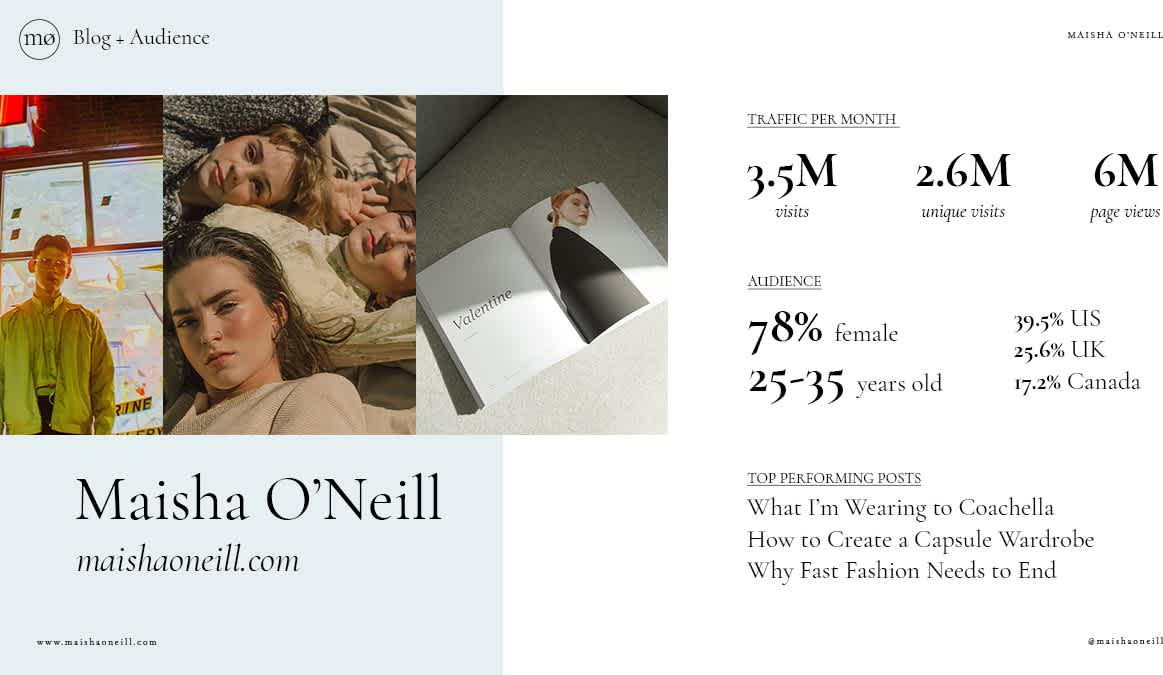
Credit: later.com
Including Social Proof And Testimonials
Including social proof and testimonials in your influencer media kit builds trust. They show brands how others value your work. These elements prove your influence and credibility. Brands want to see real feedback and results from past collaborations.
Social proof boosts your reputation and helps brands decide quickly. Testimonials from clients or followers add a personal touch. They highlight your strengths and the positive impact you create.
What Is Social Proof And Why It Matters
Social proof is evidence that others trust you. It can be follower counts, engagement rates, or media mentions. This proof shows brands you have a loyal audience. It also confirms your content’s reach and influence.
How To Collect Effective Testimonials
Ask past partners for short, honest testimonials. Focus on results like increased sales or brand awareness. Use clear and simple language. Choose quotes that highlight your professionalism and creativity.
Where To Place Social Proof And Testimonials
Include social proof near your bio or stats section. Place testimonials in a dedicated area or mixed with case studies. Use visuals like logos or screenshots to support your claims. Keep the layout clean and easy to read.
Choosing The Right Metrics To Share
Choosing the right metrics to share in your influencer media kit is crucial. These numbers show your value to brands and potential partners. Pick metrics that reflect your real influence and audience engagement.
Focus on clear, relevant data that brands care about. Avoid overwhelming them with too many numbers. Highlight the stats that best tell your story and prove your impact.
Audience Size And Growth
Start with your follower count on each platform. Show steady growth over time. Brands want to see an expanding audience. Include monthly or yearly growth rates if possible. This proves your content attracts new followers regularly.
Engagement Rate
Engagement rate measures how active your audience is. Include likes, comments, shares, and saves. Calculate engagement rate by dividing total interactions by followers. This metric shows how much your audience cares about your content.
Demographics And Location
Share basic details about your audience. Age, gender, and location are key. Brands look for audiences that match their target market. Use simple charts or graphs to present this data clearly. This helps brands see who you reach.
Content Performance
Highlight your top-performing posts or videos. Show views, clicks, or conversions from these posts. This proves your content can drive action. Include examples that match the type of brand you want to attract.
Website And Email Metrics
If you have a blog or website, share traffic data. Include page views, unique visitors, and average time spent. Email list size and open rates also matter. These numbers show your influence beyond social media.
Tools And Templates To Simplify Creation
Creating an influencer media kit can feel overwhelming. Choosing the right tools and templates makes the process easier. These resources help organize your information clearly and professionally. They save time and ensure your media kit looks polished.
Many online platforms offer free and paid templates tailored for influencers. These templates guide you on what content to include. You can focus on your story and stats without design worries. Using the right tools improves your chances to impress brands.
Create With Canva’s Media Kit Templates
Canva offers simple drag-and-drop templates. Customize colors, fonts, and images easily. Many templates fit influencer niches like fashion, travel, or fitness. You can download your media kit as a PDF or image file. Canva also has free stock photos and icons to enhance your kit.
Use Adobe Express For Professional Designs
Adobe Express provides stylish templates for media kits. It supports quick editing and brand customization. The platform allows adding social media stats and portfolio images. Adobe Express exports high-quality files ready for sharing. Its user-friendly interface suits beginners and pros alike.
Try Google Slides Or Powerpoint Templates
Google Slides and PowerPoint offer free templates for media kits. Edit slides to highlight your bio, audience, and collaborations. These tools let you insert charts and screenshots easily. Save your media kit as a PDF for easy sharing. They work well for simple, straightforward presentations.
Explore Influencer-specific Tools Like Traackr
Traackr focuses on influencer marketing needs. It helps track audience data and performance metrics. You can create media kits with live social media links. The platform supports adding content samples and campaign results. Traackr is useful for detailed and data-driven media kits.
Download Free Media Kit Templates From Adobe Stock
Adobe Stock offers free downloadable media kit templates. These come in formats like PSD and AI for advanced editing. Templates include clean layouts with space for photos and stats. They work well if you have design software skills. Using these templates can give your kit a unique look.
Common Mistakes To Avoid
A well-crafted influencer media kit opens doors to brand deals. Avoid common mistakes that can ruin your chances. Mistakes often confuse brands or make you look unprofessional.
Watch out for errors that reduce your credibility. Fixing these will improve your media kit’s impact.
Not Updating Your Media Kit Regularly
Old statistics and outdated information harm your trustworthiness. Brands want current data to make decisions. Update your follower count and engagement rates often. Add recent collaborations and fresh photos to stay relevant.
Overloading With Too Much Information
Too many details overwhelm readers. Keep your media kit clear and focused. Highlight key metrics and your unique style. Avoid clutter by using bullet points and short sentences.
Ignoring Your Audience Details
Brands care about who follows you. Leaving out audience age, location, or interests is a big mistake. Include these insights to show your influence and match with brand goals.
Using Low-quality Images
Poor visuals make your media kit look cheap. Use sharp and professional photos only. Good images show you value your brand and work.
Not Showing Clear Contact Information
Brands must know how to reach you easily. Missing or hidden contact details cause missed opportunities. Add your email and social links in a visible spot.
Forgetting To Proofread
Spelling mistakes and grammar errors hurt your professionalism. Take time to check your media kit carefully. A clean, error-free document builds trust and respect.
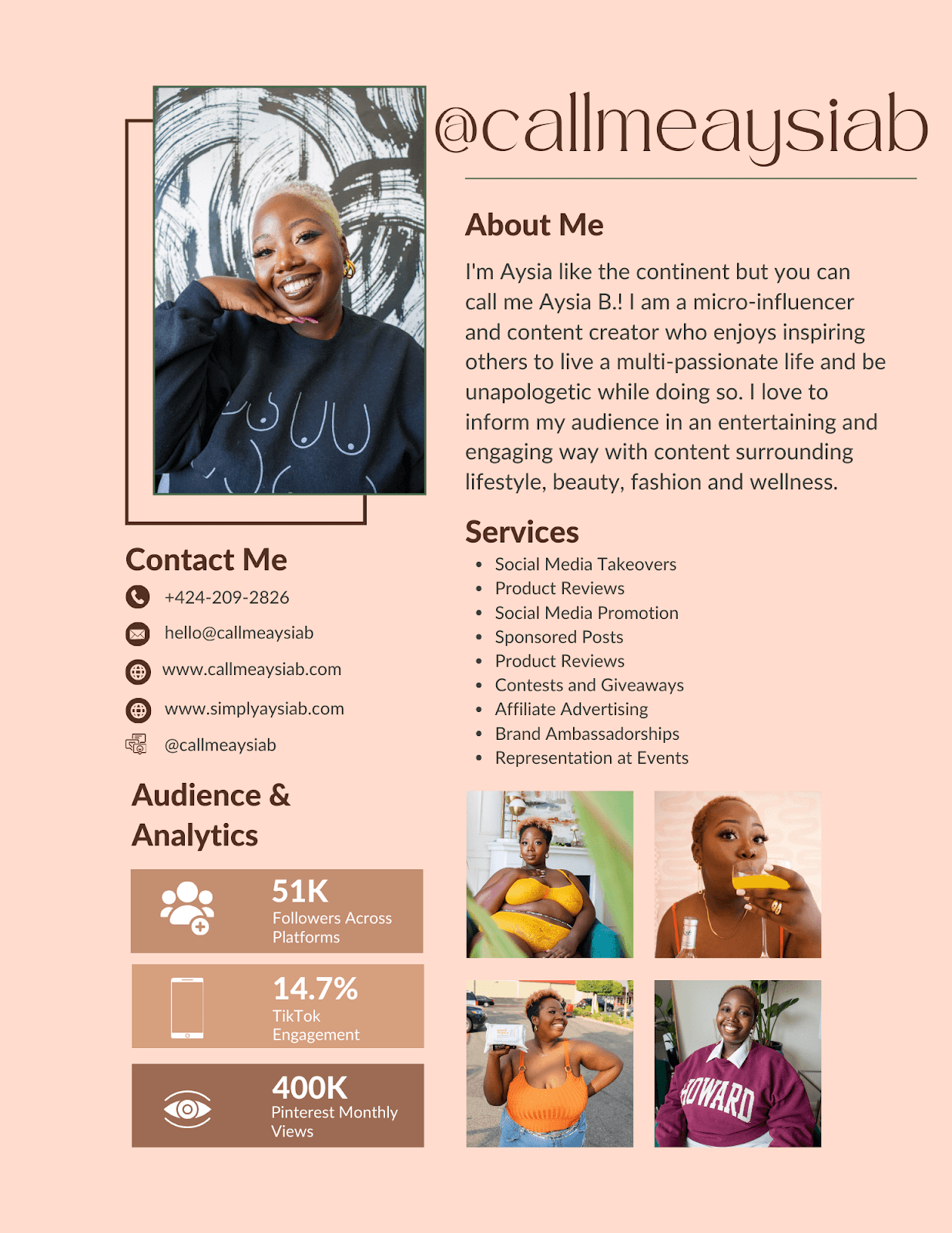
Credit: buffer.com
Updating And Sharing Your Kit
Keeping your influencer media kit current is essential for making a strong impression. Brands want the latest data and fresh content to decide on partnerships. Regular updates ensure your kit reflects your true value and recent achievements.
Sharing your media kit widely increases your chances of landing new deals. Easy access to your kit helps brands quickly understand your style, audience, and reach. Use clear and professional formats to boost your credibility.
How Often Should You Update Your Media Kit?
Update your media kit every three to six months. Include your latest follower counts, engagement rates, and campaign results. Refresh your bio and recent photos to keep the kit lively and relevant. Remove outdated information that no longer represents your brand.
Best Formats For Sharing Your Media Kit
Save your media kit as a PDF for easy sharing and consistent formatting. Use cloud storage links from Google Drive or Dropbox for quick access. Embed your media kit link in your email signature or social profiles for better visibility.
Tips For Sharing Your Kit With Brands
Send a personalized email introducing yourself and attach your media kit. Highlight key metrics and achievements briefly in the message. Follow up politely if you don’t hear back within a week. Always keep your media kit ready to share at any time.
Frequently Asked Questions
What Is An Influencer Media Kit?
An influencer media kit is a document showcasing your brand, audience, and collaboration stats.
Why Do Influencers Need A Media Kit?
A media kit helps brands quickly see your value and decide on partnerships.
What Key Info Should An Influencer Media Kit Include?
Include your bio, audience stats, social links, past work, and contact details.
How Can I Design An Influencer Media Kit Easily?
Use templates from tools like Canva or Adobe Express for simple, professional designs.
What Audience Data Is Important In A Media Kit?
Share follower age, location, interests, and engagement rates to show your reach.
How Many Social Media Platforms To Feature In The Kit?
Highlight your top 2-3 platforms where you have the most influence.
Should I Include Past Brand Collaborations In My Media Kit?
Yes, showing past partnerships builds trust and proves your experience.
How Often Should I Update My Influencer Media Kit?
Update your kit every 3-6 months or when your stats change significantly.
Can I Use Videos Or Images In My Media Kit?
Yes, visuals like photos and screenshots make your kit more appealing.
How Long Should An Influencer Media Kit Be?
Keep it concise—1 to 2 pages is ideal for easy reading by brands.
Conclusion
Creating an influencer media kit takes careful planning and clear presentation. Focus on sharing who you are and what makes you unique. Use simple stats and real examples of your work. Good photos and contact details help brands trust you.
Keep your media kit updated as your audience grows. This tool opens doors to more brand partnerships. Start building your media kit today to showcase your influence well.