
If you want your small business to stand out and attract the right customers, having a clear marketing plan is essential. Without it, your efforts might feel scattered and your results inconsistent.
But don’t worry—creating a marketing plan doesn’t have to be complicated or overwhelming. You’ll discover simple, step-by-step strategies to build a plan tailored to your business’s unique needs. By focusing on what truly matters, you’ll save time, reach your ideal audience, and boost your sales.
Ready to turn your ideas into action? Let’s dive in and create a marketing plan that works for you.
Set Clear Goals
Setting clear goals is the first step in creating a small business marketing plan. Goals guide every action and decision in your marketing efforts. They help you focus on what matters most and measure progress.
Clear goals also keep your team aligned and motivated. Without them, marketing can become scattered and ineffective. Defining specific targets ensures you use your resources wisely.
Define Specific And Measurable Objectives
Goals should be precise and easy to track. For example, aim to increase website traffic by 20% in six months. Avoid vague goals like “get more customers.”
Use numbers and deadlines. This makes it easier to see if you meet your targets or need to adjust your strategy.
Align Goals With Business Priorities
Your marketing goals must support your overall business aims. If your focus is on growing local sales, tailor your goals to attract nearby customers. This keeps marketing efforts relevant and effective.
Check that your goals fit your budget and resources. Setting unrealistic goals wastes time and money.
Break Down Goals Into Actionable Steps
Large goals can feel overwhelming. Divide them into smaller tasks to stay on track. For example, if your goal is to gain 500 email subscribers, set monthly sign-up targets.
Actionable steps help you plan daily or weekly activities. They also make progress visible and boost motivation.
Analyze Market Trends
Analyzing market trends is vital for crafting an effective small business marketing plan. It helps you understand your industry, customers, and competitors better. This knowledge allows you to make smart marketing choices that fit the current market climate.
Market trends reveal what customers want and how their preferences change over time. They also show shifts in technology, economy, and society that affect your business. Staying updated with these trends keeps your marketing plan relevant and competitive.
Identify Key Industry Trends
Start by researching your industry’s major trends. Look at reports, news, and expert opinions. Notice patterns in product demand, technology use, and customer behavior. These insights guide your marketing direction and help spot growth opportunities.
Study Your Target Audience
Understand who your customers are and what they need. Analyze their buying habits, preferences, and challenges. Use surveys, social media, and sales data to gather this information. Tailor your marketing messages to fit their current interests.
Monitor Competitor Activities
Keep an eye on your competitors’ marketing strategies. See what products or services they promote and how they engage customers. Identify their strengths and weaknesses. Use this knowledge to differentiate your business and improve your marketing tactics.
Consider Economic And Social Factors
Look beyond your industry to wider economic and social trends. Changes in laws, technology, or consumer values can impact your business. Understanding these factors helps you prepare for future challenges and adjust your marketing plan accordingly.
Conduct Swot Analysis
Conducting a SWOT analysis is a key step in building a strong marketing plan. It helps you understand your business better. You can spot what works well and what needs improvement. You also find chances to grow and risks to watch out for. This clear view guides smart decisions and efficient marketing efforts.
What Is Swot Analysis?
SWOT stands for Strengths, Weaknesses, Opportunities, and Threats. Strengths and weaknesses focus on your business internally. Opportunities and threats look outside your company. This balance gives a full picture of your current situation. It shows where your business stands in the market.
Identify Your Strengths
List what your business does well. Think about skills, resources, or unique features. Strengths could be loyal customers, strong branding, or skilled staff. Highlight these points in your marketing plan. They become your selling points to attract customers.
Recognize Your Weaknesses
Be honest about areas needing improvement. Weaknesses might be limited budget, lack of expertise, or weak online presence. Knowing these helps avoid mistakes. It also shows where to focus your efforts for better results.
Explore Opportunities
Look for new trends or gaps in the market. Opportunities can be new customer groups, technology, or partnerships. Use these chances to expand and grow. Align your marketing plan to take advantage of them.
Assess Potential Threats
Threats are challenges outside your control. They include competitors, changing laws, or economic downturns. Identifying threats early prepares you to act fast. This keeps your business safe and ready for changes.

Credit: www.shopify.com
Identify Target Audience
Identifying your target audience is a crucial first step in creating a successful marketing plan. Knowing who your customers are helps you focus your efforts. It shapes your message and guides where to promote your business.
Understanding your audience saves time and money. It allows you to meet customer needs better and build stronger connections. Clear knowledge of your target group can improve your sales and growth.
Define Demographics
Start by listing basic facts about your ideal customers. Include age, gender, income, education, and location. These details help narrow down who you want to reach.
Demographics give a clear picture of your typical buyer. This makes your marketing more direct and effective.
Analyze Customer Behavior
Look at how your audience acts online and offline. What websites do they visit? What products do they buy? When do they shop most?
Behavior patterns reveal what interests your customers. Use this to adjust your marketing strategy and timing.
Identify Customer Needs
Find out the problems your product or service solves. Understand what your customers want and expect.
Meeting real needs builds trust and loyalty. Your marketing will feel more relevant and helpful.
Create Buyer Personas
Combine your research into clear profiles. Give each persona a name and story. Describe their goals, challenges, and preferences.
Personas make your audience real and relatable. They help you speak directly to your customers in your marketing.
Develop Key Messages
Developing key messages is a vital step in creating a marketing plan for your small business. These messages tell your audience what your business stands for and why they should care. Clear, simple messages help customers understand your products or services quickly.
Well-crafted key messages build trust and make your brand memorable. They guide all your marketing efforts, ensuring consistency across channels. Focus on what makes your business unique and valuable to your customers.
Identify Your Unique Selling Points
Start by listing what makes your business different. These unique selling points (USPs) should highlight benefits customers get only from you. Think about quality, price, service, or convenience. Your USPs form the core of your key messages.
Keep Messages Clear And Simple
Use short sentences and easy words. Avoid jargon or complex terms. Clear messages reach more people and keep their attention. Aim for messages anyone can understand quickly.
Focus On Customer Needs
Understand what your customers want and need. Tailor your messages to show how you solve their problems. Address their pain points and desires directly. This approach makes your business relevant and attractive.
Use Consistent Language Across Channels
Repeat your key messages in all marketing materials. Consistency builds recognition and trust over time. Whether on social media, website, or flyers, use the same words and tone.
Test And Refine Your Messages
Try your messages with real customers or peers. Ask for feedback to see if they understand and connect with your points. Adjust your messages based on what works best. Keep improving to stay relevant.
Choose Marketing Channels
Choosing the right marketing channels is key for small business success. These channels connect your business with your target customers. Picking the best ones saves time and money. It also boosts your marketing results.
Focus on channels where your customers spend time. Each channel serves different goals and audiences. Use a mix of channels to reach more people effectively.
Understand Your Audience
Know who your customers are and what they like. Study their habits and where they get information. This helps select channels they use daily. For example, younger audiences may prefer social media. Older groups might trust email or local newspapers.
Evaluate Different Marketing Channels
Review options like social media, email, content marketing, and local ads. Social media platforms build brand awareness fast. Email marketing keeps customers informed and engaged. Content marketing educates and builds trust. Local ads reach nearby customers directly.
Consider Your Budget And Resources
Choose channels that fit your budget. Some channels cost less but need more time. Others require more money but less daily effort. Match channels to your team’s skills. This ensures consistent and quality marketing efforts.
Test And Measure Channel Performance
Start small and track results from each channel. Use tools to measure traffic, leads, and sales. Focus on channels bringing the best return. Adjust your plan based on what works best for your business.
Plan Your Budget
Setting a clear budget is a key step in your marketing plan. It keeps your spending on track and helps you avoid surprises.
Knowing how much money you can spend makes your marketing efforts more focused. It guides your decisions on advertising, promotions, and other activities.
Determine Your Total Marketing Budget
Start by looking at your overall business budget. Decide what portion you can safely spend on marketing. Many small businesses use 5% to 10% of their revenue as a guide. This amount should cover all marketing costs without hurting other parts of your business.
Allocate Funds To Different Marketing Channels
Divide your budget among channels like social media, email, and local ads. Choose channels where your customers spend most of their time. Small investments in the right places can bring better results than spreading money too thin.
Plan For Unexpected Costs
Marketing can have hidden expenses like design fees or platform changes. Set aside 10% of your budget for these surprises. This safety net helps you stay flexible and ready for new opportunities.
Track Spending And Adjust Often
Keep a close eye on how you use your budget. Use simple tools or spreadsheets to monitor costs. Adjust your spending if some tactics work better than others. Regular reviews improve your marketing results over time.

Credit: masterful-marketing.com
Set Performance Metrics
Setting performance metrics is a crucial step in creating a small business marketing plan. These metrics help measure the success of marketing efforts. They show what works well and what needs improvement. Clear metrics keep the team focused and motivated.
Without performance metrics, it is hard to know if marketing goals are met. Metrics provide data to make smart decisions. They also help justify marketing budgets and efforts. Start by choosing metrics that align with your business goals.
Define Clear Objectives
Begin by setting clear, specific marketing goals. Objectives should be simple and measurable. Examples include increasing website visits, generating leads, or boosting sales. Clear goals guide the choice of metrics. They ensure everyone understands what success means.
Choose Relevant Key Performance Indicators (kpis)
Select KPIs that match your objectives. For example, track the number of new customers for sales goals. Use website traffic or click-through rates for online campaigns. Avoid too many KPIs; focus on the most important ones. This keeps tracking manageable and meaningful.
Set Realistic Targets
Set achievable targets for each KPI. Targets motivate your team and create accountability. Use past data or industry benchmarks to set these goals. Make sure targets are challenging but doable. Regularly review and adjust targets as needed.
Monitor And Analyze Results
Track your chosen metrics regularly. Use tools like Google Analytics or social media insights. Analyze the data to see trends and patterns. Look for what drives good results and what does not. Use this information to improve your marketing plan.
Create Implementation Timeline
Creating an implementation timeline is a vital step in your small business marketing plan. It turns your ideas into clear actions. A timeline helps you organize tasks and meet deadlines. This keeps your marketing efforts on track and efficient.
Breaking down your plan into smaller steps makes the process easier. It also helps you see what needs to be done first and what can wait. A good timeline balances speed with quality work.
Create Clear Milestones
Start by setting clear milestones. These are key points that mark progress. Milestones show when major tasks should be done. For example, launching a website or starting an ad campaign. Clear milestones make tracking progress simple and motivating.
Assign Deadlines To Tasks
Give each task a specific deadline. Deadlines create a sense of urgency. They stop tasks from dragging on too long. Be realistic with dates. Consider how much time each task needs. This avoids stress and last-minute work.
Use A Visual Calendar
A visual calendar helps you see your timeline at a glance. Use tools like Google Calendar or project apps. Color-code tasks and milestones for easy reading. This visual aid keeps your team focused and aware of deadlines.
Review And Adjust Regularly
Review your timeline often. Check if tasks are completed on time. Adjust deadlines if needed. Flexibility helps handle unexpected changes. Regular reviews keep your marketing plan moving forward.
Review And Adjust Plan
Reviewing and adjusting your marketing plan keeps your business on track. Markets change. Customer needs shift. Your plan must evolve to stay effective.
Regular reviews help spot what works and what does not. Adjusting the plan saves money and time. It improves your chances of success.
Track Key Performance Indicators (kpis)
Choose simple KPIs to measure your marketing efforts. Examples include website traffic, sales numbers, and social media engagement. Check these regularly to see progress.
Use tools like Google Analytics or social media insights. They give clear data to base your decisions on. Focus on metrics that match your goals.
Gather Customer Feedback
Ask customers for their opinions on your products and marketing. Use surveys, reviews, or direct conversations. Feedback reveals what customers like or dislike.
Act on feedback to improve your offerings. Happy customers often become repeat buyers and brand promoters.
Adjust Budget And Resources
Look at how you spend your marketing budget. Shift funds to strategies that show good results. Reduce or stop spending on weak areas.
Manage your time and team efforts wisely. Focus on tasks that bring the best return for your business.
Stay Updated On Market Trends
Follow industry news and competitors. Trends can affect customer behavior and marketing channels. Adapt your plan to new opportunities or challenges.
Being flexible helps you stay ahead. It also protects your business from unexpected changes in the market.
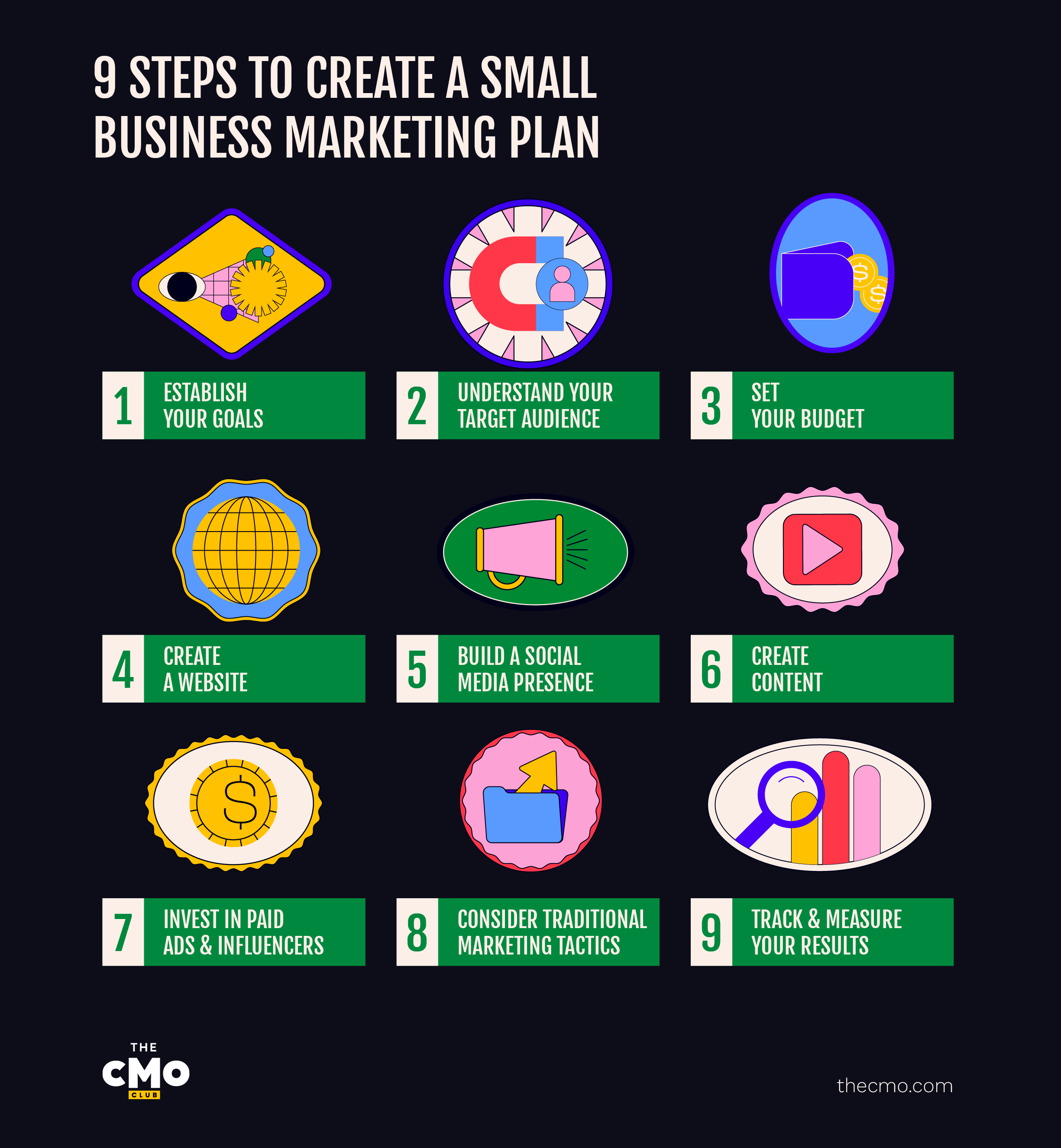
Credit: thecmo.com
Frequently Asked Questions
How Do I Create A Marketing Plan For My Small Business?
Start by analyzing your strengths, weaknesses, and market opportunities. Define your target customers and set clear goals. Outline your marketing mix—product, price, place, promotion. Allocate a realistic budget and choose channels your audience uses. Regularly review and adjust your plan for best results.
What Is The 3 3 3 Rule In Marketing?
The 3 3 3 rule in marketing focuses on three key messages, targets three audience segments, and uses three marketing channels. This simplifies brand communication and boosts clarity.
What Are The 5 C’s Of Marketing Strategy?
The 5 C’s of marketing strategy are Company, Collaborators, Customers, Competitors, and Climate. They guide market analysis and planning.
What Is The 7 Times 7 Rule In Marketing?
The 7 times 7 rule in marketing means a customer must see or hear a message seven times before taking action. It emphasizes repeated exposure to build awareness and trust. Marketers use this to increase chances of engagement and conversions.
What Is A Small Business Marketing Plan?
A small business marketing plan outlines strategies to reach and attract customers effectively.
Why Is A Marketing Plan Important For Small Businesses?
It helps focus efforts, manage budget, and measure marketing success clearly.
How Do I Identify My Target Audience?
Study customer needs, behaviors, and demographics related to your product or service.
What Are The Key Components Of A Marketing Plan?
Include goals, target audience, marketing channels, budget, and performance metrics.
How Can I Set Marketing Goals For My Business?
Make goals specific, measurable, achievable, relevant, and time-bound (SMART).
What Is A Swot Analysis In Marketing?
It evaluates strengths, weaknesses, opportunities, and threats of your business.
Conclusion
Creating a small business marketing plan takes focus and clear steps. Start by knowing your customers and competitors well. Set simple goals that guide your actions. Choose marketing methods that fit your budget and audience. Review and update your plan regularly to stay on track.
A good plan helps your business grow steadily and wisely. Keep it simple, stay consistent, and watch your efforts pay off.