Minecraft is one of the most recognizable games ever made, but many people still ask, “How old is Minecraft? ” This simple question has a surprisingly rich answer, stretching across years of development, updates, and cultural influence. Whether you’re a veteran player, a parent, or someone just curious about gaming history, understanding Minecraft’s age gives insight into how a small project became a worldwide phenomenon.
Let’s dive deep into the timeline, important milestones, and the legacy that makes Minecraft unique.
The Birth Of Minecraft: When Was Minecraft Created?
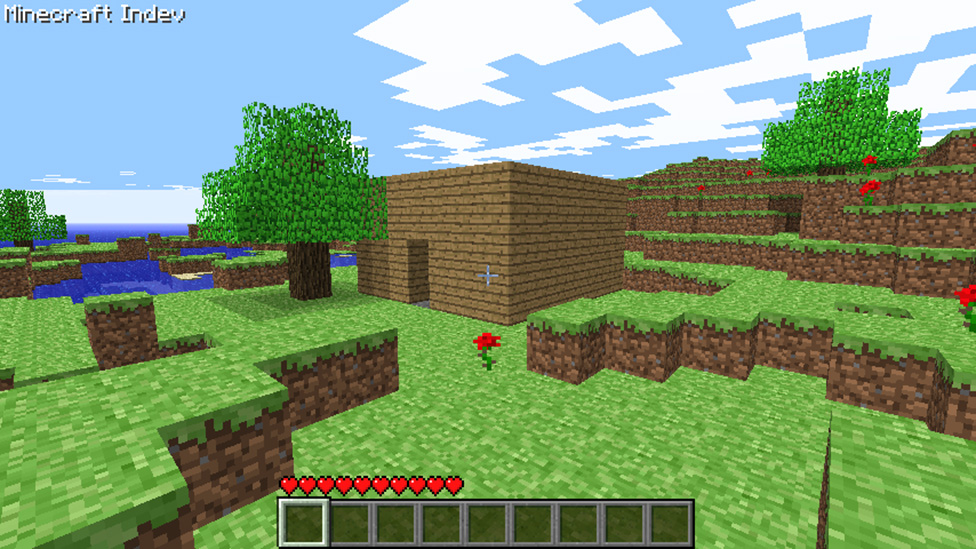
The story of Minecraft starts with a Swedish developer named Markus Persson (known as Notch). In May 2009, Notch began working on a new sandbox game inspired by titles like Dwarf Fortress and Infiniminer. Minecraft’s earliest version, called the “pre-classic” version, was first available to the public on May 17, 2009.
That means, as of 2024, Minecraft is 15 years old. But the meaning of “how old is Minecraft” depends on which version you’re talking about. The first playable version was not the full game we know today, but a very basic one with limited features.
To appreciate this, imagine Minecraft’s first days. There was no survival mode, no monsters, no crafting recipes—just simple blocks and an endless world to fill with your imagination. The earliest players were mostly other game developers and fans of small, experimental projects.
This tiny start was the seed for what would become a global sensation.
Timeline Of Minecraft’s Early Days
- May 17, 2009: First pre-classic version released.
- May 2009: Classic version went live, letting users build with blocks.
- June 2009: Survival Test mode added monsters and health.
- December 2009: Infdev (infinite world generation) tested.
- June 28, 2010: Alpha version launched, adding more features.
Each of these updates added complexity and new possibilities, but the original question—how old is Minecraft? —usually refers to that very first public release in May 2009.
In those early months, the game changed almost every week. Notch often listened to player suggestions, sometimes adding features just days after hearing about them. For example, the addition of water, lava, and early multiplayer support came directly from community requests.
These rapid changes made the game feel alive and personal, which pulled more people in.
Another detail often missed: Minecraft’s early versions were free to play in browsers. This helped it spread quickly. Many people tried it just by clicking a link on a forum or blog, with no need to install or buy anything.
Evolution Of Minecraft: Key Versions And Release Dates
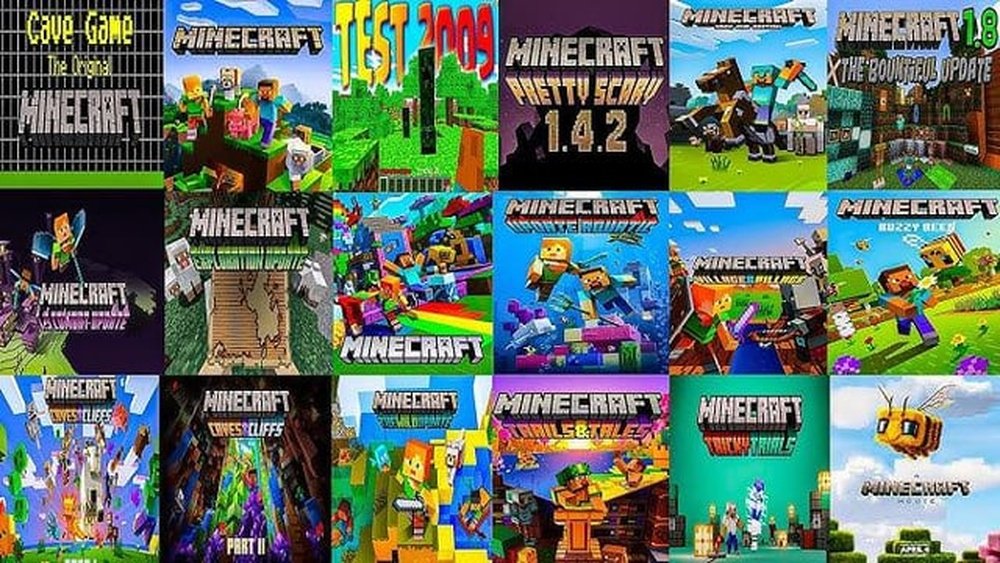
Minecraft’s history is more than a single birthday. Over the years, it has passed through many stages. Here’s a look at the main versions and their release years:
| Version | Release Date | Main Features |
|---|---|---|
| Pre-Classic | May 17, 2009 | Basic block building |
| Classic | May 2009 | Creative building, multiplayer |
| Survival Test | September 2009 | Monsters, health system |
| Infdev | February 2010 | Infinite worlds, basic crafting |
| Alpha | June 28, 2010 | Biomes, more blocks, beds |
| BETA | December 20, 2010 | Redstone, weather, new mobs |
| Full Release (Java 1.0) | November 18, 2011 | The End, enchanting, potions |
| Bedrock Edition | December 19, 2016 | Cross-platform play |
Each version brought new features, helping Minecraft grow from a simple block game into a complex adventure with limitless creativity.
The transition from Classic to Survival Test was especially important. Before, Minecraft was just a toy for building. After Survival Test, it became a game, with challenges, goals, and danger. Players had to manage health, avoid monsters, and collect resources.
This change created a sense of achievement and adventure that drew in millions more players.
By the time Minecraft reached Alpha and Beta, the game included weather effects, day-night cycles, and a wide range of blocks and items. The addition of “Redstone” (a kind of virtual electricity) was a game-changer—players could build machines, doors, traps, and even computers inside Minecraft.
This attracted not just gamers, but engineers, teachers, and creators from many fields.
Credit: scalacube.com
Who Created Minecraft And Why?
Markus Persson was the creator of Minecraft, working alone at first. He wanted a game with endless possibilities, where players could build, explore, and survive. Minecraft’s blocky style was partly due to technical limits, but it quickly became its charm.
Notch’s main goal was to create a world where players could interact with everything. He was inspired by games where players were not limited by fixed paths or objectives. Minecraft’s open design lets you dig down to bedrock, build towers to the sky, or create anything you imagine.
In 2010, Jens Bergensten joined the project and later became the lead designer. Together, they built Mojang, the company behind Minecraft. Their vision was a game that players could shape themselves, instead of following strict stories or rules.
One thing beginners often miss: Minecraft’s original code was written in Java, which allowed it to run on many computers—even older ones. This decision helped it spread quickly and build a large fanbase.
Another detail: Notch often released “snapshot” updates—experimental versions for players to test. This open feedback loop made the community feel like part of the development team. The sense of shared creation is one reason Minecraft’s fan base grew so loyal and large.
Minecraft’s Official Release: The Game Goes Global
While early versions were popular with indie gamers, Minecraft’s official release was at MineCon, on November 18, 2011. This is often called the game’s “birthday” by many fans, even though it was playable before.
By this time, Minecraft had:
- A survival mode with hunger, experience, and bosses
- Creative mode with unlimited blocks
- Multiplayer servers and mods
The full release marked Minecraft as a finished product, but its updates and development never stopped.
During MineCon 2011, thousands of fans gathered in Las Vegas to celebrate. Notch pressed the “release” button live on stage, making it a historic moment in gaming. This event showed how big Minecraft had become, turning a small indie project into a worldwide movement.
Why The Official Release Date Matters
For most commercial games, the official release is the only date that matters. But Minecraft was different. Players helped test and shape the game for over two years before the “finished” release. This is why some people say Minecraft is as old as its first alpha, while others use the 2011 date.
The official release also brought new attention from the media, schools, and families who had not followed the game’s early days. For many, Minecraft “started” in 2011 when it appeared in stores and magazines, even though millions had already played.
A subtle insight: The “official” release didn’t slow development. Unlike most games, Minecraft’s updates kept coming, sometimes bigger and bolder than before. This blurred the line between “finished” and “always evolving,” which is now common for many modern games.
Minecraft’s Growth: From Indie Hit To Gaming Legend
Minecraft’s age is not just a number. It’s a journey from a small indie project to one of the best-selling games of all time. Here’s how Minecraft grew over the years:
Sales And Popularity
- By January 2011, Minecraft had sold over 1 million copies before its official release.
- In 2014, Microsoft bought Mojang and Minecraft for $2.5 billion.
- By 2023, Minecraft had sold over 300 million copies—the best-selling game ever.
To put this in context, few games ever reach even 20 million sales. Minecraft’s numbers are higher than almost any other game, including classics like Tetris or Grand Theft Auto V.
Platforms And Versions
Minecraft started on PC, but quickly moved to other platforms:
- Minecraft: Pocket Edition (2011) for mobile devices
- Xbox 360 Edition (2012)
- PlayStation, Nintendo, and Windows 10 versions
- Bedrock Edition unified most platforms in 2016
This cross-platform approach kept Minecraft fresh and growing for new audiences.
Each new platform helped Minecraft reach new players. For example, Pocket Edition made Minecraft a hit with kids who didn’t have a computer but had access to smartphones or tablets. The Bedrock Edition unified these different versions, so friends could play together even if they used different devices.
Community And Modding
One secret to Minecraft’s long life is its modding community. Players could add new content, change graphics, and even create entirely new game modes. This kept the game exciting for years, as there was always something new to try.
A non-obvious insight: Some of Minecraft’s best-known features, like horses or mini-games, started as player-made mods before becoming official. Mojang often hired modders or used their ideas, making the game even better.
Another example is the rise of “Minecraft servers,” where groups could play together in custom worlds with unique rules. These servers became the foundation for popular game modes like Hunger Games, Skyblock, and creative building competitions. Many YouTubers and streamers built their careers by playing on these community servers.
Major Updates: How Minecraft Changed Over Time
Minecraft didn’t stay the same after release. Mojang released regular updates, adding new content, fixing bugs, and improving gameplay. Some of the most important updates include:
- Adventure Update (Beta 1.8, 2011): Added hunger, sprinting, and new biomes.
- The End Update (1.0, 2011): Introduced The End dimension and the Ender Dragon boss.
- Redstone Update (1.5, 2013): Expanded automation and contraptions.
- Horse Update (1.6, 2013): Brought horses and new transportation.
- Caves & Cliffs (1.17, 1.18, 1.19; 2021-2022): Major world and cave changes, new mobs.
These updates kept Minecraft relevant, sometimes making the game feel almost brand-new.
The “Caves & Cliffs” update, for example, completely changed how underground worlds look and feel. Mountains became taller, caves became deeper and more complex, and new resources appeared. Even players who thought they had seen everything came back to explore.
Comparing Major Minecraft Updates
Here’s a quick look at how some major updates changed the game:
| Update | Release Year | Main Additions |
|---|---|---|
| Adventure Update | 2011 | Hunger, sprint, villages, ravines |
| The End Update | 2011 | The End, Ender Dragon, potions |
| Redstone Update | 2013 | Hoppers, droppers, redstone improvements |
| Horse Update | 2013 | Horses, leads, hay bales |
| Caves & Cliffs | 2021-2022 | Huge caves, new world height, new mobs |
Many players return to Minecraft after updates to experience the new features.
A tip for players: exploring new updates often means finding rare resources or unique mobs that only appear in fresh worlds. Starting a new world after a big update can make Minecraft feel like a brand-new game.
Minecraft For Education And Learning
One reason Minecraft has lasted so long is its use in education. Minecraft: Education Edition was released in 2016, offering lessons in math, science, history, and art.
Teachers use Minecraft to:
- Teach coding and problem-solving
- Explain geometry and architecture
- Support teamwork and creativity
Many people don’t realize that Minecraft is one of the most-used educational games in classrooms worldwide. This educational focus keeps Minecraft relevant with new generations.
A real-world example: In history classes, students might rebuild ancient cities or landmarks to learn about architecture and culture. In coding classes, “command blocks” let students write simple scripts to automate actions or tell stories.
A detail beginners often overlook: Minecraft’s “Redstone” logic is similar to basic electronics. Understanding how switches, repeaters, and pistons work in Minecraft can help kids grasp real-life engineering concepts.
Minecraft’s Influence On Pop Culture
Minecraft is more than just a game. It has become a cultural icon. You can see Minecraft references in:
- Music (parodies and original songs)
- Books and comics
- Toys and merchandise
- YouTube and streaming (millions of videos and channels)
The blocky style, Creeper character, and even the music are now part of internet culture. Many kids play Minecraft before they ever use traditional computer programs, making it a first step into technology for millions.
The game’s soundtrack, by composer Daniel Rosenfeld (C418), is so loved that fans listen to it outside the game. The “Sweden” track is especially famous and has been used in memes, remixes, and even concerts.
Minecraft YouTubers, like DanTDM or Dream, have millions of subscribers and have created careers around sharing Minecraft content. These videos range from tutorials and challenges to storytelling and roleplay, showing just how flexible Minecraft is as a platform.
A non-obvious impact: Minecraft inspired other creative games and apps, from Roblox to Fortnite Creative. Its focus on player-driven stories and worlds changed how many new games are made.

Credit: www.reddit.com
Common Misconceptions About Minecraft’s Age
Many new players are surprised to learn that Minecraft is over a decade old. Here are some frequent misunderstandings:
- “Minecraft came out in 2011” – This is true for the official release, but many played it before then.
- “Minecraft is only for kids” – The game’s audience includes all ages, and many adults have played since the early days.
- “Minecraft hasn’t changed much” – Regular updates have transformed the game many times.
Another detail often missed: the Bedrock Edition (launched in 2016) is different from the original Java Edition. Bedrock runs on consoles and mobile, while Java is for PC.
A bonus insight: Many features seen as “new,” such as bees, foxes, or even the Nether update, are actually recent additions. Players who left years ago would find a very different world today.
How Minecraft’s Age Compares To Other Famous Games
To understand Minecraft’s age better, let’s compare it to some other well-known games:
| Game Title | Original Release Year | Age in 2024 |
|---|---|---|
| Minecraft | 2009 (pre-classic) | 15 years |
| Fortnite | 2017 | 7 years |
| Roblox | 2006 | 18 years |
| World of Warcraft | 2004 | 20 years |
| The Sims | 2000 | 24 years |
Minecraft has outlasted many trends and remains popular after 15 years, which is rare in gaming.
Another insight: Unlike many older games, Minecraft has never stopped being updated. While games like The Sims or World of Warcraft get expansions, Minecraft’s base game keeps evolving for all players, not just new buyers.
Why Has Minecraft Lasted So Long?
Minecraft’s long life is not an accident. Here’s why it stays popular:
- Simplicity and flexibility: Easy to play, but deep for creative minds.
- Regular updates: New features keep players interested.
- Huge community: Players make new maps, mods, and content every day.
- Educational value: Used in schools and learning programs.
- Cross-platform play: Friends can play together on different devices.
One more insight: Minecraft is often a “sandbox” for creativity, not just a game. Players use it for art, coding, and even storytelling.
Another less obvious reason is its “timeless” art style. While other games become outdated as graphics improve, Minecraft’s blocky look never tries to be realistic. This means it ages well and always feels intentional.
Also, the game’s survival and creative modes appeal to different moods and ages. Players who want adventure can fight monsters and explore dangerous caves. Those who prefer building can focus on architecture and design, with no pressure from enemies.
The Future Of Minecraft
Even after 15 years, Minecraft shows no signs of slowing down. Mojang (now owned by Microsoft) continues to update the game and support new projects like Minecraft Dungeons and Minecraft Legends. The community remains large and active.
With new features, educational tools, and cross-platform support, Minecraft will likely be around for many more years. It’s a rare example of a game that grows with its players.
Upcoming updates promise new mobs, biomes, and technical improvements. Mojang often asks the community to vote on new features, keeping the player base involved and excited.
A practical tip: If you take a break from Minecraft, don’t be surprised if you return to find new blocks, animals, or entire game systems you’ve never seen before. The game rewards curiosity and exploration, no matter how long you’ve been away.
Credit: grcsmokesignals.net
Frequently Asked Questions
How Old Is Minecraft In 2024?
Minecraft is 15 years old in 2024 if you count from the first public pre-classic version released in May 2009. If you use the official release (November 18, 2011), Minecraft is 13 years old.
Who Created Minecraft?
Markus Persson (Notch), a Swedish developer, created Minecraft. He started the project alone, then built Mojang, the company behind the game. Later, Jens Bergensten took over as lead developer.
What Is The Difference Between Minecraft Java And Bedrock Edition?
Java Edition is the original version for PC, allowing more mods and custom content. Bedrock Edition is designed for consoles, mobile devices, and Windows 10, with better cross-platform play but fewer modding options.
A detail often missed: Worlds made in Java Edition can’t be played in Bedrock Edition and vice versa. Also, some in-game features and mechanics are slightly different between the two.
When Did Microsoft Buy Minecraft?
Microsoft bought Mojang and Minecraft in 2014 for $2.5 billion. This helped Minecraft reach new platforms and get more resources for development.
Is Minecraft Still Popular In 2024?
Yes, Minecraft is still very popular in 2024. It has a large player base, regular updates, and is used for education and entertainment worldwide. It remains one of the best-selling games of all time.
For more details and up-to-date statistics, you can visit the official Minecraft Wikipedia page.
Minecraft’s journey from a simple block game to a cultural icon is a story of creativity, community, and constant growth. With 15 years behind it and a bright future ahead, Minecraft continues to inspire millions around the world.