Selling a small business is a big decision, and one of the most crucial questions you’ll face is, “How much should I sell my small business for?” You want to get it right—not just for your finances but for your peace of mind. The right price can make all the difference in a smooth transaction and a successful future for both you and the buyer.
We’ll break down the key factors that influence your business’s value. You’ll discover practical tips to assess your business worth and strategies to maximize your sale price. Whether you’re ready to sell now or planning for the future, understanding how to price your business effectively is essential.
Keep reading to uncover the insights that can help you make informed decisions and achieve the best outcome for your hard work.
Factors Influencing Business Valuation
Business valuation depends on various factors. These include earnings, market trends, and assets. Understanding these can help set a fair price when selling a small business.
Understanding the factors influencing business valuation is crucial when determining how much to sell your small business for. Each element plays a significant role in shaping the final price tag. Let’s break down these factors to give you a clearer picture.Financial Performance
Your business’s financial performance is a primary indicator of its worth. Potential buyers will closely analyze your revenue, profits, and cash flow. – Consistent revenue growth can significantly boost your business’s value. – A solid profit margin signals to buyers that your business is healthy and sustainable. If your financials show a steady upward trend, you may command a higher selling price. However, if your numbers are fluctuating or declining, you might need to adjust your expectations.Industry Trends
What’s happening in your industry can greatly affect your valuation. Trends can either enhance or diminish interest in your business. – Are you in a growing sector? Buyers often pay a premium for businesses in high-demand industries. – Conversely, if your industry is facing challenges, it may lower your business’s appeal and value. Researching current trends can give you insight into how to position your business for sale. This knowledge can help you highlight strengths that attract buyers.Market Demand
The overall market demand for businesses like yours can impact your selling price. High demand can create competition among buyers, driving up your business’s value. – Consider the number of similar businesses for sale. If inventory is low, you might sell for a better price. – On the flip side, if many competitors are on the market, it could lower your valuation. Understanding the pulse of the market helps you set a competitive price.Location And Assets
Your business location and physical assets also play a role in its valuation. A prime location can attract more customers, making your business more desirable. – Evaluate the condition and value of your assets. Equipment, inventory, and real estate can add substantial worth. – If your location has growth potential, that’s a selling point you can leverage. Consider how these aspects contribute to your business’s overall value. They can be the difference between a quick sale and a drawn-out process. Understanding these factors will guide you in setting a realistic and appealing price. Have you assessed how these elements apply to your business yet?Methods To Calculate Business Worth
Calculating the worth of a small business can be challenging. Several methods exist, including asset-based, income-based, and market-based approaches. Each method offers a different perspective, helping sellers determine a fair price for their business.
Calculating the worth of your small business is essential for any owner considering a sale. Understanding its value can help you set a fair price and attract potential buyers. There are several methods to determine your business’s worth, each offering unique insights based on different aspects of your operations. Let’s break down three effective methods.Asset-based Approach
The asset-based approach focuses on the tangible and intangible assets your business owns. This includes everything from equipment and inventory to intellectual property and customer lists. – Tangible Assets: These are physical items like machinery, buildings, and stock. – Intangible Assets: These include trademarks, patents, and brand reputation. To calculate your business’s worth using this method, simply add up the total value of all these assets. Subtract any liabilities to get a clear picture of your net worth. This method works best for businesses with significant physical assets.Income-based Valuation
Income-based valuation looks at your business’s earning potential. This method estimates your business value based on its ability to generate income over time. – Discounted Cash Flow (DCF): This technique projects future cash flows and discounts them to present value using a specific rate. – Capitalization of Earnings: This approach involves dividing the expected earnings by a capitalization rate, which reflects the risk associated with your business. Consider your business’s historical performance and future projections. If your small business has a consistent revenue stream, this method can yield a robust valuation.Market Comparison
Market comparison involves analyzing similar businesses that have recently sold. This method gives you a realistic view of what buyers are willing to pay. – Comparable Sales: Look for businesses in your industry with similar size and scope. – Multiples: Use multiples of revenue or earnings that buyers have paid for similar businesses. Researching local markets can provide a solid benchmark. If you find that businesses like yours sold for a particular price range, you can adjust your expectations accordingly. Understanding these methods can empower you to make informed decisions about your business’s sale price. How do you envision your business’s value? Are you leaning towards a specific valuation method?Key Metrics Buyers Look For
Understanding the key metrics can help you sell your small business. Buyers want to see solid data. They focus on specific areas to assess value. Knowing these metrics can guide your sale process.
Revenue Growth
Revenue growth is critical for buyers. They want to see consistent increases over time. A steady rise in sales shows demand. It reflects a healthy business. Provide clear records of your revenue. This helps buyers trust the investment.
Profit Margins
Profit margins indicate financial health. Buyers look for high margins. This shows effective cost management. Analyze your expenses and pricing strategies. Demonstrating strong profit margins can attract serious buyers. It enhances the perceived value of your business.
Customer Base
A loyal customer base adds value. Buyers want to know about your clients. A diverse customer base reduces risk. Highlight your key customers and retention rates. This information builds confidence in potential buyers. It shows your business can sustain itself.
Operational Efficiency
Operational efficiency is vital for smooth operations. Buyers seek businesses with streamlined processes. Efficient operations reduce costs and increase profits. Share details about your workflows and systems. This can set your business apart. It signals a well-managed operation.
Credit: www.wordstream.com
Preparing Your Business For Sale
Preparing your business for sale is an important step. This process helps you attract buyers. It can also increase your business’s value. Start by making your business look its best.
Focus on key areas. Organize your records. Improve your processes. Highlight your growth potential. Each of these steps makes your business more appealing.
Organizing Financial Records
Buyers want to see clear financial records. Gather all your financial statements. Include profit and loss statements. Add balance sheets and cash flow reports. Keep these documents updated and accurate.
Use accounting software to simplify this task. A neat financial record shows professionalism. It builds trust with potential buyers.
Improving Operational Processes
Streamline your operations before selling. Identify areas that need improvement. Look for inefficiencies or delays. Simplifying processes makes your business more attractive.
Document your standard operating procedures. This helps buyers understand how your business runs. A well-organized operation can lead to higher offers.
Highlighting Growth Potential
Show buyers where your business can grow. Present data on market trends. Discuss new products or services you plan to offer. Outline potential customer segments you haven’t tapped into yet.
Use visuals to illustrate your points. Charts and graphs can help buyers see your vision. Make them excited about the future of your business.
Negotiating The Sale Price
Negotiating the sale price of your small business is crucial. This process can determine your financial future. A fair price reflects the true value of your business. It also satisfies the buyer’s needs. Understanding how to negotiate effectively is key.
Setting Realistic Expectations
Start by knowing your business’s worth. Use a professional valuation if possible. Research similar businesses in your industry. This helps you set a competitive price.
Be honest about your business’s strengths and weaknesses. A realistic price attracts serious buyers. Avoid overpricing. It can scare potential buyers away. Understand the market conditions. They can affect how much you can ask for.
Understanding Buyer Motivations
Buyers have their own reasons for purchasing a business. Some want to expand their portfolio. Others may want to enter a new market. Knowing these motivations helps in negotiations.
Listen to what buyers say. Their concerns can guide your discussions. Be open to their needs. This builds trust and can lead to a better deal.
Leveraging Professional Advisors
Consider hiring a business broker or advisor. They have experience in negotiations. They understand the market well. This can give you an edge.
Professional advisors can help set the right price. They can also help with paperwork. Their expertise can smooth the process. This saves you time and stress.
Common Mistakes To Avoid
Selling a small business requires careful planning. Avoid underpricing or overpricing your company. Understand your business’s true value and market conditions. Research similar sales to set a fair price. Don’t rush the process; take your time to make informed decisions.
Identifying how much to sell your small business for can be tricky. Avoiding common mistakes can make a significant difference in your final sale price. Here are some pitfalls to watch out for.Overpricing Or Underpricing
Setting the right price is crucial. Overpricing can scare away potential buyers. They may think the business is not worth the asking price or that you’re not serious about selling. On the flip side, underpricing can lead to lost revenue. You might feel pressured to sell quickly, but undervaluing your business means you’re leaving money on the table. Research the market thoroughly. Consider hiring a professional appraiser to help you determine a fair value.Lack Of Preparation
Selling your business without proper preparation can lead to missed opportunities. If you don’t have organized financial statements or a solid business plan, buyers may lose interest. Invest time in cleaning up your books and ensuring everything is transparent. A well-prepared business appears more attractive and trustworthy. Take a step back and evaluate your business from a buyer’s perspective. What would you want to see if you were in their shoes?Ignoring Market Conditions
Market conditions can greatly impact your business’s selling price. Ignoring trends or economic factors can lead to poor timing for your sale. If the market is saturated with similar businesses, you may struggle to find a buyer willing to pay your asking price. Conversely, a booming market can present a golden opportunity to sell at a premium. Stay informed about industry trends and economic indicators. Adjust your selling strategy based on these insights to maximize your sale price. Avoid these mistakes to ensure a smoother selling process and a better return on your investment. What steps will you take to prepare your business for sale?Leveraging Expert Insights
Selling a small business is complex. Getting expert help can guide you. Insights from professionals can help you set the right price. Their experience can save you time and money. Here are some experts to consider.
Consulting Business Brokers
Business brokers specialize in selling companies. They know the market well. They can provide a business valuation. This helps you understand what buyers will pay. Brokers handle negotiations too. Their experience can lead to better offers.
Seeking Legal And Financial Advice
Legal and financial experts are crucial. They ensure all paperwork is correct. They help you understand tax implications. Proper guidance can protect your interests. Their advice can prevent costly mistakes.
Learning From Past Sales
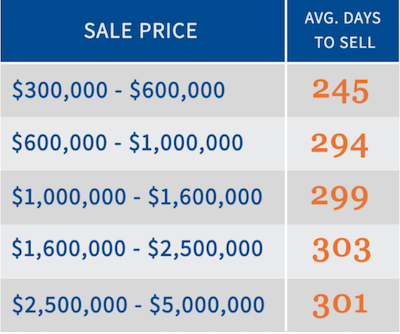
Study past business sales. Look for similar businesses in your area. Analyze their sale prices and terms. Understand what worked and what didn’t. This knowledge can inform your strategy. It helps you set a competitive price.

Credit: www.youtube.com

Credit: www.tiktok.com
Frequently Asked Questions
How Do I Determine My Business’s Value?
To determine your business’s value, consider multiple factors. Analyze your financial statements, assets, and liabilities. Look at market trends and similar business sales. You might also consult a professional appraiser for a more accurate valuation. A well-documented valuation helps in setting a fair selling price.
What Factors Affect Small Business Selling Price?
Several factors influence a small business’s selling price. These include revenue, profit margins, location, and customer base. The industry’s health and market demand also play significant roles. Additionally, the business’s growth potential and operational efficiency can affect its attractiveness to buyers.
Should I Hire A Business Broker?
Hiring a business broker can be beneficial. They bring expertise in pricing and selling businesses. A broker can help you navigate negotiations and paperwork. This can save you time and reduce stress during the selling process. However, ensure you choose a reputable broker with experience in your industry.
How Can I Increase My Business’s Value?
To increase your business’s value, focus on improving profitability. Streamline operations to reduce costs and increase efficiency. Expand your customer base through marketing and enhance your online presence. Invest in employee training and maintain excellent customer service. A well-managed business is more appealing to potential buyers.
Conclusion
Selling a small business is a big decision. Setting the right price is crucial. Think about your business’s worth, assets, and market trends. Consider advice from experts to find a fair price. Remember, both buyers and sellers want a good deal.
Take your time to research and prepare. This will help you feel confident in your sale. A well-priced business can attract more buyers. Aim for a smooth transaction that benefits everyone involved. Your efforts will pay off in the end.
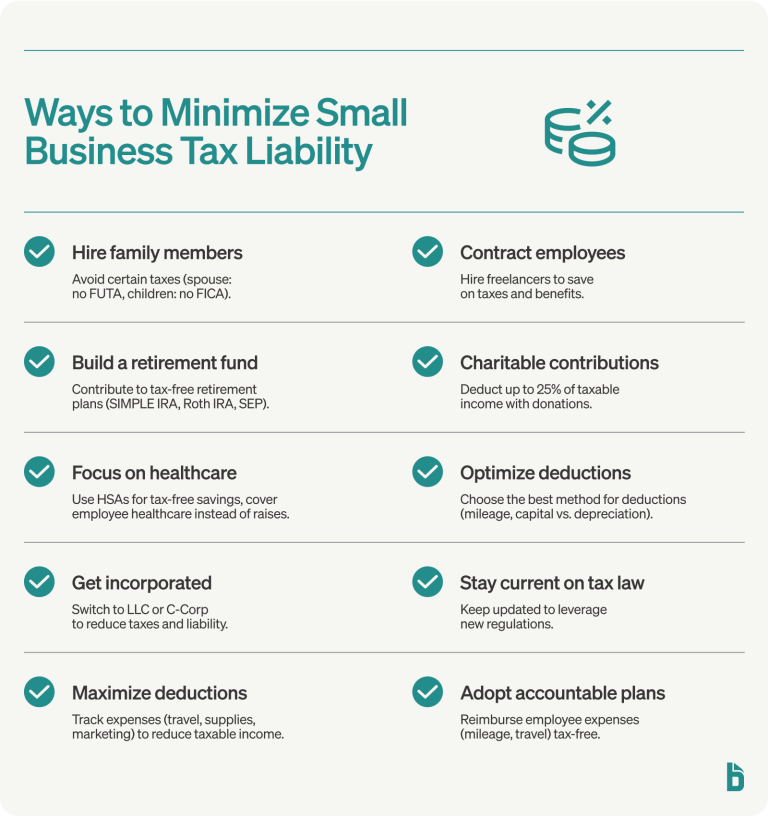 How to Avoid Taxes As a Small Business Owner: Legal Strategies
 What is the Meaning of Small Business Entrepreneurship: Explained
 What to Do If a Small Business Scams You: Essential Steps