Deciding how much to invest in a small business can feel overwhelming. You might wonder if you’re putting in too little or risking too much.
The right investment can make all the difference between success and failure. It’s crucial to understand your financial situation, the industry you’re entering, and your business goals. We will break down the key factors to consider when determining your investment amount.
By the end, you’ll have a clearer picture of how to allocate your resources wisely. Whether you’re starting a new venture or looking to expand an existing one, the insights here will help you make informed decisions. Let’s dive in and explore how to set the right investment strategy for your small business.
Factors Influencing Investment Decisions
Several factors influence how much you should invest in a small business. Consider your financial situation, business potential, and market trends. Assessing risk and return is crucial for making informed investment choices.
Investing in a small business requires careful consideration of various factors. The amount you decide to invest will not only impact your finances but also your overall experience as a business owner. Understanding the factors that influence your investment decisions can help you make informed choices.Personal Financial Situation
Your current financial standing plays a crucial role in determining how much you can invest. Assess your savings, income, and existing debts before committing any funds. Consider creating a budget that outlines your monthly expenses and income. This will give you clarity on how much disposable income you can allocate for investment. Ask yourself: Can you afford to take this risk without jeopardizing your financial stability?Business Industry And Market Trends
The industry you’re entering significantly influences investment decisions. Some sectors, like technology, may require higher initial investments but can offer substantial returns. Others, like food services, might demand less upfront capital but come with their unique challenges. Stay updated on market trends that can affect your business. Researching competitors and consumer preferences can provide insights into potential profitability. Consider the long-term growth of the industry. Is it a stable market, or is it prone to fluctuations?Potential Risks And Rewards
Every investment carries risks. It’s essential to weigh these against potential rewards. Understand the risks associated with your chosen business and prepare for them. Reflect on your risk tolerance. Are you comfortable with uncertainty, or do you prefer a safer approach? Identify the potential rewards as well. What are the realistic financial gains you expect? Setting clear goals can guide your investment strategy and keep you motivated. Balancing risks with rewards is key to making a sound investment decision. Are you ready to take that leap?:max_bytes(150000):strip_icc()/ezgif-7-53266e528cbc-a355b35e34bd432090c3e4e116cd979f.jpg)
Credit: www.thebalancemoney.com
Calculating Startup Costs
Calculating startup costs is an important step. It helps you know how much money you need. Understanding these costs can guide your investment decisions. You want to be clear on what you will spend. Let’s break down the expenses.
Fixed And Variable Expenses
Fixed expenses are costs that stay the same. Rent, salaries, and insurance are good examples. You will pay these amounts regularly.
Variable expenses change based on your business activity. These include supplies, utilities, and marketing costs. They can go up or down each month. Estimating both types of expenses is crucial.
Hidden Costs To Consider
Hidden costs can surprise new business owners. These are expenses you might not think about. Licensing fees, permits, and taxes are common hidden costs.
Training costs for employees can also add up. Don’t forget about software and technology needs. Always account for these extra expenses in your budget.
Emergency Funds For Contingencies
Setting aside emergency funds is wise. Unexpected costs can arise at any time. A good rule is to save at least three months of expenses.
This fund can help you cover sudden repairs or legal fees. It provides a financial cushion. Preparing for the unknown is part of smart planning.
Setting A Budget For Investment
Setting a budget for investing in a small business is crucial. Determine how much you can afford to invest without straining your finances. Consider your goals, expenses, and potential returns. A well-planned budget helps you make informed decisions and supports long-term success.
Setting a budget for investment in a small business is crucial. It determines how much capital you can comfortably commit without jeopardizing your financial stability. Knowing your limits helps you make informed decisions and sets the stage for success.Allocating A Percentage Of Savings
Start by assessing your total savings. A good rule of thumb is to allocate a specific percentage, usually between 10% to 30%, depending on your comfort level. – 10%: A conservative approach, ideal if you have other financial commitments. – 20%: Balances risk and potential reward for those ready to take a step forward. – 30%: Best for those with a solid financial cushion looking to maximize growth. Think about your overall financial goals. Are you saving for a house, retirement, or your child’s education? Allocating too much can hinder those goals.Balancing Debt And Equity Investments
Decide how much of your investment will be debt versus equity. Debt investments involve loans you must repay, while equity means giving up a part of your business for capital. – Debt: Lower risk, but monthly repayments can strain cash flow. – Equity: Offers growth potential, but you dilute your ownership. Finding the right balance is essential. Ask yourself, how much control are you willing to give up?Avoiding Over-investment Pitfalls
Investing too much too quickly can lead to serious financial strain. It’s tempting to go all-in, especially when you’re passionate about your business idea. Keep your initial investment within your budget. – Set a cap: Determine a maximum amount you’re willing to invest initially. – Monitor expenses: Regularly review your spending and adjust as needed. Have you ever felt overwhelmed by financial commitments? Recognizing your limits can save you from stress down the line. Stay disciplined and avoid the urge to overspend. By setting a clear budget and sticking to it, you’ll pave the way for sustainable growth in your small business.
Credit: simplybefound.com
Evaluating The Business Potential
Investing in a small business needs careful thought. You must know how strong the business is. Evaluating its potential helps you make a smart choice. Focus on key areas like the business plan, revenue, and growth.
Analyzing Business Plans
A solid business plan is essential. It shows the company’s goals and strategies. Look for clear steps to reach those goals. Check for details on products or services.
Understand the target market. A good plan identifies customers and their needs. It should also highlight competition. The plan must explain how the business will stand out.
Assessing Revenue Projections
Revenue projections indicate how much money the business expects to make. Check if these numbers are realistic. Look for past sales data. Compare it with industry averages.
Consider the sources of revenue. Are they steady or seasonal? Understand any risks that might affect income. This insight helps in deciding how much to invest.
Long-term Growth Potential
Think about the long-term potential of the business. Is there room to grow? Look at market trends and customer demands.
Check if the business has plans for expansion. Growth can come from new products, more locations, or entering new markets. A clear growth strategy can lead to better returns on your investment.
Leveraging Expert Advice
Expert advice can help you decide how much to invest in a small business. Consider your goals and the risks involved. A clear plan and good research are key to making smart investment choices.
Leveraging expert advice is crucial when deciding how much to invest in a small business. The right guidance can help you avoid costly mistakes and maximize your potential returns. Here are some effective ways to tap into expert insights that can inform your investment decisions.Consulting Financial Advisors
Consulting with financial advisors can provide you with tailored advice. They analyze your current financial situation and help you set realistic investment goals. A good advisor will assess your risk tolerance and suggest a suitable investment amount. They can also guide you on budgeting for unexpected expenses that often arise in small businesses. Consider this: how confident do you feel about navigating the financial landscape on your own? Seeking expert help can bolster your confidence and lead to better decision-making.Learning From Successful Entrepreneurs
Learning from those who have already walked the path can be invaluable. Successful entrepreneurs often share their experiences and lessons learned, which can guide your investment choices. Look for local networking events or online forums where you can connect with these individuals. Their stories can provide insights into how much they invested and what returns they saw. Think about this—what if you could avoid common pitfalls by simply listening to someone else’s journey? Their successes and failures can be a roadmap for your own investment strategy.Joining Business Mentorship Programs
Joining a mentorship program can pair you with experienced business leaders. These programs often provide structured guidance and support tailored to your needs. Mentors can help you assess your investment capacity and offer strategies for scaling your business. They can also challenge you to think critically about your financial decisions. Ask yourself: are you ready to take your business to the next level with the help of someone who has been there before? The right mentor can make all the difference in your investment journey.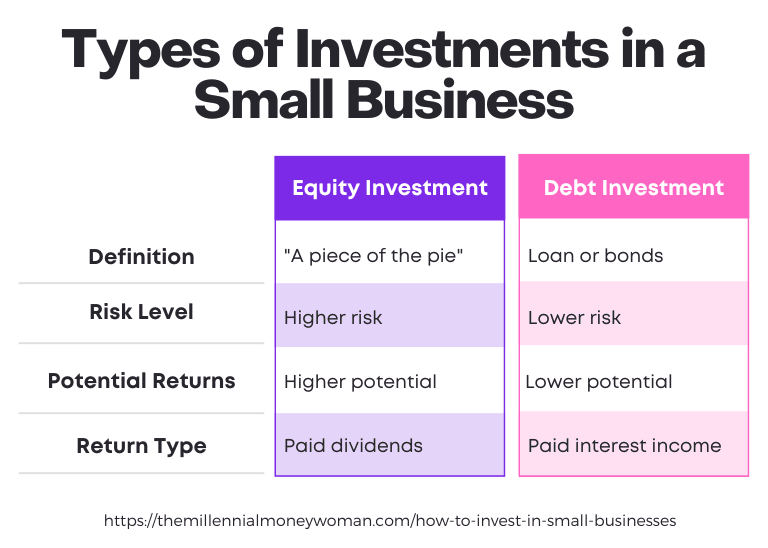
Credit: themillennialmoneywoman.com
Monitoring And Adjusting Investments
Investing in a small business needs careful thought. Start by assessing your finances and goals. Regularly check your investment’s performance and adjust as needed. This helps ensure your money works effectively for you.
Monitoring and adjusting your investments in a small business is crucial for long-term success. As your business evolves, so should your approach to investment. Keeping a close eye on performance allows you to make informed decisions, ensuring that your resources are allocated wisely.Tracking Business Performance
Regularly assessing your business’s performance is essential. Use key performance indicators (KPIs) to gauge success. Metrics such as sales growth, customer retention, and profit margins provide insights into where your money is working hardest. Create a simple tracking system. A spreadsheet can help you visualize progress over time. Set aside time each month to review these numbers. This practice helps identify trends and areas needing attention. Consider customer feedback as part of your tracking. Engaging with customers can reveal insights that numbers alone may not show. Are they satisfied? Are there recurring complaints?Scaling Investments Over Time
As you monitor performance, be prepared to scale your investments accordingly. Start small and increase funding as you see positive results. This method minimizes risk while maximizing potential gains. For example, if a marketing campaign is driving significant new business, consider allocating more funds to it. Conversely, if a project isn’t yielding results, it may be time to reduce investment in that area. Always ask yourself: Is this investment driving value? Your goal is to ensure that every dollar spent contributes to growth.Exiting When Necessary
Recognizing when to exit an investment is just as important as knowing when to enter. If a project consistently underperforms, it may be time to cut your losses. Evaluate your options carefully. You might sell a portion of your investment or completely divest. Understanding when to walk away can save you time and resources. Reflect on your experiences. Have you ever held onto a failing investment too long? Learning to exit strategically can help you focus on what truly drives your business forward. Make monitoring and adjusting your investments a regular practice. It’s not just about where you start, but how you adapt along the way. Your business deserves your attention and care, ensuring it thrives in an ever-changing market.Frequently Asked Questions
How Much Capital Is Needed To Start A Small Business?
The amount of capital needed varies widely. It depends on the business type, location, and industry. Generally, small businesses can start with as little as $5,000 to over $50,000. Create a detailed budget plan to estimate your specific needs and secure adequate funding for your venture.
Is It Necessary To Invest Personal Savings?
Investing personal savings is common but not mandatory. Many entrepreneurs seek loans or investors. Using personal savings demonstrates commitment. However, balance risks by not investing all your funds. Consider alternative financing options to minimize personal financial exposure while still ensuring your business has enough capital.
What Percentage Of Income Should Be Reinvested?
Reinvesting 15-30% of profits is a good guideline. This percentage allows for growth while maintaining operational stability. Adjust the amount based on business needs and market conditions. Regularly assess your financial situation to determine the appropriate reinvestment rate for continued success and expansion.
How Do I Determine My Investment Risk?
Assessing investment risk involves analyzing several factors. Evaluate your industry, market trends, and competition. Consider your business plan’s strengths and weaknesses. Use financial ratios and projections to gauge potential returns. Conducting thorough research will help you make informed decisions and mitigate risks effectively.
Conclusion
Investing in a small business requires careful thought. Start by assessing your finances and business goals. Consider the industry and market trends. A smaller investment can still lead to success. Focus on what you can manage. Seek advice from experts and peers.
Always keep learning. Your investment should match your comfort level. Remember, every dollar counts. Make informed choices for the best outcomes. Start small, grow steadily, and watch your business thrive.
 How to Avoid Taxes As a Small Business Owner: Legal Strategies
 What is the Meaning of Small Business Entrepreneurship: Explained
 What to Do If a Small Business Scams You: Essential Steps