Thinking about getting your own domain name but unsure how much it will cost? You’re not alone.
Whether you’re starting a blog, launching a business, or simply want a unique online identity, understanding the price of a domain name is key. But here’s the catch: domain pricing isn’t straightforward. It depends on many factors like the extension you choose, whether the name is in high demand, and the registrar you pick.
You’ll discover exactly what influences domain costs, how to find the best deals, and tips to keep your domain secure long term. Keep reading, because knowing these details can save you money and headaches down the road. Your perfect domain might be closer—and more affordable—than you think.
Domain Pricing Basics
Domain names are the web addresses people type to visit a website. Every domain has a price. This price varies based on several factors. Understanding these basics helps you choose the right domain within your budget.
Prices depend on the domain extension, registrar, and demand. Some domains cost only a few dollars per year. Others, especially popular names, can cost hundreds or even thousands.
What Affects Domain Prices?
Domain extensions like .com, .net, and .org have different costs. Popular extensions usually cost more. Newer or less common extensions are often cheaper.
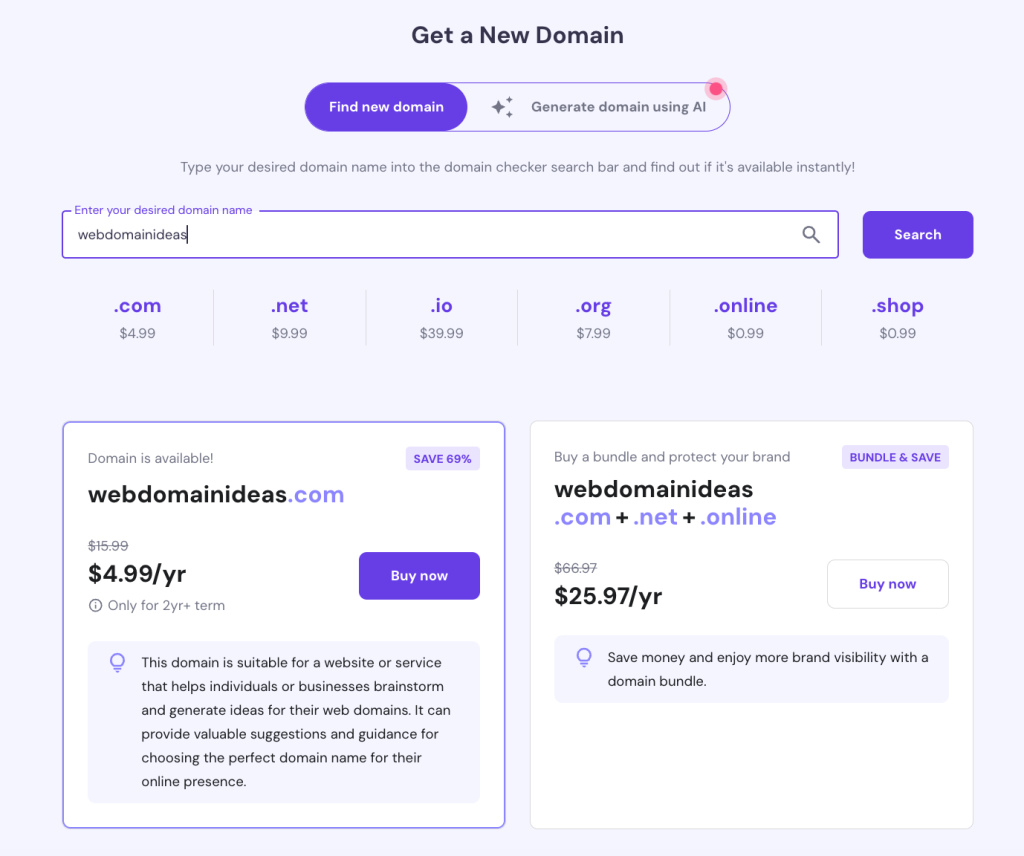
Registrars set their own prices. Some offer discounts for the first year. Renewal fees might be higher, so check both prices.
Premium domains are special names already owned or in high demand. These can cost much more than regular domains.
Initial Registration Vs Renewal Fees
The first year of domain registration often has a lower cost. This is to attract new customers. Renewal fees are the price to keep the domain active each year after.
Renewal costs can be higher than the initial price. Always check renewal fees before buying. Budget for ongoing costs to avoid surprises.
Extra Costs To Consider
Some domains require extra fees for privacy protection. This service hides your personal info from public records. It usually costs a few dollars per year.
Other services like email hosting or website building may add to the total cost. These are optional but useful for some users.
Watch out for transfer fees if you want to move your domain to a different registrar later.
Popular Domain Extensions
Domain extensions are the suffixes at the end of web addresses. They help identify the type or location of a website. Choosing the right extension affects your site’s visibility and trust. Some extensions are more popular and widely accepted. Others serve specific industries or communities. Understanding popular domain extensions helps pick the best one for your site.
.com
.com is the most common domain extension worldwide. It stands for “commercial” and suits most businesses. People trust .com sites more than others. It is often the first extension people try when typing a website address. Prices for .com domains are usually moderate but can vary by registrar.
.net
.net is short for “network” and was originally for internet providers. Today, many tech companies use .net domains. It is a good alternative if the .com version is taken. .net domains cost similar to .com but may be slightly cheaper or more expensive depending on the seller.
.org
.org is meant for organizations, especially nonprofits. It gives a professional and trustworthy impression. Many charities and open-source projects use .org. Prices for .org domains tend to be affordable. Choosing .org can help visitors understand your site’s purpose.
.co
.co is short and popular for companies and startups. It is seen as modern and trendy. Many businesses choose .co if the .com is unavailable. The cost of .co domains is typically higher than .com. It can help your brand look fresh and innovative.
.io
.io is popular with tech startups and developers. It originally represents the British Indian Ocean Territory. The extension is seen as tech-savvy and cutting-edge. Prices for .io domains are often higher than standard extensions. Many tech companies prefer .io for its unique appeal.
Premium Domain Costs
Premium domain names stand out due to their short length, keyword value, or brand appeal. These domains often cost much more than regular names. They can be a smart investment for businesses seeking strong online presence.
Pricing for premium domains varies widely. Some sell for hundreds, others for thousands or even millions of dollars. Factors like demand, market trends, and domain history influence the price.
What Makes A Domain Premium?
Premium domains usually have popular keywords or simple spellings. They are easy to remember and type. Domains with common words or phrases fall into this category. High commercial value also raises a domain to premium status.
Price Range For Premium Domains
Prices start around a few hundred dollars. Many premium domains cost between $1,000 and $10,000. Top-tier domains can reach six or seven figures. The exact cost depends on uniqueness and demand.
How To Buy A Premium Domain
Some premium domains are listed for sale on marketplaces. Others require negotiation with current owners. Using a domain broker can help. Payment methods include one-time payments or installment plans.
Renewal And Additional Costs
Premium domains often have higher renewal fees. Renewal costs can be several times more than standard domains. Extra services like privacy protection or escrow add to the price. Budgeting for these costs is important.
Registration Duration Options
Domain names are rented for periods from one to ten years. Choosing a longer registration often lowers yearly costs. Renewals keep your domain active beyond the initial term.
Domain names are not bought forever. They are leased for a set time. This lease period is called registration duration. You can choose how long to register your domain.
Choosing the right registration duration affects your costs and control over the domain. Shorter periods cost less upfront but need frequent renewal. Longer periods require more payment at once but offer stability.
One-year Registration
The most common option is one year. It costs less at first. You pay each year to keep the domain active. This option suits those who want to test a domain or are on a budget.
Renewing annually means you must remember to pay each year. Missing payment can cause you to lose the domain.
Multi-year Registration
You can register a domain for multiple years, usually up to ten. This option saves time by reducing yearly renewals. It can also lock in current prices, avoiding future increases.
Registering longer shows commitment to your website or brand. It lowers the risk of losing your domain by forgetting to renew.
Auto-renewal Option
Many registrars offer auto-renewal. This automatically pays and renews your domain each year. It prevents accidental expiration and domain loss.
Auto-renewal requires a valid payment method on file. Always keep your payment details updated to avoid issues.
Domain Expiration Protection
Some providers sell expiration protection. This service gives extra time to renew after expiration. It helps avoid losing your domain due to missed payments.
Expiration protection is a useful backup. It adds security for those managing many domains or who often forget renewal dates.
Initial Vs Renewal Fees
Understanding the difference between initial and renewal fees helps you plan domain costs better. The initial fee is what you pay to register the domain for the first time. Renewal fees are what you pay to keep the domain active after the first period ends. These fees can vary greatly depending on the domain extension and registrar.
What Are Initial Fees?
Initial fees cover the cost to claim a new domain name. This fee usually includes registration for one year. Some registrars offer discounts for the first year. The price often looks lower at this stage to attract new customers. It is important to check the full renewal cost before buying.
How Do Renewal Fees Work?
Renewal fees apply after the initial registration expires. These fees keep your domain name active year after year. Renewals typically cost more than the initial fee. Missing renewal payments can lead to domain loss. Setting up auto-renewal helps avoid losing your domain.
Why Are Renewal Fees Higher?
Renewal fees are higher due to standard pricing policies. Registrars often offer low first-year rates to compete. After that, the renewal price reflects the true market value. Additional services can also increase renewal costs. Always read terms to avoid surprises later.
Credit: www.hostinger.com
Choosing A Registrar
Choosing the right registrar is a key step in buying a domain name. A registrar manages your domain and its renewal. Prices and services vary between registrars. Picking a reliable one saves time and money.
Look for a registrar with clear pricing and good support. Some offer extra features like privacy protection or easy website building tools. Check reviews to see how well they serve customers.
Reputation And Trustworthiness
Choose a registrar with a strong reputation. Trusted companies have good reviews and long history. Avoid new or unknown registrars that may cause problems later.
Pricing And Renewal Fees
Check the initial cost and renewal fees. Some registrars offer low prices at first but charge more later. Look for transparent pricing to avoid surprises.
Customer Support
Good support is important for domain issues. See if the registrar offers chat, phone, or email help. Fast and helpful support makes managing your domain easier.
Additional Services
Many registrars offer extras like domain privacy, email, or hosting. Decide which services you need. Bundling can save money but may limit flexibility.
Ease Of Use
Choose a registrar with a simple website and control panel. Managing your domain should be easy, even for beginners. A clear interface reduces mistakes.
Promotions And Discounts
Domain name costs vary widely, but promotions and discounts can help lower the price. Many registrars offer special deals to attract new customers. These offers can make a big difference for those starting a website on a budget.
Promotions often include reduced prices for the first year. Discounts may apply to specific domain extensions like .com or .net. Some companies bundle domains with other services, offering extra savings.
Introductory Offers For New Customers
Registrars often provide low prices for first-time buyers. These offers usually last for one year only. After that, renewal fees return to normal rates. This is a good way to save initially.
Seasonal And Holiday Discounts
Discounts appear around holidays and special events. Black Friday and Cyber Monday bring popular deals. Limited-time sales can reduce costs significantly. Watch for these sales to grab a better price.
Bulk Purchase And Multi-year Discounts
Buying several domains at once may lower the price per domain. Registering for multiple years often results in a discount. This helps save money long term. It also reduces the hassle of yearly renewals.
Coupon Codes And Promo Links
Coupon codes offer direct savings at checkout. Promo links sometimes include exclusive discounts. Searching online for valid codes can reduce costs. Always check the expiration date of coupons.

Credit: www.crazyegg.com
Long-term Domain Security
Long-term domain security ensures your website address stays yours. Domains are leased, not owned forever. Renewing and protecting your domain keeps your online presence safe.
Without proper care, your domain can expire or be stolen. Loss of a domain means loss of traffic and brand identity. A secure domain means peace of mind for years.
Choose A Reputable Domain Registrar
Select a trusted company to register your domain. Well-known registrars offer better support and security features. Examples include GoDaddy, Namecheap, and Wix.com.
These companies handle renewals and offer protection services. Avoid cheap or unknown registrars that may cause issues later.
Register For The Longest Term Possible
Domains can be registered from one to ten years. Opt for the longest registration period you can afford. This reduces the risk of accidental expiration.
Longer registration also shows search engines your site is stable. Renew early to keep control of your domain without interruption.
Enable Auto-renewal And Keep Payment Updated
Auto-renewal automatically extends your domain registration yearly. This prevents losing your domain if you forget to renew. Always keep your payment information current.
If your card expires or fails, your domain may expire. Check payment details regularly, especially if you manage multiple domains.
Consider Domain Expiration Protection
This extra service helps avoid accidental domain loss. It may include grace periods or alerts before expiration. Some registrars offer recovery options if a domain expires.
Domain expiration protection adds a safety net for your investment. It is a small cost compared to losing your domain name.
Additional Domain Services
Additional domain services add value and security to your domain name. They often come with extra costs beyond the basic registration fee. These services can help protect your online identity and make managing your domain easier.
Understanding these services helps you budget better and choose what fits your needs. Some services are essential, while others offer convenience or protection.
Domain Privacy Protection
Domain privacy hides your personal information from public WHOIS databases. This protects you from spam, scams, and unwanted contacts. Many registrars offer this service for an extra yearly fee. It is worth considering if you want to keep your details private.
Domain Renewal And Auto-renewal
Domains are rented, not owned permanently. You must renew your domain registration each year or for multiple years upfront. Auto-renewal is a service that renews your domain automatically. It prevents losing your domain if you forget to renew it on time.
Domain Transfer Services
Transferring a domain to another registrar can involve fees. Some registrars charge for the transfer process or require you to pay for an additional year of registration. Check transfer policies and costs before moving your domain.
Ssl Certificates
SSL certificates secure your website by encrypting data. Many domain registrars sell SSL certificates as add-ons. Prices vary depending on the certificate type. Having SSL builds trust and improves your site’s search engine ranking.
Custom Email Accounts
Using your domain for email adds professionalism. Some registrars offer email hosting or forwarding as extra services. Fees depend on the number of accounts and storage space. This helps you create branded email addresses like info@yourdomain.com.
Budgeting For Domain Costs
Budgeting for domain costs is a key step in planning your website. Domain prices vary widely depending on the extension and registrar. Planning your budget helps avoid surprise expenses later.
Consider not just the initial purchase price but also renewal fees. Domains usually need renewal every year, and renewal prices can be higher. Budgeting for these recurring costs keeps your website secure long-term.
Choosing The Right Domain Extension
Domain extensions affect the price significantly. Popular extensions like .com are usually affordable. Niche or new extensions like .tech or .store may cost more. Pick an extension that fits your brand and budget.
Initial Registration Vs Renewal Costs
Many registrars offer low first-year prices to attract customers. Renewal fees can be higher and must be paid annually. Check renewal prices before registering a domain. Plan your budget to cover these ongoing costs.
Additional Fees To Consider
Some domains require extra fees for privacy protection. Privacy keeps your personal information safe from public databases. Other fees may include domain transfer or restoration costs. Add these to your budget for a clear cost picture.
Long-term Registration Benefits
Registering a domain for multiple years can save money. Some registrars offer discounts for longer terms. This reduces the risk of forgetting to renew your domain. Plan your budget to include multi-year registration if possible.

Credit: www.onlydomains.com
Frequently Asked Questions
How Do I Permanently Buy A Domain Name?
You cannot permanently buy a domain name. Register it through a trusted registrar for up to 10 years. Enable auto-renewal and keep payment details updated to maintain ownership indefinitely. Consider domain protection services to avoid accidental loss.
How Much Do Domain Names Usually Cost?
Domain names usually cost $10 to $50 per year. Premium domains can cost hundreds or thousands. Prices vary by extension, registrar, and registration length. Always check renewal fees, as they can be higher than initial offers.
How Much Does A .com Domain Name Cost?
A. com domain typically costs $8 to $15 per year. Premium names can cost much more. Prices vary by registrar and renewal fees.
Is It Worth Paying For A Domain?
Paying for a domain ensures a unique, professional online identity and improves brand credibility. It offers control and better SEO benefits.
What Factors Influence The Cost Of A Domain Name?
Domain prices depend on extension, popularity, registrar fees, and demand.
Can I Buy A Domain Name Permanently?
No, domain names are leased for 1 to 10 years, not owned forever.
How Much Does A Typical .com Domain Cost?
A. com domain usually costs between $10 and $15 per year.
Do Premium Domain Names Cost More?
Yes, premium domains with popular keywords or short names are more expensive.
Are There Hidden Fees When Buying A Domain?
Some registrars charge extra for privacy protection or domain transfer services.
How Does Domain Renewal Pricing Work?
Renewal fees are usually similar to the initial price but can vary by registrar.
Conclusion
Domain name costs vary based on several key factors. Extensions like. com or. net differ in price. Premium domains usually cost more due to demand and uniqueness. Register your domain for the longest period you can afford. Enable auto-renewal to avoid losing your domain.
Keep payment details updated to ensure uninterrupted service. While you cannot buy a domain name forever, consistent renewal keeps it yours. Choosing the right registrar helps secure your online identity. Understanding costs helps you make smart domain decisions. Secure your domain wisely to build a strong online presence.