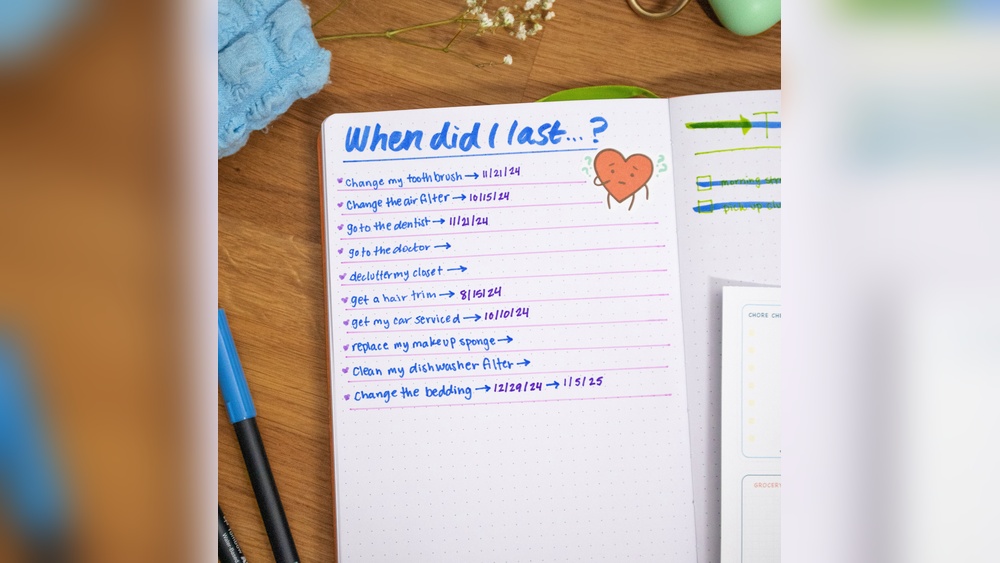
You’ve got an empty notebook staring back at you. What now?
Instead of feeling stuck or overwhelmed, imagine turning that blank space into something exciting, useful, or even life-changing. Whether you want to boost your creativity, organize your life, or simply have fun, the possibilities are endless. You’ll discover fresh and inspiring ideas to fill your empty notebook in ways that truly fit your style and goals.
Ready to transform those blank pages into your next favorite project? Let’s dive in!
Daily To-do Lists
Daily to-do lists help organize your tasks clearly and simply. Writing lists in an empty notebook improves focus and productivity.
Each morning, jot down tasks you want to finish. Crossing off completed tasks gives a sense of achievement.
Why Use A Daily To-do List?
A daily to-do list keeps your mind clear and goals visible. It prevents forgetting important duties and reduces stress.
Using an empty notebook for these lists lets you customize your format. You decide how much space each task needs.
How To Structure Your List
Start with the date at the top of the page. Write down tasks in order of priority.
Include simple checkboxes or bullet points for each item. Leave room for notes or reminders beside tasks.
Tips For Staying Consistent
Set a daily time to write your list, like morning or evening. Keep your notebook somewhere easy to reach.
Review your list at the end of the day. Move unfinished tasks to the next day’s list to stay on track.
Gratitude Journals
Gratitude journals turn empty notebooks into powerful tools for happiness.
Writing what you appreciate daily lifts your mood and mindset.
It helps focus on good things, reducing stress and worry.
How To Start A Gratitude Journal
Choose a quiet time to write each day.
List three to five things you feel thankful for.
Be specific. Instead of “family,” write “a fun dinner with family.”
Keep entries short and simple to stay consistent.
Benefits Of Keeping A Gratitude Journal
It improves mental health by reducing negative thoughts.
Writing gratitude boosts sleep quality and energy levels.
It strengthens relationships by focusing on positive moments.
Daily practice builds a habit of seeing the good around you.
Creative Ideas For Your Gratitude Journal
Add drawings or doodles about your thankful moments.
Use colors to highlight different feelings or events.
Write gratitude letters to people and keep or share them.
Include quotes or affirmations that inspire gratitude.
Travel Logs
Travel logs turn empty notebooks into a treasure chest of memories. They capture the essence of each journey. Writing about places, people, and moments makes trips unforgettable.
Each page offers space to describe sights, sounds, and feelings. Travel logs also help plan future adventures. They inspire creativity and reflection while preserving stories.
Document Daily Experiences
Write about what you did each day during your trip. Include details like meals, weather, and activities. Small moments add depth and color to your travel story.
Sketch Or Paste Memorabilia
Add sketches of landmarks or people you meet. Paste tickets, postcards, or pressed flowers inside. This makes your log visually appealing and personal.
Record Cultural Insights
Note interesting customs, local phrases, or traditions you observe. These details enrich your travel log and deepen your understanding of places.
Track Routes And Maps
Draw simple maps or routes taken each day. Mark special spots or hidden gems. Maps help recall your path and give context to your notes.
Reflect On Personal Growth
Write about how the journey changes your thoughts or feelings. Travel often teaches new lessons. Recording these insights makes your log meaningful.

Credit: passionplanner.com
Dream Records
Dream Records turn your empty notebook into a personal archive of your nighttime adventures. Writing down dreams helps you explore thoughts and feelings. It also improves memory and creativity.
Keeping a Dream Record is simple and rewarding. Just jot down details right after waking up. Even small fragments hold meaning and can inspire your day.
How To Start Your Dream Record
Choose a quiet spot to write. Keep your notebook and pen near your bed. Write the date at the top of the page. Note every detail you remember, no matter how small. Use simple words to describe people, places, and emotions.
Tips For Better Dream Recall
Try to stay still after waking. Close your eyes and recall the dream again. Write quickly before thoughts fade. Use keywords if full sentences feel hard. Review past entries to spot patterns.
Using Dream Records For Creativity
Dreams can inspire stories, poems, or art. Look for unusual images or ideas. Let your imagination flow from the dream themes. Experiment with different styles based on your notes. Your notebook becomes a source of fresh ideas.
Tracking Recurring Dreams And Themes
Mark any repeated dreams with symbols or colors. Write about feelings linked to these dreams. Notice if certain topics come up often. This helps understand your subconscious mind better. Reflect on changes over time in your entries.
Art And Sketchbook
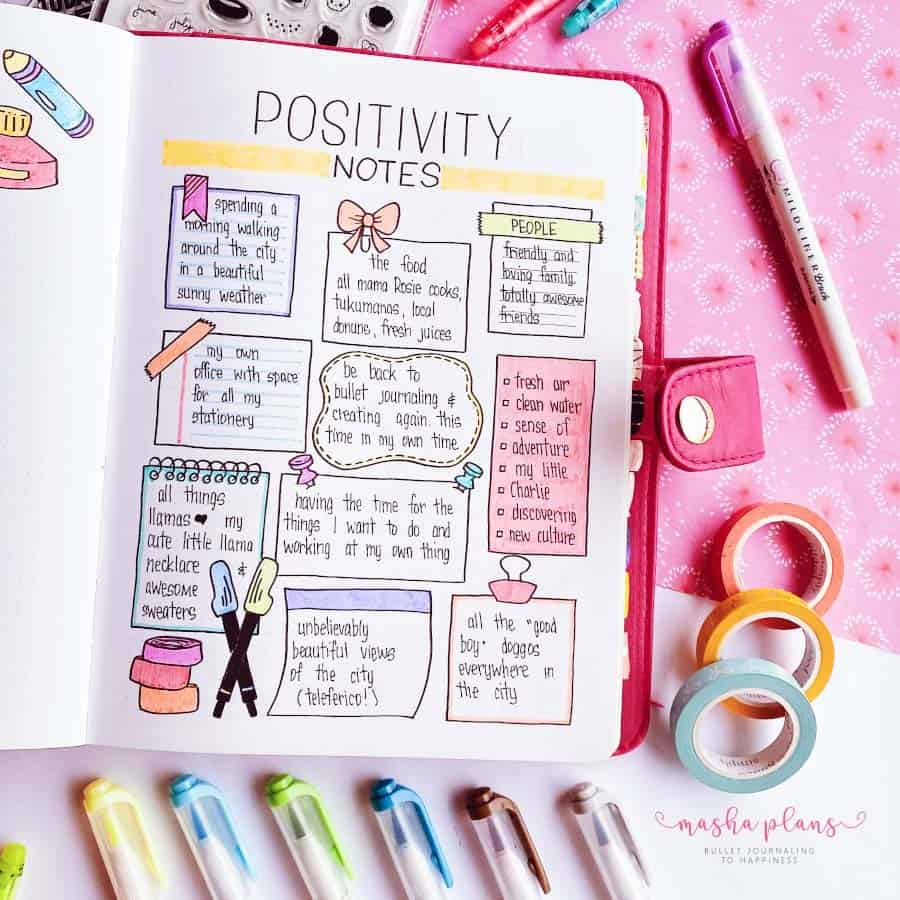
An empty notebook offers endless possibilities for art and creativity. It transforms into a personal sketchbook where ideas take shape. Every blank page invites drawing, doodling, or painting. This space helps artists practice skills and explore new styles. Beginners and pros both find value in filling pages with visual stories.
Using a notebook for art keeps your progress in one place. It’s easy to track improvement over time. Experiment with different pencils, pens, or colors. Sketchbooks also become a place for quick sketches or detailed drawings. The freedom to create without rules makes art notebooks special.
Using Your Notebook As A Sketchbook
Start with simple sketches to warm up your hand. Draw everyday objects or scenes around you. Try different angles and perspectives. This practice builds confidence and skill. Sketchbooks allow you to capture ideas quickly. Carry it everywhere to draw spontaneous moments.
Combining Writing And Drawing
Mix words and images for a creative journal. Write short notes or stories beside your drawings. Use captions to explain your sketches. This method enhances imagination and storytelling. It also helps organize thoughts visually and verbally. Your notebook becomes both an art piece and diary.
Exploring Different Art Techniques
Try new techniques on each page. Experiment with shading, cross-hatching, or stippling. Use watercolors, colored pencils, or ink. Testing methods in a sketchbook improves your versatility. It also reveals which materials you enjoy most. This practice makes your art more dynamic and rich.
Credit: mashaplans.com
Fitness Trackers
Fitness trackers help record daily exercise and health habits. They motivate users to stay active and improve wellness. Using an empty notebook alongside a tracker adds a personal touch.
Writing down fitness data helps notice patterns and progress. It makes goals clearer and achievements visible. A notebook can be a simple, flexible tool for this purpose.
Track Your Workouts
Write the type of exercise and duration each day. Note how you feel before and after workouts. This helps understand what exercises work best for you.
Monitor Your Steps And Distance
Record daily steps and distance walked or run. Compare days to see which are more active. Set small goals to increase your daily numbers over time.
Log Your Sleep Patterns
Fitness trackers often record sleep hours and quality. Write this information in your notebook to spot trends. Better sleep improves energy and fitness results.
Track Your Heart Rate
Note resting heart rate and rates during exercise. This shows your heart health and fitness level. Changes can signal improvement or need for rest.
Set And Review Goals
Use the notebook to set clear, simple fitness goals. Review and update them regularly. Writing goals makes them more real and easier to follow.
Habit Monitoring
Tracking habits helps build consistency and improve daily routines. An empty notebook is perfect for this task.
Writing down habits makes you more aware of your actions. It encourages positive changes and discourages bad habits.
Creating A Habit Tracker
Draw a simple grid with days of the month across the top. List your habits down the side. Mark each day you complete a habit.
This visual helps you see patterns and stay motivated to keep up good habits.
Setting Clear Habit Goals
Write specific goals for each habit. For example, “drink 8 glasses of water” or “read 10 pages.” Clear goals make tracking easier.
Update your notebook regularly to reflect your progress and adjust goals if needed.
Reflecting On Habit Progress
Use your notebook to write short notes about your habit journey. What worked? What was hard? Reflection boosts self-awareness.
Review your notes weekly to understand your habits better and plan next steps.
Recipe Collections
A recipe collection in an empty notebook is a simple, useful idea. It keeps favorite dishes organized in one place. Writing recipes by hand adds a personal touch and makes cooking more fun.
Collect family recipes or new ones to try. Add notes about changes or tips for each dish. This notebook can become a valuable resource over time.
Organizing Recipes By Category
Divide your notebook into sections like appetizers, main courses, and desserts. This helps find recipes quickly. You can use tabs or colored markers for easy access.
Adding Personal Notes And Tips
Write down your own modifications for each recipe. Include cooking times, ingredient swaps, or serving suggestions. These notes make the recipes unique and practical.
Including Photos And Drawings
Paste photos of your dishes or draw simple illustrations. Visuals make the notebook lively and inspiring. They also help remember how the finished dish should look.
Tracking Favorite Recipes
Mark recipes you enjoy the most with stars or stickers. This makes it easy to find go-to meals. You can also note which recipes to share with friends and family.
Bullet Journaling
Bullet journaling is a simple way to organize life in one notebook. It combines planning, notes, and creativity. This method helps track tasks, events, and goals clearly.
It adapts to your needs and grows with you. You can use symbols and short sentences to keep it quick and easy. Each page can look different, making it fun to use.
What Is Bullet Journaling?
Bullet journaling is a system of rapid logging using bullets. It uses dots, dashes, and circles to mark tasks, notes, and events. This system helps you see your day at a glance.
How To Start A Bullet Journal
Begin with an index to keep your pages organized. Number the pages and list their contents in the index. Create daily logs with tasks and notes. Use short bullets to write quickly.
Basic Symbols To Use
Use dots for tasks, circles for events, and dashes for notes. Mark completed tasks with an “X”. Migrate unfinished tasks to the next day with a “>”.
Benefits Of Bullet Journaling
Bullet journaling improves focus and productivity. It reduces stress by keeping all information in one place. You can customize it to fit your style and needs.

Credit: www.erincondren.com
Bucket Lists
Bucket lists fill empty notebooks with dreams and goals. They turn blank pages into a roadmap for adventure and personal growth.
Writing a bucket list helps focus on what truly matters. It makes big dreams feel real and achievable.
Why Start A Bucket List In Your Notebook?
A bucket list keeps your goals in one place. It motivates you to try new things and explore different experiences.
Seeing your wishes on paper makes them easier to remember and plan.
How To Create Your Bucket List
Begin by thinking of places you want to visit. Add skills you want to learn or challenges to overcome.
Write down small and big goals. No goal is too simple or too grand for your list.
Tips For Using Your Bucket List Notebook
Review your list often. Cross off completed items. Add new dreams as they come.
Use different colors or drawings to make it fun. Keep your list positive and inspiring.
Frequently Asked Questions
What Should I Write In My Empty Notebook?
Write daily to-do lists, gratitude entries, travel plans, dream logs, or creative sketches. Track habits, workouts, recipes, or brainstorm ideas. Use it as a bullet journal, meal planner, or a place for personal reflections. Fill pages with goals, affirmations, or inspiring quotes to stay motivated.
How Do You Fill Up Your Empty Notebook?
Fill your empty notebook with daily to-do lists, gratitude entries, travel plans, sketches, or habit trackers. Use it as a bullet journal or creative diary to stay organized and inspired.
How To Use A Blank Notebook As A Planner?
Divide pages into sections for tasks, goals, and schedules. Use dates, bullet points, and colors to organize plans clearly and track progress daily.
What To-do With Half-empty Notebooks?
Use half-empty notebooks for meeting notes, to-do lists, creative doodles, journaling, or testing pens and calligraphy styles.
What Are Creative Ways To Use An Empty Notebook?
Use it for journaling, sketching, planning, tracking habits, or listing goals and ideas.
How Can I Turn An Empty Notebook Into A Planner?
Divide pages by days or weeks, add to-do lists, appointments, and meal plans.
What Should I Write In My Empty Notebook First?
Start with your goals, daily tasks, or a gratitude list to set a positive tone.
Can An Empty Notebook Help With Personal Growth?
Yes, use it for self-reflection, habit tracking, or writing affirmations regularly.
How To Use An Empty Notebook For Travel Journaling?
Record daily experiences, paste tickets or photos, and note places to visit next.
What Are Fun Ideas For Art In An Empty Notebook?
Try doodling, sketching, creating collages, or practicing hand lettering on blank pages.
Conclusion
Empty notebooks hold endless possibilities for creativity and organization. Use them to track habits, plan meals, or jot daily thoughts. Even simple lists can bring clarity and focus to your day. Let your ideas flow freely without limits or pressure.
Each blank page invites new adventures and personal growth. Start small and enjoy the process of filling your notebook. Your empty notebook can become a trusted companion on your journey.