Have you ever wondered how many small businesses are thriving in the United States? If you’re an entrepreneur or thinking about starting your own venture, this information is crucial for understanding the landscape you’re entering.
Small businesses are the backbone of the American economy, and knowing their numbers can help you see where you fit in. You’ll discover the latest statistics and insights about small businesses, their growth trends, and what they mean for you.
Whether you’re a seasoned business owner or just curious, this information will empower you to make informed decisions. Keep reading to uncover the real impact of small businesses in your community and beyond.
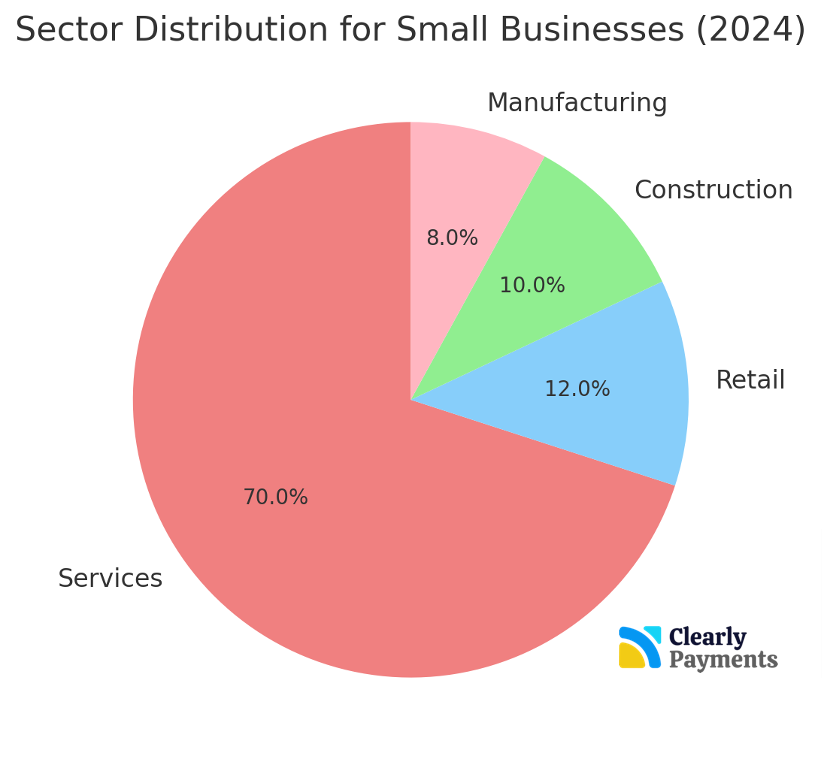
Credit: www.clearlypayments.com
Small Business Landscape
The small business landscape in the United States is vibrant and diverse. With millions of small businesses operating across various sectors, they play a crucial role in driving the economy. Understanding this landscape can help you appreciate the impact of small businesses on your community and beyond.
Current Statistics
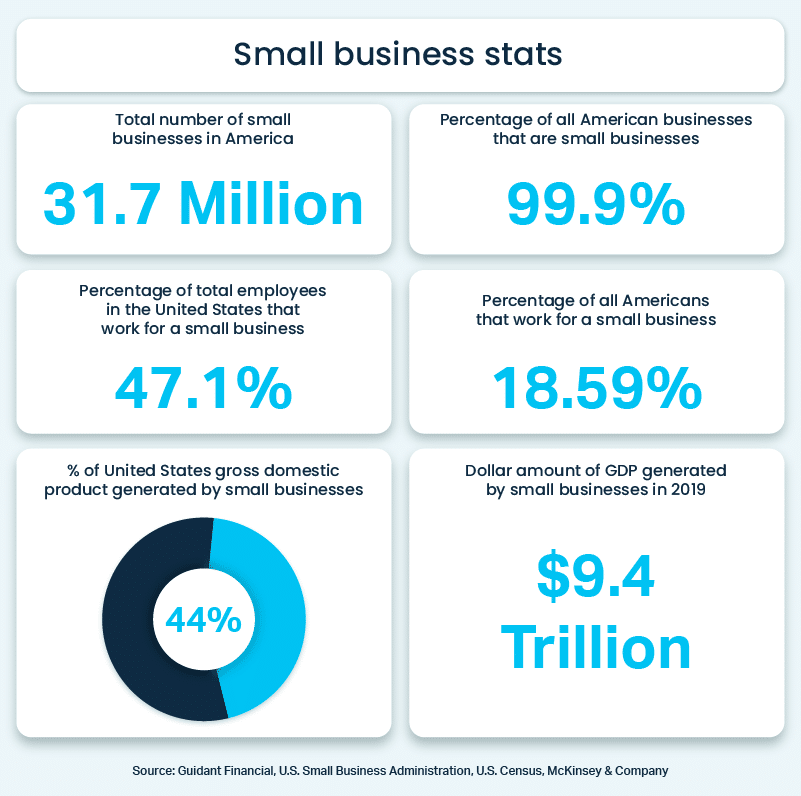
As of 2023, there are approximately 33.2 million small businesses in the United States. These businesses account for about 99.9% of all U.S. businesses. They employ nearly half of the private workforce, showcasing their importance in job creation.
- Small businesses employ around 60 million Americans.
- They generate 44% of U.S. economic activity.
- Most of these businesses have fewer than 100 employees.
Types Of Small Businesses
Small businesses come in all shapes and sizes. You’ll find restaurants, retail stores, service providers, and online ventures. Each type contributes uniquely to the economy.
Consider the local coffee shop you frequent. It not only serves delicious brews but also provides jobs and supports local suppliers. Think about the impact if that shop were to close. Would you miss it?
Challenges Facing Small Businesses
Despite their significance, small businesses face numerous challenges. Limited access to funding, intense competition, and regulatory hurdles can hinder growth. Understanding these challenges can help you navigate your business journey more effectively.
- Access to capital remains a major hurdle.
- Competition from larger corporations can be daunting.
- Staying compliant with regulations takes time and resources.
The Future Of Small Businesses
The future looks promising for small businesses, especially with the rise of e-commerce. Many entrepreneurs are adapting to digital platforms, reaching customers they never could before. This shift opens new doors, but it also requires a willingness to learn and adapt.
Are you ready to embrace the changes in the small business landscape? The opportunities are there if you’re willing to seize them. What steps will you take to ensure your business thrives in this evolving environment?
Defining Small Businesses
Understanding what qualifies as a small business is important. Small businesses play a major role in the U.S. economy. They create jobs and provide services to local communities. But what exactly makes a business “small”?
Size Standards
The U.S. Small Business Administration (SBA) sets specific size standards. These standards vary by industry. They often consider the number of employees or annual revenue. For most businesses, having fewer than 500 employees qualifies them as small.
Types Of Small Businesses
Small businesses come in many forms. They can be sole proprietorships, partnerships, or limited liability companies (LLCs). Each type has its own legal structure. This structure affects how businesses operate and pay taxes.
Industry Variance
Small businesses exist in every industry. Retail, health care, and technology all have small players. Each industry has different size criteria. For example, a small manufacturer may have a different limit than a small retail store.
Importance To The Economy
Small businesses are vital to economic growth. They create nearly half of all jobs in the U.S. They also drive innovation and competition. Many large companies started as small businesses.
Total Number Of Small Businesses
Small businesses are the backbone of the U.S. economy, playing a pivotal role in job creation and innovation. Understanding the total number of small businesses can provide insight into their impact on local communities and the national landscape. Let’s break down these numbers to appreciate their significance.
As of 2023, there are approximately 32.5 million small businesses operating in the United States. This figure represents a staggering 99.9% of all U.S. businesses, showing just how vital small enterprises are to the economy.
Small businesses employ around 60 million people, accounting for nearly half of the private workforce. This means that your local café, boutique, or tech startup is not just a shop; it’s a contributor to your community’s livelihood.
Types Of Small Businesses
Small businesses come in various shapes and sizes. Here’s a quick overview:
- Retail stores
- Service providers (like hair salons and auto shops)
- Food establishments (restaurants, food trucks)
- Online businesses and e-commerce
- Consultancies and freelancers
Each type contributes uniquely to your neighborhood and the economy as a whole. Have you ever considered how your favorite local spot enriches your community?
Growth Trends
The number of small businesses has been steadily increasing. With advancements in technology, many entrepreneurs are launching startups online, making it easier than ever to enter the market.
The rise of the gig economy also plays a significant role in this growth. More individuals are choosing freelance work as a viable career path, which adds to the small business statistics.
Challenges Small Businesses Face
While the numbers are impressive, small businesses encounter numerous challenges. High competition and limited resources can make it difficult to thrive.
Additionally, navigating regulations and securing funding are common hurdles. Have you faced any of these challenges while trying to grow your own small business?
Understanding the total number of small businesses gives you a clearer picture of their importance. Whether you run one or support them as a customer, these enterprises shape our economy and communities in profound ways.
Key Industries For Small Businesses
Small businesses play a big role in the U.S. economy. They create jobs and serve local needs. Many industries thrive with small business models. Understanding these key industries helps us see their impact.
Retail Trade
The retail trade sector is one of the largest. Small shops, boutiques, and online stores are part of this industry. They offer unique products. They create a personal shopping experience. Local retailers foster community ties.
Health Care And Social Assistance
This industry includes clinics, home health care, and childcare services. Many small businesses focus on personal care. They address local health needs. These services are essential for communities. They build trust and long-lasting relationships.
Professional, Scientific, And Technical Services
This sector covers a wide range of services. Small businesses offer consulting, legal, and marketing services. They provide specialized knowledge. They help companies grow and succeed. Many startups rely on these expert services.
Construction
Small businesses are key players in the construction industry. They handle residential and commercial projects. Local contractors build homes and offices. They create jobs and improve neighborhoods. Their work shapes the community landscape.
Accommodation And Food Services
This industry includes restaurants, cafes, and hotels. Small businesses provide unique dining experiences. They reflect local culture and flavors. Many families depend on these establishments. They create a vibrant social scene.
Arts, Entertainment, And Recreation
Small businesses enrich local culture. They include art galleries, theaters, and gyms. These businesses offer creative outlets. They bring people together for fun and enjoyment. They enhance community life.
Employment Contributions
Small businesses play a crucial role in the U.S. economy, especially when it comes to employment. They not only provide jobs for millions of Americans but also contribute to the overall health of the job market. Understanding their employment contributions gives you insight into their significance in our daily lives.
Small Businesses As Job Creators
Small businesses are responsible for a substantial portion of job creation in the United States. According to recent statistics, they create around 1.5 million jobs annually. This means that for every new job that a large corporation opens, several small businesses are working hard to create even more opportunities.
Think about your favorite local cafe or boutique. Each of these establishments not only employs individuals but also boosts the economy by supporting local suppliers and services. This ripple effect showcases how essential small businesses are in fostering employment.
Employment Diversity
Small businesses also contribute to a diverse employment landscape. They employ individuals from various backgrounds, skill levels, and experiences. This diversity enriches the workplace and fosters innovation.
Consider how a small tech startup might hire fresh graduates alongside seasoned professionals. Each employee brings unique skills and perspectives, driving creativity and problem-solving. This blend can lead to groundbreaking ideas that might not emerge in a more homogeneous environment.
Local Economic Impact
When small businesses hire locally, they strengthen their communities. They keep money circulating within the area, benefiting everyone involved. For instance, a local shop will likely purchase supplies from nearby vendors, promoting a thriving local ecosystem.
Have you ever noticed how neighborhood shops become community hubs? They often sponsor local events, support schools, and contribute to charities. This community involvement helps create jobs and foster a sense of belonging.
Challenges In Employment
Despite their contributions, small businesses face significant challenges in hiring. Limited budgets can restrict their ability to offer competitive salaries and benefits. These constraints can make it difficult to attract top talent.
Have you experienced the struggle of finding quality employees for your small business? It’s a common issue. Investing in training and development can help bridge the gap, making your business an attractive option for prospective hires.
Future Of Employment In Small Businesses
As the economy evolves, small businesses must adapt to the changing job landscape. They need to embrace technology and flexible working arrangements. This adaptability will be crucial in attracting and retaining employees.
Do you have a plan for how your business will grow its workforce in the coming years? Preparing for these changes now can set you apart from competitors and secure your place in the market.
Credit: www.nextinsurance.com
Revenue Insights
Understanding revenue insights for small businesses in the United States can provide valuable perspectives. It highlights the financial landscape and helps you gauge where your venture stands. Let’s break down the numbers and see what they reveal.
Annual Revenue Statistics
Small businesses contribute significantly to the U.S. economy. According to the Small Business Administration (SBA), 99.9% of all businesses in the U.S. are classified as small businesses. Collectively, these businesses generate over $1 trillion in annual revenue.
Did you know that about 75% of small businesses earn less than $100,000 a year? This statistic might surprise you, but it emphasizes the importance of understanding your revenue potential. It also suggests that there’s room for growth and innovation.
Revenue By Industry
The revenue generated by small businesses varies widely by industry. Service-oriented businesses, such as salons or consulting firms, often report lower revenues compared to retail and e-commerce ventures.
- Retail businesses average about $500,000 in revenue.
- Professional services can range from $200,000 to over $1 million, depending on specialization.
- Construction and contracting firms often see revenues between $300,000 and $2 million.
Identifying your industry’s benchmarks can help you set realistic revenue goals. Are you on track to meet them? Knowing where you stand can provide clarity and direction.
Impact Of Economic Factors
Economic conditions play a crucial role in small business revenue. During downturns, many small businesses struggle to maintain their income levels. Conversely, in a thriving economy, they often experience growth.
For instance, during the COVID-19 pandemic, many businesses pivoted to online sales, which led to unexpected revenue spikes. Have you considered how external factors might influence your sales strategy?
Strategies For Increasing Revenue
To boost your small business revenue, focus on understanding your customers. Tailor your products or services to meet their needs. This approach fosters loyalty and increases sales.
Additionally, leveraging digital marketing can significantly expand your reach. Social media and email campaigns can attract new customers while keeping existing ones engaged.
Think about your revenue streams. Are there opportunities for upselling or cross-selling? Expanding your offerings can lead to increased income without acquiring new customers.
As you reflect on these insights, consider your current position. What strategies can you implement today to enhance your revenue? Your business’s success depends on your ability to adapt and innovate.
Startup Trends
Startup trends show how small businesses grow and change. Understanding these trends helps new entrepreneurs succeed. Each year brings fresh ideas and different needs. Small businesses adapt to these changes.
In recent years, technology has led the way. Online services and apps are booming. Many startups focus on solving everyday problems. They target specific audiences. This focus helps them stand out.
Rise Of E-commerce
E-commerce continues to grow rapidly. More people shop online than ever before. Small businesses are using this trend to reach customers. They create user-friendly websites and social media pages. This allows for quick sales and easy communication.
Remote Work Solutions
The shift to remote work is significant. Many startups offer tools for remote teams. These tools improve communication and productivity. Businesses need to adapt to this new work style.
Health And Wellness Focus
Health and wellness startups are on the rise. Consumers want better products and services. This trend includes fitness apps, healthy foods, and wellness coaching. Entrepreneurs see opportunity in this growing market.
Sustainable Business Practices
More businesses are becoming eco-friendly. Consumers prefer companies that care for the planet. Startups are adopting sustainable practices. This includes using recycled materials and reducing waste.
Subscription Models
Subscription services are gaining popularity. Customers enjoy the convenience of regular deliveries. Businesses can build a steady income stream. This model works well for various industries.

Credit: sbecouncil.org
Regional Distribution
Small businesses are vital to the U.S. economy. They exist in every state and region. Their distribution varies widely across the country. Some areas have a high concentration, while others have fewer. Understanding this distribution helps us see their impact better.
Small Businesses In The Northeast
The Northeast is home to many small businesses. Cities like New York and Boston lead in numbers. These areas have diverse industries. From tech startups to local shops, the options are vast. This region thrives on innovation and creativity.
Small Businesses In The Midwest
The Midwest has a rich history of small businesses. States like Illinois and Ohio are significant players. Agriculture and manufacturing dominate here. Local farms and factories create many jobs. Community support is strong in these areas.
Small Businesses In The South
The South shows a unique blend of businesses. States like Texas and Florida have many small firms. The hospitality and tourism sectors thrive here. Small businesses cater to both locals and tourists. This region enjoys a warm climate and friendly communities.
Small Businesses In The West
The West is known for its entrepreneurial spirit. California leads with tech and entertainment firms. Small businesses here often focus on innovation. Eco-friendly companies are also on the rise. The diverse landscape supports various industries.
Rural Vs. Urban Small Businesses
Rural areas face different challenges than urban ones. Urban centers have more customers and resources. Rural businesses often rely on local support. They may focus on agriculture and crafts. Each area has its unique strengths and weaknesses.
Impact Of Technology
Technology shapes how small businesses operate in the United States. It can create opportunities for growth, streamline processes, and enhance customer engagement. Understanding its impact helps you stay competitive in today’s fast-paced market.
Access To Information
The internet has transformed how you access information. You can find resources to help your business grow, from market research to industry trends. This information is available at your fingertips, allowing you to make informed decisions quickly.
Take marketing strategies, for instance. Social media platforms offer insights into customer preferences and behaviors. You can adjust your approach based on real-time data, making your campaigns more effective.
Improved Communication
Technology has made communication easier and faster. Tools like email, messaging apps, and video conferencing allow you to connect with customers and team members instantly. This improved communication fosters stronger relationships and enhances collaboration.
Consider how quickly you can resolve customer issues now. A quick message can address concerns that once took days. Fast responses can boost customer satisfaction and loyalty.
Automation Of Tasks
Automation can save you time and reduce errors. Tasks like inventory management, payroll, and customer invoicing can be automated with the right software. This allows you to focus on more strategic aspects of your business.
Imagine using a tool that automatically tracks your sales and inventory levels. You can spend less time on manual tracking and more on growing your business. What tasks could you automate to increase your efficiency?
Cost Efficiency
Technology can lower costs in various ways. Cloud computing, for example, eliminates the need for expensive hardware and maintenance. You can scale your operations without a significant financial burden.
Many small businesses successfully use online platforms for accounting and customer relationship management. These tools often offer subscription models, making them accessible regardless of your budget. How much could you save by switching to digital solutions?
Broader Market Reach
With technology, your customer base is no longer limited to your local area. E-commerce platforms allow you to sell products nationwide or even internationally. You can tap into markets that were once out of reach.
Have you considered how an online store could expand your sales? Many small businesses report increased revenue from online channels. Embracing e-commerce could be a game-changer for your business.
Technology is not just a tool; it’s a powerful ally for small businesses. By leveraging its benefits, you can enhance your operations and drive growth. What steps will you take to integrate technology into your business strategy?
Challenges For Small Businesses
Small businesses face many challenges. These hurdles can make or break their success. Understanding these issues is crucial for owners and aspiring entrepreneurs.
From finances to competition, small businesses navigate a tough landscape. Many factors can hinder growth and stability.
Financial Struggles
Money is a primary concern for small businesses. Many owners struggle to secure funding. High costs can limit expansion opportunities.
Cash flow problems often arise. Late payments from customers create financial stress. This issue affects daily operations and long-term plans.
Competition
Small businesses compete with larger companies. Big brands often have more resources. They can offer lower prices and better marketing.
This competition makes it hard for small businesses to stand out. Unique selling points are essential for attracting customers.
Regulatory Challenges
Small businesses must comply with various regulations. These rules can be complex and time-consuming. Understanding them requires effort and resources.
Failure to comply can result in fines or legal issues. Staying informed about changes is crucial for success.
Technology Adaptation
Technology is always changing. Small businesses must keep up to stay relevant. This can be challenging for those with limited technical skills.
Investing in new technology can be costly. Yet, not adapting can lead to losing customers.
Hiring And Retaining Employees
Finding the right talent is often difficult. Small businesses compete with larger firms for employees. They may struggle to offer competitive salaries and benefits.
Employee retention is another challenge. High turnover can disrupt operations and lead to increased costs.
Government Support Programs
Government support programs help many small businesses thrive in the United States. With over 30 million small businesses, these initiatives provide funding, training, and resources. They play a vital role in fostering growth and stability in the economy.
Government support programs play a crucial role in the success and growth of small businesses in the United States. These initiatives provide essential resources, funding, and guidance to entrepreneurs, helping them navigate the challenges of starting and maintaining a business. Understanding these programs can empower you to take advantage of the support available to you.Types Of Government Support Programs
Numerous programs exist to help small businesses thrive. Here are some key types:- Grants:These are funds that do not need to be repaid. They can be used for specific projects or general business expenses.
- Loans:Low-interest loans from government agencies can provide the capital you need to start or expand your business.
- Training and Workshops:Many organizations offer free or low-cost training sessions to develop your skills in various business areas.
- Consultation Services:Access to expert advice can help you make informed decisions and avoid common pitfalls.
How To Access Government Support Programs
Navigating government programs can feel overwhelming. Start by visiting websites like the Small Business Administration (SBA) or your local chamber of commerce. These resources often have detailed information on available programs. Consider applying for grants or loans that align with your business goals. Be prepared with a solid business plan, as this will significantly enhance your chances of receiving funding. Networking with other small business owners can also provide insights into which programs are most beneficial. Have you heard of any programs that helped others in your community?Success Stories
Real-life examples highlight the impact of government support programs. A friend of mine opened a bakery in a small town. She utilized an SBA loan to purchase equipment and a grant to market her business. Thanks to these programs, her bakery quickly became a local favorite, demonstrating how targeted support can lead to success. Your journey could be similar with the right resources.Challenges Of Government Support Programs
While these programs are beneficial, challenges can arise. The application process for grants and loans can be competitive and time-consuming. Sometimes, the requirements may feel daunting, and it can be difficult to keep track of deadlines. Staying organized and seeking help from mentors can make a difference. Are you ready to tackle these challenges head-on? The rewards can be well worth the effort.Future Of Small Businesses
The future of small businesses in the United States looks promising. Changes in technology create new opportunities. More people are starting their own businesses. This trend continues to grow every year.
Embracing Technology
Small businesses are adopting technology quickly. Online sales are becoming common. Many shops now have websites and social media pages. This helps them reach more customers.
Focus On Sustainability
Customers care about the environment. Small businesses are responding. Many are choosing eco-friendly practices. This attracts more customers who value sustainability.
Changing Consumer Preferences
Consumers want personalized experiences. Small businesses can offer this. They can connect with customers on a personal level. This builds loyalty and trust.
Remote Work Opportunities
Remote work is here to stay. Small businesses can hire talent from anywhere. This opens up a larger talent pool. It also reduces costs for physical spaces.
Community Support
People want to support local businesses. Community ties are strong. Small businesses often play a key role in local economies. They create jobs and foster connections.
Access To Funding
More funding options are available. Grants and loans for small businesses are increasing. This helps entrepreneurs start and grow their ventures.
Frequently Asked Questions
How Many Small Businesses Exist In The U.s.?
As of 2023, there are approximately 32. 5 million small businesses in the United States. These enterprises represent 99. 9% of all U. S. businesses. They employ around 61 million people, making a significant contribution to the economy. Small businesses are essential for innovation and job creation across various sectors.
What Defines A Small Business In The U.s.?
In the United States, a small business is typically defined by the Small Business Administration (SBA) as an enterprise with fewer than 500 employees. However, the specific definition can vary by industry. Revenue thresholds may also apply, depending on the sector.
Generally, small businesses are independently owned and operated.
What Percentage Of U.s. Businesses Are Small?
Small businesses comprise about 99. 9% of all U. S. businesses. This immense percentage highlights their vital role in the American economy. They contribute significantly to job creation and innovation. In fact, small businesses create about two-thirds of new jobs annually.
How Many Employees Do Small Businesses Have?
Small businesses in the U. S. employ nearly 61 million people. This accounts for approximately 47% of the private workforce. These employees work in various sectors, including retail, services, and manufacturing. Small businesses are crucial for providing diverse employment opportunities across the country.
Conclusion
Small businesses play a vital role in the U. S. Economy. They create jobs and drive innovation. Knowing the number of small businesses helps us understand their impact. There are millions across various industries. Each one contributes to local communities and the economy.
Supporting these businesses strengthens our economy and fosters growth. Every small business has a story and a purpose. Let’s continue to support and celebrate them. Their success is our success.
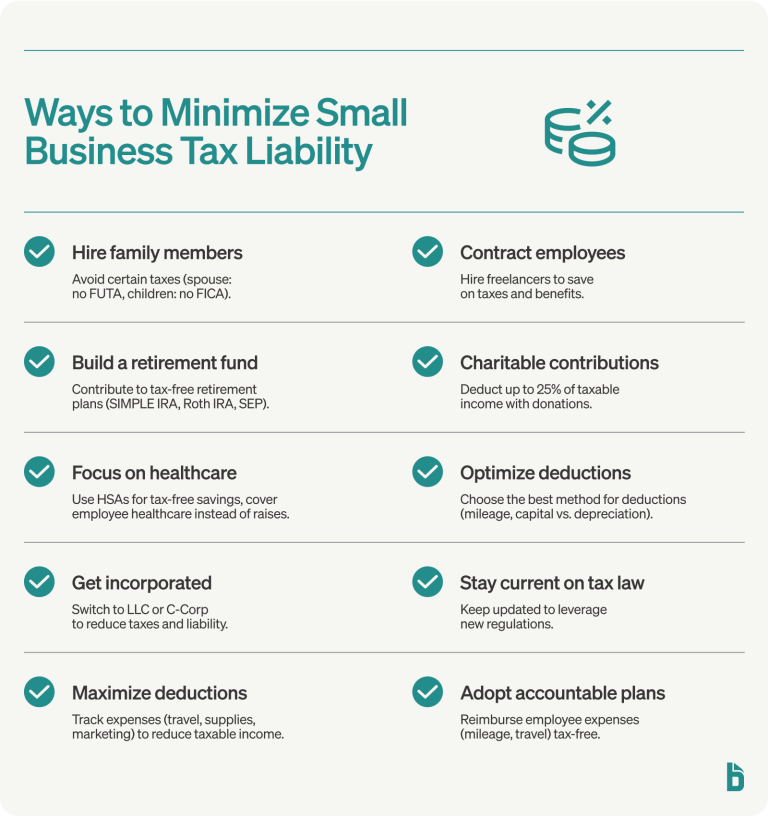 How to Avoid Taxes As a Small Business Owner: Legal Strategies
 What is the Meaning of Small Business Entrepreneurship: Explained
 What to Do If a Small Business Scams You: Essential Steps