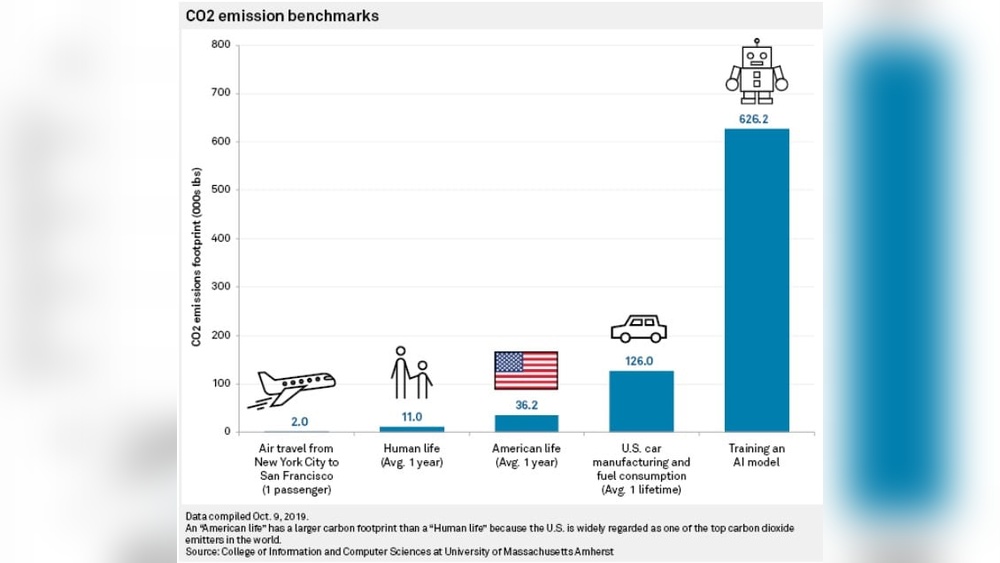
Have you ever wondered what happens behind the scenes every time you use AI tools like ChatGPT or voice assistants? While AI feels like magic, powering your daily tasks effortlessly, it actually consumes a huge amount of energy and resources.
This hidden cost affects the environment more than you might expect. From massive data centers guzzling electricity and water to the mining of rare minerals needed for AI hardware, your AI usage has a real environmental footprint. If you care about the planet and want to understand how your tech habits contribute to environmental problems, keep reading.
This article will reveal the surprising ways AI harms the environment—and what you can do about it.
Energy Consumption By Ai
Artificial intelligence (AI) requires a lot of power to function. The energy it consumes comes mainly from data centers, large facilities filled with servers that run AI programs. These centers work around the clock, using vast amounts of electricity. This energy use leads to a significant environmental footprint.
AI models, especially those used for deep learning, need heavy computing power during their training phase. Training involves running many calculations over weeks or months. This process demands high energy and contributes to increased carbon emissions.
Energy Use During Ai Training
Training AI models can use as much energy as several homes do in a year. The larger the model, the more energy it consumes. Some AI training requires thousands of graphics processing units (GPUs) working simultaneously. This intense energy demand causes a rise in greenhouse gas emissions, which harm the environment.
Energy Use For Running Ai Systems
After training, AI systems keep running to serve users. Each time someone uses an AI app, servers consume electricity. Although each query uses less energy than training, the total energy adds up with millions of users. This continuous energy demand increases the carbon footprint of AI services.
Impact Of Data Centers On Energy Consumption
Data centers are the backbone of AI technology. These facilities require constant cooling to prevent overheating. Cooling systems use a large share of the total energy. In some cases, energy for cooling equals or exceeds the energy used by servers themselves.
Efforts To Reduce Ai Energy Use
Companies and researchers work on making AI more energy-efficient. New algorithms reduce the number of calculations needed. Some data centers switch to renewable energy sources like solar or wind. These steps help lower the environmental impact, but AI’s energy consumption remains a concern.
Credit: tuta.com
Carbon Emissions From Ai Training
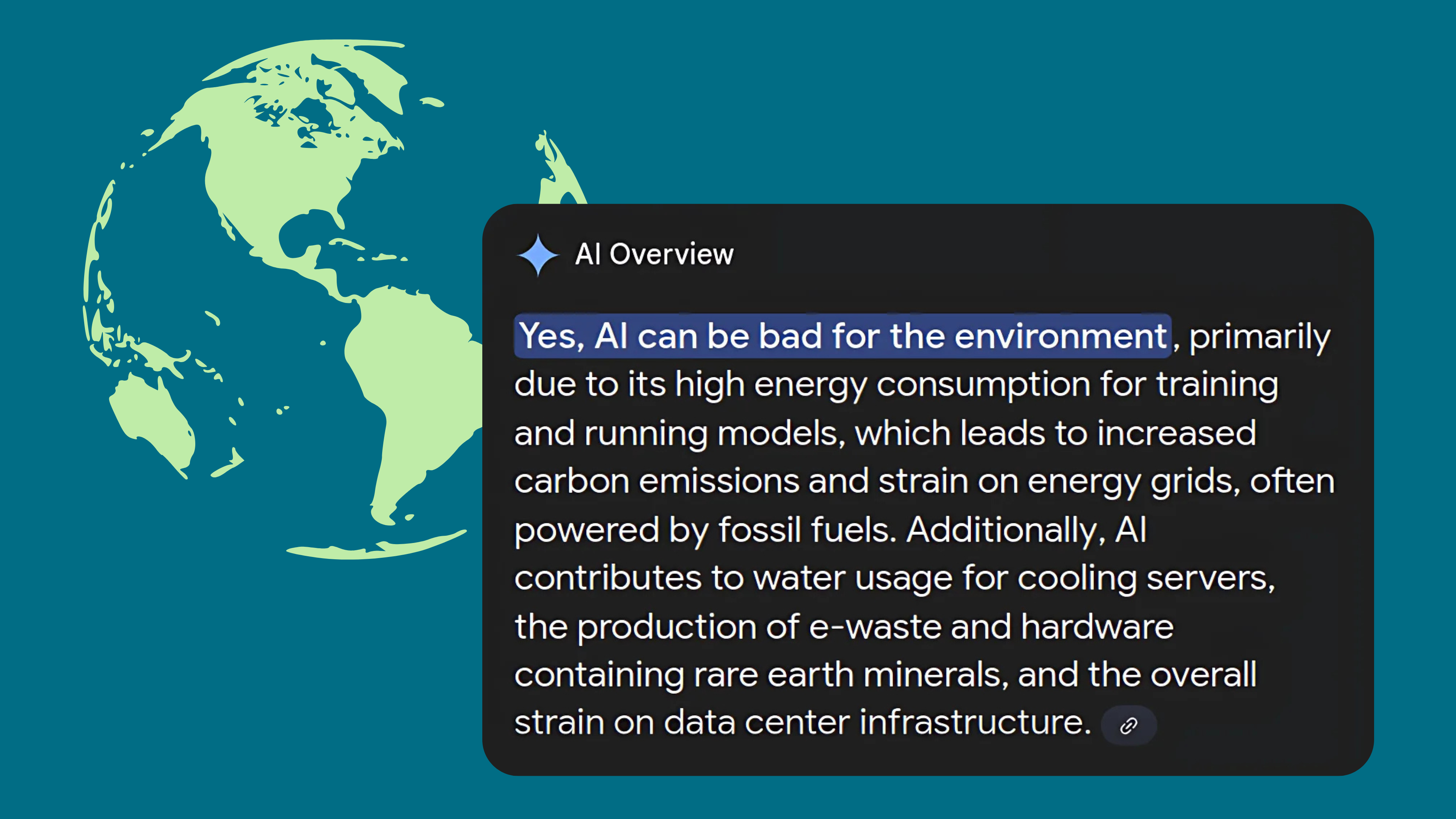
Training artificial intelligence models requires vast amounts of computational power. This process consumes huge energy, mostly from electricity generated by fossil fuels. The result is a significant release of carbon dioxide into the atmosphere. These carbon emissions contribute to global warming and climate change.
AI training involves running complex calculations on large servers for days or weeks. These servers operate in data centers that consume massive energy to keep running and cool the equipment. The more complex the AI model, the higher the energy demand and carbon footprint.
Energy Consumption In Ai Model Training
Training a single AI model can use as much energy as several homes use in a year. This energy mainly comes from coal, natural gas, and other non-renewable sources. Data centers run powerful GPUs and CPUs continuously during training, which increases electricity consumption. The energy cost grows with the size of the AI model and the amount of training data.
Carbon Footprint Of Ai Training
The carbon footprint measures the total greenhouse gases released during AI training. Studies show some AI models emit as much carbon as five cars do in their lifetime. These emissions add to the global carbon budget, making climate goals harder to achieve. Carbon emissions from AI are often overlooked but are a growing environmental concern.
Impact Of Data Center Cooling
Data centers need cooling systems to prevent overheating of servers. Cooling systems consume extra energy, sometimes equal to the energy used by the servers themselves. Many data centers use water-intensive cooling, which strains local water resources. This indirect energy use increases the total carbon emissions linked to AI training.
Water Usage In Data Centers
Data centers are the backbone of AI technology. They store and process huge amounts of information. These centers need constant cooling to prevent overheating. Cooling systems often use large volumes of water. This water usage can put stress on local water supplies.
Water is vital for data center operations. Without proper cooling, servers can fail. Many data centers rely on water-based cooling techniques. This method is more energy-efficient but demands significant water resources. The growing number of data centers increases water consumption worldwide.
How Data Centers Use Water For Cooling
Data centers use water mainly to cool their equipment. They circulate water through cooling towers and pipes. The water absorbs heat from servers and releases it outside. This process keeps equipment running smoothly. Cooling towers evaporate water, leading to high water loss.
Impact On Local Water Resources
Data centers can drain local water supplies, especially in dry regions. High water use competes with community needs like farming and drinking water. Some areas face water shortages partly due to these demands. Water scarcity can worsen as data centers grow.
Efforts To Reduce Water Consumption
Some data centers adopt new cooling methods to save water. Techniques include using recycled water or air cooling systems. Innovations aim to balance cooling needs with water conservation. Reducing water use helps protect local ecosystems and communities.
Credit: libguides.ecu.edu
Electronic Waste From Ai Hardware
Electronic waste from AI hardware is a growing environmental concern. AI systems depend on powerful machines like servers and GPUs. These devices become outdated quickly as technology advances. Disposing of old AI hardware creates large amounts of electronic waste.
This waste often contains harmful materials like lead, mercury, and cadmium. When not recycled properly, these substances can pollute soil and water. The rapid growth of AI increases the demand for new hardware. This cycle adds to the pile of discarded electronics worldwide.
High Turnover Of Ai Devices
AI hardware has a short lifespan. New models with better performance appear every year. Companies replace older devices to keep up with AI’s needs. This high turnover leads to more electronic waste. Many old devices end up in landfills or are improperly recycled.
Toxic Components In Ai Hardware
AI machines contain toxic metals and chemicals. These materials pose risks when hardware breaks down. They can leak into the environment, harming wildlife and humans. Safe disposal and recycling are critical but not always followed. This increases pollution and health hazards around disposal sites.
Challenges In Recycling Ai Equipment
Recycling AI hardware is complex and costly. Specialized processes are needed to recover valuable metals. Many recycling centers lack the technology to handle this waste properly. This causes much of the electronic waste to remain untreated. Better recycling methods are needed to reduce environmental damage.
Environmental Impact Of Mining For Ai Hardware
Creating AI hardware requires rare metals from mining. Mining disrupts ecosystems and uses large amounts of water. It also generates waste and pollution. As AI demand grows, mining activities increase. This leads to further environmental degradation and resource depletion.
Mining For Critical Minerals
Mining for critical minerals drives the production of AI hardware. These minerals power processors, memory chips, and batteries essential for AI systems.
The extraction process consumes large amounts of energy and water. It also causes land degradation and pollution in mining areas.
Demand for minerals like cobalt, lithium, and rare earth elements grows as AI expands. This increases environmental pressure on mining sites worldwide.
Energy Use In Mineral Extraction
Mining requires heavy machinery that runs on fossil fuels. This leads to high carbon emissions and contributes to climate change.
Electricity for processing minerals often comes from non-renewable sources. This adds to the environmental footprint of AI technology.
Water Pollution And Scarcity
Mining operations release toxic chemicals into nearby water bodies. These chemicals harm aquatic life and contaminate drinking water.
Water use in mining reduces availability for local communities. This causes conflicts and worsens water scarcity in some regions.
Habitat Destruction And Biodiversity Loss
Mining clears forests and disrupts ecosystems. This threatens wildlife habitats and causes loss of biodiversity.
Restoring mined land is difficult and takes many years. Often, damage to the environment is permanent or very slow to heal.
Human Health And Social Impact
Mining exposes workers and nearby residents to harmful dust and chemicals. This leads to respiratory and other health problems.
Mining can displace communities and affect indigenous peoples’ lands. Social tensions and economic inequality may rise in mining regions.
Impact On Water-scarce Regions
Artificial intelligence (AI) relies heavily on data centers that require vast resources. One critical resource is water, used mainly for cooling these centers. In regions where water is already scarce, this demand causes serious problems. The impact on water-scarce regions is a growing environmental concern linked to AI technology.
Data centers run continuously to support AI operations. They generate a lot of heat, needing constant cooling to avoid damage. This cooling process uses millions of gallons of water each year. In dry areas, this water use competes with local needs for drinking, farming, and sanitation.
Water Use In Cooling Data Centers
AI data centers use water-based cooling systems to stay operational. These systems draw from local water supplies. In places with limited water, this can drain rivers, lakes, or underground aquifers. It reduces water availability for communities and wildlife. The high water demand also raises costs and stresses local infrastructure.
Effects On Local Communities
Communities near AI facilities face water shortages and increased bills. Farmers struggle to irrigate crops, leading to lower food production. Families may have less clean water for daily needs. This situation can worsen poverty and health problems. Water scarcity also causes conflicts over resources, harming social stability.
Environmental Consequences
Removing large amounts of water harms ecosystems. Wetlands dry up, and aquatic life suffers. Plants and animals that depend on water become endangered. Soil quality can decline, increasing erosion and desertification risks. These changes reduce biodiversity and damage the natural balance.
Efficiency Improvements In Ai
Efficiency improvements in AI aim to reduce the energy and resources AI systems use. These improvements target faster processing and smarter designs. They help lower costs and energy waste.
Despite these gains, efficiency improvements also bring challenges for the environment. More efficient AI can lead to increased use and demand. This growth sometimes cancels out the energy savings.
Optimized Algorithms And Energy Use
New AI algorithms use less energy to complete tasks. They reduce the number of calculations needed. This lowers power consumption during training and operation.
Still, as AI becomes more efficient, companies run larger models. This leads to higher total energy use. Efficiency alone does not stop growing carbon emissions.
Hardware Advances And Environmental Costs
Better chips and hardware make AI faster and more efficient. These advances cut energy use per operation. They also extend the life of devices.
Producing advanced hardware requires mining rare minerals. Mining harms ecosystems and uses water. The environmental cost of hardware production remains high.
Rebound Effect On Resource Consumption
Efficiency often causes the rebound effect. People use more AI because it costs less energy. This increases total demand for AI services.
More AI use means more data centers and power consumption. The net effect may be a rise in environmental impact. Efficiency gains alone are not enough to reduce harm.
Renewable Energy For Ai Systems
AI systems use massive energy, often from fossil fuels, increasing carbon emissions and harming the environment. Data centers also consume large amounts of water, straining resources in dry regions. Using renewable energy can reduce this environmental damage significantly.
AI systems require vast amounts of electricity to operate. Most AI data centers rely on power from fossil fuels. This contributes to pollution and climate change. Using renewable energy can reduce the environmental damage.
Renewable sources like solar, wind, and hydroelectric power produce clean energy. They do not emit greenhouse gases during operation. Shifting AI systems to renewable energy can lower carbon footprints significantly.
Solar Power For Data Centers
Solar energy is one of the fastest-growing renewable sources. Data centers can install solar panels on their roofs or nearby land. This provides a steady supply of clean electricity. Solar power reduces reliance on coal and gas plants.
Many AI companies invest in solar projects to power their servers. This move cuts harmful emissions and supports sustainable energy growth. Solar power also helps stabilize energy costs over time.
Wind Energy Benefits
Wind turbines convert wind into electricity without pollution. Large wind farms can supply energy to AI data centers. Wind energy is abundant in many regions around the world. It offers a reliable and scalable power source.
Using wind energy lowers the carbon footprint of AI operations. This helps protect ecosystems and reduces air pollution. Wind power creates jobs in green energy sectors too.
Challenges Of Renewable Energy Integration
Renewable energy sources depend on weather conditions. Solar and wind can be intermittent and less predictable. AI data centers need constant power to function smoothly. Energy storage and smart grids are vital solutions.
Costs for renewable infrastructure and storage remain high in some areas. Transitioning fully to renewables takes time and planning. Yet, the long-term benefits for the environment are worth the effort.
Corporate Responsibility In Ai
Corporate responsibility in AI focuses on how companies manage the environmental impact of their AI technologies. Businesses play a key role in reducing the carbon footprint of AI systems. Their choices affect energy use, resource consumption, and waste generation.
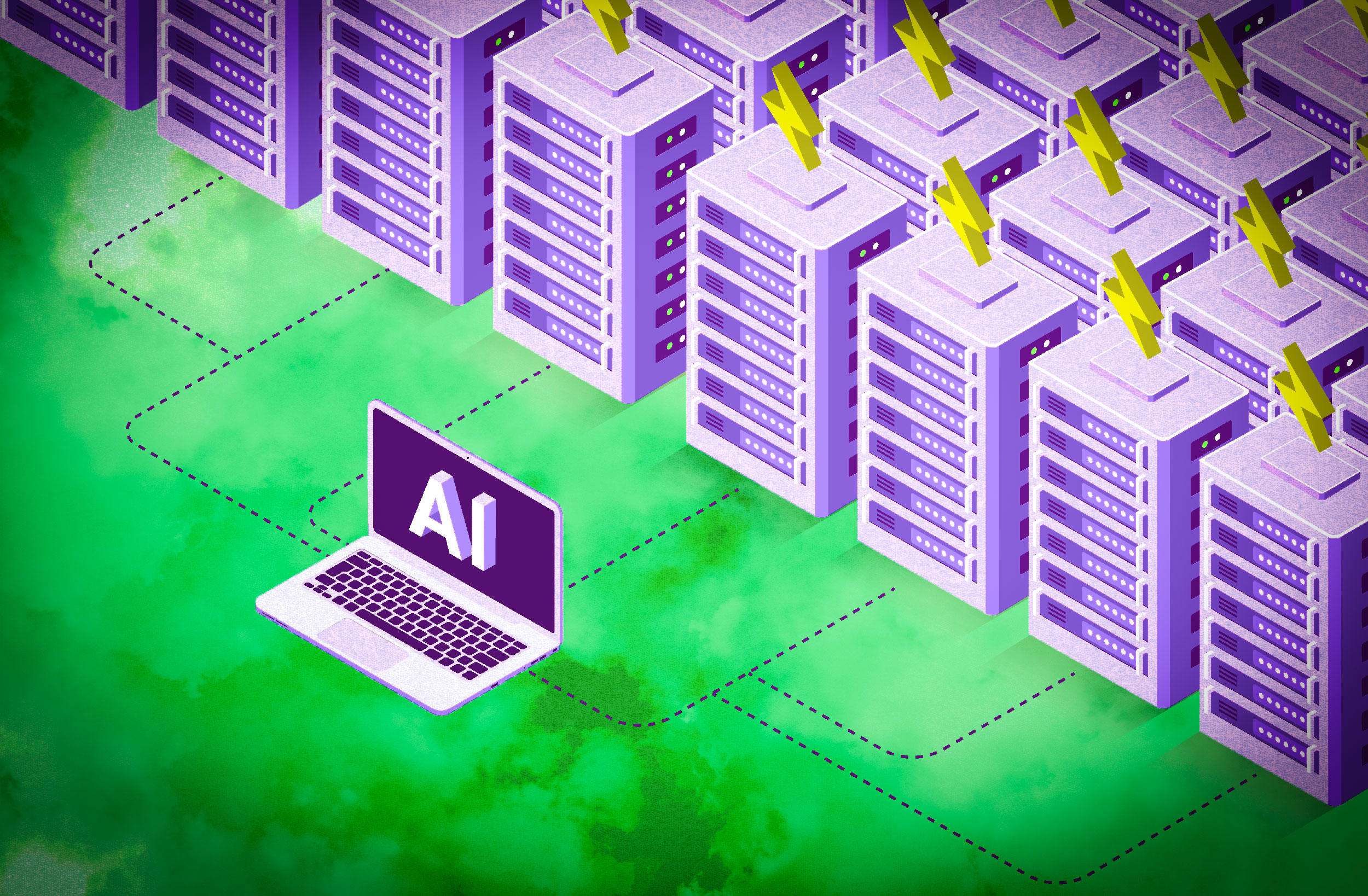
Many corporations run large data centers to support AI. These centers consume huge amounts of electricity and water. Without careful management, this leads to high carbon emissions and environmental damage. Companies must act to minimize these effects.
Energy Use And Emissions
AI training and operations require powerful computers. These computers run continuously, using vast amounts of electricity. Most data centers still rely on fossil fuels for power. This causes significant carbon emissions that contribute to climate change. Companies need to switch to renewable energy sources.
Water Consumption In Data Centers
Data centers use water for cooling their machines. This water use is very high in some locations. In areas facing water shortages, this worsens the problem. Corporations must find ways to reduce water use or recycle water in their facilities.
Resource Extraction And E-waste
AI hardware depends on rare minerals mined from the earth. Mining these materials often harms ecosystems and communities. After use, AI hardware becomes electronic waste. Many companies fail to recycle or dispose of this waste properly. Responsible sourcing and recycling are essential to reduce harm.
Transparency And Reporting
Companies must report their AI environmental impact openly. Transparency helps consumers and regulators hold them accountable. Clear data on energy use, emissions, and waste encourages better practices. Businesses that share this information show true responsibility.
Investing In Sustainable Ai
Some corporations invest in greener AI technologies. These include energy-efficient algorithms and hardware. Others support renewable energy projects to power their data centers. Such investments reduce environmental harm and set positive examples for the industry.
Credit: news.mit.edu
User Role In Reducing Footprint
The role of users is vital in reducing AI’s environmental footprint. Every interaction with AI systems contributes to energy use and resource consumption. Users can make small changes that add up to big benefits for the planet.
Understanding how daily AI use affects the environment helps users act responsibly. Awareness encourages smarter choices in AI consumption and supports sustainability efforts.
User Awareness And Responsible Usage
Users should be aware of the energy needed to run AI services. Limiting unnecessary AI queries reduces demand on data centers. Using AI tools only when needed lowers overall energy consumption.
Choosing Sustainable Ai Platforms
Selecting AI providers that use renewable energy cuts carbon emissions. Many companies now power data centers with green energy sources. Supporting these platforms encourages wider adoption of clean energy.
Adjusting Ai Settings And Preferences
Users can adjust settings to reduce AI processing time. Lowering the quality or frequency of AI responses saves energy. Customizing AI use to fit actual needs prevents waste.
Promoting Digital Minimalism
Reducing digital overload helps minimize AI’s environmental impact. Fewer automated tasks and simpler AI tools lower resource use. Digital minimalism creates a balance between technology and sustainability.
Advocating For Transparent Ai Practices
Users can demand clearer information on AI’s environmental costs. Transparency pushes companies to improve sustainability measures. Informed users drive change by choosing eco-friendly AI solutions.
Frequently Asked Questions
How Does Artificial Intelligence Harm The Environment?
Artificial intelligence harms the environment through high energy use, causing carbon emissions and water consumption. Data centers rely on rare minerals and unsustainable mining. Large-scale AI use increases electronic waste and strains water resources, contributing significantly to environmental degradation.
How Bad Is Chatgpt Really For The Environment?
ChatGPT consumes significant energy and water, contributing to carbon emissions and resource use. Its growing scale increases environmental impact. Efforts focus on efficiency and greener energy to reduce harm.
What Are 5 Disadvantages Of Ai?
Five disadvantages of AI include high energy consumption, job displacement, privacy risks, biased decisions, and high development costs.
What Are Three Reasons Why Ai Is Bad?
AI harms the environment by consuming vast energy, causing high carbon emissions. It uses large water amounts for cooling data centers. AI relies on mining rare minerals, often unsustainably extracted.
What Makes Ai Harmful To The Environment?
AI uses huge energy and water resources, causing pollution and resource depletion.
How Does Ai Increase Carbon Emissions?
AI requires powerful servers that run on electricity from fossil fuels, raising carbon output.
Why Do Ai Data Centers Consume So Much Water?
Water cools servers in data centers, leading to high water use, especially in dry areas.
What Is Electronic Waste From Ai Technology?
Old AI hardware becomes e-waste, which pollutes land and water if not recycled properly.
How Do Ai Operations Affect Rare Mineral Mining?
AI hardware needs rare minerals, often mined unsustainably, damaging ecosystems and communities.
Can Ai Energy Use Worsen Climate Change?
Yes, heavy AI energy demand boosts greenhouse gases, accelerating global warming trends.
Conclusion
AI technology demands huge energy and water resources daily. These needs increase carbon emissions and strain water supplies. Mining rare minerals for AI hardware harms ecosystems and communities. Data centers consume vast water amounts, worsening shortages in dry regions. Efforts to improve AI efficiency and use green energy help reduce harm.
Still, the rapid growth of AI poses ongoing environmental challenges. Responsible use and better technology remain crucial to protect our planet. Small changes today can lead to a healthier environment tomorrow. The future depends on balancing AI benefits with its environmental costs.