Are you curious about whether a company qualifies as a small business? Understanding the difference can impact your purchasing decisions, job opportunities, and even your community.
Small businesses play a vital role in our economy, but not all companies fit that definition. You’ll discover key indicators that help you identify a small business. We’ll break down the criteria, share real-life examples, and provide tips on what to look for.
By the end, you’ll have a clear understanding of what makes a company a small business—and why it matters to you. Let’s dive in!
Legal Definitions
Understanding the legal definitions that categorize a business as a small enterprise is crucial. These definitions can vary by country and even within different regions. Knowing these specifics helps you identify whether a company truly fits the small business mold.
Small Business Administration (sba) Definition
The Small Business Administration (SBA) is a key authority in the United States. It defines small businesses based on industry standards, often using employee count or annual revenue as benchmarks.
- Manufacturing: Up to 500 employees
- Retail: Up to $7.5 million in average annual receipts
- Service: Generally up to $7 million in average annual receipts
These criteria help you determine if a business qualifies as small according to federal guidelines. It’s important to check the specific criteria for the industry that interests you.
State And Local Definitions
State and local definitions can differ significantly from the SBA’s. Many states have their own programs and criteria for identifying small businesses.
For example, California may set different revenue limits than Texas. Always look into local laws if you’re considering supporting or partnering with a business.
Industry-specific Guidelines
Different industries may have unique thresholds for what constitutes a small business. The definitions can vary based on the type of services offered or products sold.
In agriculture, a small farm might be defined as one with less than $1 million in annual sales. Understanding these nuances helps you evaluate businesses more accurately.
Financial Considerations
Revenue is a major factor in defining a small business, but it’s not the only one. Profit margins, debt levels, and overall financial health also play a role.
Consider how a business’s finances affect its operations. A company with substantial debt may struggle despite having a large revenue stream.
Impact On Community
Small businesses often have a unique role in their communities. They contribute to local economies, create jobs, and foster relationships.
Ask yourself how you define a small business. Is it just about numbers, or do you also consider community impact and relationships?
Understanding these legal definitions not only helps you identify small businesses but also enriches your perspective on their importance in the economy. Your awareness can lead to more informed choices, whether you’re a consumer or a business owner.
Credit: www.jefferson-bank.com
Employee Count
Understanding the employee count of a company is crucial in determining if it qualifies as a small business. The number of employees can reveal a lot about a company’s structure, culture, and capacity. Let’s break down how employee count plays a pivotal role in identifying small businesses.
Why Employee Count Matters
Employee count is often a defining factor in classifying a business as small or large. Organizations with fewer employees typically have more flexibility and can adapt quickly to changes. This agility can lead to innovation and a closer connection with customers.
Small Business Administration (sba) Standards
The Small Business Administration (SBA) has set specific guidelines regarding employee counts. According to the SBA, a small business can have up to 500 employees, depending on the industry. This means that even a company with 300 employees can still be considered small in certain sectors.
Industry Variations
Not all industries have the same thresholds for employee counts. For instance, a manufacturing company may be classified as small with 500 employees, while a retail business might only qualify with 100. Always check the specific standards relevant to the industry you’re curious about.
Real-world Examples
Take a local bakery, for example. With just 10 employees, it thrives on community support and personal touch. This small workforce allows the owner to maintain quality and foster relationships with customers.
On the other hand, a tech startup with 50 employees may also fall into the small business category. Here, the focus is often on innovation and rapid growth, showcasing how employee count can vary widely across sectors.
Why You Should Care
Understanding whether a company is a small business can affect your purchasing decisions and partnerships. Do you prefer supporting local businesses or larger corporations? Knowing the employee count helps you align your values with your choices.
Next time you’re evaluating a company, consider its employee count. It’s not just a number; it’s a window into the company’s identity and operational style. What does the employee count say to you about a business?
Revenue Thresholds
Revenue thresholds help define small businesses. Typically, a company qualifies as small if its annual revenue is below a certain limit. This limit varies by industry and location, making it essential to check local guidelines for accurate classification.
Understanding revenue thresholds is essential for identifying whether a company qualifies as a small business. These thresholds vary by industry and can significantly impact a company’s classification. Knowing these numbers can help you assess the size and scope of a business more accurately.What Are Revenue Thresholds?
Revenue thresholds refer to the maximum annual revenue a company can earn to still be considered a small business. The Small Business Administration (SBA) sets these thresholds based on industry standards. In many sectors, a company with annual revenue of $1 million to $40 million can still be classified as a small business.Why Do Revenue Thresholds Matter?
Revenue thresholds are crucial for accessing funding, grants, and contracts. Many programs specifically target small businesses, providing opportunities that larger companies cannot access. For instance, if you own a bakery that generates $2 million a year, you may qualify for grants that support small food businesses.Identifying Your Industry’s Threshold
Each industry has its specific revenue threshold. You can find detailed information on the SBA’s website, which categorizes businesses by industry. Knowing your industry’s threshold can guide you in determining your business’s status.- Retail: Up to $8 million
- Construction: Up to $39.5 million
- Manufacturing: Up to 1,000 employees or $41.5 million
How To Calculate Your Revenue
Calculating your annual revenue is straightforward. Add up your total sales and income from all sources. Make sure to include all revenue streams, such as product sales, services offered, and any other income. Consider reviewing your financial statements or accounting software for accurate figures.What If You Exceed The Threshold?
Exceeding the revenue threshold doesn’t mean your business is no longer small. You can still be agile and innovative, offering unique services that larger companies may not. You might also want to consider your growth strategy. Are you looking to scale further, or would you prefer to maintain your current size? Engaging with your local business community can also provide insights into how others navigate this situation. Think about your goals and how your revenue affects them. What’s your next move?Industry Standards
Understanding industry standards helps identify small businesses. Each industry has its own rules and size definitions. These standards often use employee count or revenue limits. Knowing these can clarify what a small business looks like.
Many industries define small businesses by the number of employees. The Small Business Administration (SBA) sets limits based on the type of business. For example, a manufacturing company may be small if it has fewer than 500 employees. In contrast, a retail business may qualify as small with 100 employees or less.
Revenue Limits
Another standard is revenue limits. Different industries have different thresholds. Some small businesses can make up to $7.5 million per year. Others may have a cap of $38.5 million. These figures help determine a business’s size and classification.
Geographic Considerations
Location can also define a small business. Some areas have specific rules based on local economies. A small business in a rural area may differ from one in a city. Understanding local standards helps in recognizing small businesses.
Industry Type
Industry type plays a key role in defining size. Some sectors are more regulated than others. For example, tech startups might have different standards than food services. Knowing the industry helps clarify if a company is small.
Ownership Structure
Understanding the ownership structure of a company is crucial in determining if it qualifies as a small business. The way a business is owned can reveal a lot about its operations, size, and overall mission. Small businesses often have unique ownership arrangements that differentiate them from larger corporations.
Types Of Ownership Structures
Small businesses typically fall into a few common ownership structures:
- Sole Proprietorship:This is the simplest form. One person owns the business and is responsible for all aspects. You have complete control but also bear all the risks.
- Partnership:In this structure, two or more individuals own the business together. This can bring in diverse skills and resources, but it also means shared responsibilities and profits.
- Limited Liability Company (LLC):This combines features of both sole proprietorships and corporations. Owners enjoy limited liability for debts while maintaining flexibility in management.
- Corporation:While some small businesses operate as corporations, they typically have fewer shareholders and less complexity than larger corporations.
Impact Of Ownership On Business Decisions
Your ownership structure directly influences how decisions are made. For instance, as a sole proprietor, you can make quick decisions. However, in a partnership, you might need to consult with your partner, which can slow down the process.
Have you ever experienced the frustration of waiting for a decision that could have been made instantly? If you’ve worked with a small business, you might have noticed how the owner’s direct involvement often leads to more agile decision-making.
Significance Of Ownership In Funding
The ownership structure also affects how a business can secure funding. Sole proprietors may rely on personal savings or loans, while partnerships might pool resources. LLCs and corporations can attract investors more easily due to their structured nature.
Consider your own experiences with funding. Did you find it easier to get support from friends and family for a sole proprietorship, or did you feel more confident approaching investors as part of a larger team?
Identifying Small Businesses Through Ownership
To determine if a company is a small business, examine its ownership structure. Look for signs like a single owner or a small group of partners. If the ownership is less complex and more personal, it likely qualifies as a small business.
Next time you evaluate a business, pay attention to its ownership. It can provide valuable insights into its size, operations, and community impact. Are you surprised by how much ownership can tell you about a business?
Credit: www.etsy.com
Local Market Focus
Understanding whether a company qualifies as a small business often hinges on its focus on the local market. A small business typically serves a specific geographic area and builds strong ties with the community. This local market focus not only shapes its customer base but also influences its operational strategies.
Community Engagement
Small businesses thrive on community engagement. They often sponsor local events, participate in community fairs, or collaborate with nearby schools. This involvement fosters trust and loyalty among residents.
- Attend local events to promote your brand.
- Offer workshops or classes related to your services.
- Partner with local charities for fundraising efforts.
Your business’s presence at these events can make a significant difference. It showcases your commitment to the local community, drawing in customers who value supporting local enterprises.
Tailored Products And Services
Small businesses often tailor their products or services to meet the unique needs of the local market. This customization creates a competitive edge. For instance, a local bakery may offer gluten-free options based on community demand.
Think about what your community needs. Are there gaps in the market that you can fill? Listening to customer feedback is vital for adapting your offerings.
Word-of-mouth Marketing
In small businesses, word-of-mouth marketing plays a crucial role. Happy customers share their experiences, leading to organic growth. This type of marketing is often more effective than expensive advertising campaigns.
Encourage your customers to spread the word. Perhaps offer referral discounts or create a loyalty program. Have you ever recommended a local restaurant to a friend? That’s the power of word-of-mouth.
Understanding Local Competition
Being aware of your local competition is essential for a small business. You can learn from their strengths and weaknesses. This knowledge allows you to differentiate your offerings effectively.
Regularly analyze competitors in your area. What are they doing well? Where do they fall short? Understanding this can help you position your business advantageously.
Your focus on the local market not only defines your identity but also shapes your strategies for growth. By nurturing community relationships, tailoring offerings, leveraging word-of-mouth, and understanding competition, you can solidify your place as a small business. Are you ready to embrace the local market focus in your business strategy?
Limited Resources
Understanding whether a company qualifies as a small business often hinges on its limited resources. Small businesses typically operate with fewer financial, human, and technological assets compared to larger corporations. This scarcity can shape their strategies and decision-making processes, impacting their growth potential.
Financial Constraints
Small businesses usually have tighter budgets. You might notice that they often rely on personal savings or small loans to fund their operations. Limited access to capital can restrict their ability to invest in marketing, technology, or expansion.
- Low marketing budget often leads to organic growth strategies.
- Small teams mean less specialization, which can affect productivity.
- Limited inventory affects the ability to meet customer demands.
Consider a local bakery. They may not have the funds to launch a large-scale advertising campaign. Instead, they might rely on word-of-mouth and social media to attract customers.
Human Resources
Small businesses often operate with a small team. Employees wear multiple hats, taking on various roles within the company. This can lead to a more intimate work environment but may also strain resources.
If you’ve ever worked in a small business, you know how everyone pitches in during busy times. This collaborative spirit can foster creativity but can also lead to burnout if not managed well.
Technological Limitations
Access to advanced technology is another area where small businesses may fall short. They often utilize basic software and tools, which can limit efficiency and scalability. This reliance on simpler technology can hinder their ability to compete with larger firms.
Take a small retail shop, for example. They may use a basic point-of-sale system, while larger competitors might employ sophisticated inventory management software. This gap can affect their operational effectiveness.
Reflect on your own experiences with small businesses. Have you noticed how their limited resources shape what they offer? Understanding these limitations can help you appreciate their resilience and creativity in navigating challenges.
Personalized Services
Personalized services are a hallmark of small businesses, setting them apart from larger corporations. When you interact with a small business, you often receive tailored experiences that cater to your specific needs. This individual attention can make all the difference in customer satisfaction.
Understanding Client Needs
Small businesses excel at understanding their clients’ unique requirements. They take the time to listen and ask questions, ensuring they grasp what you really want.
Have you ever walked into a local café where the barista remembers your name and your favorite drink? That level of attention is common in small businesses. It fosters a connection that larger companies often struggle to create.
Customized Solutions
Many small businesses offer customized solutions to meet your needs. They can adjust their products or services based on your preferences.
- Do you need a specific feature in a software application? A small tech firm might modify their program just for you.
- Looking for a unique gift? A local artisan can craft something special that a mass-produced item can’t match.
This flexibility allows small businesses to adapt quickly, ensuring you get exactly what you want without unnecessary delays.
Building Relationships
Small businesses prioritize building strong relationships with their customers. You become more than just a transaction; you become part of their community.
Have you ever noticed how often small business owners engage with their customers on social media? They respond personally to comments and reviews, creating a dialogue that makes you feel valued.
This relationship-driven approach enhances loyalty, making you more likely to return. You know you can expect the same quality and care every time you visit.
Feedback And Improvement
Small businesses often seek your feedback to improve their services. Your opinions matter, and they use them to make changes that benefit you and other customers.
Have you ever been asked to fill out a survey after a purchase? A small business is likely to implement your suggestions quickly, showing that they value your insights.
This responsiveness not only improves your experience but also fosters a sense of ownership among customers. You feel like you’re part of the business journey.
Next time you’re evaluating a company, consider the level of personalized service they provide. Are they attentive to your needs? Do they make an effort to build a relationship with you? These factors can be strong indicators of a small business, contributing to a more satisfying overall experience.
Community Presence
Understanding a company’s community presence is essential in identifying whether it’s a small business. A small business often thrives on local connections and contributes significantly to the community. Their footprint in the area can reveal a lot about their size and impact.
Local Engagement
Small businesses often engage directly with the community. You might see them sponsoring local events, participating in charity drives, or collaborating with nearby schools. These activities show they care about the community’s well-being.
Think about your favorite local coffee shop. They might host open mic nights or donate coffee to local shelters. Such actions enhance their visibility and foster strong relationships with local customers.
Neighborhood Recognition
Another sign of a small business is how well they are recognized in the neighborhood. If you frequently hear locals talking about a particular shop or service, it likely indicates a strong community presence. You may also notice their branding on local signage or community boards.
Consider a family-run restaurant that has served the area for decades. The regulars know the owners by name, and the place is often bustling with familiar faces. This kind of recognition is a hallmark of a small business.
Personalized Customer Service
Small businesses often pride themselves on personalized customer service. Unlike larger corporations, they can take the time to know their customers and their preferences. This creates a loyal customer base and enhances community ties.
Picture walking into a local boutique where the owner greets you by name. They remember your previous purchases and offer tailored suggestions. This level of service is often absent in larger chains.
Local Sourcing
Small businesses frequently source their products locally. This not only supports other local businesses but also reduces transportation costs and environmental impact. You might notice they sell products from local artisans or farmers.
Think about a small grocery store that stocks fresh produce from nearby farms. This commitment to local sourcing strengthens community bonds and showcases their dedication to supporting the local economy.
How does your favorite small business contribute to your community? Identifying these traits helps you appreciate their role in the local economy.
Credit: www.basis365.com
Scalability Challenges
Understanding scalability challenges is crucial for identifying a small business. Scalability refers to a company’s ability to grow without being hampered by its structure or available resources. Small businesses often face unique hurdles when trying to scale, which can set them apart from larger enterprises.
Small businesses typically operate with tight budgets. They often lack the capital that larger companies have for expansion. This financial constraint can make it difficult for them to invest in new technology or hire additional staff.
Think about a local coffee shop trying to expand. If they want to open a new location, they need to consider the costs of equipment, staff training, and marketing. With limited funds, this can be a daunting task.
Market Reach
Small businesses usually have a smaller customer base. This limited reach can restrict their growth potential. It becomes a challenge to compete with larger companies that have established market presence.
Consider a small bakery that serves only a local neighborhood. To scale, they must find ways to attract new customers, like developing an online ordering system or offering delivery. Without a robust marketing strategy, growth can stall.
Operational Challenges
Small businesses often juggle multiple roles within their teams. Employees may wear many hats, which can lead to burnout. As a business grows, the need for specialization increases, but hiring more staff can be a financial risk.
A freelance graphic designer might manage everything from client acquisition to project execution. When the workload increases, they may struggle to maintain quality without additional help. This operational strain can hinder their scalability.
Adaptability Issues
Small businesses may find it hard to adapt to rapid changes in the market. The need for quick decision-making is vital in today’s fast-paced environment. Limited experience or resources can slow down the response time.
If a small tech startup faces a sudden shift in consumer preferences, their ability to pivot may be restricted. They might not have the data or infrastructure to make informed decisions swiftly. This lag can impact their growth trajectory.
Customer Retention Challenges
Building a loyal customer base takes time and effort. Small businesses often rely on personal relationships, which can be hard to scale. As you grow, maintaining that personal touch becomes increasingly complicated.
Imagine a small boutique that thrives on personal interactions. As they expand, they might struggle to keep the same level of customer engagement. Finding ways to retain customers while scaling is crucial for sustained growth.
Understanding these scalability challenges helps you identify small businesses. Recognizing their unique obstacles can also inform your strategies if you’re looking to grow your own venture. What challenges have you faced in scaling your business?
Frequently Asked Questions
How Can I Tell If A Business Is Small?
Look for the number of employees and annual revenue. Small businesses usually have fewer than 500 employees.
What Defines A Small Business?
A small business is often defined by its size, revenue, and industry. Guidelines vary by country and sector.
What Is The Typical Revenue For Small Businesses?
Small businesses generally earn less than $7 million annually, depending on the industry.
How Many Employees Qualifies As A Small Business?
In many places, a small business has fewer than 500 employees, but this can vary.
Where Can I Find Small Business Information?
Check government websites, local chambers of commerce, or business directories for small business data.
Why Is Knowing Small Businesses Important?
Understanding small businesses helps you support local economies and fosters community growth.
Are All Startups Considered Small Businesses?
Not all startups are small businesses. Some may quickly grow large or secure significant funding.
What Industries Have The Most Small Businesses?
Retail, healthcare, and food services often have the highest number of small businesses.
Can Small Businesses Be Online-only?
Yes, many small businesses operate solely online, selling products or services through websites.
How Do Small Businesses Contribute To The Economy?
Small businesses create jobs, drive innovation, and promote local spending, benefiting the economy overall. “`
Conclusion
Identifying a small business is straightforward. Focus on size, revenue, and ownership. A small business usually has fewer than 500 employees. It often earns less than a certain revenue limit. Look for local ownership and community ties. These factors show a true small business spirit.
Understanding these points helps you recognize small businesses better. Supporting them strengthens your community. Keep these tips in mind next time you shop. Small businesses are vital to our economy and deserve our attention.
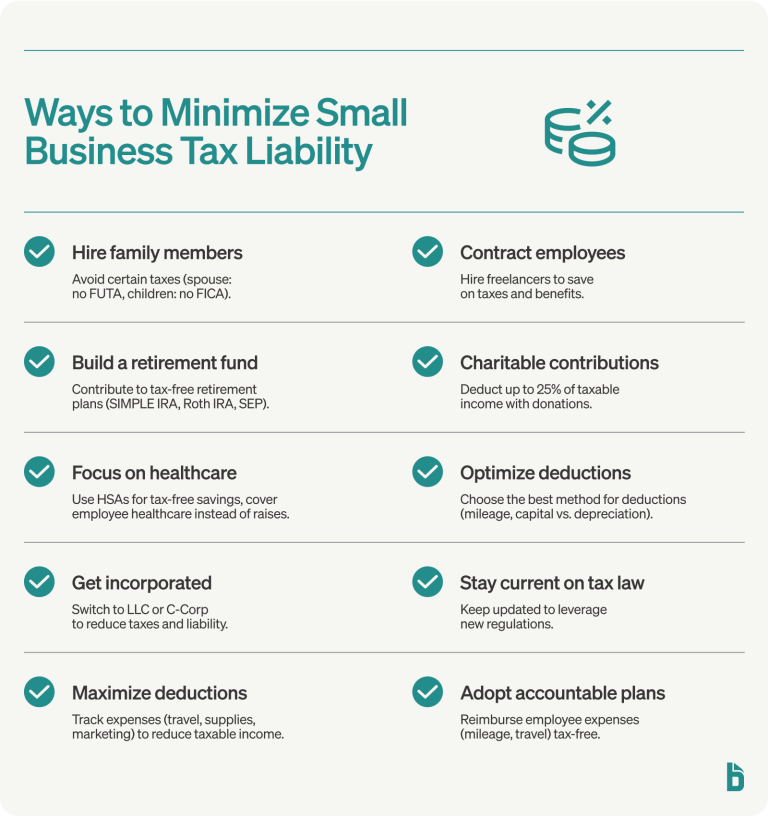 How to Avoid Taxes As a Small Business Owner: Legal Strategies
 What is the Meaning of Small Business Entrepreneurship: Explained
 What to Do If a Small Business Scams You: Essential Steps