Free apps earn money through ads, subscriptions, in-app purchases, and data partnerships.
I’ve built and tested apps and worked with teams that monetize free apps. In this article I’ll explain clearly how do the free apps make money, the main business models, real examples, and practical tips for users and creators. You’ll get step-by-step explanations, common mistakes I’ve seen, and simple ways to spot how an app is making cash. Read on to learn the strategies that keep your favorite free apps running and how to make smarter choices as a user or developer.
Core ways free apps make money
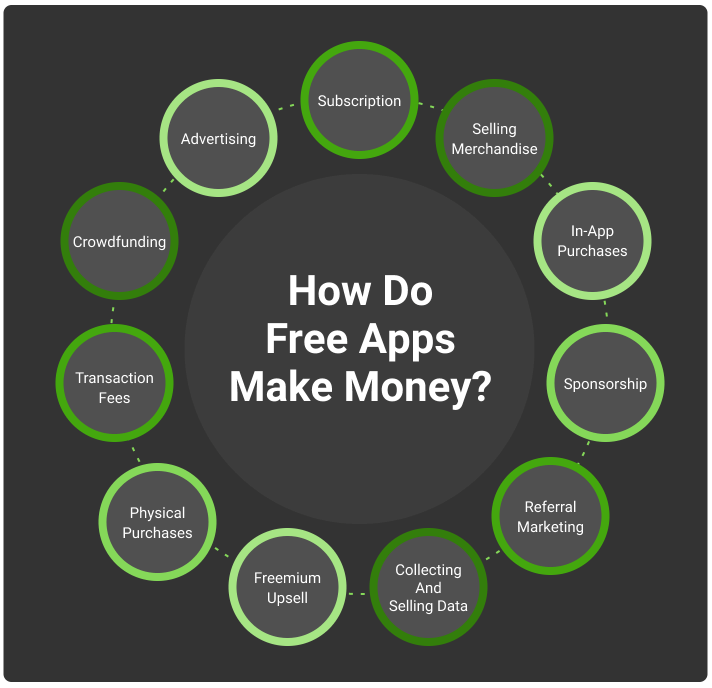
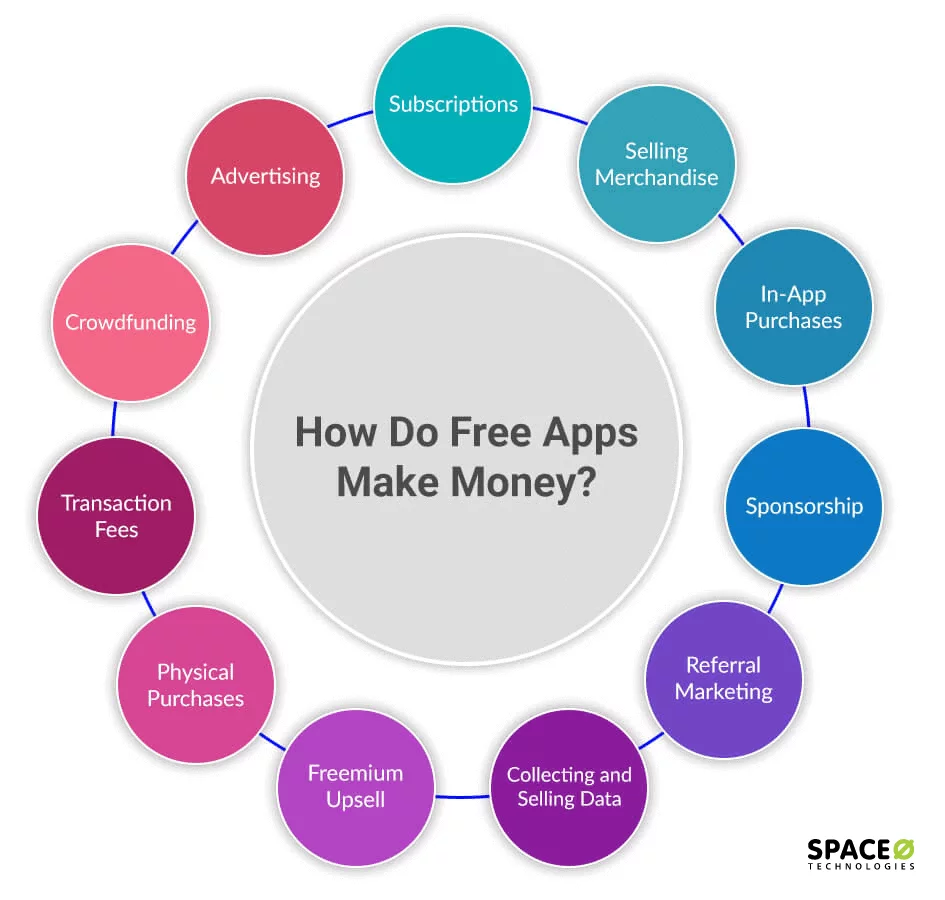
Apps that cost nothing up front still need revenue. Here are the core models most developers use. Each model can stand alone or combine with others to create stable income.
Advertising
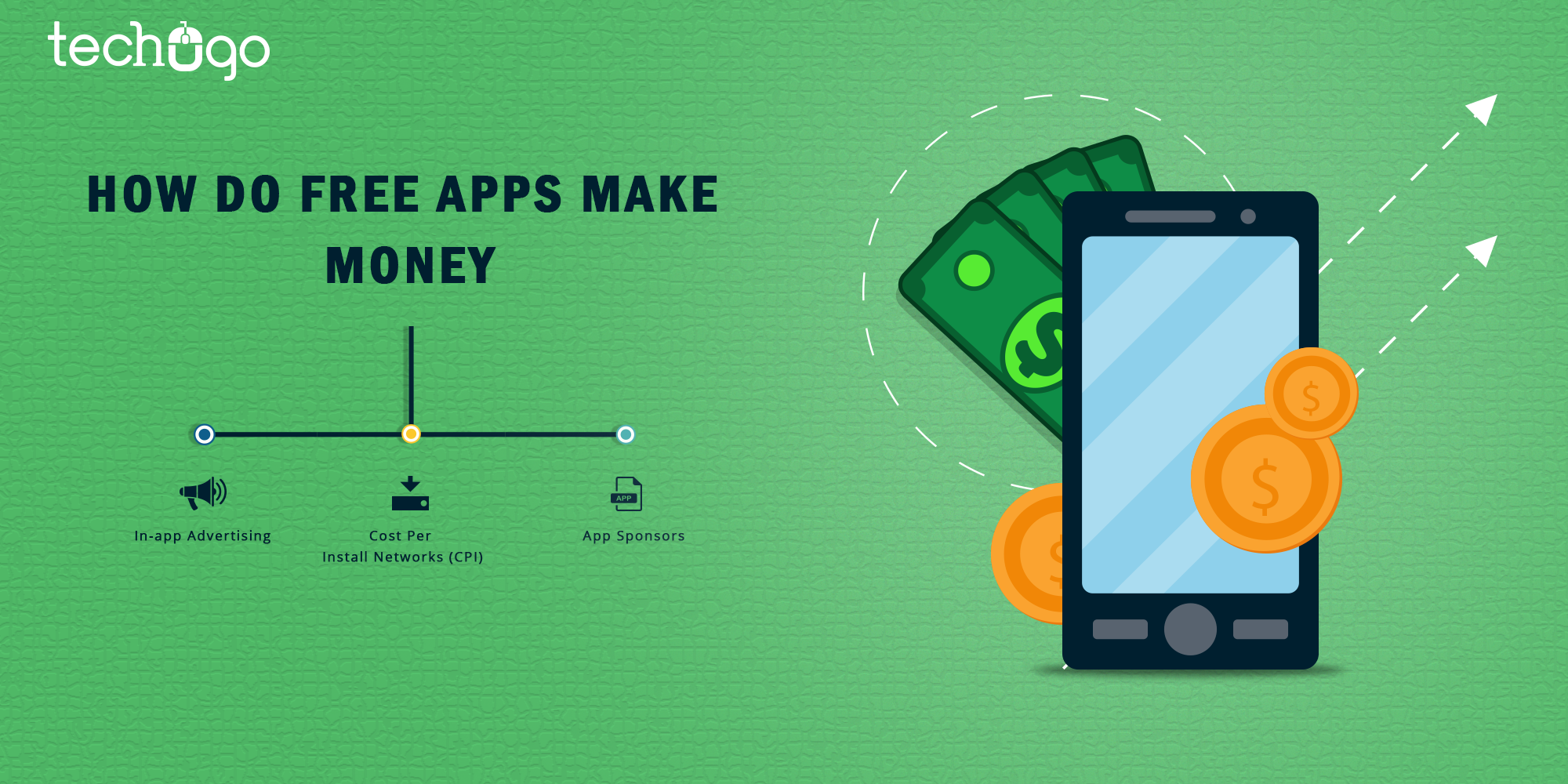
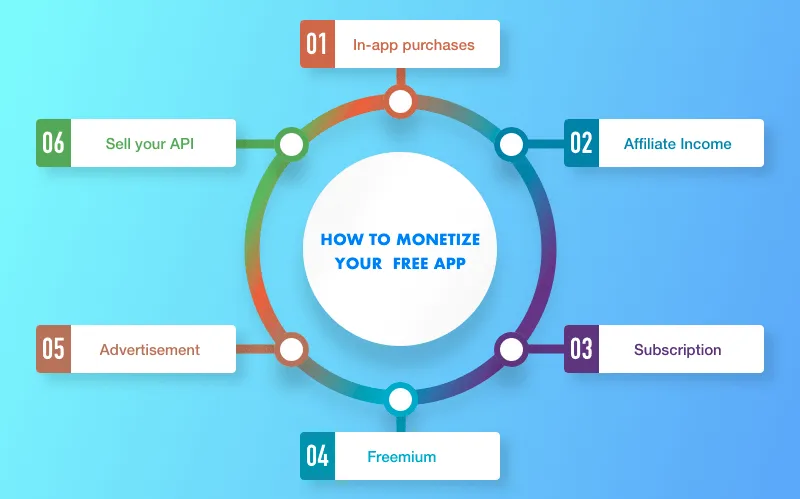
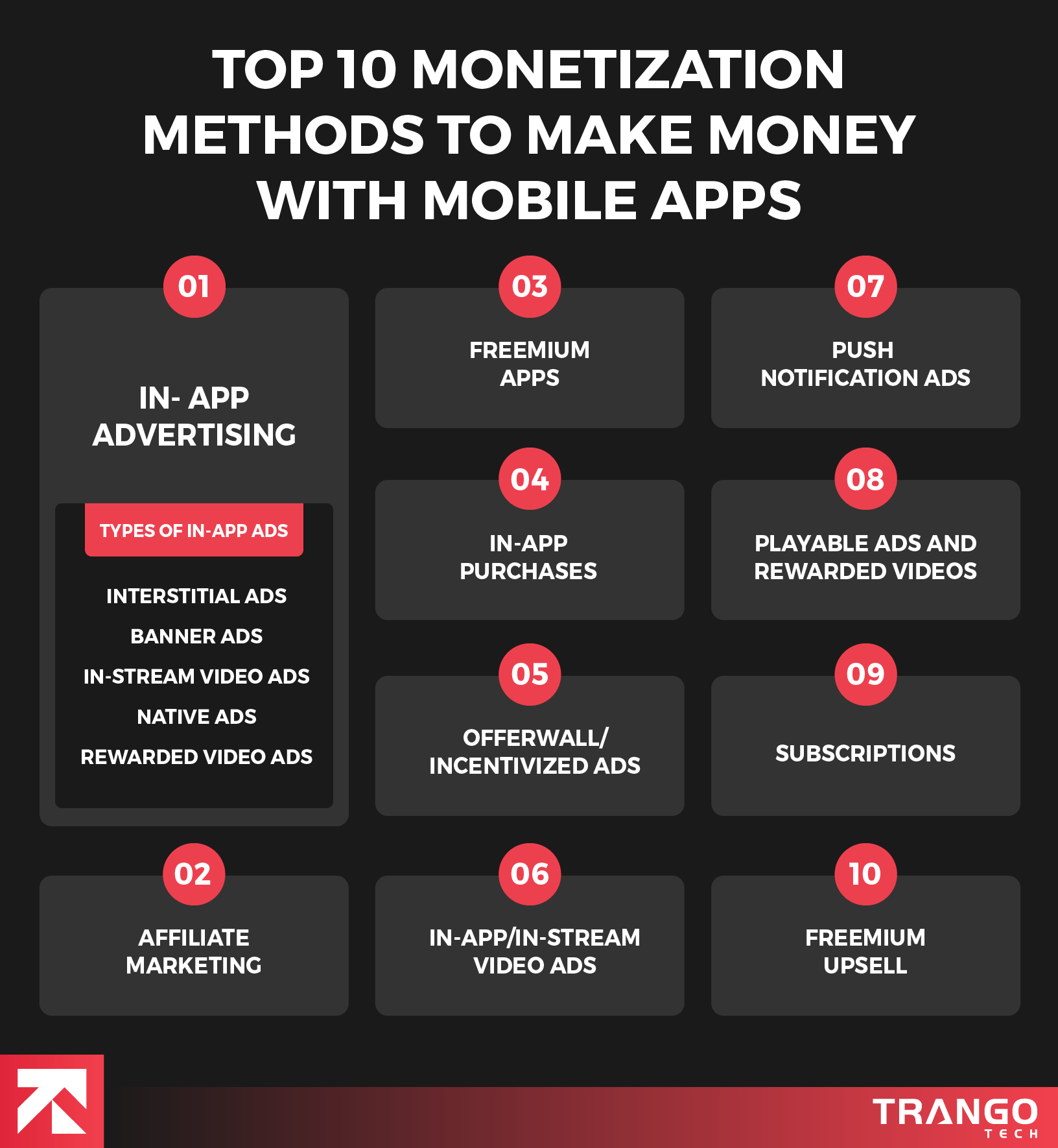
- Apps show banner, interstitial, or video ads. Developers earn when users view or click ads. Ad networks pay per thousand impressions or per click.
- This model is common in games and news apps because it scales with user time and views.
In-app purchases (IAP)
- Free apps sell features, coins, upgrades, or consumables inside the app. Users pay small amounts for extra value.
- IAPs are popular in gaming, photo editors, and fitness apps that sell premium content or virtual goods.
Freemium with paid upgrade
- The app is free but some powerful features are locked behind a one-time purchase. This converts engaged users into paying customers.
- Many productivity and creative apps use this: free for basics, paid for advanced workflows.
Subscriptions
- Users pay a recurring fee for premium content or services. Subscriptions provide predictable, recurring revenue.
- Streaming, cloud storage, and some productivity apps favor subscriptions for steady cash flow.
Data monetization and analytics
- Aggregated, anonymized user data can be valuable to advertisers and researchers. Some apps sell behavioral insights or use data to improve ad targeting.
- This model carries privacy risks and regulatory limits, so transparency is key.
Affiliate marketing and referrals
- Apps recommend products or services and earn a commission for each sale or sign-up from their referral links.
- Shopping and travel apps commonly use this model.
Transaction fees and marketplaces
- Apps that facilitate sales, bookings, or gigs take a percentage cut of each transaction.
- Marketplaces and service apps rely on volume to generate revenue.
Sponsorships, branded content, and partnerships
- Brands pay to appear inside apps or to sponsor features and content. This can be a direct revenue source for niche apps with high engagement.
- Newsletters, fitness challenges, or themed app content can attract sponsors.
Crowdfunding and donations
- Some apps accept donations or offer Patreon-style memberships. This works for niche creators and communities with loyal fans.
- It’s less scalable but builds strong user loyalty.
Licensing and white-labeling
- Developers sell their app code or platform to other companies. This turns a free consumer product into a B2B revenue stream.
- Enterprise or enterprise-ready features get monetized this way.
How do the free apps make money? Most use a mix of these models. This mix balances short-term cash (ads) and long-term value (subscriptions).
How developers choose a model
Picking a model depends on the app type, audience, and growth goals. I’ve advised teams on this choice and seen a few repeat patterns.
Consider user intent
- Users who want quick entertainment tolerate ads. Users who need reliability accept subscriptions.
- Match the revenue approach to what users value.
Estimate lifetime value (LTV)
- How much will a typical user spend over time? Ads favor high-volume, low-LTV users. Subscriptions need higher LTV per user.
- Measure a small test before committing.
Test pricing and offers
- A/B test subscription tiers, IAP prices, and ad frequency. Small changes often shift revenue significantly.
- Use clear metrics: conversion rate, churn, and average revenue per user.
Blend to reduce risk
- Combining ad income with optional subscriptions reduces reliance on a single source.
- I once helped an app that added a low-cost subscription to reduce ad dependence; revenue became steadier.
How do the free apps make money when they combine models? By layering monetization, developers create multiple revenue streams and can optimize each channel.
Practical examples and real-world cases
Concrete examples help you see the models in action. These short cases are based on real patterns I observed while working with app teams.
Casual game
- Uses ads for non-paying users, sells coin packs as IAP, and offers a subscription to remove ads and add benefits.
- Revenue is split: ads fund many users while a small group of paying users drives most profit.
News app
- Offers free content with ads and a premium subscription for ad-free reading, exclusive stories, and newsletters.
- Subscriptions convert loyal readers into stable recurring revenue.
Health and fitness app
- Free basic workouts, paid plans for full programs, and occasional branded fitness challenges sponsored by partners.
- Hybrid model increases long-term retention and monetization.
E-commerce or coupon app
- Earns through affiliate fees and sponsored placements.
- Monetization ties directly to user purchases and clicks.
These examples show how developers tailor revenue to user behavior. When I launched a small app, shifting from pure ads to a low-cost subscription improved retention and doubled monthly revenue within six months.
Benefits and limitations of common models
Understanding trade-offs helps you pick or evaluate apps.
Advertising
- Benefits: quick revenue, easy to implement, scales with views.
- Limitations: can degrade user experience and requires large audiences for big revenue.
Subscriptions
- Benefits: predictable income, higher per-user value.
- Limitations: harder to acquire subscribers; churn must be managed.
In-app purchases
- Benefits: direct monetization from engaged users, flexible pricing.
- Limitations: requires compelling content or mechanics; some users resist microtransactions.
Data monetization
- Benefits: can be lucrative at scale.
- Limitations: privacy concerns, compliance risk, and user trust issues.
How do the free apps make money while staying user-friendly? The best apps balance monetization with user trust and clear value.

Protecting user privacy and saving money as a user
If you care how do the free apps make money, you should also care how they use your data and attention. Here are simple steps to stay safe and spend less.
Review permissions and privacy settings
- Limit access to location, contacts, and camera unless needed.
- Use OS-level privacy controls to restrict tracking.
Watch for subscription traps
- Check trial terms and cancellation steps. Turn off auto-renew if unsure.
- Monitor app charges in your bank statements.
Use ad blockers and premium options
- If ads annoy you, consider a paid upgrade. It often improves the experience.
- Or use proven ad blockers where allowed.
Read app store reviews and developer policies
- Reviews reveal hidden costs and privacy complaints.
- Transparency is a good sign of trustworthiness.
These habits reduce unwanted costs and help you decide which free apps are worth keeping.
PAA-style questions (common quick questions)
How do the free apps make money with no ads?
- Many rely on in-app purchases, subscriptions, affiliate fees, or selling anonymized analytics to partners.
Are subscriptions better than one-time purchases?
- Subscriptions give steady income and help retain users, but they require ongoing value. One-time purchases work for clear, permanent upgrades.
Do free apps sell personal data?
- Some apps share aggregated data with partners; reputable apps will disclose this. Always check privacy policies and opt out when possible.
Can developers rely only on ads?
- Ads can work, but relying solely on them is risky. Revenue dips if user time or ad rates fall, so many apps diversify.
How do small app teams make steady income?
- Small teams often mix modest subscriptions, occasional IAPs, and targeted sponsorships to stabilize revenue without huge user volumes.
Frequently Asked Questions of how do the free apps make money
How do free apps make money without annoying users?
Free apps can balance income and experience by limiting ad frequency, offering optional paid upgrades, and keeping ads relevant. Clear value propositions and respectful ad policies reduce user churn.
Why do some free apps ask for many permissions?
Developers request permissions to enable features or to collect data for personalization and ads. Always question permissions that aren’t needed for core app function and revoke or deny them if unsure.
Is my data being sold if an app is free?
Not always. Some apps share aggregated, non-identifiable data with partners. Look for privacy labels and policies to understand what is shared and why.
Can I opt out of data-driven ads?
Yes. Most platforms let you limit ad tracking in system settings, and some apps include an opt-out option. Opting out lowers targeted ads but does not always remove ads entirely.
How do developers price subscriptions fairly?
Good developers test pricing, monitor churn, and adjust tiers based on user feedback. They aim to align price with real value to avoid high churn and poor reviews.
Conclusion
Free apps make money through ads, in-app purchases, subscriptions, data deals, and partnerships. The most successful apps mix models to reduce risk and serve users better. From my experience, clear value and respectful monetization keep users loyal and revenue healthy. If you build or use free apps, watch permissions, test pricing, and value transparency. Try one small change today: review an app’s privacy settings or test a low-cost subscription to see if it improves your experience. If you found this helpful, leave a comment, try the tips, or subscribe for more practical guides on the app economy.