Looking to grow your freelance graphic design career but not sure where to find the best opportunities? Your success starts with choosing the right platform.
The world of freelance graphic design websites can be overwhelming, but the right site can connect you with clients who value your creativity and skills. Whether you want quick gigs, long-term projects, or a chance to showcase your portfolio, there’s a perfect platform waiting for you.
Keep reading to discover top websites that can boost your freelance career, help you land better clients, and turn your passion into profit. Your next big design opportunity is just a click away!
Credit: ddiy.co
Top General Freelance Sites
Top general freelance sites offer many opportunities for graphic designers. These platforms connect freelancers with clients worldwide. They host diverse projects, from small tasks to long-term contracts. Designers can find work that matches their skills and availability.
These sites have easy-to-use interfaces. They provide tools for submitting proposals, managing projects, and receiving payments. Many beginners and professionals use them to grow their freelance careers. Here are some of the best general freelance websites for graphic designers.
Upwork
Upwork hosts thousands of graphic design jobs daily. It suits beginners and experts alike. Freelancers can find short and long projects. The platform offers secure payment and client reviews. It helps build a professional reputation over time.
Fiverr
Fiverr lets designers sell fixed-price services called gigs. Freelancers create packages for logos, banners, and more. It is great for building a client base fast. Buyers can easily browse and order services. Fiverr also offers promotional tools for sellers.
Freelancer
Freelancer allows bidding on many job types. Designers compete by submitting proposals and samples. Projects vary from small tasks to brand creation. The site features contests for creative challenges. It helps freelancers showcase their skills to clients.
Peopleperhour
PeoplePerHour connects freelancers with clients globally. It offers hourly and fixed-price jobs. The site supports various freelance services, including graphic design. Freelancers can create profiles and respond to client requests. It provides a smooth workflow for project delivery.
Design-focused Marketplaces
Design-focused marketplaces serve as specialized hubs for freelance graphic designers. These platforms cater specifically to creative professionals seeking design jobs. They offer opportunities to connect directly with clients who need quality design work. The focus is on design projects, making these sites ideal for artists and designers.
Design-focused marketplaces often include contests, project listings, and portfolios. They help freelancers showcase their skills and win new clients. These platforms foster a community of creative talent, encouraging collaboration and growth. Designers gain exposure and find projects that match their style and expertise.
Designhill
Designhill provides a platform for design contests and freelance jobs. Freelancers submit designs to contests and compete for prizes. The site also offers one-on-one projects for direct client work. It helps designers build portfolios and earn income through diverse tasks.
Designcrowd
DesignCrowd connects designers with clients worldwide. Freelancers can join contests or accept projects directly. The site supports logos, websites, and other graphic design needs. It offers a fair chance to win work based on creativity and skill.
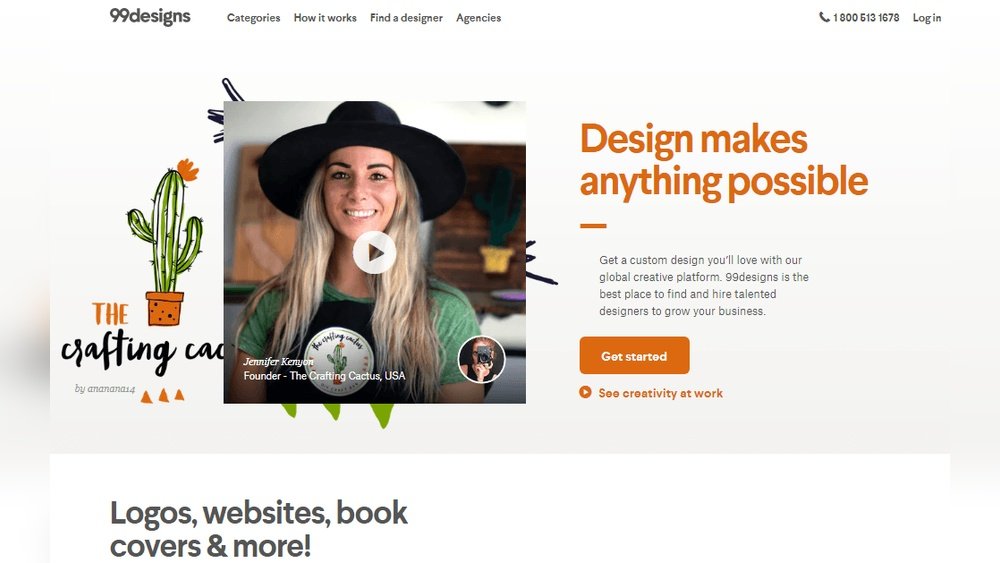
99designs
99designs focuses solely on design projects. Clients post contests or hire freelancers for custom work. Designers submit ideas, and winners get paid for their efforts. The platform builds trust with clients and rewards quality design work.
Portfolio Platforms With Job Boards
Portfolio platforms with job boards combine two key tools for freelance graphic designers. They allow showcasing creative work and finding new projects in one place. These sites help build an online presence while offering real job leads.
Designers can upload portfolios that display their style and skills clearly. At the same time, job boards list freelance gigs from clients seeking design talent. This dual approach saves time and increases chances of landing work.
Behance
Behance is popular among designers worldwide. It lets users create detailed portfolios with images, videos, and project descriptions. The site’s job board lists freelance and full-time design positions. Clients often browse portfolios before posting jobs, creating strong exposure.
Dribbble
Dribbble focuses on visual creativity and community feedback. Designers upload small work samples, called shots, to show their style. Dribbble’s job board features freelance opportunities from startups to big companies. Many designers find clients through connections made on this platform.
Coroflot
Coroflot offers a portfolio platform tailored to creative professionals. It includes a job board with freelance and permanent design roles. The site helps designers connect with employers looking for specific skills. Coroflot also highlights salary data, helping freelancers set rates.
Carbonmade
Carbonmade provides simple portfolio creation tools with customizable layouts. Freelancers can display projects clearly and attract potential clients. Its job board regularly posts freelance graphic design jobs. This site suits beginners and experienced designers seeking steady work.

Credit: www.strikingly.com
Elite And Curated Networks
Elite and curated freelance graphic design networks offer exclusive opportunities. These platforms select designers carefully. They focus on quality over quantity. Clients find top talent here. Designers gain access to premium projects. The community is smaller but more professional.
Such networks often require an application. Designers must show strong portfolios. This keeps the platform’s standards high. Clients trust these sites for reliable work. The projects usually pay better than large marketplaces. Designers benefit from focused client attention.
What Makes Elite Networks Different?
Elite networks reject casual sign-ups. They prefer skilled and proven designers. The screening process can include tests or interviews. This creates a community of experts. Clients get access to vetted professionals only. It reduces time spent on unsuitable proposals.
Benefits For Freelance Graphic Designers
Designers enjoy higher quality projects. Payments are often more secure and timely. The client-designer relationship tends to be stronger. Feedback and collaboration improve with trust. Designers can build a brand within the network. This leads to repeat clients and referrals.
Examples Of Popular Elite Networks
Some well-known curated platforms include Toptal, 99designs, and Working Not Working. Each has its own focus and process. Toptal is strict on selection and focuses on top-tier clients. 99designs offers contests and direct hiring options. Working Not Working connects creatives with major brands.
Upwork For Graphic Designers
Upwork is a popular freelance platform for graphic designers. It connects designers with clients from around the world. The site offers projects of all sizes and types. Beginners and experts find opportunities here. Upwork lets designers build a strong profile to attract clients.
Designers can apply for jobs that match their skills. The platform supports long-term and short-term projects. It also provides tools for communication and payment. This makes managing freelance work easier and safer.
Finding Graphic Design Jobs On Upwork
Upwork lists many graphic design jobs daily. Jobs include logo design, branding, and web graphics. Designers can filter jobs by budget and duration. Clear job descriptions help designers decide fast. Applying is simple with a tailored proposal.
Building A Strong Profile
A strong profile helps win more clients. Include a clear photo and detailed bio. Showcase your best design samples in your portfolio. Highlight skills like Adobe Photoshop and Illustrator. Positive client reviews improve your chances significantly.
Tips For Winning Projects
Read job posts carefully before applying. Write a personal message to each client. Show understanding of their project needs. Offer fair pricing based on your skill and time. Respond quickly to client messages to show professionalism.
Managing Payments And Contracts
Upwork handles payments securely through its system. Designers can choose hourly or fixed-price contracts. The platform tracks work time with a built-in app. Payments release only after client approval. This process protects both parties.
Fiverr’s Gig-based Model
Fiverr’s gig-based model offers a unique way for graphic designers to sell their services. Instead of bidding on jobs, freelancers create specific service packages called “gigs.” Buyers can browse these gigs and purchase directly. This system simplifies the hiring process for both parties.
Each gig clearly shows the price, scope, and delivery time. Designers can offer basic to premium packages, allowing clients to choose what fits their needs and budget. This transparency builds trust and helps clients make quick decisions.
Fiverr also allows designers to showcase their portfolios within each gig. This helps potential buyers see the freelancer’s style and quality before ordering. It encourages freelancers to maintain high standards to attract more clients.
How Fiverr’s Gig Model Works
Freelancers create gigs by defining what service they will provide. They set prices, delivery times, and extras. Buyers search or browse categories to find the right gig. Once they order, the freelancer completes the work within the agreed time.
Benefits For Freelance Graphic Designers
The gig model gives designers full control over their services and pricing. It reduces the need to negotiate with clients. This system helps new freelancers start easily and build a portfolio. Experienced designers can scale by offering multiple gigs.
Why Clients Prefer Fiverr’s Gig Model
Clients find Fiverr’s model simple and fast. They know exactly what to expect and how much to pay. The clear packages and reviews help clients choose confidently. This structure saves time compared to traditional job bidding sites.
Designcrowd And Contests
DesignCrowd is a unique freelance graphic design platform. It uses contests to connect clients with designers worldwide. Clients post a design brief, and many designers submit their ideas. This system gives clients many options to choose from. Designers can showcase creativity and compete for rewards.
Contests on DesignCrowd cover logos, websites, business cards, and more. They allow clients to find fresh ideas quickly. Designers gain exposure and build their portfolios. This method suits those who enjoy competition and variety.
How Designcrowd Contests Work
Clients start by creating a design brief. They explain their needs and budget. Designers from around the world enter the contest. Each designer submits a unique design concept. Clients review all entries and provide feedback. Finally, clients pick the best design and award the prize.
Benefits For Freelance Designers
DesignCrowd contests provide many chances to win projects. Designers get to work on diverse tasks and styles. This platform helps build a strong portfolio fast. It offers a flexible way to earn without long commitments. Designers improve skills by trying new challenges.
Tips For Success On Designcrowd
Read the brief carefully before submitting designs. Follow client guidelines and deadlines strictly. Submit clear and creative concepts that stand out. Ask for feedback to refine your work. Stay active and join many contests to increase chances. Good communication can lead to repeat clients.
Leveraging Behance And Dribbble
Behance and Dribbble are top platforms for freelance graphic designers. Both help creatives show their work and connect with clients. They offer more than just portfolios. These sites provide job boards and communities that boost visibility and opportunities.
Using Behance and Dribbble well can grow a freelance career. Designers can attract clients by sharing quality projects and engaging with others. These platforms support building a strong online presence, essential for success in graphic design freelancing.
What Makes Behance Stand Out
Behance is part of the Adobe family. It integrates well with Creative Cloud tools. Users can upload detailed project case studies. This helps clients understand the design process clearly.
Behance also features a job board. Freelancers find many offers tailored to their skills. The platform’s global reach means exposure to diverse clients. It encourages networking through comments and appreciations.
Dribbble’s Unique Features For Freelancers
Dribbble focuses on quick, visual snapshots called “shots.” These highlight design skills in a glance. It’s ideal for showing logo designs, UI elements, or illustrations.
The community is very active. Designers receive feedback and can follow others to stay inspired. Dribbble also offers a jobs section with freelance gigs. It helps freelancers find short-term projects fast.
Tips For Using Both Platforms Effectively
Post regularly to keep your profile active and visible. Use clear, high-quality images that show your best work. Write concise descriptions explaining your role and the project goal.
Engage with other designers by liking and commenting on their work. Join groups or discussions related to your niche. Respond quickly to client messages to build trust.
Link your profiles from Behance and Dribbble on your website and social media. This drives traffic and improves your online reputation. Consistency and interaction lead to more freelance opportunities.
Building A Strong Online Profile
Building a strong online profile is vital for freelance graphic designers. It helps attract clients and shows your skills clearly. A well-made profile stands out and builds trust quickly. Your online presence acts as your digital business card on freelance platforms.
Start with a professional photo and a clear, friendly headline. Describe your skills and experience in simple words. Highlight what makes your design style unique. Include keywords that clients might use to find designers like you.
Showcase your best work in a portfolio section. Use high-quality images and organize them by project type. Add short descriptions explaining the goal and your role. This gives clients a quick look at what you can do.
Keep your profile updated with recent projects and new skills. Respond to messages and reviews quickly to appear active and reliable. A strong profile builds confidence and increases your chances of landing projects.
Creating A Clear And Professional Bio
Your bio should be easy to read and explain who you are. Use simple sentences and avoid jargon. Mention your design specialties and years of experience. Show enthusiasm for your work and a willingness to help clients.
Highlighting Your Best Work
Select projects that show a range of skills and styles. Use clear images that load fast. Add brief details about each project’s purpose and outcome. This helps clients understand your approach and quality.
Using Keywords To Improve Visibility
Include terms clients use to find graphic designers. Think about skills, software, and design types. Use these words naturally in your bio and project descriptions. This helps your profile appear in search results.
Gathering Reviews And Testimonials
Ask clients to leave honest feedback after projects. Positive reviews build trust with new clients. Display testimonials prominently on your profile. Respond politely to all reviews to show professionalism.
Tips To Boost Freelance Success
Success in freelance graphic design requires more than talent alone. Smart strategies help freelancers grow their business steadily. Simple steps can improve visibility and attract better clients. These tips focus on practical actions to boost freelance success.
Building a strong profile and delivering quality work consistently are essential. Effective communication and time management also play big roles. Below are key tips that freelancers can use to stand out and build a lasting career.
Optimize Your Online Portfolio
Your portfolio is your digital handshake. Showcase your best work clearly and professionally. Include a variety of projects to demonstrate your skills. Update your portfolio regularly to keep it fresh and relevant. Use high-quality images and write brief descriptions for each piece.
Choose The Right Freelance Platforms
Select platforms that fit your style and goals. Some sites focus on short gigs, others on long projects. Register on multiple websites to increase exposure. Read reviews and understand fee structures before committing. Tailor your profile to match each platform’s audience.
Set Clear Project Goals
Discuss project details carefully with clients before starting. Clarify deadlines, budgets, and deliverables to avoid misunderstandings. Use contracts to protect both parties. Clear goals help you stay focused and deliver what clients expect on time.
Communicate Professionally And Promptly
Respond to messages quickly and politely. Keep clients updated on progress regularly. Ask questions if something is unclear. Good communication builds trust and leads to repeat business. Avoid jargon and keep language simple for easy understanding.
Manage Time Efficiently
Create a daily schedule to organize tasks. Prioritize urgent and important jobs first. Use tools like calendars and timers to track work hours. Avoid multitasking to maintain quality. Time management ensures you meet deadlines without stress.
Ask For Reviews And Referrals
Request feedback after completing projects. Positive reviews improve your profile’s credibility. Encourage satisfied clients to recommend you to others. Word-of-mouth can bring new opportunities without extra cost. Always thank clients for their support.
Credit: hubstaff.com
Frequently Asked Questions
What Are The Best Websites For Freelance Graphic Designers?
Top sites include Upwork, Fiverr, Freelancer, Designhill, and Behance for finding design jobs.
How Do Freelance Graphic Design Websites Work?
Clients post projects or contests, and designers submit proposals or designs to get hired.
Can Beginners Find Jobs On Freelance Graphic Design Platforms?
Yes, many sites welcome beginners with entry-level gigs and portfolio-building opportunities.
Which Platform Is Best For Fixed-price Graphic Design Jobs?
Fiverr is ideal for fixed-price gigs where designers offer specific services at set rates.
Are Design Contests A Good Way To Get Freelance Work?
Design contests help showcase skills and can lead to paid projects if your design wins.
How Do I Create A Strong Profile On Design Freelancing Sites?
Showcase your best work, write a clear bio, and highlight your skills and experience.
What Fees Do Freelance Graphic Design Websites Charge?
Most platforms charge a percentage fee on your earnings, usually between 10-20%.
Can I Use Portfolio Sites Like Behance To Find Freelance Jobs?
Yes, Behance and Dribbble offer job boards alongside portfolio showcases for freelancers.
How Do I Communicate With Clients On Freelance Design Websites?
Use the site’s messaging tools to discuss project details, deadlines, and revisions clearly.
Is It Safe To Work Through Freelance Graphic Design Websites?
These sites offer payment protection and dispute resolution to help keep work safe and fair.
Conclusion
Freelance graphic design websites offer many chances to grow your skills. Each site suits different needs and experience levels. Explore options like Upwork, Fiverr, and Behance to find your best fit. Build a strong portfolio and connect with clients easily.
Consistency and quality work will bring steady projects. Start small, learn, and expand your freelance career step by step. Stay patient and keep improving your designs every day. Success comes with effort and the right platform. Choose wisely and enjoy your creative journey.