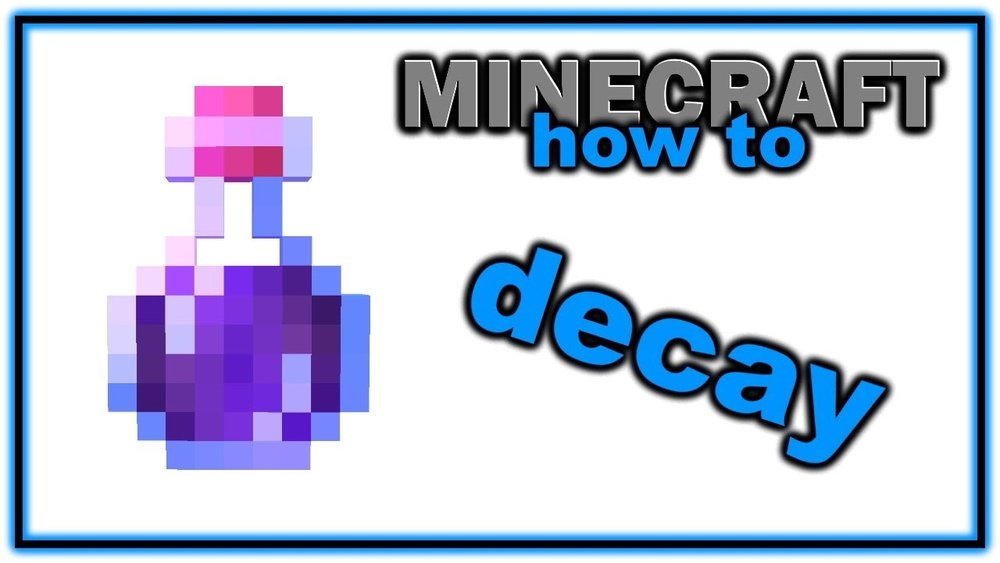
A dark mist swirls in the bottle. The liquid is thick, almost alive, and carries the scent of old forests and forgotten things. This is the Decay Potion, a mysterious brew that has captured the imagination of alchemists, storytellers, and gamers alike. But what is it really? Is it a tool for destruction, a symbol of nature’s cycle, or just a plot device in a fantasy world? In this guide, you’ll discover everything about the Decay Potion: its origins, uses, variations, how to craft it, safety concerns, and its place in culture and games. Whether you’re a fantasy fan, a game designer, or simply curious, you’ll find answers here.
The Origins And Meaning Of Decay Potion
The idea of a Decay Potion comes from old stories and myths. In many cultures, potions represent change—sometimes healing, sometimes harm. Decay is about things breaking down or returning to nature. So, a Decay Potion is a liquid that can make things rot, crumble, or age quickly.
In classic folklore, witches and wizards used such potions to destroy crops, age their enemies, or break curses. In modern stories, the potion might be used to dissolve obstacles, weaken magic, or even as a weapon. The idea is always the same: it speeds up the natural process of decay, but with a magical twist.
What makes the Decay Potion unique is its dual symbolism. On one side, it stands for the end of things, destruction, and loss. On the other side, it is about change, renewal, and the natural cycle of life and death.
This deep meaning is why it appears in so many stories, games, and creative works.
Common Uses Of The Decay Potion
How is the Decay Potion actually used? Its effects depend on the story, game, or setting, but most uses fall into a few main types:
1. Destroying Obstacles
In many games and stories, the Decay Potion is poured on objects like locked doors, chains, or walls. The potion eats away at the material, making it weak or causing it to fall apart. This is a common puzzle mechanic in adventure games.
2. Damaging Enemies
Some fantasy games and novels use the potion as a weapon. A splash of Decay can cause armor to rust, weapons to break, or even make flesh rot. It’s a favorite of villains or dark wizards.
3. Aging And Withering
The potion can be used to age things rapidly—plants wilt, food spoils, or people grow old. This effect is sometimes used as a curse in stories.
4. Breaking Curses Or Magic
In a few legends, the Decay Potion has the power to remove magic spells by “breaking down” the magic itself. This is less common but adds another layer of meaning.
5. Environmental Effects
In some games, pouring the potion on the ground makes plants die or wood rot, changing the landscape in interesting ways. This can be a tool for both good and evil.
These uses show how flexible the Decay Potion is in stories and games. It’s not just about destruction—it can be a clever tool, a dangerous weapon, or a symbol of deeper themes.
Key Ingredients And Their Symbolism
What goes into a Decay Potion? While every world or game has its own recipe, there are some ingredients that appear again and again. Each one has its own meaning and effect.
1. Rotten Plants
Things like moldy leaves, blackened roots, or decaying wood are common. They carry the energy of decay from the natural world.
2. Bone Dust
Ground bones, especially from ancient animals, are used to add the idea of age and the cycle of life and death.
3. Fungi And Spores
Mushrooms, toadstools, or spore dust help the potion spread and eat away at targets, since fungi break things down in nature.
4. Acidic Liquids
Vinegar, bile, or magical acids speed up the breaking down of materials. Sometimes, the potion is literally corrosive.
5. Shadow Essence
In more magical settings, the potion might require something rare like “shadow essence” or “night mist” to give it its supernatural power.
Each ingredient is chosen not just for its effect, but for what it represents. The process of making the potion is often as important as the items themselves.
Example Recipe For A Basic Decay Potion
If you want to imagine crafting a potion, here’s a typical recipe:
- 2 ounces of rotting leaf extract
- 1 tablespoon of bone dust
- 5 drops of fungal spore oil
- 1 cup of distilled vinegar
- 1 pinch of shadow essence (optional, for magical power)
These are mixed in a stone bowl under the light of a waning moon, then left to steep for one night. The potion is then strained and bottled. The result is a thick, dark liquid with a strong earthy smell.
How To Craft A Decay Potion: Step-by-step
Crafting a Decay Potion is more than just mixing ingredients. It’s a ritual, often filled with tradition and careful steps. Here’s a detailed guide, blending fantasy and practical advice for storytellers or game masters.
1. Gather Ingredients Carefully
Quality matters. Freshly decayed plants and clean bone dust give a stronger effect. Avoid using too much acid, or the potion might be unstable.
2. Prepare Your Tools
Use a stone or ceramic bowl, not metal, since the potion can corrode most metals. Wooden spoons are best.
3. Mix The Base
Pour the vinegar into the bowl. Add the rotting leaf extract and stir slowly. The liquid should turn dark green or brown.
4. Add Bone Dust
Sprinkle in the bone dust while chanting (if your story includes magic words). The mixture may bubble or emit a foul smell.
5. Add Fungi
Drop in the fungal spore oil. The potion will thicken and may grow a thin film on top.
6. Infuse With Magic (optional)
If you want a magical potion, add a pinch of shadow essence. Stir three times counterclockwise.
7. Let It Steep
Cover the bowl with a cloth and let it sit overnight. This allows the potion to “mature. ”
8. Strain And Bottle
Strain out any solid bits and pour the potion into a glass or stone bottle. Seal tightly.
Practical Tips
- Always wear gloves and work in a well-ventilated area.
- Label your potion clearly.
- The potion loses power if exposed to sunlight for too long.
Example: Crafting In A Game
In tabletop roleplaying games, the process might require dice rolls for gathering rare ingredients or careful timing. In video games, you might need to collect items from dangerous areas, making the potion valuable and hard to get.
Decay Potion In Popular Games And Media
The Decay Potion is a favorite tool in fantasy games, movies, and books. Let’s look at how different games use it, and how the effects compare.
Notable Appearances
1. Dungeons & Dragons (d&d):
In some editions, potions of decay exist as trap items or rare magical brews. They can destroy armor, weapons, or even magical items.
2. The Elder Scrolls Series:
Alchemy allows players to craft poisons that cause “decay,” damaging health over time or breaking down enemy defenses.
3. Minecraft (with Mods):
Some mods add Decay Potions that rot blocks or harm mobs, turning the world darker and more dangerous.
4. Magic: The Gathering:
Decay-themed cards and spells focus on weakening or destroying creatures and artifacts, echoing the potion’s effects.
5. Pathfinder Rpg:
Decay or blight potions appear as tools for druids or necromancers, often tied to story events.
Comparing Potion Effects In Popular Games
Here’s how some games handle Decay Potions:
| Game | Main Effect | How Used | Unique Twist |
|---|---|---|---|
| Dungeons & Dragons | Destroys items | Poured or thrown | Can break magic items |
| The Elder Scrolls | Damage over time | Applied as poison | Mix with other effects |
| Minecraft (Mods) | Rots blocks/mobs | Thrown or used on blocks | Alters the world |
| Magic: The Gathering | Weakens/destroys | Spell card | Synergizes with graveyard |
These examples show how flexible the concept is and why it’s a favorite for game designers.
Variations And Upgrades
A classic Decay Potion isn’t the only version out there. In many stories and games, there are upgrades and side-grades, each with unique effects.
Common Variations
1. Greater Decay Potion
Stronger, faster-acting, and can destroy magical items or living things quickly. Usually rare and dangerous to handle.
2. Selective Decay Potion
Only works on certain materials (like metal or wood). Useful for getting through specific barriers or puzzles.
3. Decay Cloud Potion
Releases a gas or mist that spreads the effect over a wide area. Risky, but good for large obstacles.
4. Stabilized Decay Potion
Slower effect, but easier to control. Used in careful, planned actions, like disarming traps.
5. Life-to-decay Potion
Draws energy from living things, causing rapid decay but also healing the user or powering spells.
Example: Upgrades In A Game
In some RPGs, players can combine a Decay Potion with other items to create hybrid effects, like adding sleep powder for a “Rot and Sleep” potion. These variations add depth and strategy.
Comparison Of Potion Variations
Below is a comparison of different Decay Potion types:
| Potion Type | Effect Speed | Area of Effect | Control | Risk Level |
|---|---|---|---|---|
| Basic Decay Potion | Moderate | Small | Good | Medium |
| Greater Decay Potion | Fast | Medium | Poor | High |
| Selective Decay Potion | Moderate | Small | Excellent | Low |
| Decay Cloud Potion | Fast | Wide | Poor | Very High |
| Stabilized Decay Potion | Slow | Small | Excellent | Low |
Choosing the right type depends on the situation and the user’s goal.
Safety And Side Effects
Using a Decay Potion is not without danger. Even in stories, careless use can backfire. If you’re designing a story or game, adding risks makes things more interesting.
Common Dangers
- Splash Back: The potion may bounce or splash, damaging the user’s gear or even harming them.
- Uncontrolled Spread: Some versions of the potion can keep working, spreading decay beyond the target.
- Toxic Fumes: The smell or vapor can make the user sick or dizzy.
- Potion Instability: If mixed wrong or stored poorly, the potion can explode or lose its power.
- Magical Feedback: In magical worlds, using the potion on enchanted items can cause strange side effects, like wild magic or curses.
Safety Tips
- Always wear gloves and eye protection.
- Use in a well-ventilated place.
- Store in sealed, labeled containers.
- Never mix with other potions unless you know the results.
- Test on a small, safe object before using on important targets.
Real-world Inspiration
While the Decay Potion is fictional, the safety rules echo real chemistry. Many acids or biological materials can be dangerous. In ancient times, people sometimes used poisons or corrosive liquids in warfare or sabotage, leading to stories about magical decay.
The Symbolism And Deeper Meaning
The Decay Potion isn’t just a tool for destruction. It’s a symbol with layers of meaning.
Cycle Of Life And Death
Decay is part of nature’s cycle. Everything that lives will one day return to the earth. The potion reminds us of this truth, even as it’s used for dramatic effect in stories.
Power And Responsibility
The potion is powerful but dangerous. It asks the user to think about the results of their actions. This theme is common in fantasy: power can bring danger if misused.
Fear And Fascination
Decay is both scary and fascinating. People fear losing what they have, but are also drawn to the mystery of change. The potion captures this feeling—a mix of dread and excitement.
Example: Literary Symbolism
In some stories, the Decay Potion is a test. A hero must choose when to use it, balancing the need to destroy with the risk of going too far. This creates tension and drama.

Credit: www.amazon.com
Decay Potion In Roleplaying And Storytelling
For writers and game masters, the Decay Potion offers creative possibilities. Here’s how to use it for richer storytelling.
As A Plot Device
- Obstacle Removal: The potion can open new paths, but at a cost.
- Moral Choice: Using the potion may have side effects, forcing characters to weigh the risks.
- Mystery and Clues: Leftover signs of decay can hint at the potion’s use, leading heroes to investigate.
As A Resource
In games, the potion might be rare, requiring quests to gather ingredients. This makes it valuable and adds challenge.
As A Source Of Drama
A failed potion can cause chaos, spread decay, or reveal hidden secrets. This keeps stories exciting and unpredictable.
Modern Interpretations And Science
Some people wonder if a real Decay Potion could exist. While we have chemicals that break down materials, nothing acts exactly like the fantasy version.
Real-world Chemistry
- Acids: Substances like sulfuric acid can eat through metal and organic matter, but are dangerous to handle.
- Enzymes: Some natural enzymes break down food or plants, but work slowly.
- Biological Decay: Bacteria and fungi are nature’s real decay agents.
Why Not In Real Life?
Real decay is slow and depends on many factors: heat, moisture, material type. A potion that works instantly is pure fantasy, but it’s inspired by these real processes.
Example: Historical Uses
In history, people sometimes used lime, acids, or poisons to destroy evidence or sabotage enemies. These actions likely inspired stories of magical decay.
Crafting Decay Potion In Tabletop Rpgs
For roleplaying games, making a Decay Potion can be a fun quest. Here’s a step-by-step example for game masters:
- Set the Challenge: Make rare ingredients guarded by monsters or hidden in dangerous places.
- Require Skills: Gathering, alchemy, or magic skills can affect the potion’s power and risk.
- Include Risks: Failed rolls might cause potion accidents or attract attention from enemies.
- Reward Creativity: Players who find clever ways to use the potion should be rewarded.
This approach makes the potion more than just an item—it becomes a memorable part of the adventure.
Decay Potion In Art And Culture
The Decay Potion also appears in art, movies, and even as a Halloween prop. Its look and feel are carefully designed to create a mood.
Visual Elements
- Color: Usually dark brown, green, or black.
- Texture: Thick, sometimes bubbling or steaming.
- Container: Old, cracked bottles, sometimes with warning labels or skull symbols.
Sound And Smell (in Media)
- Sound: Bubbling, hissing, or fizzing.
- Smell: Described as earthy, sour, or “like death.”
These details help artists and filmmakers create an atmosphere of danger and mystery.
Example: In Movies
In fantasy films, the Decay Potion might dissolve a locked door, melt a villain’s weapon, or be the key to breaking a curse.

Credit: www.reddit.com
Two Insights Many Beginners Miss
1. Decay Potions Aren’t Always Evil Tools
Many new storytellers or game designers treat the Decay Potion as just a weapon for villains. But in many stories, heroes use it for clever solutions, like clearing a blocked path or breaking a curse. Its flexible nature makes it a tool, not just a threat.
2. Material Matters
Beginners often forget that the potion’s effect should depend on the target. Wood, metal, stone, and magic each react differently. Designing these differences makes stories and games feel deeper and more believable.
Decay Potion Vs. Other Corrosive Potions
It’s easy to confuse the Decay Potion with other destructive brews. Here’s how it stands apart:
| Potion | Main Target | Effect | Symbolism |
|---|---|---|---|
| Decay Potion | Organic and some inorganic | Rot, aging, breakdown | Cycle of life/death |
| Acid Potion | Mainly inorganic (metal, stone) | Corrosion, melting | Destruction, danger |
| Poison Potion | Living creatures | Sickness, death | Malice, stealth |
| Rust Potion | Metal | Oxidation, weakening | Neglect, time |
The Decay Potion is unique because it covers both organic and inorganic targets and is tied to deeper themes.

Credit: www.urbandecay.com
Ethical Questions And Storytelling
Should heroes use the Decay Potion? Is it moral to destroy instead of heal? Writers can use these questions to add depth to their worlds.
- When is it right to use destruction for a good cause?
- What happens if the potion spreads too far?
- How do different cultures in your world view decay and renewal?
Thinking about these questions helps create richer, more meaningful stories.
Where To Learn More
For those who want to dig deeper, resources like the official Dungeons & Dragons guides, fantasy writing handbooks, and chemistry textbooks can offer inspiration. You can also explore the role of decay in nature on sites like Wikipedia.
Frequently Asked Questions
What Is A Decay Potion?
A Decay Potion is a fictional liquid found in stories, games, and art. It causes rapid decay, rot, or aging when used on objects, creatures, or the environment. Its effects can range from destroying barriers to cursing enemies.
How Do You Make A Decay Potion?
Typical recipes include rotting plant matter, bone dust, fungi, and an acidic base like vinegar. In magical settings, rare items like “shadow essence” are added. The process often includes rituals or special timing to enhance the effect.
Is The Decay Potion Dangerous To Use?
Yes, both in stories and games, the potion can backfire. Dangers include splash back, toxic fumes, and uncontrolled spread. Safe use requires protective gear, careful storage, and knowledge of the potion’s limits.
How Is A Decay Potion Different From An Acid Potion?
A Decay Potion causes rot and aging, often working on both organic and inorganic materials. An Acid Potion mainly melts metals and stone through corrosion. Their effects, targets, and symbolism are different.
Can Heroes Use Decay Potions, Or Are They Just For Villains?
Heroes can use Decay Potions too. They’re often tools for solving problems, escaping traps, or breaking curses. Their use adds moral questions and creative challenges to stories.
The Decay Potion is more than just a tool of destruction. It’s a symbol, a challenge, and a story waiting to be told. Whether you create worlds, play games, or just love fantasy, understanding this potion opens new doors to creativity and adventure.