Looking to start your own business but not sure where to begin? You’re in the right place.
Imagine turning your passion or skills into a source of steady income without a huge upfront cost. Whether you want to work from home, build something local, or tap into the digital world, there’s an idea here just for you.
This list of 100 small business ideas covers a wide range of options—from simple services like pet sitting and lawn care to creative ventures like handmade crafts and affiliate marketing. Keep reading, and you’ll find practical, doable ideas that can fit your budget and lifestyle. Your next big opportunity might be just one idea away!
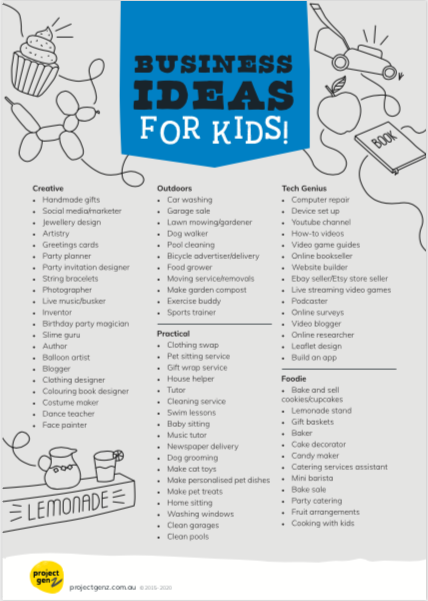
Credit: www.projectgenzshop.com
Service-based Ideas
Service-based businesses offer practical solutions that meet everyday needs. They require low startup costs and can start quickly. Many people prefer to hire local experts for these essential services. This section highlights some popular service-based small business ideas. Each idea suits different skills and interests.
Handyman Services
Handyman services cover a wide range of home repairs and maintenance. Tasks include fixing leaks, assembling furniture, or painting walls. Start by buying essential tools and promoting your skills locally. Word-of-mouth and online ads help attract customers fast. This business suits people who enjoy hands-on work and problem solving.
Cleaning With A Green Twist
Eco-friendly cleaning uses natural products that are safe and effective. Many customers prefer green cleaning to avoid harsh chemicals. Invest in biodegradable cleaners and reusable supplies to set yourself apart. Offer services for homes, offices, or vacation rentals. This idea fits those who care about health and the environment.
Pet Sitting And Dog Walking
Pet sitting and dog walking help busy owners care for their animals. Services include feeding, walking, and playing with pets. Start by offering services to neighbors and friends for trust and referrals. This work requires reliability and love for animals. It is a flexible option with low startup costs.
Lawn Care And Gardening
Lawn care and gardening keep outdoor spaces neat and healthy. Services include mowing lawns, trimming bushes, and planting flowers. Basic tools like mowers and pruners are needed. Begin with simple tasks and grow your client base through local marketing. Ideal for those who enjoy working outdoors and in nature.
Personal Assistant Services
Personal assistants help busy people manage daily tasks. Services may include grocery shopping, appointment scheduling, or event planning. This business needs strong organization and communication skills. Start by offering help to family, friends, or local professionals. It is a great choice for detail-oriented people.

Credit: acumenconnections.com
Digital And Creative Ventures
Digital and creative ventures offer many opportunities for small business owners. These ideas use technology and creativity to build income streams. Low startup costs make them accessible for many people. The digital world continues to grow fast, creating demand for new products and services. Creative skills can turn into profitable businesses with the right approach.
Selling Digital Products
Selling digital products is a popular online business idea. You can create items like planners, eBooks, or graphic designs. These products cost little to produce and can sell repeatedly. Platforms like Etsy or Shopify help reach customers easily. Digital products save time and money on shipping. Focus on quality and unique designs to attract buyers. Regular updates keep your offerings fresh and relevant.
Affiliate Marketing Basics
Affiliate marketing involves promoting products and earning commissions. Choose products that fit your audience’s interests. Share links on social media or blogs to drive traffic. You earn money when people buy through your links. This business requires little to no upfront cost. Building trust with your audience increases sales. Consistent content creation helps maintain steady income.
Freelance Skills To Monetize
Freelancing allows you to sell your skills online. Writing, graphic design, and social media management are in demand. Sites like Upwork or Fiverr connect freelancers with clients. Set your rates based on experience and skill level. Good communication and meeting deadlines build client trust. Freelancing offers flexible work hours and growth potential. Expanding your skill set can lead to higher earnings.
Product-based Businesses
Product-based businesses focus on creating and selling physical items. These businesses allow you to build a brand around your products. They often start with low investment and can scale over time.
Many product-based ideas fit well with small budgets and home setups. Selling unique or handmade products attracts customers who seek originality. Let’s explore some practical ideas to inspire your next venture.
Handmade Crafts
Handmade crafts offer a creative way to start a business. Use your skills to make jewelry, candles, or art. Sell items on platforms like Etsy or local markets. Customers value quality and uniqueness in handmade goods. Focus on simple designs to keep costs low. Packaging and branding also help attract buyers.
Online Thrift Store
Online thrift stores sell secondhand clothing and goods. Source items from garage sales, thrift shops, or donations. Clean and photograph products well to attract customers. Choose popular or vintage styles for better sales. Use social media to show your products to a wider audience. This business requires low upfront costs and offers good profit margins.
Baking And Cake Decorating
Baking and cake decorating is a tasty product-based business. Start by making cakes, cookies, or cupcakes at home. Offer customized designs for birthdays and events. Use social media to showcase your creations with photos. Quality ingredients and good presentation boost customer trust. You can grow by taking orders for special occasions and parties.
Low-cost Startup Ideas
Starting a business with low costs is possible and smart. Many small business ideas need little money upfront but can grow with effort. These ideas suit new entrepreneurs who want to test the market without big risks. The key is choosing a simple, affordable start that fits your skills and local demand.
Balloon Twisting
Balloon twisting is a fun and creative business. You only need balloons, a pump, and some basic skills. Start at local parks, birthday parties, or community events. This job brings joy to kids and adults alike. Costs stay low because balloons and pumps are cheap. You can learn balloon art from free online tutorials. Offer custom shapes and designs to attract more customers. This business can grow by adding face painting or party planning services.
Direct Sales Opportunities
Direct sales lets you sell products without a store. Many companies offer starter kits with samples and catalogs. You can sell health products, cosmetics, or household items. This business needs little money to begin. You work from home or at events. Success comes from building a network of buyers and sellers. Use social media to reach more people. This option fits those who enjoy talking and meeting new customers. It offers flexible hours and potential for steady income.
E-commerce Opportunities
E-commerce offers many chances for small businesses. Selling online can reach customers worldwide. You can choose from several models to start easily. These options suit various budgets and skills. Explore popular e-commerce ideas below.
Dropshipping Models
Dropshipping requires no inventory or storage. You sell products from suppliers directly to buyers. The supplier ships orders on your behalf. This lowers upfront costs and risks. Focus on marketing and customer service. Choose trending products to attract buyers. Platforms like Shopify and WooCommerce support dropshipping businesses.
Selling Physical Products Online
Online stores let you sell items you create or buy. Handmade crafts, clothing, or gadgets work well. Manage your own inventory and shipping. Use marketplaces like Etsy, eBay, or Amazon. Quality photos and clear descriptions increase sales. Packaging and delivery must be reliable. Customer feedback helps build trust and repeat buyers.
Digital Goods Market
Digital products have low production costs and no shipping. Examples include ebooks, courses, and printables. You can sell on platforms like Etsy or your website. Digital goods deliver instantly to customers. Update products easily to stay relevant. Marketing through social media or email grows your audience. This market suits creators and educators well.
High-profit, Low-overhead Models
High-profit, low-overhead business models offer a smart way to start small. These ideas require little money upfront but can yield good returns. You keep costs low by avoiding expensive equipment or large teams. Many of these businesses operate online or rely on your existing skills. This allows flexibility and quick scaling without huge risks.
Online Consulting
Online consulting lets you share your expertise with clients worldwide. You can advise on marketing, finance, or personal development. All you need is a computer and internet connection. Set your own hours and work from home easily. Clients pay for your knowledge, not expensive tools or space.
Specialized Skill Services
Use unique skills like graphic design, coding, or tutoring. Offer services directly to individuals or companies. Minimal investment goes into software or materials you already own. Build a loyal customer base with quality and reliability. This model keeps overhead low and profits steady.
Content Creation
Create videos, blogs, or social media posts for brands or your own channels. Monetize through ads, sponsorships, or product sales. Start with basic equipment like a smartphone or computer. Consistent content attracts followers and opens many income streams. Low costs mean more of your earnings stay in your pocket.
Marketing Strategies
Effective marketing strategies drive growth for small businesses. They help attract customers and build trust. Smart marketing uses limited resources wisely. Focus on methods that reach your audience directly. Below are three key strategies to consider.
Social Media Promotion
Social media platforms offer free and paid ways to connect with customers. Post regularly with clear images and simple messages. Engage with followers by replying to comments and messages. Use local groups to share your offers and news. Short videos and stories can show your products or services. Consistency helps build your brand and awareness.
Word-of-mouth Growth
Personal recommendations are powerful for small businesses. Ask happy customers to share their experiences with friends. Offer small incentives like discounts or freebies for referrals. Provide excellent service to encourage positive talks. Join community events to meet potential clients face-to-face. Word-of-mouth builds trust faster than ads.
Niche Targeting
Focus on a specific group of customers with unique needs. Understand their problems and show how your business solves them. Tailor your marketing messages to speak directly to this group. Use keywords and phrases they search for online. Niche targeting reduces competition and increases loyalty. It helps you stand out in crowded markets.
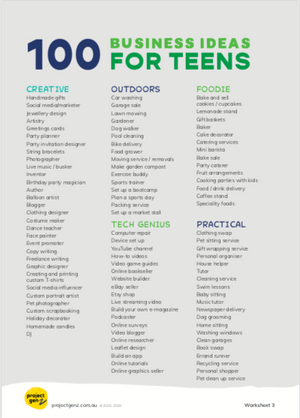
Credit: www.projectgenzshop.com
Managing Startup Costs
Managing startup costs is crucial for small businesses. Keeping expenses low helps you stay afloat and grow steadily. Smart spending ensures funds cover essential needs without waste.
Many startups fail due to poor cost control. Planning your budget carefully can prevent this. Use simple strategies to track and reduce your expenses from day one.
Budgeting Essentials
Create a clear budget before starting your business. List all possible expenses, including equipment, supplies, and marketing. Set limits for each category to avoid overspending.
Review your budget regularly and adjust as needed. Prioritize spending on items that bring immediate value. Avoid unnecessary purchases that do not support your goals.
Cost-effective Tools
Choose affordable tools that meet your business needs. Many software options offer free or low-cost plans for startups. Use these tools for accounting, communication, and project management.
Buy second-hand equipment when possible. This reduces initial costs without sacrificing quality. Look for deals on business essentials like computers and office furniture.
Leveraging Free Resources
Use free online resources to learn and promote your business. Social media platforms provide free marketing opportunities. Join local business groups for advice and networking.
Access free templates for business plans and marketing materials. Public libraries and community centers often offer free workshops. Take advantage of these to build skills and save money.
Building Customer Trust
Building customer trust is the foundation of any small business success. Trust encourages repeat business and referrals. Customers feel safe buying from companies they trust. Small businesses must focus on creating and maintaining this trust. Simple actions can build a strong, positive reputation over time.
Reliability And Reputation
Being reliable means delivering on promises every time. Customers expect products or services to meet their needs. Late deliveries or poor quality damage trust quickly. Keep clear communication about timelines and any changes. Reputation grows when customers share positive experiences. Stay consistent in quality and service to build a solid reputation.
Customer Service Tips
Good customer service turns buyers into loyal clients. Listen carefully to customer concerns and respond quickly. Solve problems without blaming the customer. Be polite and patient, even with difficult clients. Clear, friendly communication creates a positive experience. Follow up after a sale to show you care. Friendly service makes customers feel valued and respected.
Collecting Testimonials
Testimonials are proof that others trust your business. Ask happy customers to share their experiences. Display testimonials on your website and social media pages. Real stories help new customers feel confident. Keep testimonials short and specific for easy reading. Regularly update testimonials to keep content fresh. Positive feedback builds trust and attracts new buyers.
Scaling Your Business
Scaling your business means growing it beyond its current size. This growth brings new opportunities and challenges. Careful planning helps keep success steady and lasting.
Expanding Services
Adding new services attracts more customers and meets more needs. Start by studying your market and clients’ demands. Offer services related to your current skills. This keeps quality high and costs low. Test new services in small steps before full launch.
Hiring And Outsourcing
Hiring helps share the workload and brings fresh ideas. Choose people who fit your business culture. Outsourcing tasks like accounting or marketing saves time and money. Focus on tasks that need your expertise. Use freelancers or agencies for specialist jobs.
Using Technology For Growth
Technology boosts efficiency and reaches more customers. Use software to manage sales, inventory, and customer data. Social media and websites help promote your brand. Automate routine tasks to save time. Keep up with new tools that fit your business.
Frequently Asked Questions
What Business Can I Start With 100 Dollars?
Start service businesses like pet sitting, lawn care, or cleaning using basic tools and supplies. Sell digital products or offer freelance services online. Create handmade crafts or resell thrift items. Promote affiliate products on social media. Balloon twisting and personal assistant services also work well with $100.
What Is The Most Successful Small Business?
The most successful small businesses often include service-based ones like cleaning, pet sitting, and freelance services. Digital products and affiliate marketing also show high profitability. Success depends on skills, market demand, and low startup costs. Tailoring services to niches boosts growth and sustainability.
What Business Has A 90% Success Rate?
Service-based businesses like cleaning, pet sitting, and lawn care often achieve around a 90% success rate due to low startup costs and steady demand.
Which Business Is 100% Profitable?
No business is 100% profitable due to risks and costs. Service and digital businesses often yield higher profit margins.
What Are The Best Low-cost Small Business Ideas?
Service jobs like pet sitting, cleaning, and lawn care need little money to start.
How Can I Start A Business With No Experience?
Choose simple services like dog walking or freelance writing to begin easily.
Which Small Businesses Work Well Online?
Selling digital products, affiliate marketing, and freelance services are great online options.
What Skills Are Needed For Small Business Success?
Basic skills like communication, time management, and customer service help most businesses.
How Much Money Is Required To Start A Small Business?
Many small businesses start with under $500 for supplies and marketing.
Can I Run A Business From Home?
Yes, many ideas like baking, crafts, and online stores work well at home.
Conclusion
Choosing the right small business idea can change your life. Start with what you know or enjoy. Keep your costs low and learn as you grow. Success takes time, patience, and effort. Use these ideas to find your path. Stay focused and keep moving forward.
Every big business began with a simple step. Your future starts with a small idea today.