Are you worried about your job disappearing because of AI? You’re not alone.
But here’s the good news: not all jobs are at risk. Some roles need something AI just can’t replicate—your human touch. Whether it’s caring for others, creating art, or solving hands-on problems, there are careers where your skills stay in demand.
Ready to discover which jobs keep you safe from AI’s reach? Keep reading, because knowing where to focus your energy could make all the difference for your future.
Healthcare Roles
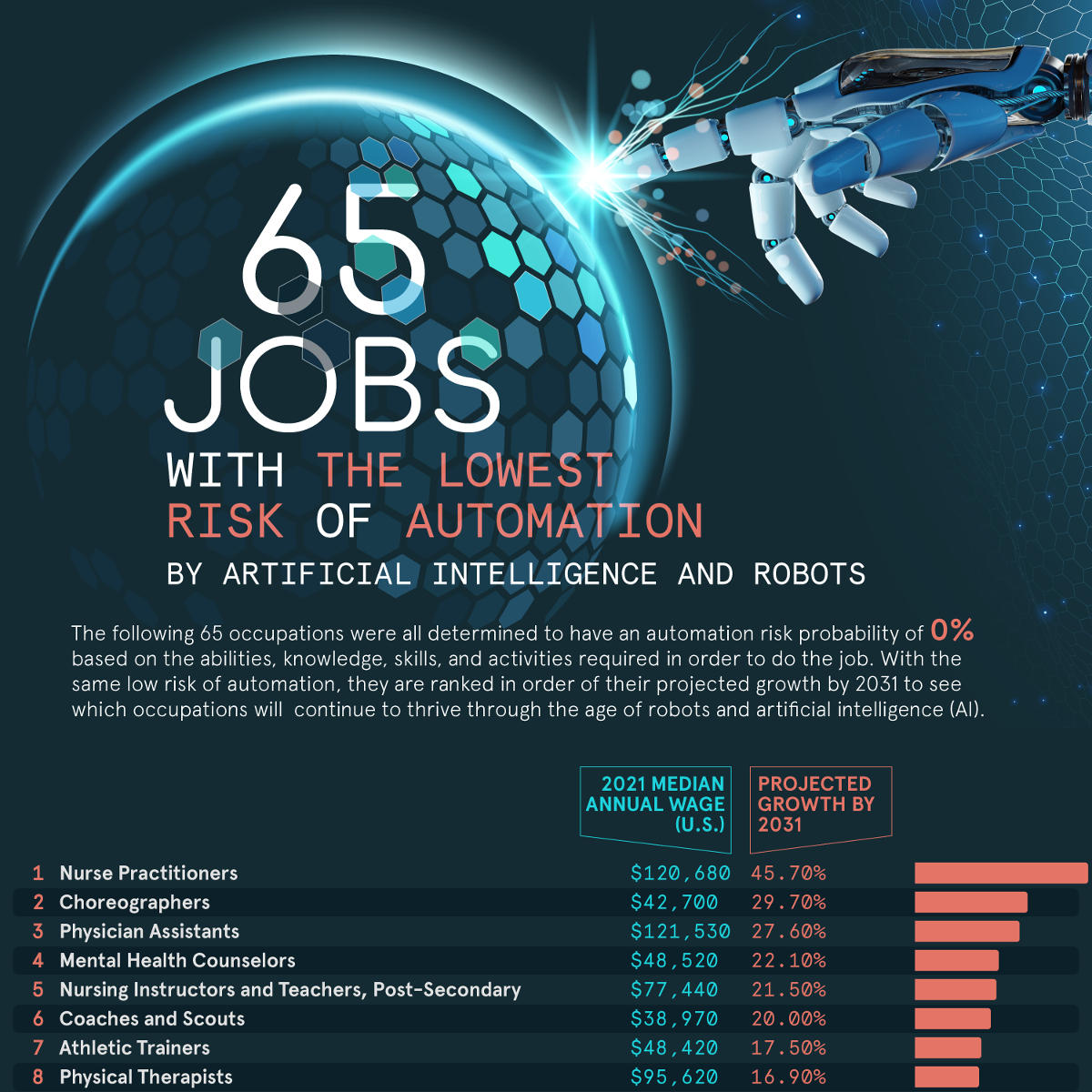
Healthcare roles remain among the safest jobs from AI disruption. These jobs require human skills like empathy, critical thinking, and physical presence. Machines cannot fully replace the personal care and trust these roles demand. People in healthcare often deal with complex, unpredictable situations that need human judgment.
Many healthcare professionals work closely with patients. Their ability to understand emotions and provide comfort is hard to automate. This makes healthcare roles less likely to be replaced by AI. Below are some key healthcare jobs that remain secure.
Nurses And Doctors
Nurses and doctors provide direct patient care. They diagnose illnesses and create treatment plans. These jobs require deep knowledge and hands-on skills. Nurses build strong relationships with patients, offering support and comfort. Doctors make decisions based on complex data and patient history. AI can assist but cannot replace their expertise and care.
Therapists And Counselors
Therapists and counselors help people manage mental health. They listen, understand feelings, and guide patients through challenges. Emotional support and human connection are central to their work. AI lacks the ability to truly empathize or build trust. These roles need personal interaction, which AI cannot mimic.
Physical And Occupational Therapists
Physical and occupational therapists assist patients in regaining movement and skills. They design personalized treatment plans and adapt exercises. These jobs require hands-on care and patient motivation. Therapists adjust their methods based on patient feedback and progress. AI tools can support but not replace their personal touch and adaptability.
Education Sector
The education sector plays a vital role in shaping future generations. It relies heavily on human skills like empathy, creativity, and personal interaction. These qualities are hard for AI to replicate, making many education jobs safer from automation. Teachers and school leaders guide students through complex social and emotional growth. Their work requires understanding, patience, and adaptability.
Teachers And Instructors
Teachers create personalized lessons to fit each student’s needs. They respond to questions, give feedback, and inspire learning. AI tools can assist with grading or providing resources. Still, they cannot replace the human touch needed to motivate and engage students. Instructors also manage classroom dynamics and adapt to changing moods. These tasks demand emotional intelligence and quick thinking. Jobs that involve direct teaching and mentoring remain secure from AI.
School Administrators
School administrators organize daily operations and support staff and students. They handle complex decisions about budgeting, safety, and policies. These responsibilities require judgment and communication skills. AI can help analyze data but cannot fully manage human relations or unexpected situations. Administrators build connections with parents, teachers, and the community. Their role in leadership and problem-solving keeps them safe from AI replacement.
Skilled Trades
Skilled trades involve hands-on work that demands physical skills and problem-solving. These jobs require human judgment and adaptability. Machines and AI find it hard to replicate such complex tasks. This makes skilled trades some of the safest jobs from AI disruption.
Electricians And Plumbers
Electricians and plumbers fix, install, and maintain systems in homes and businesses. Their work needs precise manual skills and quick decision-making. Each job site is different and requires adaptation. AI cannot fully replace this hands-on expertise and troubleshooting ability.
Construction And Landscaping
Construction and landscaping workers build and shape outdoor spaces and buildings. They use various tools and machines but rely on human control. The work changes with weather and terrain, needing constant adjustments. AI struggles with these unpredictable conditions and creative design tasks.
Hazardous Materials Workers
Hazardous materials workers handle dangerous chemicals and waste safely. They follow strict safety rules and respond to emergencies. This work demands careful judgment and quick actions. AI cannot safely manage such high-risk situations without human oversight.
Credit: www.uscareerinstitute.edu
Creative Professions
Creative professions thrive on imagination and personal touch. These jobs need originality, emotion, and unique human experience. Machines can copy patterns but cannot create true originality or deep emotional connection.
Artists, writers, musicians, and chefs bring ideas to life with skill and passion. Their work often reflects culture, feelings, and personal stories. AI lacks the ability to truly feel or experience life, making these roles safer from automation.
Artists And Writers
Artists create visual works that express ideas and emotions. They use colors, shapes, and textures in unique ways. Writers craft stories, poems, and articles that connect with readers. Both need creativity that goes beyond rules or algorithms.
AI can generate images or text but often misses subtle meaning. Original art and deep storytelling require human insight and imagination. This makes artists and writers less likely to be replaced by AI.
Musicians And Performers
Musicians compose and perform music that moves people emotionally. Performers act, dance, and entertain live audiences with energy. These roles depend on timing, emotion, and interaction with others.
AI can produce music but lacks true emotion and spontaneity. The connection between performer and audience is deeply human. This makes musicians and performers safer from AI disruption.
Chefs And Culinary Experts
Chefs create dishes that delight taste buds and tell stories through food. They combine flavors, textures, and presentation in creative ways. Cooking also involves adapting to guests’ preferences and cultural traditions.
AI can follow recipes but cannot innovate or sense flavors. The human touch in cooking makes each dish unique. Chefs’ creativity and adaptability protect their roles from AI takeover.
Personal Care Services
Personal care services involve direct interaction with people, focusing on their well-being and appearance. These jobs rely on human touch, empathy, and creativity. AI cannot fully replicate the personal connection and care provided in these roles. Personal care professionals build trust and respond to individual needs in real time.
This makes personal care services among the safest jobs from AI disruption. The skills used require a human presence and emotional understanding. Below are two key roles within this field that remain resistant to automation.
Hair Stylists And Cosmetologists
Hair stylists and cosmetologists use creativity and skill to enhance appearance. They listen to client preferences and offer personalized advice. Each haircut or style is unique, shaped by human hands and artistic vision.
AI cannot replicate the personal touch needed to create a hairstyle that fits personality and lifestyle. The social interaction and trust built during appointments also play a big role. This makes these jobs safe from AI replacement.
Therapeutic Massage And Wellness
Therapeutic massage therapists provide physical relief and emotional comfort. They use skilled hands to identify tension and apply pressure accordingly. This requires sensitivity to body language and client feedback.
Wellness professionals create a calming environment that supports mental health. AI lacks the ability to feel empathy or adjust pressure intuitively. The personal connection and healing touch ensure these roles remain vital and secure.
Credit: www.reddit.com
Emergency Services
Emergency services play a vital role in protecting lives and property. These jobs demand quick thinking, physical action, and deep human understanding. AI cannot fully replace these roles due to their unpredictable and sensitive nature.
Law Enforcement Officers
Law enforcement requires judgment and empathy. Officers assess situations and make decisions in real time. They interact with diverse people and handle complex social issues. AI tools may assist but cannot take over the human element of policing. Officers build trust and maintain public safety through personal presence and communication.
Firefighters
Firefighters face dangerous and rapidly changing environments. They rescue people, control fires, and manage emergencies with physical skill. Their work involves teamwork, courage, and quick response. AI lacks the ability to act in unpredictable disasters or provide emotional support to victims. Firefighters’ hands-on roles remain essential and irreplaceable by AI.
Legal And Hr Careers
Legal and human resources careers involve skills that AI cannot easily mimic. These fields require deep understanding of people, ethics, and complex judgment calls. They rely on empathy, negotiation, and interpreting laws or policies in ways machines struggle to do. AI tools can assist but not replace the human element essential in these jobs.
Lawyers And Legal Advisors
Lawyers analyze laws, advise clients, and represent them in court. They interpret complex legal rules and apply them to unique situations. AI can help with research but cannot fully grasp nuances or emotional aspects of cases. Legal advisors build trust and persuade judges or juries, skills beyond AI’s reach. Critical thinking and moral judgment keep these roles secure.
Human Resources Managers
Human resources managers handle hiring, training, and employee relations. They assess personalities and resolve conflicts with empathy and fairness. AI can screen resumes but cannot replace human insight in interviews or sensitive discussions. These managers create workplace culture and motivate teams, tasks needing human connection. Their role demands emotional intelligence, making them less vulnerable to AI.
Athletics And Performance
Athletics and performance require unique human skills that AI cannot easily replicate. Physical strength, agility, and real-time decision-making play crucial roles. These fields depend on personal presence and emotional connection with audiences. AI lacks the ability to perform and engage in the same authentic way.
Professional Athletes
Professional athletes rely on physical abilities and practice. Their success depends on training, strategy, and teamwork. AI cannot match human speed, strength, or instinct during live games. Fans enjoy watching real athletes compete with passion and skill. Sports require constant adaptation to changing conditions. Machines can assist with training but cannot replace athletes on the field.
Actors And Comedians
Actors and comedians bring stories and emotions to life. They connect with audiences through expression and timing. AI can generate scripts but cannot deliver performances with true feeling. Humor and emotion depend on understanding human experience. Live performances create a shared moment that AI cannot reproduce. Creativity and spontaneity keep these roles safe from AI takeover.
Jobs Requiring Complex Human Interaction
Jobs requiring complex human interaction involve skills that machines cannot easily replicate. These roles depend on empathy, emotional intelligence, and deep understanding. Humans excel in sensing feelings, building trust, and responding to unique situations. AI lacks the ability to connect on a personal and emotional level. Such jobs remain essential and safe from automation.
Mental Health Professionals
Mental health professionals help people manage emotions and mental challenges. They listen carefully and provide personalized support. These workers use empathy to understand feelings and build trust. Therapy sessions need human connection to be effective. AI cannot replace the subtle emotional cues and understanding humans provide. These roles require patience, compassion, and real-time judgment, which machines cannot mimic.
Social Workers
Social workers assist individuals and families facing difficult life situations. They offer guidance, support, and resources tailored to each case. Social work demands strong communication and deep empathy. They navigate complex social systems and advocate for vulnerable people. AI lacks the ability to judge ethical dilemmas or adapt to changing human emotions. Personal interaction and trust are key in this profession, keeping it safe from AI takeover.
Roles Demanding Manual Dexterity
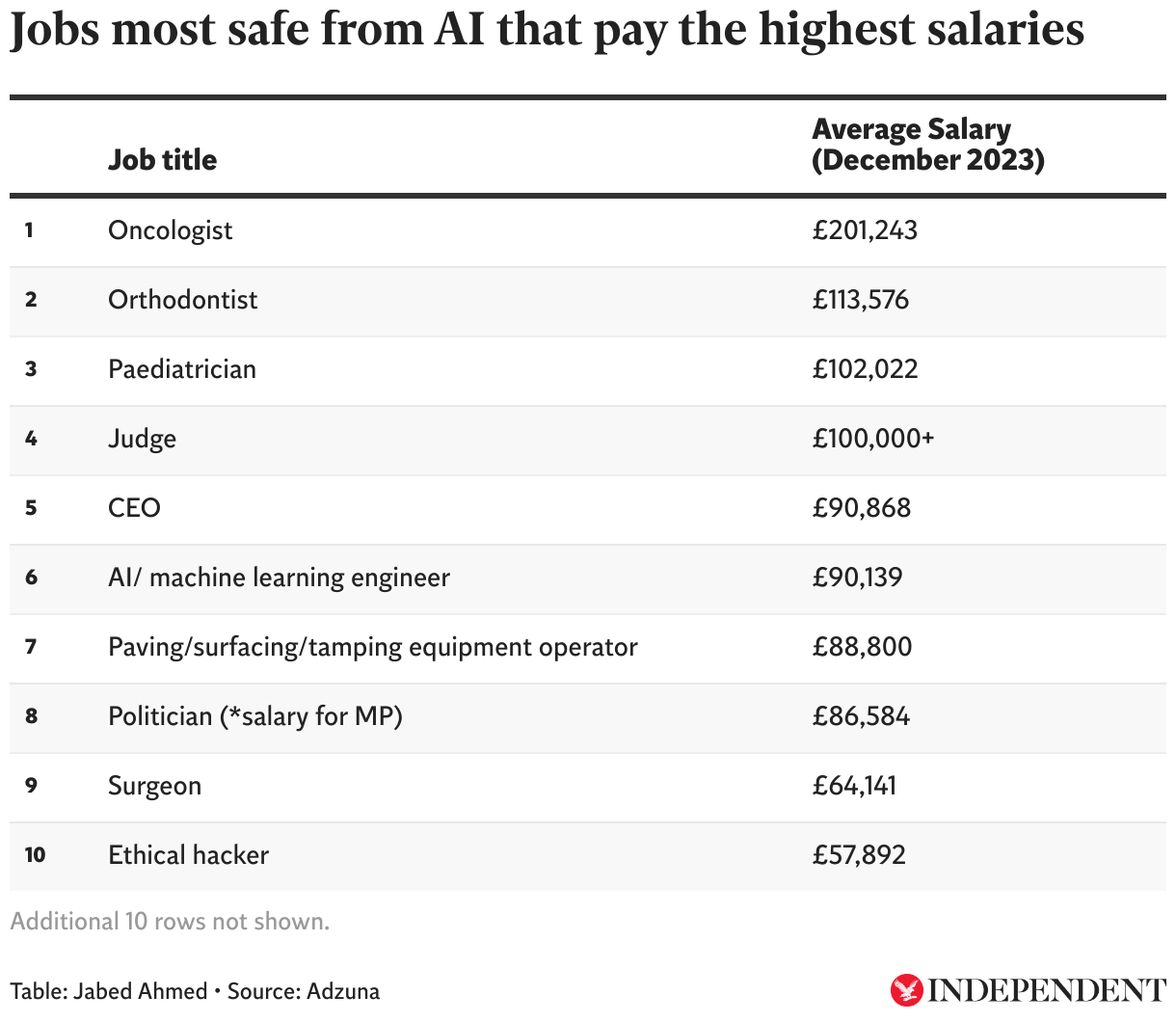
Jobs that need strong hand skills and precise movements remain hard to automate. These roles require workers to handle tools and materials carefully. Machines struggle with complex tasks needing fine motor control and quick adjustments. People in these jobs use their hands and eyes together to fix, build, or create. Such roles offer job security despite advances in AI technology.
Tire Repairers And Roofers
Tire repairers work with small parts and sharp tools. They check tires for damage and fix leaks by hand. The job needs careful touch and quick problem-solving. Machines cannot easily match this skill.
Roofers climb, balance, and use tools on uneven surfaces. They install and repair roofs, adapting to weather and materials. The physical effort and judgment required keep AI from taking over. Roofers’ work depends on flexibility and strength.
Specialized Technicians
Technicians in fields like electronics and machinery repair need steady hands. They disassemble devices, spot tiny faults, and fix parts precisely. These tasks involve delicate handling and detailed knowledge.
Robots can assist but cannot replace the human skill in complex repairs. The ability to adjust techniques on the spot keeps these roles safe. Specialized technicians combine manual dexterity with critical thinking every day.
Credit: www.independent.co.uk
Frequently Asked Questions
What Careers Are Safest From Ai?
Careers safest from AI include healthcare, education, skilled trades, creative arts, and jobs requiring empathy, complex problem-solving, and manual dexterity.
What Jobs Will Ai Never Replace?
Jobs requiring human empathy, creativity, complex problem-solving, and manual skills, like healthcare, education, skilled trades, and creative arts, AI will never replace.
What Jobs Make $3,000 A Month Without A Degree?
Jobs like electricians, plumbers, delivery drivers, sales representatives, and freelance writers can earn $3,000 monthly without a degree.
What Job Is Most At Risk From Ai?
Jobs most at risk from AI include repetitive, data-driven roles like telemarketers, data entry clerks, and routine manufacturing workers. AI replaces tasks with clear rules and minimal human interaction, threatening positions focused on simple, predictable processes rather than creativity or complex decision-making.
What Types Of Jobs Are Safest From Ai Automation?
Jobs needing human touch, creativity, and complex thinking stay safer from AI.
Why Are Healthcare Jobs Less Likely Replaced By Ai?
Healthcare requires empathy, critical judgment, and personal care beyond AI’s reach.
How Does Creativity Protect Jobs From Ai Takeover?
Creative work needs original ideas and emotions, which AI cannot fully copy.
Are Skilled Trade Jobs Safe From Ai Disruption?
Yes, skilled trades like electricians and plumbers involve hands-on problem-solving.
What Role Does Human Interaction Play In Job Safety From Ai?
Jobs with strong personal connections resist AI because machines lack genuine empathy.
Do Education Jobs Face High Risks From Ai Replacement?
Teaching needs adaptability and emotional support, making it harder for AI to replace.
Conclusion
Jobs requiring human touch and creativity remain the safest from AI. Healthcare workers, teachers, and skilled trades rely on skills machines cannot copy. Emotional intelligence and physical dexterity keep these roles secure. Choosing careers in these areas offers stability in the AI era.
Staying adaptable and learning new skills helps protect your job too. AI changes many jobs, but some work always needs humans. Focus on what makes you uniquely human.