If you’ve ever wondered what an LLM in AI actually means and why it’s creating such a buzz, you’re in the right place. Imagine having a tool that understands language almost like a human does—reading, writing, and even having conversations.
That’s exactly what LLMs, or Large Language Models, do. They power some of the smartest AI systems out there, helping you with everything from answering questions to creating content. By the end of this article, you’ll clearly understand what an LLM is, how it works, and why it matters to you—whether you’re curious about technology or looking to use AI in your own projects.
Let’s dive in and uncover the fascinating world behind these powerful language models.

Credit: www.allganize.ai
Large Language Models
Large Language Models (LLMs) are a key part of artificial intelligence today. They help computers understand and generate human language. These models learn from vast amounts of text data. This training allows them to predict and produce words and sentences that make sense.
LLMs have many uses like writing, translating, and answering questions. They can create text that feels natural and human-like. This technology supports chatbots, virtual assistants, and other AI tools.
What Are Large Language Models?
Large Language Models are AI systems designed to work with language. They read and analyze huge collections of text. This helps them learn grammar, facts, and context. They use this knowledge to generate relevant and clear responses.
How Do Large Language Models Work?
LLMs use complex algorithms called neural networks. These networks simulate how the human brain processes language. The models predict the next word in a sentence based on previous words. Over time, they improve their accuracy by learning patterns in the data.
Why Are Large Language Models Important?
LLMs make communication between humans and machines easier. They allow AI to understand questions and give useful answers. This improves customer service, content creation, and many other fields. Their ability to handle natural language brings AI closer to everyday use.
Examples Of Large Language Models
One well-known example is GPT, developed by OpenAI. GPT stands for Generative Pre-trained Transformer. It is powerful at writing text and understanding context. Other LLMs include BERT and T5, which also excel in language tasks.
How Llms Work
Large Language Models (LLMs) process and generate human-like text. They learn from vast text data to understand language patterns. This training helps them predict and create meaningful sentences. The process involves multiple steps that build their ability to communicate.
Data Training
LLMs train on huge collections of text from books, websites, and articles. This data helps the model learn grammar, facts, and context. The more data it sees, the better it understands language.
Tokenization
Text is broken into smaller pieces called tokens. Tokens can be words or parts of words. The model reads and processes these tokens one by one to understand meaning.
Neural Network Architecture
LLMs use a neural network called a transformer. It helps the model focus on important words in a sentence. This attention mechanism improves understanding of context and relationships.
Prediction And Generation
The model predicts the next word or token based on what it has seen. It uses probabilities to choose the most likely word. This process repeats to generate sentences or paragraphs.
Fine-tuning
After initial training, LLMs can be fine-tuned on specific topics. This makes them better at tasks like answering questions or writing in a certain style. Fine-tuning helps adapt the model for real-world uses.
Training Process
The training process of a Large Language Model (LLM) is a key step in building its ability to understand and generate language. It involves feeding the model with huge amounts of text data. The model learns patterns, grammar, facts, and context from this data.
Training helps the LLM predict the next word in a sentence. This simple task teaches the model about language structure and meaning. The process requires powerful computers and can take weeks or months.
Data Collection
Training starts with gathering large text datasets. These include books, articles, websites, and more. The data must be diverse to help the model understand different styles and topics.
Preprocessing
The raw text is cleaned and prepared before training. This step removes errors, duplicates, and irrelevant content. Text is also broken down into smaller parts called tokens for easier processing.
Model Architecture
The LLM uses a structure called a transformer. This design helps the model focus on important words in a sentence. It improves understanding of context and relationships between words.
Training Steps
The model learns by adjusting its internal settings to reduce errors. It compares its predictions with actual text and improves over time. This method is called supervised learning.
Fine-tuning
After initial training, the model can be fine-tuned for specific tasks. This uses smaller, focused datasets. Fine-tuning helps the LLM perform well in areas like translation or question answering.
Transformer Architecture
The Transformer architecture is the foundation of many modern AI models, including large language models (LLMs). It was introduced in 2017 to improve how machines understand and generate language. This architecture uses a method called “attention” to focus on different parts of the input data.
This focus helps the model understand context better than older methods like recurrent neural networks. Transformers can handle long sentences and complex language patterns. This ability makes them ideal for tasks like translation, summarization, and text generation.
Self-attention Mechanism
The self-attention mechanism allows the model to weigh the importance of each word in a sentence. It compares every word to all other words to find connections. This helps the model understand which words affect the meaning the most. The process runs in parallel, making it faster than previous models.
Encoder And Decoder
The Transformer has two main parts: the encoder and the decoder. The encoder reads the input text and creates a representation of its meaning. The decoder uses this representation to produce the output, like translating or generating new text. Some models use only the encoder or the decoder depending on their task.
Scalability And Performance
Transformers can be scaled up by adding more layers and parameters. Larger models learn more complex patterns from vast amounts of data. This scalability leads to better performance in language tasks. The architecture also supports training on many computers at once, speeding up the process.
Gpt And Llms
GPT and LLMs are key terms in artificial intelligence today.
LLM stands for Large Language Model. These models learn from huge text data. They can understand and create human-like language.
GPT, or Generative Pre-trained Transformer, is a type of LLM. It was created by OpenAI. GPT uses a special design called transformer architecture.
All GPT models are LLMs. But not all LLMs are GPT models. LLMs cover many different models from various developers.
GPT is well known for creating clear and natural text. It is a strong example of what LLMs can do.
What Is A Large Language Model (llm)?
LLMs are AI systems trained on vast text collections. They learn patterns in language to predict and generate words. Their size can reach trillions of parameters. This size helps them understand complex language tasks.
How Gpt Fits Into The Llm Family
GPT models use transformer technology to process language. They start with pre-training on general data. Then they fine-tune for specific tasks. This training helps GPT generate relevant and smooth text.
Why Gpt And Other Llms Matter
LLMs, including GPT, change how machines interact with humans. They help in writing, answering questions, and more. Their ability to mimic human language makes AI tools easier to use and more helpful.
Applications Of Llms
Large Language Models (LLMs) have many useful applications in different fields. They help computers understand and create human language. This ability makes tasks easier and faster for people and businesses.
LLMs can write text, answer questions, and translate languages. They work in ways that feel natural and clear. These models support many tools we use daily.
Content Creation And Writing Assistance
LLMs help create articles, stories, and reports quickly. They can suggest ideas and improve grammar and style. Writers use them to save time and get fresh ideas.
Customer Support And Chatbots
Many companies use LLMs to run chatbots that answer customer questions. These bots provide fast and accurate responses. They work 24/7, improving customer experience.
Language Translation
LLMs translate text between languages with good accuracy. They help break language barriers for global communication. Users can understand content from different cultures easily.
Education And Learning
Students and teachers use LLMs to explain complex topics simply. They generate quizzes, summaries, and learning materials. This support makes studying more effective and fun.
Code Generation And Programming Help
LLMs assist programmers by writing and explaining code snippets. They reduce errors and speed up development. New coders find them useful for learning programming basics.
Advantages Of Llms
Large Language Models (LLMs) offer many benefits in the field of artificial intelligence. They help machines understand and create human language with ease. This makes them useful in many areas like writing, translating, and answering questions.
LLMs can handle complex language tasks quickly and accurately. Their ability to learn from vast amounts of data improves their performance over time. These advantages make LLMs a valuable tool for businesses and individuals alike.
Enhanced Language Understanding
LLMs process and interpret language like humans do. They understand context, tone, and meaning in sentences. This allows them to generate relevant and clear responses.
Versatility Across Applications
LLMs work well in many areas. They assist in writing, summarizing, translating, and chatbot communication. This wide range helps different industries improve their services.
Improved Efficiency
LLMs automate tasks that take much time for people. They quickly produce drafts, reports, and answers. This saves effort and speeds up work processes.
Learning From Large Data Sets
LLMs train on huge amounts of text from books, websites, and more. This broad knowledge helps them understand diverse topics and languages.
Human-like Text Generation
LLMs create text that sounds natural and fluent. This quality makes interactions with AI feel more personal and engaging.
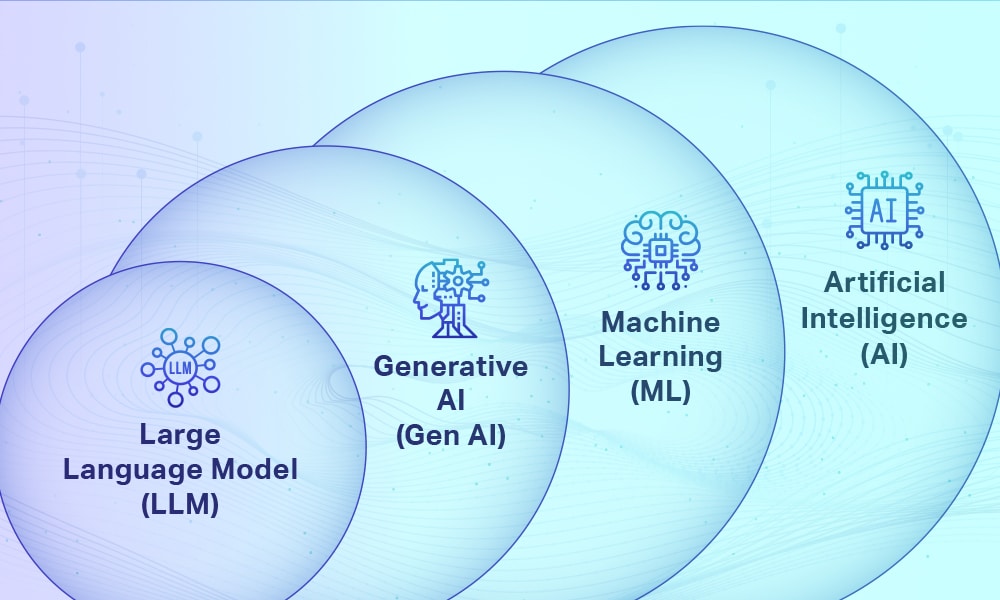
Credit: www.shaip.com
Limitations And Challenges
Large Language Models (LLMs) in AI have advanced rapidly, but they face clear limits. Understanding these challenges helps set realistic expectations. LLMs still struggle with some key issues that affect their reliability and usefulness.
These models require huge data and computing power. Even then, they can produce errors or biased outputs. Let’s explore the main limitations and challenges LLMs face today.
Data Quality And Bias
LLMs learn from large text data collected from the internet. This data often contains biases and mistakes. The model can unknowingly copy these biases. This leads to unfair or incorrect results in some cases.
Cleaning and filtering data is difficult. Bias in training data is a major challenge to fix.
Understanding Context And Meaning
LLMs generate text based on patterns, not true understanding. They can miss the deeper meaning behind words. Context may be lost, causing confusing or irrelevant answers.
Complex questions or abstract ideas remain hard for LLMs to handle well.
High Computational Costs
Training and running LLMs require massive computer resources. This makes them expensive to develop and use. Many organizations cannot afford these costs.
Energy consumption and hardware needs raise concerns about sustainability.
Risk Of Misinformation
LLMs can create believable but false information. They do not verify facts before responding. This can spread incorrect or harmful content if unchecked.
Users must be cautious and verify critical information independently.
Limited Creativity And Reasoning
LLMs excel at mimicking language but lack true creativity. They follow learned patterns without original thought. Logical reasoning and problem-solving are limited.
They cannot replace human judgment or innovation fully.
Future Of Intelligent Tech
The future of intelligent technology looks bright and full of promise. Advances in AI continue to push the boundaries of what machines can do. Large Language Models (LLMs) play a key role in shaping this future. They help machines understand and generate human language with increasing accuracy.
As LLMs grow more advanced, they will impact many industries. From healthcare to education, intelligent tech will improve everyday life. These models will make communication smoother and tasks easier.
Enhanced Human-machine Interaction
LLMs will improve how humans interact with machines. Conversations with AI will feel natural and intuitive. Machines will better understand context and emotions. This will create more helpful and friendly assistants.
Automation Of Complex Tasks
Intelligent tech powered by LLMs will handle more complex jobs. Tasks like writing, coding, and decision-making will be automated. This will save time and reduce human error. People can focus on creativity and strategy instead.
Personalized Learning And Assistance
LLMs will enable personalized learning experiences. AI tutors will adapt to individual needs and pace. This will make education more accessible and effective. Personal assistants will also offer tailored support in daily life.
Ethical And Responsible Ai Development
The future includes a focus on ethical AI use. Developers will work to reduce bias and ensure transparency. Responsible AI will protect privacy and promote fairness. Trustworthy intelligent tech will gain wider acceptance.
Choosing The Right Model
Choosing the right large language model (LLM) in AI is key for success. Different models have different strengths and purposes. Selecting the best model depends on your needs, data, and computing power.
Every LLM has unique features. Some models excel at understanding context, while others generate more creative text. Knowing these differences helps you pick the right one.
Understanding Model Size And Capacity
LLMs come in various sizes, from smaller to very large. Larger models usually perform better but need more resources. Smaller models run faster and require less memory. Balance size with your hardware limits and task requirements.
Evaluating Model Training Data
Training data affects model knowledge and bias. Some LLMs train on general data, others on specific topics. Choose a model trained on data related to your field for better results. This improves relevance and accuracy.
Considering Use Case And Application
Different tasks need different models. For chatbots, use models that generate natural conversation. For summarizing text, pick models focused on comprehension. Match the model to your specific AI application.
Checking Model Accessibility And Cost
Some LLMs are open source and free. Others require licenses or subscriptions. Consider your budget and access needs. Open source models offer flexibility, but commercial models may provide better support.
Testing Model Performance
Always test models before full use. Run sample tasks to check speed and accuracy. Testing helps avoid surprises and ensures the model fits your goals. It also reveals any limitations early on.
.jpeg)
Credit: springsapps.com
Frequently Asked Questions
What Is The Difference Between Gpt And Llm?
LLM stands for Large Language Model, a broad AI category trained on vast text data. GPT is a specific type of LLM developed by OpenAI, known for generating human-like text. All GPTs are LLMs, but not all LLMs are GPTs.
GPT excels in text generation and conversation.
What Does Llm Mean In Ai?
LLM stands for Large Language Model, an AI trained on massive text data to understand and generate human language. It powers applications like chatbots, translation, and text analysis. GPT is a popular type of LLM known for generating coherent, context-aware text.
What Is An Llm In Chatgpt?
An LLM (Large Language Model) is an AI trained on massive text data to understand and generate human language. ChatGPT uses a specific LLM called GPT, designed for natural, coherent conversations and text generation.
What Is An Example Of An Llm Ai?
An example of an LLM AI is OpenAI’s GPT-4. It generates human-like text for chat, writing, and more.
What Does Llm Stand For In Ai?
LLM means Large Language Model, a type of AI that understands and creates human text.
How Do Llms Work In Artificial Intelligence?
LLMs learn patterns from huge text data to predict and generate language like humans.
What Are Common Uses Of Llms Today?
LLMs help in chatbots, writing assistance, translation, summarizing texts, and answering questions.
How Is Gpt Related To Llm?
GPT is a popular type of LLM made by OpenAI, known for human-like text generation.
Why Are Llms Important In Ai Development?
LLMs improve communication between humans and machines by understanding natural language better.
What Data Is Used To Train Llms?
They are trained on large collections of books, articles, websites, and other text sources.
Conclusion
Large Language Models (LLMs) play a key role in AI today. They help machines understand and generate human language. LLMs learn from huge amounts of text data. This training allows them to perform many tasks, like translation and text analysis.
GPT is one well-known example of an LLM. Knowing what LLMs are helps us see AI’s potential. These models continue to improve how we interact with technology every day.