What is Agentic AI, and why should it matter to you? Imagine having a smart assistant that doesn’t just follow simple commands but thinks ahead, plans actions, and solves problems on its own.
That’s exactly what agentic AI does. Unlike traditional AI that waits for your input, agentic AI takes charge by setting goals, making decisions, and using tools to get things done—all without constant supervision. You’ll discover how agentic AI can transform the way you work and live by handling complex tasks autonomously.
Ready to see how this powerful technology can simplify your life and boost your productivity? Keep reading to unlock the secrets behind agentic AI and why it’s becoming a game-changer for businesses and individuals alike.
Agentic Ai Basics
Agentic AI is a type of artificial intelligence that acts independently. It can plan, make decisions, and take actions to reach specific goals. This AI does not just respond to commands; it works proactively.
Unlike traditional AI, which may only react or generate content, agentic AI handles complex tasks. It can manage multi-step processes without needing human help all the time. This makes it useful for many real-world applications.
What Is Agentic Ai?
Agentic AI refers to systems that operate on their own. They use reasoning and planning to complete tasks. These systems can choose the best steps to meet their objectives.
Agentic AI uses memory to learn from past actions. It reflects on results to improve future decisions. It also integrates with tools to perform tasks better. This makes it adaptive and efficient.
Agentic AI starts by setting a clear goal. Then, it plans actions to reach that goal. It executes these steps and adjusts based on feedback. This cycle helps it work without constant human input.
How Agentic Ai Works
Agentic AI works by combining several smart processes that help it act independently. It plans ahead, uses tools effectively, and learns from past experiences. These abilities let it solve complex tasks step-by-step. Understanding how agentic AI works shows why it performs better than traditional AI in many cases.
Planning And Reasoning
Agentic AI starts by setting clear goals. It breaks these goals into smaller steps. Then, it reasons through possible actions to choose the best path. This careful planning helps the AI stay focused and efficient. Unlike simple AI that reacts, agentic AI thinks ahead to solve problems.
Tool Integration
Agentic AI can connect with various tools to complete its tasks. These tools include software, databases, or external systems. By using these tools, the AI can gather information and perform actions beyond its own capabilities. This integration makes agentic AI more powerful and flexible in real-world situations.
Memory And Reflection
Agentic AI remembers past actions and results. It reviews this information to improve future decisions. This reflection helps the AI learn from mistakes and successes. Over time, agentic AI becomes smarter and more reliable. Memory and reflection make it adaptive and better at handling new challenges.
Key Features Of Agentic Ai
Agentic AI stands out by its ability to operate independently and make decisions. It is built to perform tasks with minimal human help. Its core features enable it to handle complex problems and adapt in real time. Understanding these features clarifies why agentic AI is becoming essential in many fields.
Autonomy And Goal Orientation
Agentic AI works on its own without needing constant guidance. It sets clear goals and plans steps to reach them. This autonomy allows it to manage tasks efficiently. It can prioritize actions to meet objectives faster. This feature makes it ideal for dynamic environments.
Context Awareness
Agentic AI understands the situation around it. It gathers and processes relevant information continuously. This awareness helps it make better decisions. It adjusts its behavior based on the context it detects. This ability reduces errors and increases task success.
Adaptability And Learning
Agentic AI learns from experience to improve over time. It adapts to new data and changing conditions quickly. This learning helps it handle unexpected challenges effectively. It updates its strategies to achieve goals more efficiently. Continuous learning makes it smarter and more reliable.
Agentic Ai Vs Traditional Ai
Agentic AI and traditional AI differ in how they operate and solve problems.
Traditional AI mainly reacts to inputs and follows fixed patterns. Agentic AI acts independently to reach specific goals.
This new AI type plans actions and adapts as situations change. It uses memory and reasoning to improve results over time.
What Is Traditional Ai?
Traditional AI works by recognizing patterns and responding to commands.
It often requires human guidance for each task. Examples include chatbots and image recognition.
This AI type cannot plan steps ahead or adjust its strategy deeply.
What Is Agentic Ai?
Agentic AI operates with autonomy and purpose. It sets goals and decides how to achieve them.
It can perform complex tasks without human help. It learns from past actions to improve.
Agentic AI uses tools and memory to handle multi-step workflows effectively.
Key Differences Between Agentic And Traditional Ai
Traditional AI reacts to inputs. Agentic AI acts proactively.
Traditional AI follows simple rules. Agentic AI plans and reasons.
Traditional AI needs constant supervision. Agentic AI works independently.
Agentic AI adapts to new situations. Traditional AI lacks flexibility.
Applications In Intelligent Automation
Agentic AI plays a vital role in intelligent automation. It enables machines to perform tasks without constant human help. This boosts efficiency and cuts down errors. Businesses use agentic AI to automate complex processes that require decision-making and adaptability.
By combining planning and reasoning, agentic AI handles multi-step workflows. It adapts to new data and adjusts actions to meet goals. This ability makes it useful across industries like finance, healthcare, and manufacturing.
Automated Decision-making
Agentic AI can analyze data and make decisions quickly. It evaluates options and chooses the best action to reach goals. This reduces the need for human approval in routine processes. For example, it can approve loan applications or optimize supply chains.
Process Optimization
Agentic AI identifies inefficiencies and suggests improvements. It learns from past actions and adapts workflows for better results. This leads to faster operations and cost savings. Factories use it to streamline production lines and reduce downtime.
Personalized Customer Interactions
Agentic AI can handle customer requests with tailored responses. It understands user needs and guides them through solutions. This improves customer satisfaction and reduces support workload. Chatbots and virtual assistants benefit from this capability.
Proactive Maintenance
Agentic AI predicts when machines need service before failure occurs. It schedules maintenance tasks automatically to avoid downtime. This helps industries maintain equipment and reduce repair costs. It also improves overall system reliability.

Credit: www.creatio.com
Benefits For Enterprises
Agentic AI offers clear benefits for enterprises aiming to improve efficiency and decision-making. It acts independently to complete tasks, reducing the need for constant human oversight. Enterprises can use agentic AI to handle complex workflows and adapt to new challenges quickly.
By automating routine and strategic tasks, businesses save time and lower operational costs. Agentic AI also helps companies stay competitive by providing faster, more accurate results. These advantages make agentic AI a valuable tool for modern enterprises.
Enhanced Operational Efficiency
Agentic AI can manage multiple tasks without human input. It plans and executes workflows, freeing employees to focus on higher-value work. This leads to faster processes and fewer errors in daily operations.
Improved Decision-making
Agentic AI analyzes data and identifies patterns that humans might miss. It offers insights that support better business decisions. Enterprises benefit from data-driven strategies that boost growth and reduce risks.
Cost Reduction
Automating tasks with agentic AI cuts down on manual labor costs. It lowers expenses related to errors and delays. This technology helps companies do more with less, improving their bottom line.
Scalability And Flexibility
Agentic AI adapts easily to changing business needs. It scales operations up or down without extra staffing. Enterprises gain flexibility to respond quickly to market demands and opportunities.
24/7 Availability
Agentic AI works around the clock without breaks. It ensures continuous operation and faster response times. This availability improves customer service and keeps businesses running smoothly.
Challenges And Limitations
Agentic AI offers many benefits, but it also faces challenges. These systems must balance autonomy with safety and reliability. Understanding these limits helps set realistic expectations.
Developers and users must consider technical, ethical, and practical difficulties. Addressing these issues is key to improving agentic AI technology.
Technical Complexity
Agentic AI involves complex planning and decision-making processes. Building systems that act independently is difficult. They require advanced algorithms and vast computing power.
Errors can occur if the AI misinterprets data or goals. Debugging autonomous agents is harder than traditional AI systems.
Data Dependence And Quality
Agentic AI needs large amounts of high-quality data. Poor or biased data affects its performance. This can lead to wrong decisions or unfair outcomes.
Maintaining updated and accurate data is a continuous challenge. Without it, agentic AI may fail to adapt or learn properly.
Ethical And Safety Concerns
Autonomous actions raise ethical questions about control and accountability. Who is responsible if the AI causes harm? Ensuring safe behavior is a major concern.
Designing safeguards to prevent misuse or unintended consequences is essential. Transparent decision-making helps build user trust.
Limited Understanding Of Context
Agentic AI may struggle with understanding complex human contexts. It can miss subtle cues or misunderstand situations. This limits its effectiveness in real-world scenarios.
Improving context awareness requires better models and richer data. Until then, human oversight remains necessary.
Resource And Cost Constraints
Developing and running agentic AI systems can be costly. They demand significant hardware and energy resources. Small businesses may find adoption difficult.
Balancing performance with cost is a key challenge. Efficient designs and cloud solutions can help reduce expenses.
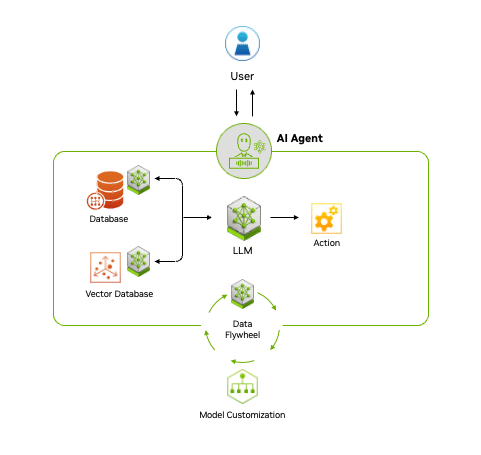
Credit: blogs.nvidia.com
Agentic Ai In Cloud Platforms
Agentic AI in cloud platforms represents a new step in artificial intelligence. These AI systems work on their own to reach specific goals. They do not just respond or generate content. Instead, they plan, reason, and act independently.
Cloud platforms provide the needed power and tools for agentic AI. They allow AI agents to access large data and computing resources. This makes it easier to handle complex tasks and workflows.
What Makes Agentic Ai Suitable For Cloud Platforms?
Agentic AI needs strong computing power to work well. Cloud platforms offer scalable and flexible resources. This means AI agents can grow and adapt as needed. The cloud also supports multiple AI tools working together smoothly.
Benefits Of Running Agentic Ai On The Cloud
Cloud platforms provide fast data access and storage. This lets agentic AI analyze information quickly. They also offer security features that protect sensitive data. Businesses can deploy AI agents anywhere in the world with cloud support.
Examples Of Agentic Ai Use In Cloud Platforms
Many companies use agentic AI on clouds for automation. For example, AI agents can manage customer service requests without human help. They also handle supply chain operations by planning and adjusting in real-time. These AI agents improve efficiency and reduce errors.
Future Trends In Agentic Ai
The future of agentic AI holds exciting possibilities. This technology will evolve to become more autonomous and efficient. It will handle complex tasks with minimal human help. Agentic AI will integrate better with various tools and systems. This change will improve how businesses and individuals use AI daily.
Emerging trends show agentic AI gaining smarter decision-making skills. It will learn from past actions to improve future performance. The growth of agentic AI will impact many industries, including healthcare, finance, and customer service.
Enhanced Autonomous Decision-making
Agentic AI will make more complex decisions on its own. It will analyze data, predict outcomes, and act accordingly. This will reduce the need for human supervision. The AI will plan several steps ahead to reach goals. Businesses will rely on this ability to save time and resources.
Integration With Advanced Tools
Future agentic AI will connect smoothly with various software and devices. It will use external tools to perform tasks better. This integration will allow AI to complete multi-step workflows efficiently. For example, it might combine data analysis with communication tools. This will create seamless automation across platforms.
Improved Learning And Adaptability
Agentic AI will continuously learn from its experiences. It will adjust strategies based on success or failure. This adaptability will make AI more reliable and flexible. It will remember past actions to avoid repeated mistakes. The AI will evolve with changing environments and user needs.
Expanded Use In Everyday Life
Agentic AI will become part of daily activities for many people. It will assist with scheduling, shopping, and personal finance. Smart homes and devices will use agentic AI for better automation. This will make everyday tasks easier and faster. People will enjoy more personalized and proactive support.
Ethical And Transparent Ai Development
Future trends will focus on making agentic AI ethical and clear. Developers will build systems that respect user privacy and data. Transparency in AI decisions will become standard practice. This will increase trust and acceptance of agentic AI. Responsible AI use will guide its growth and impact.

Credit: blogs.nvidia.com
Ethical Considerations
Ethical considerations play a crucial role in the development and use of agentic AI. These systems act on their own to achieve goals, which raises important questions. How can we ensure their actions align with human values? What safeguards are needed to prevent harm?
Understanding these concerns helps build trust in agentic AI. It also guides developers to create responsible and safe AI solutions. Below are key ethical topics to consider when working with agentic AI.
Transparency And Accountability
Agentic AI decisions can impact lives significantly. Transparency means explaining how these systems make choices. Users and regulators must understand AI behavior clearly.
Accountability holds developers and organizations responsible for AI actions. Clear rules help manage risks and correct mistakes. This builds public confidence in agentic AI technology.
Bias And Fairness
Agentic AI learns from data, which may contain biases. Biased AI can cause unfair treatment or discrimination. Constant monitoring and testing can reduce these risks.
Developers must use diverse data and fair algorithms. This ensures AI treats all people equally and respects human rights.
Privacy And Data Protection
Agentic AI often uses personal data to make decisions. Protecting this data is essential to avoid misuse. Strict privacy measures must be in place.
Users should know what data is collected and how it is used. Secure handling of information prevents breaches and builds trust.
Human Control And Safety
Despite autonomy, agentic AI should remain under human supervision. Humans must intervene if AI behaves unexpectedly or dangerously.
Safety protocols and kill-switches help control AI actions. This prevents harm and maintains human authority over AI systems.
Frequently Asked Questions
What Is The Meaning Of Agentic Ai?
Agentic AI autonomously plans, reasons, and acts to achieve goals using tools and memory. It performs complex tasks without human help.
What Is The Difference Between Ai And Agentic Ai?
AI generates content or responses based on data. Agentic AI autonomously plans, reasons, and acts to achieve goals without constant human input.
Is Chatgpt An Agentic Ai?
ChatGPT is not an agentic AI. It generates responses but does not autonomously plan or act to achieve goals.
What Is The Difference Between Agentic Ai And Genai?
Agentic AI autonomously plans, reasons, and acts to achieve goals using tools. GenAI generates content based on patterns without autonomous planning.
What Is Agentic Ai In Simple Terms?
Agentic AI is a type of artificial intelligence that acts on its own to reach goals.
How Does Agentic Ai Differ From Traditional Ai?
Agentic AI plans and acts independently, while traditional AI mainly reacts or generates content.
What Are The Main Features Of Agentic Ai?
Key features include autonomy, goal-driven planning, memory use, and multi-step task handling.
Why Is Agentic Ai Important For Businesses?
It helps automate complex tasks, saving time and reducing the need for human oversight.
Can Agentic Ai Work Without Human Help?
Yes, it can operate autonomously by making decisions and adjusting actions as needed.
What Industries Benefit Most From Agentic Ai?
Industries like finance, healthcare, and customer service gain from automated, goal-based AI.
Conclusion
Agentic AI acts on its own to meet specific goals. It plans, thinks, and uses tools like a human does. This kind of AI handles many tasks without needing help all the time. It learns from experience and gets better over time.
Agentic AI helps businesses and individuals by making work faster and easier. Understanding agentic AI can show how technology is changing today. It is an important step in AI development and use.