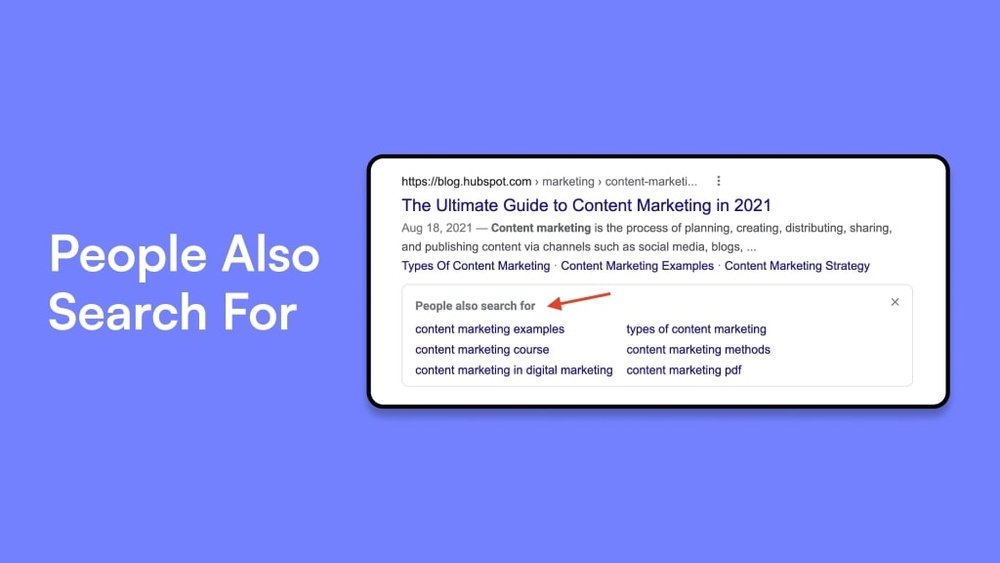
Have you ever noticed the “People Also Search For” box when you Google something? It’s that helpful section that shows related searches others made after looking up the same thing you did.
But why does it matter to you? Understanding this feature can unlock powerful insights into what people are really interested in—and how you can use these clues to find better information or improve your own online presence. You’ll discover what “People Also Search For” means, how it works, and how you can use it to your advantage, whether you’re searching smarter or boosting your website’s visibility.
Keep reading to turn this simple Google feature into your secret weapon.
Google’s Related Searches
Google’s “People Also Search For” shows related searches that others looked up. It helps find similar topics or new ideas linked to your query. This feature guides users to explore more information easily.
What Are Google’s Related Searches?
Google’s Related Searches help users find more information on topics. This feature shows search terms similar to the original query. It appears at the bottom of the search results page.
These suggestions guide users to explore ideas they may not have thought about. They can discover new angles or related subjects quickly. This makes searching easier and more thorough.
How Related Searches Improve User Experience
Related Searches offer quick links to other popular queries. Users get more options without typing new words. This saves time and effort during research.
The feature helps users refine their search intent. It connects them to relevant content that fits their needs. This leads to better search satisfaction and discovery.
Impact On Seo And Content Strategy
For website owners, Related Searches reveal what users want. These terms highlight trending and connected keywords. Optimizing content around these can boost site traffic.
Using Related Searches data allows targeting of broader topics. It can help create content that answers more user questions. This increases visibility and relevance in Google results.
Role Of Pasf In Seo
The “People Also Search For” (PASF) feature plays a key role in SEO strategies. It helps search engines understand what users want beyond their initial query. PASF suggests related topics that users frequently explore. This insight guides content creators to target relevant keywords. Aligning content with PASF terms can improve search rankings and visibility.
Using PASF data allows websites to cover broader topics. It helps capture traffic from users with similar interests. Search engines favor content that matches user intent, increasing engagement. PASF keywords often reveal questions or needs users have. Addressing these in your content can boost your site’s authority.
Understanding User Intent Through Pasf
PASF shows what users search next after a query. This reflects their true interests and problems. SEO experts use this data to create content that meets these needs. Targeting PASF keywords means answering questions users care about. Content that matches intent reduces bounce rates and improves rankings.
Enhancing Keyword Research With Pasf
PASF offers a rich source of related keywords. These keywords expand the scope of your research. They help discover long-tail keywords with lower competition. Incorporating PASF terms increases chances of ranking for multiple queries. This strategy attracts more diverse and qualified traffic.
Improving Content Relevance And Depth
Integrating PASF topics makes content more comprehensive. It covers various angles users are interested in. This improves user experience by providing complete answers. Search engines reward content that is thorough and useful. PASF helps identify gaps in existing content to fill.
Boosting Internal Linking Strategies
PASF keywords suggest related content ideas for internal links. Linking to relevant pages keeps users engaged longer. It helps search engines crawl your site more effectively. Strong internal linking improves page authority and SEO performance. PASF insights guide which pages to connect.
Finding Hidden Keywords
Discovering hidden keywords can boost your SEO strategy effectively. These keywords often lie beneath common search terms. Using the “People Also Search For” section uncovers these valuable phrases. This section reveals what other users searched related to your main keyword. It helps you find new ideas that your audience uses but you might miss.
Hidden keywords can be less competitive and more targeted. They often bring high-quality traffic to your site. Exploring these terms can improve your content relevance. This leads to better rankings and more visitors. Let’s explore how to find these hidden keywords using simple methods.
Using Google’s People Also Search For Feature
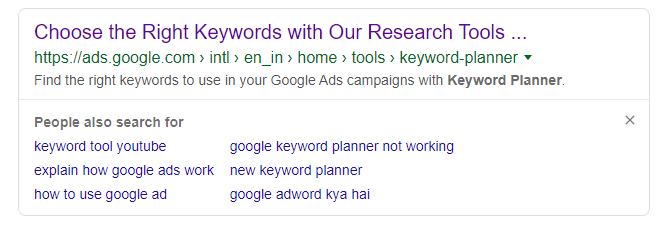
Google’s “People Also Search For” box shows related queries. These queries come from real user searches. Check this section for ideas that complement your main keyword. Note the exact words and phrases people enter. These can become new keywords for your content.
Include these related terms naturally in your articles. This increases the chance of ranking for multiple keywords. It also helps Google understand your content better. Use this feature to build a list of hidden keywords quickly.
Analyzing Competitor Keywords
Look at competitors who rank well for your target keywords. Check their content for phrases that appear often. Use tools to extract keywords from their pages. Many hidden keywords hide in competitor blogs or product descriptions.
Add these keywords to your own content. Tailor them to fit your style and audience. This method uncovers terms that attract real visitors. It also reveals gaps in your current keyword list.
Using Keyword Research Tools
Keyword research tools show popular and long-tail keywords. Enter your main keyword and explore the suggestions. Look for terms with moderate search volume but low competition. These are often hidden gems.
Tools can also show questions and related searches. These provide ideas for blog posts or FAQs. Choose keywords that match your audience’s intent. This approach helps you target real user needs.
Using Pasf For Content Ideas
People Also Search For (PASF) offers a valuable source of content ideas. It reveals related questions and topics that real users explore.
These suggestions help you find new angles and keywords. PASF guides you to create content that matches user intent closely.
Understanding User Intent Through Pasf
PASF shows what people want to know beyond your main topic. It helps you understand their needs and interests better.
By studying these related searches, you can tailor your content to answer specific questions. This improves user engagement and satisfaction.
Finding Long-tail Keywords With Pasf
Long-tail keywords often appear in the PASF section. These are more detailed phrases that attract targeted traffic.
Using them in your content helps you rank for less competitive but highly relevant searches. This increases your chances of reaching the right audience.
Generating Fresh Content Ideas Quickly
PASF provides ready-made topics that users care about. This saves time brainstorming new content ideas.
Incorporate these related searches into blog posts, FAQs, or videos. It keeps your content diverse and useful.
Improving Seo With Pasf Insights
Google values content that covers related topics well. PASF helps you create comprehensive content clusters.
This boosts your site’s authority and relevance in search results. It can lead to better rankings and more organic traffic.
Tools To Extract Pasf Keywords
Extracting keywords from the “People Also Search For” (PASF) section helps improve SEO strategies. These keywords reveal what users search related to your main topic. Using the right tools makes this process simple and effective.
These tools gather PASF keywords directly from Google or other sources. They help find terms users often look for together. This insight aids in creating content that matches user intent better.
Google Search Console
Google Search Console shows queries that bring visitors to your website. It helps identify related keywords people use in searches. You can analyze this data to find new PASF keyword ideas. The tool is free and reliable for website owners.
Keyword Everywhere
Keyword Everywhere is a browser add-on that shows related keywords in search results. It displays PASF keywords alongside your main query. This tool provides search volume and competition data too. It works on Google and other search engines.
Answerthepublic
AnswerThePublic visualizes questions and keywords around your topic. It collects data from search engines, including PASF suggestions. This tool helps find long-tail keywords and user intent. It is useful for content planning and SEO research.
Ahrefs Keyword Explorer
Ahrefs Keyword Explorer extracts related keywords and PASF data from Google. It offers detailed metrics such as search volume and keyword difficulty. This tool supports competitive analysis and content gap discovery. It requires a subscription but provides deep insights.
Ubersuggest
Ubersuggest shows keyword ideas including PASF suggestions. It provides search volume and SEO difficulty scores. The tool helps identify new keywords to target in content. It is beginner-friendly and offers a free plan with limited features.
Analyzing Keyword Intent
Understanding keyword intent is key to using the “People Also Search For” feature effectively. It reveals what users want when they type certain search terms. This insight helps shape content that matches user needs.
Keyword intent breaks down into different types. Each type guides how to approach content creation. Recognizing these types improves SEO results and user engagement.
Informational Intent
Users seek answers or knowledge. They want facts, explanations, or how-to guides. Content should be clear, simple, and helpful. This intent often appears in question-based searches.
Navigational Intent
Users try to find a specific website or page. They already know where they want to go. Content must ensure easy access to the right destination. Proper site structure and clear links support this intent.
Transactional Intent
Users plan to buy or complete an action. They search for products, services, or deals. Content needs strong calls to action and product details. This intent drives conversions and sales.
Commercial Investigation
Users compare options before deciding. They look for reviews, pros and cons, or pricing. Content should offer unbiased information and comparisons. This helps users make informed choices.
Monitoring Keyword Performance
Monitoring keyword performance is essential for understanding how well your chosen keywords attract visitors. It helps you see which words drive traffic and which need adjustment. Tracking these trends improves your content and SEO strategy over time.
By watching keyword performance, you can spot new opportunities in the “People Also Search For” section. This reveals related terms that people search alongside your main keywords. Using this data can expand your reach and refine your content focus.
Using Analytics Tools To Track Keywords
Analytics tools provide detailed reports on keyword rankings and traffic. They show how often keywords appear and their click rates. Google Search Console and other SEO tools offer easy-to-understand metrics for this purpose.
Evaluating Keyword Trends Regularly
Keyword popularity changes as user behavior shifts. Checking trends weekly or monthly helps you stay current. Adjust your content based on new keywords that gain traction in the “People Also Search For” list.
Adjusting Content Based On Keyword Data
Use the insights from keyword monitoring to tweak your articles. Add new keywords or rewrite sections to better match user searches. This keeps your content relevant and improves your search rankings.
Credit: keywordseverywhere.com
Integrating Pasf Keywords Strategically
Integrating People Also Search For (PASF) keywords can boost your content’s relevance. These keywords reflect real user queries related to your main topic. Including them helps search engines understand your content better and connect you with broader search intent.
Using PASF keywords strategically improves SEO by targeting related terms users frequently search. It also enhances user experience by providing more comprehensive answers. This approach can increase your content’s visibility on search engine results pages (SERPs).
Identify Relevant Pasf Keywords
Start by analyzing the PASF keywords related to your main keyword. Use tools that show these suggestions clearly. Pick keywords that match your content theme and user intent. Avoid unrelated or overly broad terms to keep your content focused.
Incorporate Pasf Keywords Naturally
Add PASF keywords within your content without forcing them. Use them in headings, subheadings, and body text. Keep the language simple and clear to maintain readability. Natural integration keeps readers engaged and avoids keyword stuffing penalties.
Optimize Content Structure With Pasf Keywords
Use PASF keywords to create new sections or expand existing ones. Organize content so that related keywords support each other. This structure helps search engines understand topic depth. It also guides readers through logical content flow.
Monitor And Update Pasf Keywords Regularly
Search trends change often, so update PASF keywords periodically. Check which related keywords bring traffic and which do not. Refine your content by adding new relevant PASF keywords. Continuous updates keep your content fresh and competitive.
Avoiding Keyword Cannibalization
Keyword cannibalization happens when multiple pages on your site target the same keyword. This can confuse search engines about which page to rank. It lowers your chances of ranking high and divides your page authority.
People Also Search For data helps avoid this problem. By analyzing related search queries, you can plan unique keywords for each page. This improves your SEO and user experience.
What Is Keyword Cannibalization?
Keyword cannibalization means several pages compete for the same keyword. Instead of one strong page, you have many weak ones. This harms your site’s ranking and traffic.
How People Also Search For Helps
Google shows related searches in the People Also Search For box. These suggest different but related keywords users search for. Using these keywords can spread your content focus.
Choose unique keywords from this list for each page. This prevents your pages from competing against each other.
Steps To Avoid Cannibalization Using Related Keywords
- Check People Also Search For for each main keyword.
- Assign different but related keywords to different pages.
- Update page titles and meta descriptions with unique keywords.
- Use internal linking to connect related content clearly.
- Review your content regularly to avoid overlaps.

Credit: www.ezrankings.com
Tracking Traffic Growth
Tracking traffic growth is essential for understanding your website’s performance. It shows how many visitors come to your site over time. This helps you see if your efforts are working.
Monitoring traffic growth lets you adjust your strategies. You can focus on what attracts more visitors. It also helps spot problems early, so you can fix them fast.
Using Analytics Tools
Analytics tools like Google Analytics give detailed traffic data. They show where visitors come from and what pages they visit. These tools also track how long users stay on your site. This information helps improve your content and user experience.
Measuring Traffic Sources
Understanding where your traffic comes from is key. Traffic sources include search engines, social media, and direct visits. Knowing which source drives the most visitors helps you focus your marketing efforts. It also reveals new opportunities to grow your audience.
Tracking Keyword Performance
Keywords are the words users type in search engines. Tracking keyword performance shows which keywords bring traffic. You can optimize content to rank higher for these keywords. This increases your chances of gaining more visitors.
Setting Traffic Growth Goals
Setting clear goals keeps your efforts focused. Goals can be a specific number of visitors or growth rate. Regularly check your progress to stay on track. Adjust your strategies based on what the data shows.
Credit: www.rankingbyseo.com
Frequently Asked Questions
What Does It Mean When Google Says People Also Searched For?
“People Also Search For” shows related queries others searched after the original query. It helps users explore similar topics and refine searches.
What Is People Also Search For?
“People Also Search For” shows related queries Google users searched alongside your main search. It helps discover alternative, relevant topics.
Can I Find Out If Anyone Has Googled Me?
No, Google does not reveal who has searched for you. Use Google Alerts to track mentions of your name online.
How To See People Also Search For On Google?
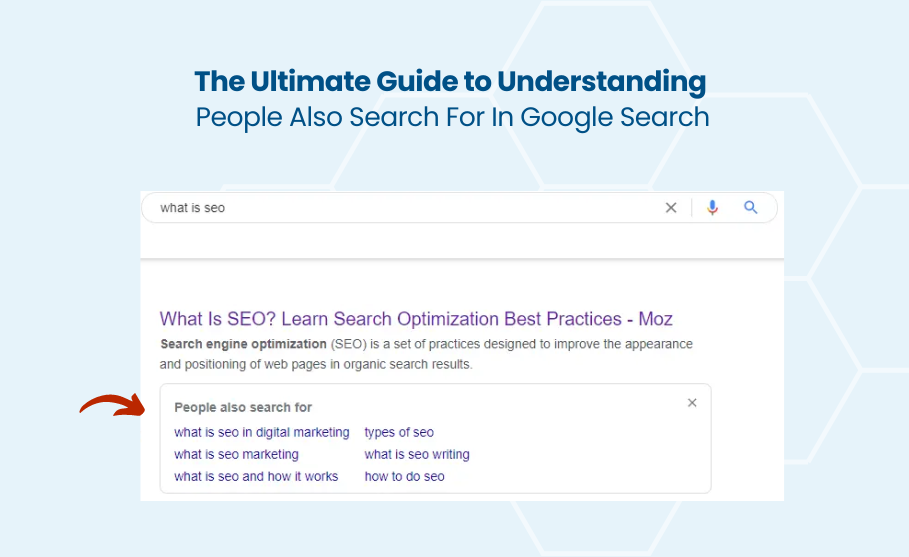
To see “People Also Search For” on Google, enter a query and check below the main results. This section shows related searches users commonly explore.
What Does “people Also Search For” Mean On Google?
It shows related search queries that users often search alongside the original query.
Why Does Google Show “people Also Search For” Suggestions?
To help users find more relevant or alternative search terms easily.
How Can “people Also Search For” Improve My Seo Strategy?
It reveals related keywords to target, increasing your content’s reach and relevance.
Are “people Also Search For” Keywords Useful For Content Creation?
Yes, they help create content that matches what users are interested in.
Can I Find Out Who Searched For Me On Google?
No, Google does not share who searched for you to protect privacy.
How Do I Monitor Mentions Of My Name Online?
Use tools like Google Alerts to get notified when your name appears online.
Conclusion
Understanding the “People Also Search For” feature helps improve your search results. It shows related terms that others searched for, guiding you to useful information. Use these suggestions to explore topics more deeply or find new ideas. This feature can help you discover content you might miss otherwise.
Keep an eye on these related searches to stay informed and broaden your knowledge. Searching smartly means using all tools Google offers, including this helpful section.