Every Minecraft player, beginner or expert, will encounter the jungle sapling at some point in their adventures. It’s not just another green block. The jungle sapling is a gateway to massive jungle trees, rare resources, and unique building opportunities. Yet, many players don’t realize how much this small plant can change the game. If you want to master the jungle biome, build epic treehouses, or farm cocoa beans, understanding the jungle sapling is essential.
This guide will show you everything about the jungle sapling in Minecraft. You’ll discover how to get it, how it grows, what makes it special compared to other saplings, and the best uses in survival and creative play. We’ll dig into farming strategies, biome details, and even some advanced tricks that most players miss.
Whether you want to create a jungle in your backyard or just get more wood, you’re in the right place.
What Is A Jungle Sapling In Minecraft?
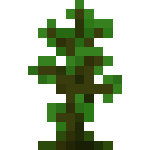
A jungle sapling is an item in Minecraft used to grow jungle trees. It looks like a small, leafy plant with a greenish-brown color, matching the jungle biome’s lush style. Jungle saplings are one of six main sapling types in Minecraft, each growing into their respective tree.
When you plant a jungle sapling on dirt, grass, or podzol, and let it grow (either naturally over time or with bone meal), it turns into a jungle tree. Jungle trees can be small (single sapling) or massive (using four saplings in a square).
This makes the jungle sapling unique, as not all saplings can grow into mega versions.
Jungle saplings are important because they allow you to grow jungle wood, one of the less common woods in Minecraft. Jungle wood is used for crafting, building, and even for farming cocoa beans.
How To Get Jungle Saplings
Getting your first jungle sapling isn’t always easy, especially if you don’t spawn near a jungle biome. Here’s how you can collect them:
1. Find A Jungle Biome
Jungle saplings only drop from jungle trees, which you find in jungle biomes. These biomes are rare and often far from spawn points.
2. Chop Down Jungle Tree Leaves
When you break or let jungle tree leaves decay, they have a small chance (2. 5%) to drop a jungle sapling. Use any tool, but shears do not drop saplings—just the leaf block itself.
3. Use Fortune-enchanted Tools
If you use a tool with the Fortune enchantment, the chance of sapling drops increases:
- Fortune I: About 3.3%
- Fortune II: About 4.1%
- Fortune III: About 5%
This makes it easier to collect enough saplings for big tree farming.
4. Jungle Temple Chests
Rarely, you might find jungle saplings in chests inside jungle temples. This is not guaranteed, but it’s a fun bonus if you’re exploring.
5. Trading With Wandering Traders
In some game versions, wandering traders offer jungle saplings in exchange for emeralds. The chance is low, but it’s an option if you can’t find a jungle biome.
Pro Tip: Always replant at least four saplings for each mega jungle tree you chop, or you may run out.
Jungle Sapling Vs Other Saplings
Jungle saplings share some traits with other saplings, but also have unique features. Here’s a quick comparison:
| Sapling Type | Mega Tree Possible? | Growth Time (Ticks) | Special Uses |
|---|---|---|---|
| Jungle | Yes (4×4) | 3,000–10,000 | Cocoa bean farming |
| Oak | No | 3,000–10,000 | Apples from leaves |
| Spruce | Yes (2×2) | 3,000–7,000 | Podzol creation |
| Birch | No | 3,000–7,000 | Light wood color |
| Acacia | No | 3,000–7,000 | Orange wood |
| Dark Oak | Yes (2×2) | 3,000–7,000 | Dense wood |
Jungle saplings are the only ones (besides spruce and dark oak) that can grow into giant trees, making them valuable for collecting large amounts of wood quickly.
How To Plant And Grow Jungle Saplings
Planting a jungle sapling is simple, but getting it to grow into a big tree takes some care. Here’s what you need to know:
Planting Basics
- Place the sapling on dirt, grass, podzol, or moss blocks.
- There must be at least one block of space above the sapling.
Single Jungle Tree
If you plant one jungle sapling, it grows into a small jungle tree. These are about 5–7 blocks tall and have a thin trunk.
Mega Jungle Tree
To grow a huge jungle tree:
- Place four jungle saplings in a 2×2 square.
- Make sure there is at least 9×9 blocks of free space above the saplings, and about 30 blocks of vertical clearance.
- The ground must be level under all four saplings.
- You can use bone meal on any of the four saplings to speed up the process.
Mega jungle trees are massive, reaching up to 30 blocks tall, and have lots of vines and branches.
Light And Space Requirements
Jungle saplings need a light level of at least 9 to grow. This means you can use torches or glowstone to help them grow indoors or at night.
If there are blocks directly above the sapling, it might not grow. Always check for enough vertical clearance, especially for the large trees.
Growth Time
It usually takes between 3,000 and 10,000 game ticks (2.5 to 8.3 minutes) for a jungle sapling to grow, but this is random. Using bone meal can make it instant.
Insight: Many players don’t realize that jungle saplings have one of the slowest growth rates in the game. Be patient, especially if you’re planting many at once.

Credit: www.youtube.com
Bone Meal And Jungle Saplings
Bone meal is a white powder crafted from bones. When used on a sapling, it can make it grow instantly or after a few uses.
- How to Use: Right-click the sapling with bone meal.
- Success Rate: Sometimes, it takes a few bone meal uses before the sapling grows, especially for large trees.
- Mega Trees: You only need to apply bone meal to one sapling in a 2×2 square. The others will grow together.
Advanced Tip: If a mega jungle tree doesn’t grow after many bone meal uses, check the surrounding blocks. Even a single block blocking the space above can stop growth.
Best Uses For Jungle Saplings
Jungle saplings are more than just decoration. Here’s how you can use them in your Minecraft world:
1. Jungle Wood Farming
Jungle trees, especially mega trees, are one of the fastest ways to get lots of jungle wood. This wood is used for building, crafting planks, sticks, and more. Place multiple 2×2 sapling squares for an efficient tree farm.
2. Cocoa Bean Farming
Only jungle logs can grow cocoa beans. After planting a jungle sapling and letting it grow, attach cocoa beans to the side of the logs. This is essential for making cookies, brown dye, and trading with villagers.
3. Treehouse Building
Jungle trees are tall with lots of vines, making them perfect for building treehouses high above the ground. Use mega jungle trees for the largest, most impressive homes.
4. Decorative Gardens
Jungle saplings add a unique look to gardens and parks. Their leafy design and tall growth make them stand out compared to other trees.
5. Mob-proofing
Tall jungle trees can help keep mobs away. Mobs can’t spawn on leaves, and you can use the height to stay above danger.
6. Trading And Villager Professions
Jungle wood and cocoa beans are sometimes needed for trading with villagers, especially with butchers and farmers.

Credit: minecraft.wiki
Jungle Sapling Farming Guide
Want an endless supply of jungle wood and cocoa beans? Set up a jungle sapling farm.
Choosing A Location
- Flat area: Mega trees need lots of space.
- Light: Make sure the area is well-lit to speed up growth.
- Biome: You can plant jungle saplings in any biome, but they look best in jungles or lush forests.
Planting Layout
- For mega trees, plant saplings in 2×2 squares with at least 5 blocks of space between each square.
- For single trees, you can plant them closer, but they are less efficient.
Harvesting Strategy
- Chop the entire tree, including all logs and leaves.
- Let the leaves decay naturally for more sapling drops, or break them manually for faster results.
- Replant saplings immediately to keep the farm going.
Automation
Some advanced players use pistons and redstone to automate log breaking, but this is complex and not beginner-friendly.
Sustainable Farming
Always save enough saplings to replant. Mega jungle trees require four saplings each, so don’t use them all for fuel or decoration.
Hidden Insight: If you break jungle leaves with a tool enchanted with Fortune, you’ll get more saplings, making large-scale farming much easier.
Jungle Trees: Structure And Features
Jungle trees grown from saplings can look very different from other Minecraft trees.
Single Jungle Trees
- Thin trunk (1 block wide)
- Height: 5 to 7 blocks
- Few branches
- Vines often hang from the leaves
Mega Jungle Trees
- Trunk: 2×2 blocks wide
- Height: 20 to 30 blocks
- Many branches sticking out from the sides
- Lots of vines (good for climbing)
- Large, wide leaf canopy
Comparing Jungle Trees To Other Trees
Here’s a simple comparison of jungle trees versus other big trees:
| Tree Type | Max Height | Trunk Size | Unique Features |
|---|---|---|---|
| Jungle (Mega) | ~30 blocks | 2×2 | Vines, branches, cocoa beans |
| Spruce (Mega) | ~30 blocks | 2×2 | Podzol creation |
| Dark Oak | ~16 blocks | 2×2 | Dense wood, thick leaves |
| Acacia | ~8 blocks | 1×1 | Slanted trunks |
Non-obvious fact: Mega jungle trees are the only ones that produce both cocoa beans and massive amounts of vines naturally.
Best Biomes And Environments For Jungle Saplings
Jungle saplings can be planted in any biome, but they perform best in certain environments.
Jungle Biome
- Fastest growth rate
- Natural appearance
- Easy to blend with other jungle features (bamboo, melons, ocelots)
Lush Caves
- Good for underground jungles
- Use glow berries for lighting
Custom Biomes
Players sometimes build artificial jungles in plains or other biomes for resources or style.
Indoor Farms
Use artificial lighting (torches, glowstone) to keep the light level high. This is useful for tree farming in bases or underground.
Expert tip: If you want to grow mega jungle trees in colder biomes (like taiga or snowy tundra), make sure snow doesn’t cover your saplings. Snow layers can block growth.
Jungle Saplings And Cocoa Beans
Cocoa beans are only grown on jungle logs, which means the jungle sapling is your only renewable source. Here’s how it works:
- Grow a jungle tree.
- Place cocoa beans on the side of jungle logs (not leaves).
- Wait for the beans to grow (they have three stages: Small, medium, large).
- Harvest with any tool (axe is fastest) when fully grown.
Cocoa beans are used for:
- Making cookies
- Brown dye
- Trading with villagers
They are also used in some redstone contraptions for decoration or automatic farming.
Vines: Growing And Using Them
Jungle trees, especially the big ones, are covered in vines. You can climb vines like ladders, making them useful for:
- Climbing up and down treehouses
- Escaping mobs
- Decorating builds
To harvest vines, use shears. Plant vines on any block, and they will spread downward over time.
Little-known insight: Vines slow down mobs and players. If you use them smartly around your base, they act as a natural defense.
Jungle Saplings In Creative Mode
If you play in Creative Mode, you can access unlimited jungle saplings from the inventory. This is perfect for building massive jungle forests, adventure maps, or custom parks.
- No need to wait for saplings to drop from leaves
- Instant growth with bone meal
- Combine with world edit tools for faster landscaping
Creative mode lets you experiment with tree placement, spacing, and unique designs, which can inspire new builds in survival mode too.
Common Problems And How To Fix Them
Growing jungle saplings can be tricky. Here are some common issues and solutions:
- Saplings Won’t Grow
- Check the light level (must be at least 9)
- Make sure there’s enough space above and around
- Remove any snow or blocks blocking the saplings
- Mega Tree Not Forming
- All four saplings must be jungle saplings, placed in a 2×2 square on the same level
- No blocks can be above the saplings
- Sometimes, replanting helps if the area is too crowded
- Not Enough Saplings Dropping
- Use Fortune-enchanted tools to break leaves
- Let leaves decay naturally for higher drop rates
- Too Many Vines
- Use shears to control vine growth
- Place string on blocks to stop vines from spreading (string is invisible from a distance)
- Saplings Breaking in Snow Biomes
- Clear snow layers before planting
- Use torches to melt snow and maintain light levels
Extra tip: Always keep a few extra saplings in a chest in case of accidents or mistakes.
Advanced Jungle Sapling Uses
After you’ve mastered the basics, try these advanced tricks with jungle saplings:
1. Jungle Tree Mob Farms
Mega jungle trees create a large leaf canopy, making a dark space below. This is perfect for mob farms—just add a platform underneath to collect drops.
2. Hidden Ladders And Entrances
Use the vines from jungle trees to hide ladders or secret entrances. Vines are climbable, but they blend in with leaves, making them perfect for hidden treehouses.
3. Custom Terrain Generation
Experienced builders use jungle saplings to create custom forests, maze gardens, or adventure maps. Mixing mega and single trees adds natural variety.
4. Trading Hall Decoration
Jungle wood and leaves are used to decorate villager trading halls, adding a tropical look to your base.
Pro insight: You can combine jungle logs with other woods for unique patterns in flooring or walls, making your builds stand out.
Sustainability And Replanting
If you want your jungle wood supply to last, always focus on sustainable farming:
- Replant at least four saplings for each mega tree cut down
- Save extra saplings for expanding your farm
- Don’t use all your saplings as fuel or decoration
Jungle saplings are less common than oak or birch, so a little planning goes a long way.
Interesting fact: Some Minecraft servers use special plugins to encourage players to replant saplings, keeping their worlds green and resource-rich.
Data And Statistics: Jungle Saplings At A Glance
For those who love numbers, here’s a summary of jungle sapling stats:
| Attribute | Value |
|---|---|
| Drop Rate from Leaves | 2.5% (5% with Fortune III) |
| Growth Time | 3,000–10,000 ticks (avg. 5 min) |
| Light Level Needed | 9+ |
| Max Tree Height | ~30 blocks (mega) |
| Required Saplings for Mega Tree | 4 (2×2 square) |
These stats show why the jungle sapling is both valuable and a bit challenging to use well.
Little-known Facts About Jungle Saplings
- Jungle saplings can be composted for a chance to get bone meal, making them a renewable resource for farming.
- Not all jungle trees are the same—some have more branches or vines depending on where and how they grow.
- You can use jungle saplings for decoration, placing them in flower pots for a tropical look.
- Saplings do not drop from sheared leaves—always break them by hand or let them decay.
- Jungle saplings can grow in any biome, but their speed and shape might change.
These facts can help you get even more from your saplings, whether you play for fun or efficiency.
Minecraft Updates And Jungle Saplings
Minecraft is always updating, and sometimes the behavior of jungle saplings changes. For example:
- In the Caves & Cliffs update, light levels and growth mechanics were adjusted.
- New biomes sometimes add more ways to use jungle wood and saplings.
- Check official patch notes for the latest changes.
If you want the most up-to-date info, visit the official Minecraft Wiki.
Credit: minecraftbedrock-archive.fandom.com
Frequently Asked Questions
What Is The Easiest Way To Get More Jungle Saplings?
The best way is to chop down large jungle trees and let the leaves decay naturally. Use a Fortune-enchanted axe to break leaves for more sapling drops. Always replant saplings to keep your supply going.
Can Jungle Saplings Grow In Any Biome?
Yes, jungle saplings can grow in any biome as long as the light level is high enough and there’s enough space. However, they blend best in jungle or lush forest biomes.
Why Won’t My Jungle Saplings Grow Into A Big Tree?
Make sure you have placed four jungle saplings in a perfect 2×2 square. Check for enough space above (at least 30 blocks) and no blocks or snow covering the saplings. Also, the ground must be level.
How Do I Use Jungle Saplings To Farm Cocoa Beans?
Grow a jungle tree from saplings. Place cocoa beans on the sides of the jungle logs. Wait for them to ripen, then harvest. Replant saplings as needed for more logs.
Are Jungle Saplings Rare In Minecraft?
Yes, jungle saplings are rarer than oak or birch because jungle biomes are less common. However, once you have a few, you can farm mega trees to get more saplings and jungle wood efficiently.
Minecraft’s jungle sapling is more than just a small plant—it’s the heart of the jungle biome and the key to many resources. Learn to use it well, and you’ll have endless wood, cocoa beans, and creative options at your fingertips.
Whether you’re building high in the treetops or farming for survival, the jungle sapling can power your adventure and inspire your next big build.