Are you curious about how AI can simplify your work, boost your creativity, or even solve problems faster? Learning how to use AI doesn’t have to be complicated or overwhelming.
In fact, with the right approach, you can start applying AI tools and techniques today to see real benefits in your daily tasks. This guide will walk you through simple steps that anyone can follow, no matter your background. By the end, you’ll feel confident in harnessing AI to make your life easier and more productive.
Ready to unlock the power of AI for yourself? Let’s dive in!
Start With Ai Basics
Starting with the basics of artificial intelligence builds a strong foundation. Understanding core ideas helps you use AI tools better. It also prepares you for more complex topics later.
Begin by learning what AI is and how it works. This step makes the entire learning process smoother and less confusing.
Explore Online Courses
Many websites offer free and paid AI courses. These courses cover topics from beginner to advanced levels. Choose courses with clear explanations and hands-on projects. This approach helps you learn faster and remember better.
Look for courses that use simple language and real-life examples. Video lessons and quizzes improve understanding. Some popular platforms include Coursera, edX, and Udacity.
Learn Key Math Concepts
Basic math skills are important for AI learning. Focus on linear algebra, probability, and statistics. These areas support understanding algorithms and data patterns.
Practice simple problems regularly to build confidence. Use online tools and tutorials to help with tricky topics. Strong math skills make AI concepts easier to grasp.
Master Python Programming
Python is a popular language for working with AI. It offers simple syntax and powerful libraries. Learning Python helps you write clear, efficient AI code.
Start by understanding the basic rules of Python. This includes how to write commands and use its built-in tools. Next, explore libraries that support AI tasks like data analysis and machine learning.
Understand Syntax And Libraries
Python syntax is easy to read and write. It uses indentation to show code structure. Learn how to create variables, write loops, and define functions.
Python has many libraries for AI. Libraries like NumPy handle math operations. Pandas helps manage data sets. TensorFlow and PyTorch are useful for machine learning models.
Get familiar with these tools. They simplify complex AI tasks. Use official documentation and tutorials to learn how they work.
Practice Coding Exercises
Practice is key to learning Python. Start with small programs to build confidence. Write code to solve simple problems.
Try coding exercises related to AI. For example, work on projects that clean data or build basic models. Use online platforms that offer practice problems and challenges.
Regular coding improves your skills. It also helps you understand how AI concepts apply in real projects. Keep practicing to build strong Python skills for AI.
Explore Ai Tools
Exploring AI tools is a great way to improve daily tasks. These tools help save time and increase productivity. They work by automating repetitive tasks and offering smart suggestions. Anyone can use AI tools, regardless of skill level.
AI tools come in many forms. Some focus on writing, while others help with coding. Trying different tools can show which fits your needs best. Start simple and build your skills step by step.
Use Ai Writing Assistants
AI writing assistants help create text quickly and clearly. They suggest better words and fix grammar mistakes. You can use them for emails, blogs, or reports. These tools also help you stay on topic. They save time and reduce errors in writing.
Try Ai Code Editors
AI code editors help programmers write code faster. They suggest code snippets and fix bugs automatically. These editors understand many programming languages. They help both beginners and experienced developers. Using AI code editors reduces errors and speeds up coding.
Apply Ai To Real Projects
Applying AI to real projects helps you learn by doing. It turns theory into practical skills. Start small to avoid feeling overwhelmed. Use real data from your work or daily life. This approach makes AI more useful and understandable.
Build Simple Models
Begin with easy AI models like linear regression or decision trees. These models do not need much data or coding. Use tools like Python libraries or online platforms. Test your model with sample data to check its performance. Simple models help you see how AI solves problems step-by-step.
Analyze Project Outcomes
After building your model, study the results carefully. Check if the AI predictions match real results. Look for errors or unexpected outcomes. Use charts and reports to understand your model’s accuracy. Learning from mistakes improves your AI skills and project success.
Focus On Specializations
Focusing on specializations helps you learn AI more effectively. AI has many fields, each with unique skills and uses. Choosing a specialization allows deeper knowledge and better job prospects. Start by exploring key areas that interest you the most.
Study Machine Learning
Machine learning teaches computers to learn from data. It forms the base of many AI applications. Learn about algorithms, data handling, and model training. Practice with real datasets to understand patterns and predictions. Many free resources and courses are available online. Building strong machine learning skills opens doors to various AI roles.
Dive Into Generative Ai
Generative AI creates new content like text, images, and music. It uses models to produce original outputs based on input data. Explore tools like GPT and GANs to see how they work. Experiment with generating simple projects to gain hands-on experience. This specialization is growing fast and offers exciting creative chances.
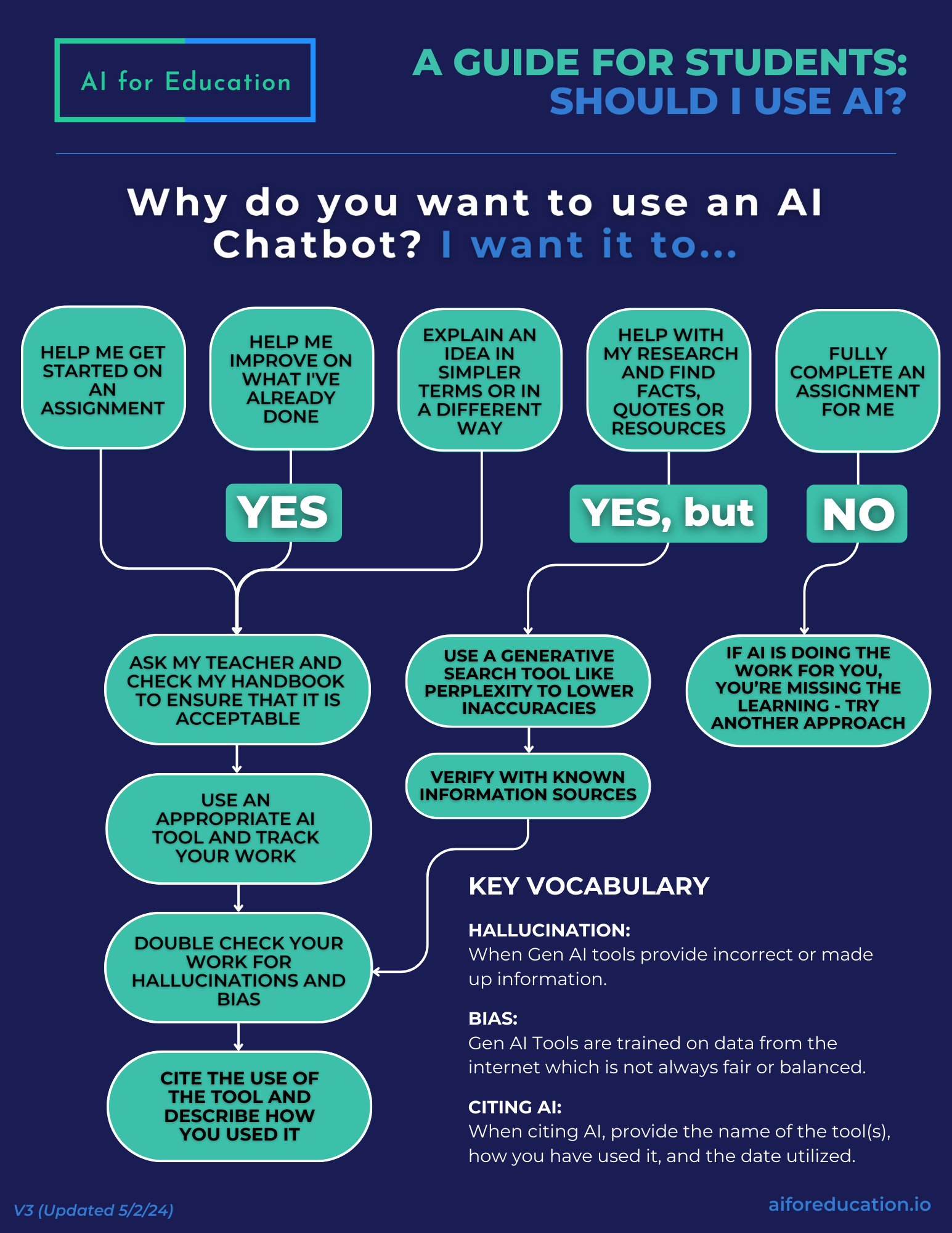
Credit: www.aiforeducation.io
Leverage Ai For Productivity
Artificial intelligence can boost how much work you get done every day. It helps by taking over small, boring tasks and giving smart advice. This frees time for more important work. Using AI tools wisely lets you work smarter, not harder. The key is knowing where AI fits best.
Automate Repetitive Tasks
AI tools can handle tasks you do again and again. This includes sorting emails, scheduling meetings, or entering data. Automation saves time and cuts mistakes. You can focus on creative or complex work instead. Many AI apps let you set rules to run these tasks automatically. This makes your day smoother and faster.
Enhance Decision-making
AI helps by analyzing data quickly and clearly. It finds patterns humans might miss. This gives you better information to choose from. You can spot trends, risks, and opportunities faster. AI tools also offer suggestions based on facts, not feelings. This helps you make smarter decisions with less guesswork.
Use Ai For Quality Improvement
AI helps improve the quality of your work in many ways. It can check your writing and make it clearer. It also helps keep the tone right for your audience. Using AI tools saves time while making your content better.
Quality matters most in writing. AI supports you by finding errors and suggesting better words. This leads to cleaner, easier-to-read content. It also helps keep your message consistent and strong.
Refine Content Clarity
AI scans your text to find confusing parts. It suggests simpler words and shorter sentences. This makes your ideas clear and easy to understand. Clear content keeps readers engaged and reduces misunderstandings.
AI also checks grammar and punctuation. Fixing these small errors improves the overall flow. Readers trust content that looks professional and well-edited.
Detect And Adjust Tone
AI reads your writing to detect the tone. It can tell if the text sounds formal, friendly, or casual. Then, AI suggests changes to match your desired style.
Keeping the right tone helps connect with your audience. It makes your message feel natural and sincere. Adjusting tone with AI ensures your content fits the context perfectly.
Maximize Ai Collaboration
Working with AI tools can boost your productivity and creativity. To get the most out of AI, use it as a team member rather than a simple tool. This approach helps you make better decisions and produce higher-quality work.
AI can offer many ideas and solutions. Choosing the best options requires careful comparison and selection. This process ensures your final result is clear, accurate, and valuable.
Compare Multiple Ai Outputs
Run your task through different AI models or settings. Each model may give unique answers or styles. Look at the results side by side. Notice which ideas fit your goal best. Comparing helps spot strengths and weaknesses in each output.
Use simple tables or lists to organize outputs. This method makes differences easy to see. It also saves time by avoiding repeated reviews. Comparing multiple outputs leads to smarter choices.
Select Best Results
Pick the AI output that matches your needs clearly. Check if the language is easy to understand. Ensure the facts are correct and relevant. The best result should feel natural and useful to your readers.
Sometimes, combine parts from different outputs. Mix the strong points to create a better final piece. Always review and edit to keep the tone consistent. Selecting the right output improves your work quality and impact.
Keep Up With Ai Trends
AI is changing fast. Staying updated helps you use it well. Trends show what is new and useful. They guide you to better tools and ideas.
Watch how experts use AI. This helps you learn correct steps. Join groups where people share AI news. This keeps you in the loop.
Follow Expert Tutorials
Experts share clear guides on AI topics. These tutorials explain tools and methods simply. Following them improves your skills step by step. You see real examples that make learning easy. Many tutorials are free and online.
Regularly check for new tutorials. AI changes quickly and so do best practices. Learning from experts saves time and avoids mistakes. It gives you confidence using AI tools.
Join Ai Communities
AI communities are places for users and learners. Members share tips, ask questions, and solve problems together. You get support and fresh ideas here. Some groups focus on beginners, making it easy to join.
Being part of these communities keeps you updated. You hear about new trends first. Discussions help you understand complex topics. Communities also offer events and webinars to deepen your knowledge.
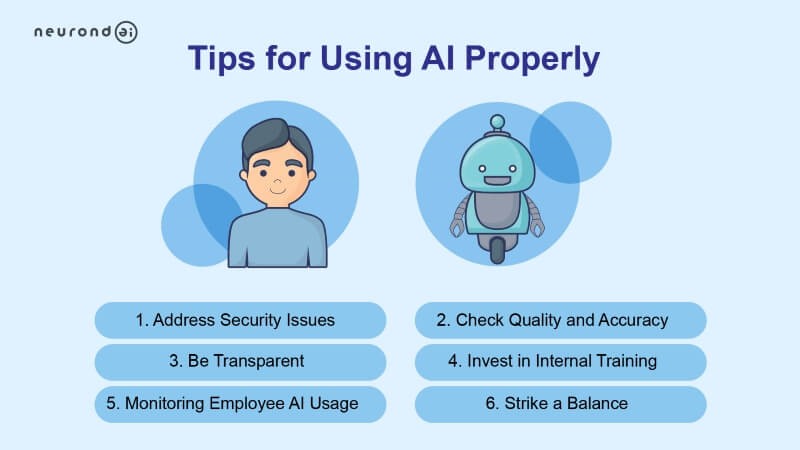
Credit: smart.dhgate.com
Ethical Ai Practices
Ethical AI practices guide the responsible use of artificial intelligence. They help build trust and protect people. Following these practices ensures AI benefits everyone without harm or bias.
Ensure Transparency
Transparency means clear, open AI processes. Users should understand how AI makes decisions. Explain the data and algorithms used. Transparency helps users trust AI systems more.
Share information about AI limitations and risks. Do not hide important details. Transparency also allows feedback and improvement of AI models. It creates a fair and honest environment.
Respect User Privacy
Protecting user privacy is crucial in AI use. Collect only necessary data and keep it safe. Use encryption and secure storage to prevent breaches.
Inform users about data collection and usage. Give them control over their information. Respect privacy laws and regulations to avoid misuse. Privacy respect builds confidence in AI tools.

Credit: www.europarl.europa.eu
Frequently Asked Questions
How Can I Begin To Use Ai?
Start by learning AI basics through online courses and tutorials. Practice programming, especially Python. Apply skills on real projects using AI tools. Focus on a specific area like machine learning or generative AI to deepen expertise.
Is There A Free Ai I Can Use?
Yes, free AI tools like ChatGPT, Grammarly, and Google Colab offer accessible AI features for writing and coding.
How Do I Access Ai?
Access AI by taking online courses to learn basics, practicing with tools, and applying skills in real projects.
How To Use Ai In A Proper Way?
Use AI responsibly by understanding its purpose, verifying outputs, respecting privacy, and avoiding biases. Apply it to enhance productivity and decision-making.
What Is Ai And How Does It Work?
AI means machines that can learn and solve problems like humans. It uses data and rules to make decisions.
How Can Beginners Start Using Ai Easily?
Start with simple AI tools online. Follow tutorials and practice small projects step-by-step.
What Are Common Ai Applications In Daily Life?
AI helps with voice assistants, recommendations, photo tagging, and smart home devices.
How Does Ai Improve Business Productivity?
AI automates tasks, analyzes data fast, and helps make better decisions quickly.
Can Ai Be Used Without Programming Skills?
Yes, many AI platforms have easy drag-and-drop tools that need no coding.
What Are Ethical Concerns When Using Ai?
Privacy, bias, and job impact are main concerns when using AI technology.
Conclusion
Using AI can simplify many daily tasks and improve productivity. Start small and explore different AI tools step by step. Focus on learning how AI fits your needs best. Practice regularly to gain confidence and skill. Remember, AI is a helpful tool, not a replacement for human judgment.
Keep your goals clear and stay open to new ideas. This approach makes AI easier and more useful every day.