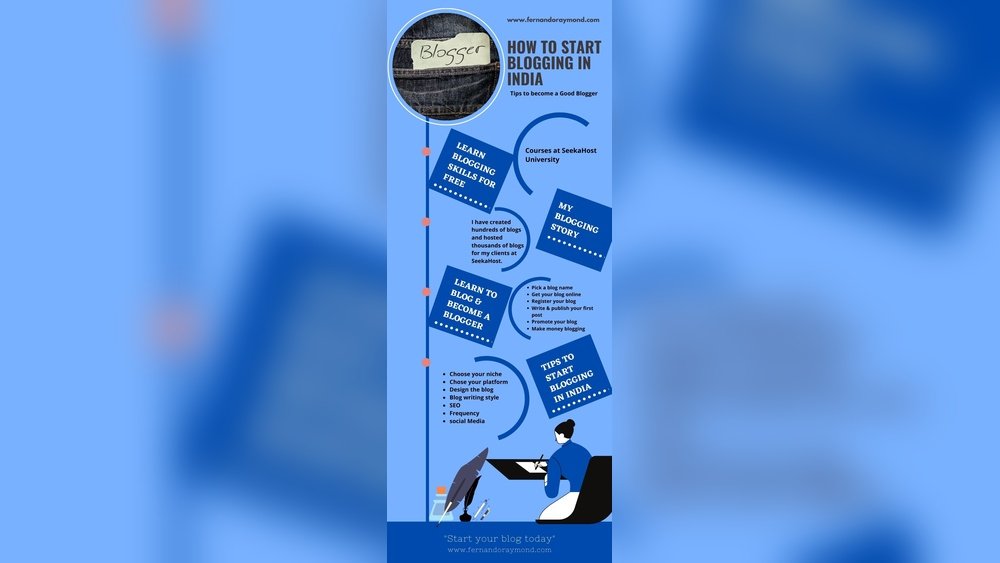
Thinking about starting a blog in India but not sure where to begin? You’re not alone.
With millions of readers and a growing online market, your voice can reach thousands—even millions—if you set up your blog the right way. Imagine turning your passion into a source of income, sharing your unique story, or building a community around what you love.
This guide will walk you through every essential step, from picking the perfect niche to launching your blog with the right tools. By the end, you’ll have a clear plan that’s easy to follow and designed to help you succeed. Ready to make your mark? Let’s dive in!
Choosing A Blog Niche
Choosing a blog niche is the first and most important step in starting a blog. It defines the focus of your content and attracts the right readers. A clear niche helps you create valuable posts that keep visitors coming back. It also makes monetizing easier by targeting specific products or services. Picking a niche that fits your interest and skills makes blogging enjoyable and sustainable.
Popular Blogging Topics In India
Technology and gadgets attract many readers eager to learn about the latest trends. Food and recipes remain popular, as Indian cuisine is diverse and rich. Travel blogs gain attention with stories and tips about India’s many destinations. Personal finance and investment advice help readers manage money better. Fashion and beauty content appeals to a large audience interested in style and tips.
Finding Your Passion And Audience
Start by listing subjects you enjoy and know well. Think about what problems you can solve or what stories you can share. Consider who will read your blog and what they want. Use simple language to connect with your audience easily. Focus on a niche that excites you and meets readers’ needs. This focus builds trust and grows your blog steadily.
Selecting A Domain Name
Choosing the right domain name is the first step in creating a successful blog. It represents your brand and helps readers remember your site. A good domain name improves your blog’s visibility and builds trust with visitors. Take your time to find a name that fits your blog’s theme and goals.
Tips For A Memorable Domain
Pick a domain name that is short and easy to spell. Avoid complicated words or numbers that confuse readers. Use keywords related to your blog topic to boost search engine ranking. Aim for a unique name that stands out from competitors. Choose a name that sounds good when spoken aloud. Make sure it reflects your blog’s tone and style clearly.
Checking Domain Availability
Use domain registrar websites to check if your desired name is available. Common registrars include GoDaddy, Namecheap, and BigRock. If your first choice is taken, try variations or add simple words. Avoid domain names that are too similar to popular sites to prevent confusion. Secure your domain quickly after confirming its availability to avoid losing it.
Picking The Right Hosting
Picking the right hosting is a crucial step to start a blog in India. Hosting affects your blog’s speed, uptime, and security. A good host ensures visitors have a smooth experience. It also impacts your blog’s search engine ranking.
Choosing hosting that fits your budget and needs is important. Many hosting services offer different plans for beginners and professionals. The goal is to find a host that balances cost and reliability.
Budget Hosting Options
Budget hosting plans are ideal for new bloggers in India. These plans cost between ₹2000 to ₹5000 per year. They offer enough resources for small to medium blogs. Shared hosting is a popular budget option. It shares server space with other websites, reducing costs.
Look for hosts that include free domain and SSL certificates. These add value without extra charges. Also, check if customer support is available 24/7. Good support helps solve issues quickly.
Reliable Hosting Providers In India
Reliable hosting providers ensure your blog stays online with minimal downtime. They offer fast server speeds and strong security features. Many providers have data centers in India, reducing loading time for local visitors.
Top providers offer easy WordPress installation and regular backups. These features keep your blog safe and easy to manage. Choose a host with positive reviews and a clear refund policy. This protects your investment and provides peace of mind.
Setting Up WordPress
Setting up WordPress is the crucial next step after purchasing your domain and hosting. WordPress powers over 40% of all websites worldwide. It is user-friendly and highly customizable. This makes it ideal for beginners in India starting their blogging journey.
WordPress lets you create a professional blog without deep technical knowledge. The setup process is straightforward. A few simple steps will have your blog ready to publish posts and attract readers.
Installing WordPress On Your Host
Most web hosts in India offer one-click WordPress installation. Log in to your hosting control panel. Find the WordPress installer, often under “Website” or “Softaculous Apps Installer.”
Select your domain name. Click the install button. Fill in basic details like your blog name, admin username, and password. Wait a few minutes for the installation to complete. You will get a login link to access your WordPress dashboard.
Configuring Basic Settings
Log in to your WordPress dashboard using the credentials you created. Go to the Settings menu.
Set your site title and tagline. Choose the correct timezone for India (Asia/Kolkata). Set your preferred language to English or Hindi.
Adjust the permalink structure to “Post name” for SEO-friendly URLs. Configure your reading settings to show your latest posts on the homepage or a static page.
Check discussion settings to manage comments. Enable or disable comments based on your preference.
These basic settings make your blog easier to find and use. They also improve your blog’s search engine ranking in India and beyond.
Choosing A Blog Theme
Choosing the right blog theme is a key step in starting a blog in India. Your theme shapes how visitors see your blog. It impacts usability, speed, and overall look. A good theme helps keep readers engaged and coming back.
Pick a theme that fits your blog’s topic and style. It should be easy to use and look professional. Themes vary in features and prices. Understanding the options helps you make a smart choice for your blog.
Free Vs Premium Themes
Free themes cost nothing and offer basic designs. They are good for beginners on a tight budget. Many free themes are simple and easy to set up. But they may lack advanced features or support.
Premium themes come with a price but offer more options. They often include better design, more customization, and faster updates. Support from developers is usually available with premium themes. This can save time and fix issues quickly.
Consider your blog goals and budget before choosing. Free themes suit casual bloggers. Premium themes work better for serious bloggers wanting unique looks and features.
Customizing For Mobile And Desktop
Your blog must look good on both mobile and desktop devices. Many people read blogs on phones and tablets. A theme that adjusts to different screens improves user experience.
Responsive themes automatically change layout based on screen size. Check if your theme is fully responsive before installing. Test your blog on various devices to see how it appears.
Mobile-friendly blogs load faster and keep visitors longer. Google also prefers mobile-optimized sites for ranking. Customize colors, fonts, and menus for easy reading on all devices. This helps your blog reach more readers.

Credit: thedmschool.com
Creating Essential Pages
Creating essential pages is a key step in setting up your blog. These pages build trust and help visitors understand your blog’s purpose. They also provide important information and ways to connect with you.
Essential pages make your blog professional and user-friendly. They keep readers informed and encourage interaction. Focus on clear, simple content for each page.
About Me Page
The About Me page tells your story. Share who you are and why you started the blog. Explain your interests and what readers can expect from your posts.
This page helps build a personal connection with your audience. Use simple language and a friendly tone. Add a photo to make it more relatable.
Contact And Privacy Policy
The Contact page allows readers to reach you easily. Provide an email address or a contact form. Make sure it is easy to find on your blog.
The Privacy Policy page explains how you collect and use visitor data. It is important for legal reasons and to build trust. Use clear, basic terms and keep it transparent.
Both pages show professionalism and respect for your visitors’ privacy. They also improve your blog’s credibility and SEO ranking.
Writing Your First Blog Post
Writing your first blog post is an exciting step in your blogging journey. It sets the tone for your entire blog and helps you connect with your readers. Focus on clear and simple language to keep your audience engaged. Use short sentences and break your ideas into small paragraphs for easy reading.
Choose topics that interest you and offer value to your readers. Share your thoughts honestly and write in a friendly tone. Your first post does not have to be perfect; just start writing and improve with time.
Content Ideas For Beginners
Start with topics you know well or enjoy. Write about daily life, hobbies, or local events in India. Share tips or how-to guides on simple tasks. You can also review products or services popular in your area. Personal stories create a strong bond with readers. Keep your ideas focused and easy to understand.
Seo Basics For India-based Blogs
Use keywords that Indian readers search for. Include these words naturally in your post title, headings, and text. Write meta descriptions that clearly explain your blog post. Use simple and relevant tags to help search engines find your content. Add local terms or phrases to reach your audience better. Optimize images with descriptive file names and alt text. Fast loading speed and mobile-friendly design improve your blog’s ranking too.
Promoting Your Blog
Promoting your blog is essential to grow your readership and build a loyal audience. It helps your content reach more people and increases your blog’s visibility online. Consistent promotion creates opportunities for engagement and traffic. Focus on strategies that connect you with your target readers. Use simple, effective methods to spread the word about your blog.
Social Media Strategies
Social media platforms are powerful tools for blog promotion. Share your blog posts on Facebook, Twitter, Instagram, and LinkedIn. Tailor your message to fit each platform’s audience. Use engaging images and clear titles to attract attention. Post regularly to keep your followers interested. Join groups related to your blog’s niche to reach more people. Respond to comments and messages to build relationships.
Building An Email List
Collecting email addresses helps you communicate directly with your readers. Offer a freebie or exclusive content in exchange for their email. Use simple signup forms on your blog pages. Send regular newsletters with your latest posts and updates. Keep your emails short and valuable to encourage readers to open them. Email marketing creates loyal followers who return to your blog often.
Monetizing Your Blog
Monetizing your blog transforms your passion into income. It lets you earn while sharing your ideas and expertise. Many Indian bloggers use simple methods to generate steady revenue streams.
Choosing the right monetization strategy depends on your blog’s audience and niche. Consistent content and audience trust increase your earning potential. Start small and explore different options to find what works best.
Ad Revenue And Affiliate Marketing
Ad revenue is a popular way to earn money from blog traffic. Google AdSense is widely used in India to display ads on your site. You earn money when visitors click or view these ads. The more traffic you get, the higher your earnings.
Affiliate marketing means promoting products or services. You place special links on your blog. When readers buy through these links, you get a commission. Choose products relevant to your blog topic to gain trust and sales.
Sponsored Content And Product Sales
Sponsored content involves brands paying you to write about their products. It offers good income if your blog has a loyal audience. Always keep your reviews honest to maintain credibility.
Product sales include selling your own digital or physical items. Many bloggers sell e-books, courses, or merchandise. This method gives full control over pricing and profit. Focus on products that solve your audience’s problems or add value.

Credit: issuu.com
Managing Blog Growth
Managing blog growth is key to building a successful blog in India. Growth does not happen overnight. It needs careful attention and smart actions. Tracking progress and staying motivated help keep your blog on the right path.
Analyzing Traffic And Feedback
Check your blog’s traffic regularly. Use tools like Google Analytics to see visitor numbers. Notice which posts attract most readers. This shows what your audience likes.
Read comments and messages from readers. Feedback helps improve your content. Respond to questions to build trust. Adjust your topics based on what people want.
Staying Consistent And Motivated
Post regularly to keep readers interested. Create a simple schedule to follow. Writing often improves your skills and keeps your blog fresh.
Set small goals and celebrate achievements. This keeps motivation high. Join blogging groups to share experiences and find support. Remember, patience and persistence bring results.

Credit: www.youstable.com
Frequently Asked Questions
How Much Does It Cost To Start A Blog In India?
Starting a blog in India costs ₹2,000 to ₹5,000 yearly for a basic setup. Mid-budget ranges from ₹10,000 to ₹20,000. Professional blogs cost ₹30,000 to ₹50,000 or more annually. Costs include domain, hosting, and themes.
What Is The 80/20 Rule For Blogging?
The 80/20 rule for blogging means 80% of content informs or entertains, while 20% promotes products or services.
How Much Do Bloggers Earn In India?
Bloggers in India earn between ₹20,000 and ₹10,00,000+ monthly through ads, affiliate marketing, sponsored posts, and product sales. Earnings vary by niche and audience size.
Who Is The No 1 Blogger In India?
Amit Agarwal is considered the No. 1 blogger in India. He founded Labnol. org, a top tech blog.
What Is The First Step To Start A Blog In India?
Choose a niche you are passionate about and find a unique domain name for your blog.
How Much Does It Cost To Start A Blog In India?
Starting a blog can cost between ₹2,000 to ₹50,000 yearly depending on your budget.
Which Platform Is Best For Blogging In India?
WordPress is the most popular and user-friendly platform for Indian bloggers.
Do I Need Technical Skills To Start A Blog?
Basic computer knowledge is enough; many platforms offer easy setup without coding.
How To Choose A Good Domain Name For My Blog?
Pick a short, easy-to-remember name related to your blog’s topic or niche.
What Type Of Hosting Should I Select For My Blog?
Start with shared hosting for affordability; upgrade as your blog grows.
Conclusion
Starting a blog in India is simple and rewarding. Pick a topic you enjoy and know well. Choose a good domain name and reliable web hosting. Use WordPress to build and manage your blog easily. Write clear, helpful posts that connect with readers.
Stay patient and keep improving your blog. Success takes time but is possible with effort. Begin your blogging journey today and share your voice with the world.