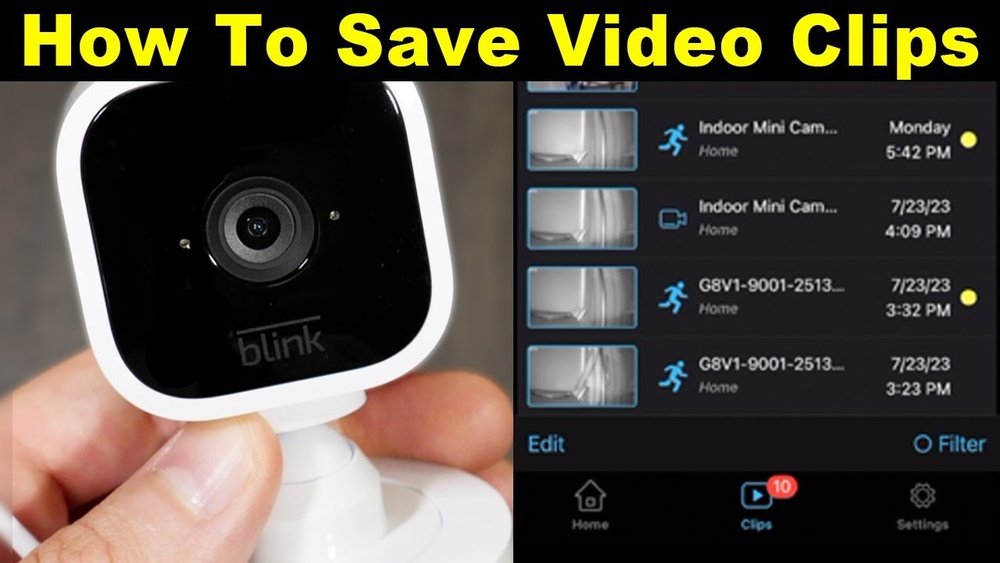
If you own Blink cameras, you know how important it is to keep an eye on your home without breaking the bank. But what if you don’t want to pay for a subscription just to save your videos?
You’re not alone. Many users wonder how to save Blink videos without a subscription and still have easy access to important footage. You’ll discover simple, effective ways to store your Blink camera videos locally—no monthly fees required. Keep reading, and you’ll learn exactly what you need, how to set it up, and tips to make sure your clips are safe and easy to find whenever you need them.
Your peace of mind is closer than you think!
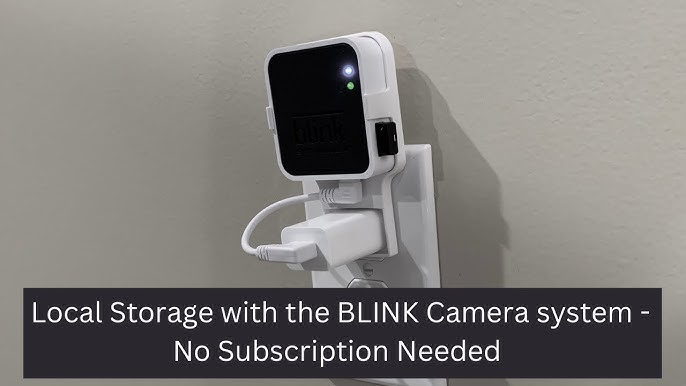
Credit: www.youtube.com
Local Storage Options
Local storage options offer a way to save Blink videos without paying for a subscription. These options let you keep your footage safe on devices you control. This method avoids monthly fees and gives you direct access to your videos anytime.
Using local storage means your videos do not rely on cloud services. You save clips directly to physical devices like USB drives or microSD cards. This keeps your data private and easy to manage.
Usb Drive Storage With Blink Sync Module
To save videos locally, connect a USB drive to your Blink Sync Module. The Sync Module records motion clips directly to the USB stick. You need a compatible USB drive with enough free space.
- Insert the USB drive into the Sync Module’s USB port.
- Enable local storage in the Blink app settings.
- Motion clips will save automatically to the USB drive.
You can watch stored videos from the Blink app or remove the USB drive and view them on your computer.
Microsd Card Option For Sync Module Xr
The Sync Module XR supports a microSD card for local video storage. This method works like the USB drive option but uses a smaller storage device. Insert a microSD card into the Sync Module XR to start saving clips locally.
- Purchase a compatible microSD card.
- Insert the card into the Sync Module XR slot.
- Activate local storage in the app settings.
This setup lets you keep videos without a cloud subscription. Access clips through the Blink app or by removing the microSD card.
Accessing And Managing Local Clips
Viewing videos saved locally is simple. Open the Blink app and select the storage device option. You can watch clips or download them for backup. Removing the USB or microSD card allows file access on any computer.
Local storage does not support cloud features like Live View recordings. It focuses on saving motion-triggered clips directly to your device.
Using Sync Module Usb
The Sync Module USB offers a simple way to save Blink videos without a subscription. It uses local storage, which means your clips save directly to a USB drive. This method keeps your videos safe without paying monthly fees.
Setting up the Sync Module USB is easy and only takes a few steps. You just need a compatible Sync Module and a USB flash drive. Once connected, the Sync Module records motion clips to the USB drive automatically. This saves space and lets you keep your videos offline.
What You Need
- Blink Sync Module (2nd Gen or Sync Module 2)
- USB flash drive (minimum 32GB recommended)
- Blink app installed on your smartphone
How It Works
The Sync Module detects motion and saves the video clip directly to the USB drive. Clips do not upload to the cloud, so you control your video storage fully. This method works without any subscription plans.
Accessing Your Clips
You can watch saved clips in the Blink app by selecting the USB storage option. Alternatively, remove the USB drive and plug it into your computer to view or transfer clips. This gives you flexible access to your videos anytime.
Important Notes
Live View sessions are not recorded to the USB drive without a subscription. Cloud storage features also remain disabled when using local USB storage. This method only saves motion-triggered clips locally.
Setting Up Microsd Card
Setting up a MicroSD card is a simple way to save Blink videos without a subscription. This method stores your videos locally, avoiding monthly fees.
You only need a few items and a few easy steps to get started. Local storage keeps your video clips safe and accessible anytime.
What You Need
- Blink Sync Module XR
- MicroSD card (minimum 32GB recommended)
- MicroSD card reader (for formatting, if needed)
Inserting The Microsd Card
First, power off your Blink Sync Module XR. Locate the MicroSD card slot on the device.
Carefully insert the MicroSD card into the slot until it clicks into place. Then, power the Sync Module back on.
Formatting The Microsd Card
Open the Blink app on your phone. Go to the Sync Module settings.
Find the option to format the MicroSD card. This step prepares the card for storing video clips safely.
Accessing Stored Videos
Videos saved on the MicroSD card can be viewed in the Blink app. Navigate to the clips section to watch your recordings.
You can also remove the MicroSD card and use a card reader to view videos on your computer.

Credit: www.pbtech.com
Accessing Saved Clips
Accessing saved clips from your Blink camera without a subscription is simple and convenient. You can keep important videos stored locally and watch them anytime without extra costs. This method avoids reliance on cloud services, giving you full control over your footage.
Once your clips are saved to a USB drive connected to the Sync Module, you can access them easily. The Blink app allows you to play these videos directly from the local storage. This way, you don’t lose any critical moments captured by your camera.
Access Clips Via Blink App
Open the Blink app on your phone or tablet. Navigate to the Clips section. Select the video saved on your local USB drive. Tap the clip to watch it immediately. No internet connection is needed to view these clips.
View Clips On Your Computer
Remove the USB drive from the Sync Module. Connect it to your computer using a USB port. Open the folder containing the saved videos. Play the clips with any media player on your device. This method works well for backup or editing.
Organize And Manage Saved Videos
Create folders on the USB drive for different dates or cameras. Rename video files for easy identification. Delete old or unwanted clips to free up space. Regular management helps keep your storage tidy and efficient.
Recording During Live View
Recording during Live View is a helpful way to save important moments from your Blink camera. This method lets you capture video while you watch the live feed on your phone or tablet. It does not require a subscription, making it a useful option for many users.
While Blink does not automatically save Live View recordings without a subscription, you can record manually. This allows you to keep clips of real-time events. The process is simple and works on both iOS and Android devices.
How To Record Live View On Blink App
Open the Blink app and start Live View on your camera. Tap the record button on the screen to begin capturing video. The app will save the clip directly to your device’s gallery or camera roll. You can stop recording anytime by tapping the record button again.
Tips For Effective Live View Recording
- Keep your phone charged to avoid interruptions.
- Record only the important parts to save storage space.
- Use a stable internet connection for smooth video.
- Check your device’s storage before recording long clips.
Limitations Of Live View Recording Without Subscription
Manual recording does not capture motion-triggered clips automatically. Videos recorded during Live View may have lower quality than cloud clips. You cannot access recordings remotely unless you save them on your device first. This method requires your attention to start and stop recording.
Managing Storage Space
Saving Blink videos without a subscription is possible by using local storage options. Connect a USB drive to the Blink Sync Module to store clips directly. Access saved videos anytime through the Blink app or by transferring files to a computer.
Understanding Storage Limits On Blink Devices
Blink cameras save videos either on the cloud or locally. Without a subscription, cloud storage is not available. This means you must manage local storage carefully. Each device has limited space for saving videos. Over time, old videos can fill up the available space. Managing this space ensures new videos get saved properly.
Using A Sync Module With Usb Storage
The Blink Sync Module allows local storage via a USB flash drive. Plug a USB drive into the Sync Module to save videos directly. This method bypasses the need for cloud storage. Motion-triggered clips save automatically to the USB. You can watch or transfer these clips anytime. This setup helps keep video files organized and accessible.
Deleting Old Clips To Free Space
Regularly delete old or unwanted videos from the USB drive. Removing unnecessary clips frees up space for new recordings. Use the Blink app or connect the USB to a computer for easy management. Keeping storage clean prevents the system from missing new events. Set a schedule to check and clear storage often.
Backing Up Important Videos
Save important clips to your computer or external drive. This prevents loss if the USB drive fails or fills up. Backups provide extra security for valuable footage. Use simple copy-paste or file transfer tools. Organize backups by date to find videos quickly later.
Free Screen Recording Tricks
Saving Blink videos without a subscription can feel tricky. Many users don’t know that screen recording is a simple way to save clips for free. This method captures the video playing on your device screen. It works on both phones and computers.
Screen recording keeps the video locally on your device. You can watch it anytime without internet. It is a practical choice if you want to avoid subscription fees. The quality depends on your device and recording settings.
How To Use Built-in Screen Recorders
Most smartphones and computers have built-in screen recorders. On iPhones, swipe down to open the control center. Tap the screen recording button to start. On Android phones, find the screen recorder in the quick settings menu. Windows 10 and 11 have Xbox Game Bar for screen capture. Mac users can press Shift + Command + 5 to open recording tools.
Best Settings For Clear Video Capture
Set your screen brightness to high for clear videos. Close other apps to avoid notifications. Record in landscape mode for wider views. Choose the highest resolution available in your recorder settings. Avoid moving the screen while recording to keep videos stable.
Tips For Saving And Sharing Recorded Videos
After recording, check the video quality immediately. Trim the start and end if needed to remove extra parts. Save the video in a folder you can easily find. Share the video by uploading it to cloud storage or sending it by email. Keep backup copies to avoid losing important clips.
Best Practices Without Subscription
Saving Blink videos without a subscription requires smart use of available tools. The key is using local storage and manual saving methods. This way, you keep important footage without extra costs.
Focus on simple steps and reliable options. Local storage devices like USB drives play a crucial role. They store videos directly from your Blink Sync Module. This method bypasses cloud storage limits.
Using Local Storage With Blink Sync Module
Connect a USB flash drive to your Blink Sync Module. The system saves motion-detected clips directly to the USB drive. This keeps videos safe without a subscription.
Access saved clips anytime by removing the USB drive. Plug it into your computer for easy viewing and backup. The Blink app also allows clip playback from local storage.
Manual Saving Of Clips From The Blink App
Open the Blink app and select the clip you want to save. Tap the screen while playing the video. Choose the save or share option to download the clip.
Send clips via text or email to keep a backup on your phone or computer. This manual method works well for important videos you want to keep.
Limitations Without A Subscription
Local storage does not save Live View recordings. Cloud storage features like automatic backups are unavailable. You must save clips manually or rely on USB storage.
Plan your video saving strategy carefully. Prioritize storing critical clips quickly. This avoids losing footage when the cloud is not an option.
Third-party Alternatives
Third-party alternatives offer ways to save Blink videos without paying for a subscription. These options focus on local storage or other apps that capture footage directly. They help users avoid monthly fees while keeping control over their video clips.
Some third-party tools connect to your Blink camera and save videos to external devices. Others use screen recording or download features to keep clips safe. Using these methods requires some setup but provides good results for video saving.
Using External Storage Devices
One popular alternative is using external storage like USB drives or microSD cards. A Sync Module can connect to these devices to save videos locally. This method stores clips directly without sending them to the cloud.
When a motion event happens, the video saves to the connected device. You can then access these clips anytime by removing the storage device. This approach keeps your videos private and offline.
Third-party Apps For Video Capture
Several third-party apps capture Blink video streams on your phone or computer. These apps record video in real-time and save it to your device storage. They work well for short clips or important footage you want to keep.
These apps often support automatic recording when motion is detected. They also allow easy sharing or transferring of videos. Make sure to choose a trusted app to protect your privacy and data.
Screen Recording Techniques
Screen recording is a simple way to save Blink videos without extra hardware. You can play the video on your app and record the screen using built-in phone or computer tools. This saves the clip as a video file for later viewing.
This method requires manual recording and stops during playback. It’s useful for saving important moments quickly. Keep in mind screen recordings may lose some video quality.

Credit: www.consumerreports.org
Avoiding Subscription Fees
Avoiding subscription fees is a smart choice for many Blink camera users. Subscriptions can add extra costs over time. Saving videos without paying keeps your security budget-friendly. You can still keep important clips safe without monthly charges.
Here are simple ways to save Blink videos without a subscription. These methods focus on local storage and manual saving. They help you keep control of your footage at no extra cost.
Using Local Storage With Sync Module
Blink Sync Module allows saving videos to a USB drive. Insert a USB flash drive into the Sync Module’s port. When motion triggers the camera, clips save directly to the USB drive.
You can access these clips through the Blink app or by removing the USB and using a computer. This method does not require any subscription fees.
Manual Download Of Clips From The Blink App
Open the Blink app and find the video clip you want to save. Tap the clip to play it, then tap the share or save icon. Save the clip to your phone or computer manually.
This method lets you keep important clips without cloud storage. It requires checking the app often to save videos before they expire.
Using Sync Module Xr With Microsd Card
The Sync Module XR supports a MicroSD card for local video storage. Insert a MicroSD card into the module. The camera saves clips directly to the card during motion events.
You can remove the card anytime to view or back up videos. This option keeps your footage safe without a subscription.
Frequently Asked Questions
Can I Save Clips On Blink Without A Subscription?
You can save clips on Blink without a subscription using local storage. Connect a Sync Module with a USB drive or MicroSD card. Clips save directly there. Live View recordings and cloud features require a subscription. Manage storage space to keep recording new clips.
How To Permanently Save Blink Videos?
Use a Blink Sync Module with USB or MicroSD for local storage. Access clips via the Blink app or computer. Save or share clips by tapping the video’s share icon. Record live view using your phone’s screen recorder. Ensure storage isn’t full to keep saving videos.
Can I Still Use My Blink Camera Without A Subscription?
Yes, you can use your Blink camera without a subscription by saving clips locally via USB or MicroSD. Live View recordings and cloud storage require a subscription.
What Are The Alternatives To Blink Subscriptions?
Eufy offers local storage and AI detection without mandatory subscriptions. Blink Sync Module XR supports MicroSD cards for local clip saving. Use USB drives with Blink Sync Module for offline storage. Phone screen recording captures live views. These options provide subscription-free video saving alternatives.
Can I Save Blink Videos Without A Subscription?
Yes, Blink allows saving videos locally using a Sync Module with USB storage.
How Do I Use Local Storage On Blink Cameras?
Plug a USB drive into the Sync Module to save clips directly to it.
Does Saving Blink Videos Need Cloud Access?
No, local storage saves videos on USB without using cloud services.
Can I Watch Saved Blink Videos Offline?
Yes, you can view videos from the USB drive on your computer or app.
What Features Are Missing Without Blink Subscription?
Cloud storage and Live View recordings are not available without a subscription.
How Long Are Blink Videos Saved Locally?
Videos remain on the USB drive until manually deleted or the drive is full.
Conclusion
Saving Blink videos without a subscription is simple and effective. Use local storage options like USB drives or MicroSD cards. These methods let you keep important clips without extra costs. Access your videos anytime through the Blink app or directly from the storage device.
Remember, some features like live view recordings need a subscription. Still, local storage covers basic needs well. Try these easy steps to keep your Blink videos safe and handy. No subscription needed, just smart storage choices.