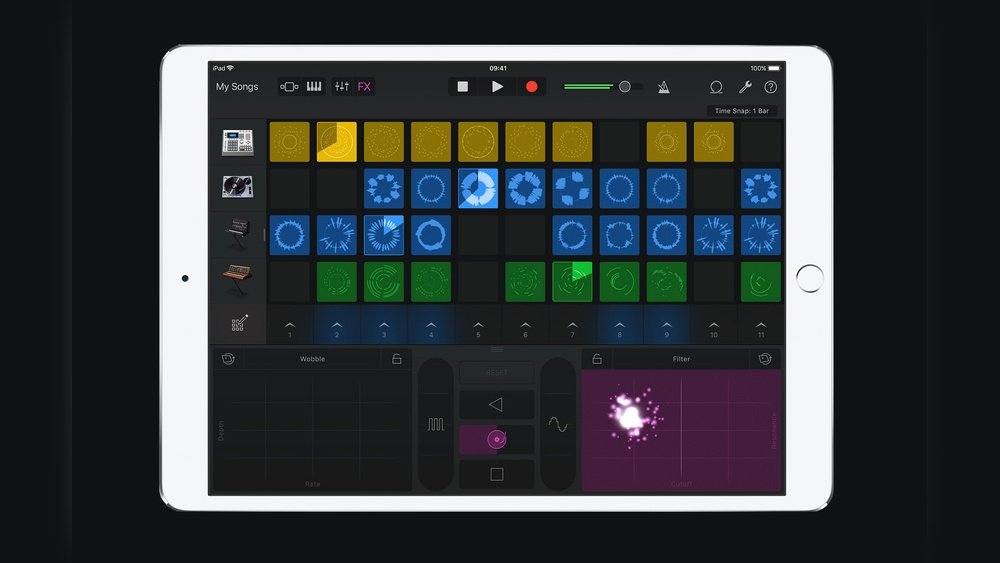
Have you ever wanted to create your own music app but didn’t know where to start? Whether you dream of building the next big streaming platform or designing a simple tool for making beats, you’re in the right place.
This guide will walk you through everything you need to know to make music apps that users will love. From picking the right tools to adding cool features like audio editing and sharing options, you’ll discover how easy it can be to turn your ideas into a real app.
Ready to bring your music app vision to life? Let’s dive in and make it happen!
Choosing The Right Platform
Choosing the right platform to make your music app is key. It affects your app’s features, development time, and cost. Different platforms suit different needs and skills. Some let you build apps fast without coding. Others use AI to help create music. Custom development gives full control but needs coding skills.
Understanding these options helps you pick the best fit. This section breaks down the top platform choices for making music apps.
No-code Builders
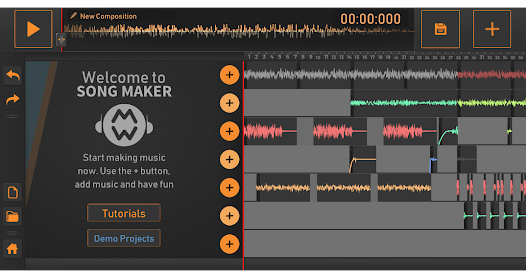
No-code builders let you create apps using drag-and-drop tools. They require no programming skills. You can add buttons, sounds, and playlists easily. Platforms like Flipabit and Shoutem offer music app templates. You can customize designs and add features like streaming. These builders speed up development and reduce costs. They work well for simple music apps or prototypes.
Ai-powered Tools
AI-powered tools help create music content inside apps. They use algorithms to compose beats and melodies. Boomy and Suno AI are popular examples. These tools allow users to generate music without experience. You can add AI features to your app for creativity. AI tools often include options to share and monetize music. They enhance user engagement with smart music creation.
Custom Development
Custom development means building your app from scratch. You need coding knowledge or a developer team. This option offers full control over app features and design. You can create complex functions like advanced audio editing or streaming. Custom apps can scale easily and handle unique ideas. Development takes more time and budget but results in a tailored app. It is the best choice for unique, professional music apps.
Credit: www.theguardian.com
Core Features To Include
Building a music app requires careful planning of features. The core features define the app’s value and user experience. Including essential tools keeps users engaged and satisfied. Focus on streaming, audio tools, content access, and monetization.
Streaming And Playback
Allow users to stream songs smoothly with minimal buffering. Include controls like play, pause, skip, and repeat. Support playlists and shuffle modes for better listening. High-quality audio enhances user satisfaction. Offline playback options improve usability without internet access.
Audio Editing And Recording
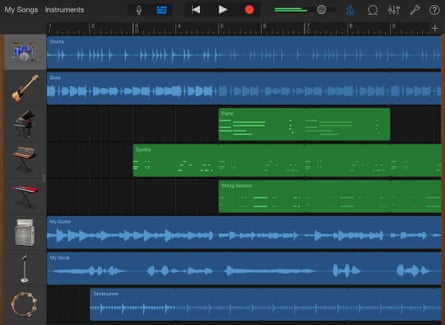
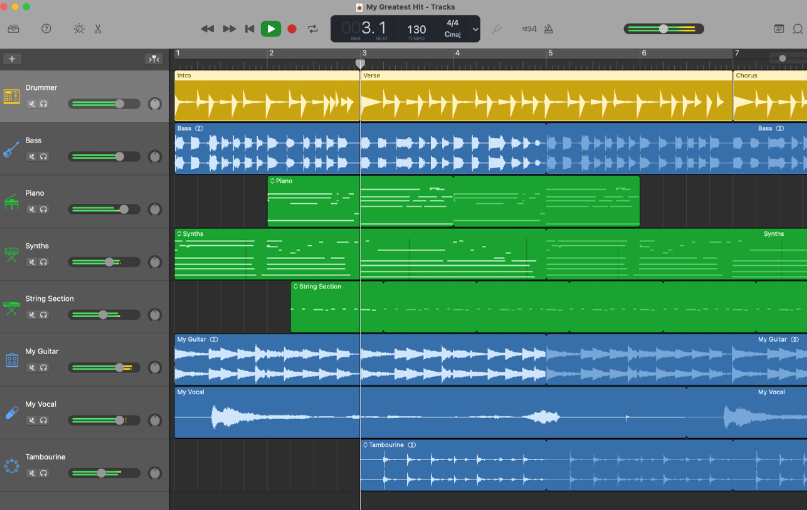
Offer simple tools for recording voice or instruments. Include basic editing features such as cut, trim, and fade. Effects like reverb or equalizer add creativity. Make the interface easy to use for beginners. This feature attracts users who want to create music directly in the app.
Content Library
Provide a large, well-organized music library. Categorize songs by genre, mood, or artist for easy searching. Update content regularly to keep users interested. Allow users to upload their own tracks if possible. Ensure licensing and copyright compliance for all content.
Monetization Options
Integrate multiple ways to earn revenue. Offer subscription plans for ad-free listening and extra features. Include in-app purchases for special content or tools. Display ads carefully to avoid disrupting user experience. Consider partnerships with artists or brands for sponsorships.
Designing User Experience
Launching and marketing a music app require careful planning and clear steps. A strong launch makes your app visible to users. Marketing helps attract and keep users engaged. Both are essential for app success.
Start with the right app store publishing process. Then use effective promotion to reach your target audience. Keep users active with good engagement strategies.
Publishing On App Stores
Submit your music app to major app stores like Google Play and Apple App Store. Follow their guidelines carefully to avoid delays. Prepare clear descriptions and attractive screenshots. Choose relevant keywords for better search visibility. Set a fair price or offer a free trial to encourage downloads.
Promotional Strategies
Use social media to share your app’s features and updates. Create short videos showing how your app works. Partner with influencers or musicians to reach more fans. Run ads targeting users interested in music apps. Offer launch discounts or bonuses to attract first users.
User Engagement
Keep users coming back with regular updates and new features. Send push notifications about new songs, playlists, or events. Encourage users to share their music or playlists inside the app. Create community features like chat or forums for music lovers. Collect feedback to improve the app based on user needs.
Credit: play.google.com
Credit: www.icmp.ac.uk
Frequently Asked Questions
How To Create Your Own Music App?
Choose a development platform like Flipabit or Shoutem. Design your app with music features: streaming, editing, and sharing. Add sounds, tracks, and loops. Test thoroughly, then publish on Google Play and Apple App Store. Promote to grow your user base effectively.
How To Create Mobile Apps That Make $3,000 A Day?
Create a unique, user-friendly app with valuable features. Use effective marketing and in-app purchases. Focus on quality, engagement, and regular updates. Analyze user feedback and optimize monetization strategies to reach $3,000 daily revenue.
How Many Music Streams Do You Need To Make $1000?
You need about 200,000 to 300,000 streams to earn $1,000 from music royalties. Earnings vary by platform and region.
What Is The 80 20 Rule In Songwriting?
The 80/20 rule in songwriting means 80% of effort should focus on strong melodies and lyrics, 20% on arrangement and production. This balance helps create catchy, memorable songs efficiently.
What Tools Are Best For Making Music Apps Easily?
No-code builders like Flipabit and Shoutem help create music apps fast. They offer drag-and-drop features and ready templates. These tools require little to no coding skills.
How Can I Add Music Streaming To My App?
Use APIs from services like Spotify or Apple Music for streaming. These let users play songs directly inside your app. Make sure to follow licensing rules.
What Features Should A Music App Include?
Include playlists, offline mode, search, and user profiles. Also add social sharing and audio controls for better user experience. Simple navigation is key.
Can Ai Help Create Music Apps?
Yes, AI tools like Boomy and Suno AI let users make music easily. AI can generate beats, melodies, and mix tracks. It simplifies music creation for beginners.
How Do I Design An Easy-to-use Music App Interface?
Keep the layout clean with large buttons and clear icons. Use simple colors and readable fonts for all users. Test the app with real users for feedback.
Is Coding Knowledge Necessary To Make A Music App?
Not always. No-code platforms let you build apps without coding. But knowing basic programming helps customize and fix problems.
Conclusion
Creating music apps takes clear planning and the right tools. Start simple, choose features wisely, and test often. Use platforms like Flipabit or Shoutem to build your app easily. AI tools like Boomy can help generate music content quickly. Remember to include streaming, editing, and sharing options to engage users.
Keep learning and improving your app step by step. Making music apps can be fun and rewarding with patience and creativity.