Have you ever wondered if the text you’re reading was written by a human or generated by an AI? With the rise of AI writing tools, distinguishing between the two has become tougher than ever.
But don’t worry—knowing how to detect AI-generated text is within your reach. This skill can help you spot repetitive patterns, awkward phrasing, and a lack of real human insight that often give AI writing away. You’ll discover simple yet effective techniques and tools to identify AI-generated content confidently.
Stick with me, and you’ll soon be able to tell if a piece of writing truly comes from a person—or a machine.
Credit: www.twaino.com
Ai Detection Tools
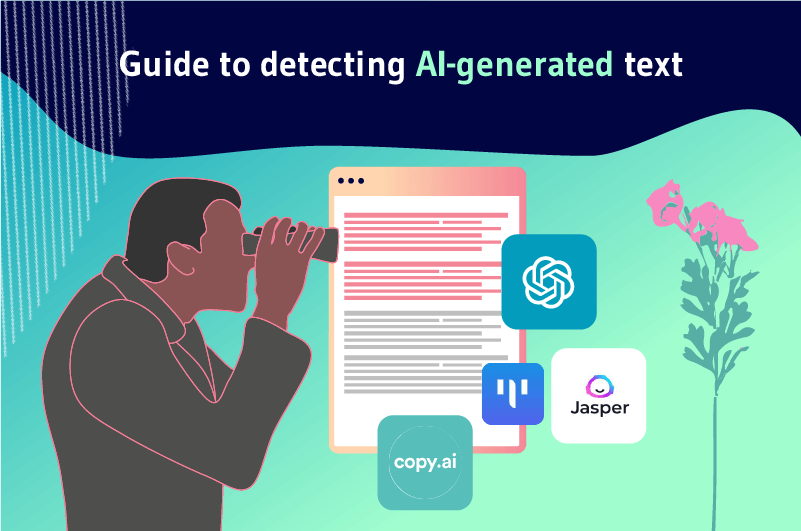
AI detection tools help identify text created by artificial intelligence. These tools scan writing to find patterns typical of AI rather than humans. They assist educators, editors, and writers in spotting AI-generated content quickly.
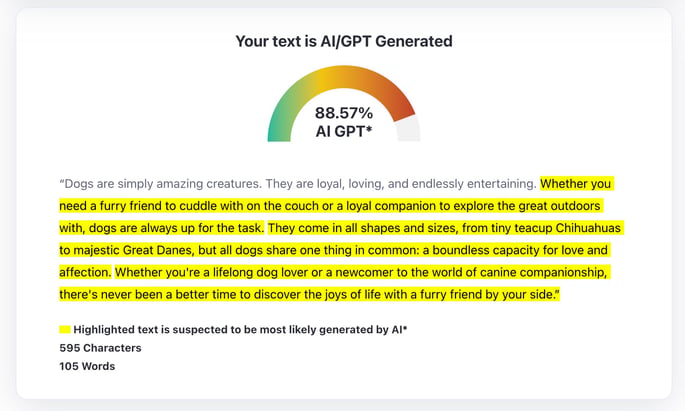
AI detection tools use machine learning algorithms trained on many examples of human and AI writing. They analyze word choice, sentence structure, and flow to estimate the chance that a text is AI-generated. These tools often give a percentage score showing the likelihood of AI authorship.
How Ai Detection Tools Work
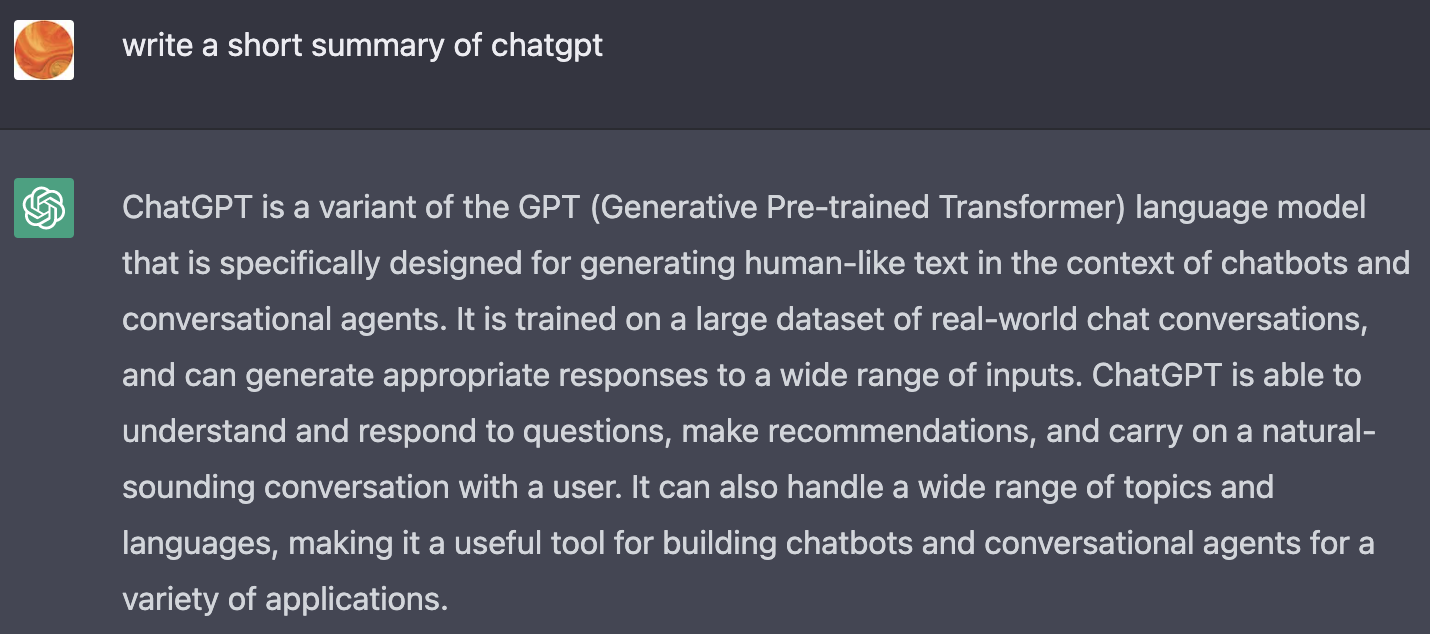
These tools compare the text against known AI writing styles. They look for repetitive phrases and unnatural sentence patterns. The software checks for a lack of personal voice or too-smooth text flow. It also detects unusual word combinations common in AI writing.
Popular Ai Detection Tools
Several well-known tools provide AI detection services. Grammarly offers AI writing detection alongside grammar checks. Copyleaks detects plagiarism and AI-generated text. QuillBot and Turnitin also include AI detection features. Each tool uses different methods to analyze text.
Limitations Of Ai Detection Tools
These tools cannot guarantee 100% accuracy. They sometimes flag human-written text as AI, causing false positives. At times, they miss AI text, leading to false negatives. As AI writing improves, detection becomes harder. Human review remains important to confirm results.
How Detectors Work
Detecting AI-generated text involves special tools and human judgment. These detectors analyze writing patterns to spot differences between human and AI text.
AI detectors look for clues in word choice, sentence structure, and flow. They compare these features against large datasets of both human and AI writing.
Automated Detection Tools
Automated tools use machine learning to identify AI writing. They are trained on examples of human and AI-generated text.
These tools scan for unusual repetition, unnatural phrasing, and consistent sentence patterns. They assign a score showing how likely the text is AI-generated.
Popular detectors include Grammarly, Copyleaks, QuillBot, and Turnitin. Each uses different methods but aims to find AI writing signals.
Manual Detection Techniques
Humans can spot AI text by reading carefully. They look for repetitive words or phrases that seem unnatural.
Awkward or overly formal sentences often indicate AI writing. The text may lack a personal voice or unique style.
AI text tends to flow smoothly but can feel generic or emotionless. Checking facts is also important as AI can make confident errors.
Combining Tools And Human Review
The best results come from mixing automated tools with manual checks. Tools flag suspicious text quickly.
Humans then examine these flags to confirm if the text seems AI-written. This approach reduces errors from relying on tools alone.
Using both methods provides a balanced, accurate way to detect AI-generated content.
Popular Ai Detectors
Popular AI detectors help identify text generated by artificial intelligence. These tools analyze writing patterns to find signs of AI authorship. Many are easy to use and provide quick results. They support educators, writers, and editors in verifying content authenticity.
AI detectors work by comparing text features like word choice and sentence structure. They highlight passages likely created by AI. Despite their usefulness, these tools are not perfect and can misclassify some texts.
Grammarly Ai Detector
Grammarly offers a feature to detect AI-generated writing. It scans the text for unnatural phrasing and repetitive patterns. This tool integrates well with everyday writing tasks. Users can check their work for originality and clarity simultaneously.
Copyleaks Ai Detector
Copyleaks focuses on plagiarism and AI detection. It examines the text for signs typical of AI writing. The platform provides a detailed report with probability scores. It is popular among educators and publishers for content verification.
Quillbot Ai Detector
QuillBot includes an AI detection feature in its writing toolkit. It assesses the likelihood of a text being AI-generated. The tool helps improve writing by flagging robotic or unnatural sentences. It is user-friendly and suitable for students and professionals.
Turnitin Ai Detection
Turnitin is widely known for plagiarism detection and now offers AI text detection. It uses advanced algorithms to spot AI-generated content in academic papers. Many schools and universities rely on Turnitin for integrity checks. The service combines AI detection with traditional plagiarism tools.
Credit: scientistfactory.com
Limitations Of Tools
Tools designed to detect AI-generated text can assist in identifying non-human writing. They analyze patterns and language use to spot AI traits. Despite this, these tools have clear limits that affect their reliability.
Understanding these limits helps set realistic expectations for detection accuracy. It also highlights why human judgment remains important in the review process.
Accuracy Issues
Detection tools sometimes give false positives by marking human text as AI-written. They can also miss AI-generated text, resulting in false negatives. These errors reduce trust in the tool’s results. Accuracy often drops as AI writing becomes more advanced and natural.
Dependence On Training Data
Tools learn from examples of both human and AI text. Their success depends on the quality and variety of this training data. If the data is outdated or limited, the tool may fail to recognize new AI writing styles. This limits their use over time without regular updates.
Difficulty With Mixed Content
Texts combining human and AI input confuse detection tools. The blend of styles challenges pattern recognition algorithms. Tools may struggle to assign a clear label to such mixed writing. This reduces the clarity of results for editors and reviewers.
Language And Context Limitations
Many tools work best with English and common writing styles. They may perform poorly on texts in other languages or specialized fields. Contextual understanding is weak, so subtle nuances often go undetected. This restricts their usefulness for diverse audiences and topics.
Manual Detection Signs
Manual detection signs help identify AI-generated text by spotting unusual patterns.
Reading the text carefully reveals clues that machines often leave behind.
These signs are simple to observe without special software or tools.
Repetitive Language
AI tends to repeat words or phrases too often. This repetition feels unnatural.
Look for the same expressions or ideas that appear multiple times.
Awkward Phrasing
Sentences may be correct but sound strange or stiff. The flow can feel forced.
AI sometimes creates unusual sentence structures humans rarely use.
Text may lack a unique style or personal touch. It sounds generic.
The writing misses emotions or opinions that a human usually adds.
Overly Smooth Or Generic Flow
AI text often flows too perfectly. It feels polished but empty.
The writing may lack personality and real-life nuances.
Factual Inaccuracies
AI can state incorrect facts confidently. Verify details carefully.
Wrong or strange information can be a clear sign of AI authorship.
Repetitive Language Patterns
Repetitive language patterns often reveal AI-generated text. These patterns show up as repeated words, phrases, or sentence structures that make the text feel mechanical.
AI models tend to reuse certain expressions to maintain coherence. This repetition can seem unnatural compared to human writing, which usually varies language more.
Identifying Repeated Words And Phrases
Look for the same words or phrases appearing frequently in short sections. AI texts often repeat key terms more than human writers do.
For example, words like “important,” “however,” or “in addition” might appear too often. Such repetition can break the flow and feel robotic.
Spotting Similar Sentence Structures
AI tends to create sentences with similar lengths and patterns. Sentences may start the same way or follow identical grammar styles repeatedly.
This uniformity makes the text predictable. Human writers usually mix sentence types and lengths to keep readers interested.
Why Repetition Signals Ai Generation
Repetitive language often results from AI optimizing for clarity and coherence. It lacks the natural variation humans use to express ideas uniquely.
This pattern helps AI maintain smoothness but reduces creativity. Spotting these repetitions helps detect AI-written content quickly.
Awkward Phrasing Clues
Awkward phrasing can reveal AI-generated text. It often sounds strange or forced. The sentences may follow grammar rules but still feel off. These odd turns of phrase hint at a machine’s limited grasp of natural language nuances.
Reading carefully helps spot these subtle signs. They break the smooth flow of human writing. This section explains common awkward phrasing clues to watch for.
Unusual Word Combinations
AI sometimes pairs words that rarely go together. These odd combinations can make sentences seem confusing. For example, “bright silence” or “heavy happiness” feel unnatural. Human writers usually avoid such mismatches.
Strange Sentence Rhythm
Sentences may have unusual pacing or length. AI tends to produce uniform sentence structures. It can sound robotic or repetitive. Humans vary sentence length for emphasis and style.
Forced Formality Or Odd Tone
AI might use overly formal language in casual contexts. Or it may switch tone unexpectedly. This creates a jarring effect. The writing lacks the smooth flow of a natural voice.
Repetitive Phrasing
AI often repeats phrases or ideas in different ways. This redundancy feels unnatural. Human writers avoid repeating the same points too closely. Repetition can be a clear sign of machine-generated text.
Incorrect Use Of Idioms Or Expressions
Idioms may appear misused or awkwardly placed. AI struggles with figurative language. Phrases like “kick the bucket” might be used literally or wrongly. These errors stand out to attentive readers.
Credit: blog.hubspot.com
Lack Of Personal Voice
The lack of personal voice is a key sign of AI-generated text. Unlike humans, AI often produces content without unique style or emotion. The writing feels generic and distant, missing a clear personality behind the words.
Personal voice shows an author’s thoughts, feelings, and experiences. It creates connection and trust. AI text tends to lack this warmth and individuality. It may sound too formal or neutral, as if written by a machine, not a person.
Readers can spot this by noticing if the text feels flat or bland. The writing may avoid opinions or personal stories. It often lacks humor, passion, or creativity. The words might be correct but fail to engage or inspire.
Lack Of Unique Style
AI text rarely carries a distinctive style. It uses common phrases and predictable patterns. There is no signature tone or voice that stands out. The writing can feel like it was copied from many sources without originality.
Absence Of Personal Opinions
Human writers share personal views or emotions. AI avoids strong opinions to stay neutral. This creates a lack of authenticity. The text may sound like a report rather than a personal message.
Missing Emotional Connection
AI writing lacks emotional depth. It does not express feelings or mood naturally. The text might explain facts but fails to evoke empathy. Readers sense a mechanical rather than heartfelt touch.
Combining Tools And Manual Review
Detecting AI-generated text requires a balanced approach. Relying only on tools or just manual review might miss important clues. Combining both methods helps catch subtle signals and improves accuracy. Automated tools quickly scan large text but might miss nuances. Human review spots oddities that machines cannot detect yet. This partnership creates a stronger defense against AI-generated content.
Using Automated Detection Tools
Automated tools analyze text patterns and style traits. They compare content against known AI and human writing samples. These tools check word choice, sentence length, and flow to estimate if AI wrote the text. Examples include Grammarly, Copyleaks, and Turnitin. These can flag suspicious writing fast and at scale. Their results show a likelihood, not a certainty.
Conducting Manual Review
Manual review means reading the text carefully for odd signs. Look for repetitive phrases or strange wording that sounds unnatural. Notice if the text lacks a personal voice or feels too generic. Check for factual errors that AI often makes confidently. Human judgment is key to catch subtle issues. This process takes time but adds depth to detection.
Integrating Tools With Human Insight
Start with automated tools to identify risky text sections. Then, read those parts manually for detailed clues. Do not trust tool results alone; verify findings yourself. This combined approach balances speed and precision. It reduces false alarms and missed detections. Together, tools and humans form a stronger detection method.
Trusting Your Intuition
Trusting your intuition plays a key role in detecting AI-generated text. Sometimes, your gut feeling can sense when something feels off. This instinct often spots subtle signs machines might miss. Being aware of these feelings helps you question the authenticity of the content.
Intuition works best when combined with basic knowledge about AI writing patterns. It sharpens your ability to notice unusual writing styles or awkward phrasing. Over time, this skill grows stronger with practice and attention.
Recognizing Unnatural Flow
AI text often reads smoothly but lacks natural pauses. The sentences may be perfect but feel robotic or stiff. Your intuition can catch this odd rhythm. If the writing seems too polished or emotionless, trust your sense that it might be AI-generated.
Spotting Repetitive Phrases
Repetition is common in AI writing. The text might repeat ideas or phrases too often. This can seem strange for human writing. When you notice repeated words or sentences, your intuition should raise a flag. It signals the text might not be fully human.
Feeling The Lack Of Personal Touch
Human writing usually carries a unique voice or opinion. AI content often feels generic and lacks personality. If the text sounds bland or distant, trust your gut. This absence of warmth or emotion often reveals AI authorship.
Frequently Asked Questions
Is There A Way To Detect Ai-generated Text?
Yes, AI-generated text detection combines automated tools and human review. Tools analyze patterns; humans check for repetitive phrasing and lack of personal voice. No method is fully accurate, so using both approaches improves reliability and helps identify AI authorship effectively.
What Is The Most Trusted Ai Detector?
Copyleaks and Grammarly rank among the most trusted AI detectors. They analyze text patterns and provide AI-generated content percentages. Combining these tools with manual review improves accuracy. No detector guarantees 100% accuracy due to evolving AI writing styles.
How To Make Text Not Ai Detectable?
Make text undetectable by AI by using varied sentence structures, adding personal insights, and avoiding repetitive phrases. Blend human emotions and unique style. Edit manually after AI generation and use natural, imperfect language to mimic authentic human writing.
How Do I Check If I Am Talking To An Ai?
Check for repetitive phrases, unnatural flow, and lack of personal voice. Use AI detection tools like Grammarly or Copyleaks for analysis. Combine tool results with manual review to improve accuracy. Trust your intuition to spot AI-generated responses effectively.
What Is Ai-generated Text Detection?
It is identifying if a text was written by an AI or a human writer.
How Do Ai Text Detectors Work?
They analyze word choice, sentence structure, and writing style patterns.
Which Tools Detect Ai-generated Text Accurately?
Grammarly, Copyleaks, QuillBot, and Turnitin are popular detection tools.
Can Ai Detection Tools Make Mistakes?
Yes, they can wrongly flag human text or miss AI-generated content.
What Signs Show A Text Is Ai-generated?
Repetitive words, awkward phrasing, lack of personal voice, and errors.
Why Is Manual Review Important In Ai Detection?
Humans spot subtle issues machines might miss, improving detection accuracy.
Conclusion
Detecting AI-generated text takes both tools and human judgment. Automated software helps find patterns, but it can make mistakes. Careful reading reveals odd phrases, repeated words, or a missing personal voice. Combining technology with your own attention gives the best results.
Trust what feels natural or off in the writing. Staying aware helps protect against misleading or fake content. Keep practicing these steps to improve your detection skills over time.